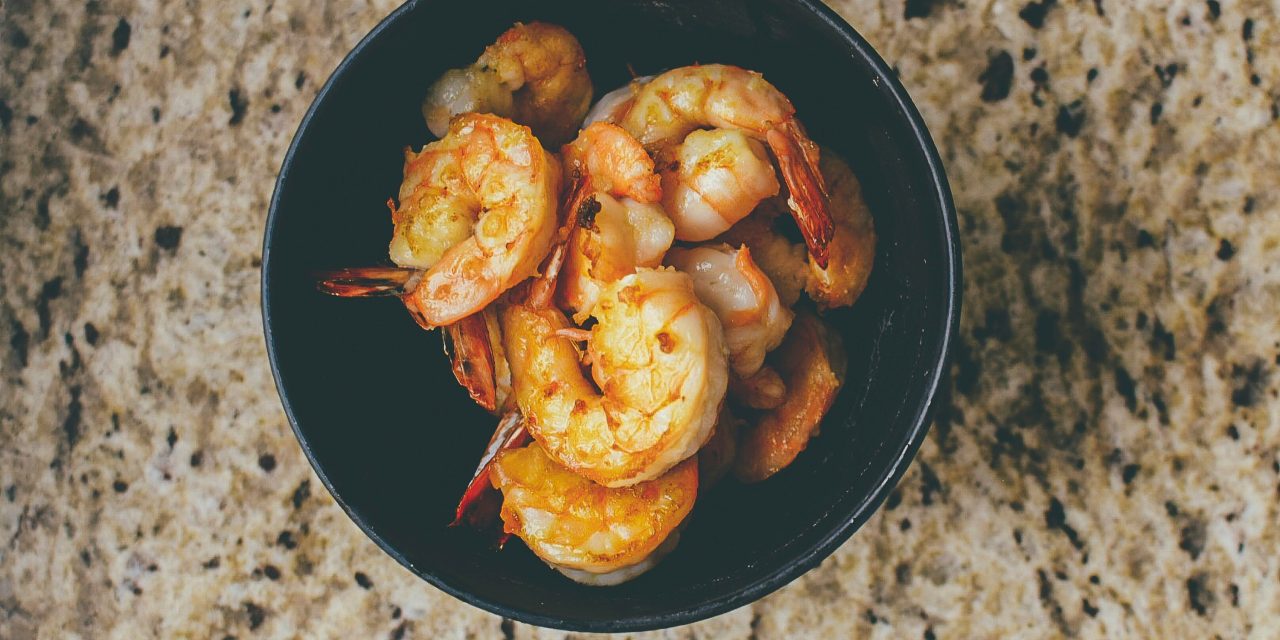
Cooking frozen shrimp without thawing offers numerous advantages that can enhance both the culinary experience and the convenience of meal preparation. One of the primary benefits is the significant time-saving aspect; there is no need to wait for shrimp to defrost, which can take anywhere from 30 minutes to several hours depending on the method used. This efficiency is particularly advantageous for busy individuals or families who may not have the luxury of extended cooking times. Additionally, cooking shrimp directly from the freezer can help retain moisture and flavor, resulting in a juicier and more succulent final product.
Moreover, cooking frozen shrimp without thawing minimizes the risk of bacterial growth that can occur during the thawing process. When shrimp are left at room temperature for too long, they can become a breeding ground for harmful pathogens. By cooking them straight from the freezer, you ensure that they remain at a safe temperature throughout the cooking process. This method also allows for greater flexibility in meal planning, as you can easily incorporate shrimp into a variety of dishes without prior preparation. Overall, cooking frozen shrimp directly not only simplifies meal preparation but also enhances food safety and flavor.
If you’re looking for a quick and easy way to prepare a delicious meal, you might be interested in learning how to cook frozen shrimp without thawing. This method not only saves time but also preserves the shrimp’s texture and flavor. For a complementary dish that pairs well with shrimp, check out this article on Budget-Friendly Lentil Sloppy Joes, which offers a hearty and satisfying option for any weeknight dinner.
Method 1: Sautéing Frozen Shrimp Directly in a Pan
Sautéing frozen shrimp is one of the quickest and most straightforward methods to achieve a delicious meal. To begin, heat a skillet over medium-high heat and add a tablespoon of oil, such as olive or vegetable oil. Once the oil is shimmering, add the frozen shrimp directly to the pan. It is essential to spread them out evenly to ensure even cooking. As the shrimp cook, they will release moisture; this is normal and helps create a flavorful base for your dish.
Cook the shrimp for approximately 5 to 7 minutes, stirring occasionally to promote even cooking. You will know they are done when they turn pink and opaque, indicating that they have reached a safe internal temperature of 145°F (63°C). For added flavor, consider incorporating garlic, lemon juice, or fresh herbs during the last minute of cooking. This method not only preserves the natural sweetness of the shrimp but also allows for quick adjustments in seasoning to suit your palate.
Method 2: Boiling Frozen Shrimp Quickly for Perfect Texture

Boiling is another effective method for cooking frozen shrimp while ensuring they maintain their tender texture. Begin by filling a large pot with water and adding salt to enhance flavor; a general guideline is to use about 1 tablespoon of salt per quart of water. Bring the water to a rolling boil before adding the frozen shrimp directly into the pot.
Cook the shrimp for approximately 2 to 3 minutes, depending on their size. It is crucial to monitor them closely; overcooking can lead to rubbery shrimp. Once they turn pink and float to the surface, they are ready to be removed from the pot. To stop the cooking process immediately, transfer them to an ice bath—this involves placing them in a bowl filled with ice water for a few minutes. This technique not only halts cooking but also helps maintain their firm texture and prevents them from becoming overcooked.
Method 3: Steaming Frozen Shrimp for a Healthy Option

Steaming frozen shrimp is an excellent choice for those seeking a healthier cooking method that preserves nutrients while enhancing flavor. To steam shrimp, fill a pot with water and bring it to a boil. Place a steamer basket over the pot, ensuring that it does not touch the boiling water. Add the frozen shrimp to the basket and cover with a lid.
Steam the shrimp for about 6 to 8 minutes or until they are fully cooked and opaque. This method allows the shrimp to cook evenly while retaining their natural juices and flavors. For an added layer of taste, consider placing aromatics such as lemon slices, garlic cloves, or fresh herbs in the steaming water or directly on top of the shrimp before covering. The steam will infuse these flavors into the shrimp, resulting in a delightful dish that pairs well with various sides.
If you’re looking for a quick and easy way to prepare a delicious seafood dish, you might be interested in learning how to cook frozen shrimp without thawing. This method not only saves time but also helps retain the shrimp’s natural flavor and texture. For more tips on cooking seafood efficiently, you can check out this informative article on feline boarding options, which offers insights into various cooking techniques that can enhance your culinary skills.
Method 4: Grilling Frozen Shrimp Using Skewers
Grilling frozen shrimp can impart a smoky flavor that elevates any meal. To prepare, preheat your grill to medium-high heat and soak wooden skewers in water for about 30 minutes to prevent burning. Thread the frozen shrimp onto the skewers, ensuring they are spaced evenly apart for uniform cooking.
Grill the skewers for approximately 2 to 3 minutes on each side, turning them once halfway through. The shrimp will be ready when they turn pink and opaque. For added flavor, marinate the shrimp in your favorite sauce or seasoning blend before grilling; this can include ingredients like soy sauce, garlic, or chili flakes. Grilling not only enhances flavor but also creates an appealing char that adds visual appeal to your dish.
Method 5: Baking Frozen Shrimp in the Oven
Baking frozen shrimp is an excellent option for those who prefer a hands-off approach while still achieving delicious results. Preheat your oven to 400°F (200°C) and line a baking sheet with parchment paper or aluminum foil for easy cleanup. Spread the frozen shrimp in a single layer on the baking sheet and drizzle with olive oil, salt, pepper, and any desired seasonings.
Bake for approximately 12 to 15 minutes or until the shrimp are pink and opaque. For an extra touch of flavor, consider adding breadcrumbs or cheese during the last few minutes of baking for a crispy topping. Baking allows for even cooking while minimizing added fats, making it a healthier option compared to frying.
Method 6: Using the Air Fryer to Cook Frozen Shrimp
The air fryer has gained popularity as a versatile kitchen appliance that can produce crispy results with less oil than traditional frying methods. To cook frozen shrimp in an air fryer, preheat it to 400°F (200°C). Place the frozen shrimp in a single layer in the air fryer basket; avoid overcrowding to ensure even cooking.
Cook for about 8 to 10 minutes, shaking the basket halfway through to promote uniform browning. The result will be perfectly cooked shrimp with a delightful crunch on the outside while remaining tender inside. For added flavor, toss the shrimp with your favorite seasoning blend before air frying; options like Cajun spices or garlic powder work particularly well.
Method 7: Stir-Frying Frozen Shrimp with Vegetables
Stir-frying is an excellent way to incorporate frozen shrimp into a vibrant and nutritious meal alongside fresh vegetables. Begin by heating a wok or large skillet over high heat and adding oil suitable for high-temperature cooking, such as peanut or canola oil. Once hot, add frozen shrimp directly into the pan.
Cook for about 3 minutes before adding your choice of vegetables—bell peppers, broccoli, snap peas, or carrots work well—along with garlic and ginger for added flavor. Stir-fry everything together until the shrimp are cooked through and vegetables are tender-crisp, typically around 5-7 minutes total cooking time. This method not only provides a quick meal but also allows you to customize ingredients based on personal preferences or seasonal availability.
Tips for Seasoning and Flavoring Frozen Shrimp
Enhancing the flavor of frozen shrimp can elevate any dish significantly. One effective approach is marinating them before cooking; even a brief marinade of 15-30 minutes can impart substantial flavor. Common marinade ingredients include olive oil, lemon juice, garlic, herbs like parsley or cilantro, and spices such as paprika or cayenne pepper.
Additionally, consider using dry rubs or spice blends tailored to your taste preferences—Cajun seasoning or Italian herb blends can add depth without overwhelming the natural sweetness of the shrimp. When sautéing or grilling, adding aromatics like onions or shallots can create a flavorful base that complements the dish beautifully.
How to Avoid Overcooking When Using Frozen Shrimp
Overcooking is one of the most common pitfalls when preparing frozen shrimp; it can lead to an undesirable rubbery texture that detracts from their natural sweetness. To prevent this issue, it is crucial to monitor cooking times closely based on size and method used—smaller shrimp will cook faster than larger ones.
Using an instant-read thermometer can be beneficial; aim for an internal temperature of 145°F (63°C) for perfectly cooked shrimp. Additionally, removing them from heat as soon as they turn pink and opaque will help ensure optimal texture. If using methods like boiling or steaming, consider preparing an ice bath beforehand to halt cooking immediately after removing them from heat.
Choosing the Best Method for Your Meal
In conclusion, there are numerous methods available for cooking frozen shrimp without thawing that cater to various tastes and dietary preferences. Whether you prefer sautéing for speed, boiling for simplicity, steaming for health benefits, grilling for flavor depth, baking for ease, air frying for crispiness, or stir-frying for versatility with vegetables—each technique offers unique advantages that can enhance your culinary repertoire.
Ultimately, selecting the best method depends on personal preferences regarding taste and texture as well as time constraints during meal preparation. By mastering these techniques and incorporating flavorful seasonings, you can create delicious dishes that highlight the natural sweetness of shrimp while enjoying all their nutritional benefits.
FAQs
Can you cook frozen shrimp without thawing them first?
Yes, you can cook frozen shrimp without thawing them first. Cooking them directly from the freezer can save time and still yield delicious results. Just be sure to adjust the cooking time accordingly, as frozen shrimp will take a bit longer to cook than thawed shrimp.
What cooking methods can be used for frozen shrimp?
Frozen shrimp can be cooked using various methods, including boiling, sautéing, grilling, and baking. Each method will require slight adjustments in cooking time, but all can produce tasty shrimp dishes without the need for thawing.
How long does it take to cook frozen shrimp?
The cooking time for frozen shrimp varies depending on the method used. Generally, boiling or sautéing frozen shrimp takes about 5 to 7 minutes, while grilling or baking may take around 10 to 12 minutes. Always ensure that the shrimp are cooked until they are opaque and reach an internal temperature of 120°F (49°C).
Should you season frozen shrimp before cooking?
Yes, you can season frozen shrimp before cooking, but it’s best to do so after rinsing them under cold water to remove any ice crystals. This allows the seasoning to adhere better. You can use a variety of spices, marinades, or sauces to enhance the flavor of the shrimp.
Is it safe to cook frozen shrimp directly?
Yes, it is safe to cook frozen shrimp directly from the freezer. Cooking them from frozen ensures that they are heated evenly and reduces the risk of bacterial growth that can occur during thawing. Just make sure to cook them thoroughly to the recommended temperature.