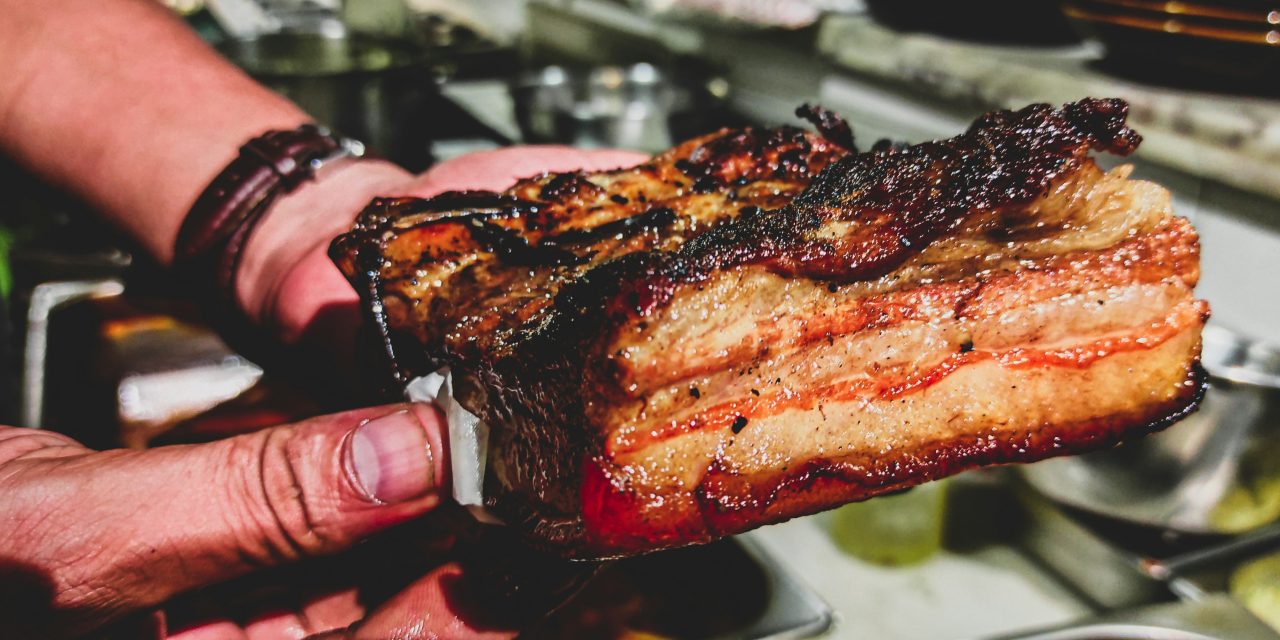
When embarking on the culinary journey of preparing pork belly, the initial step involves selecting the appropriate cut. Pork belly is a versatile and flavorful cut derived from the underside of the pig, characterized by its rich layers of fat and meat. The ideal pork belly should exhibit a balanced ratio of meat to fat, typically around 70% fat to 30% meat. This balance is crucial as it contributes to the final texture and flavor profile of the dish. Look for cuts that have a uniform thickness, ensuring even cooking throughout.
Additionally, sourcing high-quality pork belly is paramount. Opt for heritage breeds or organic options when possible, as these tend to have superior flavor and texture due to better farming practices. The skin should be intact and free from blemishes, indicating freshness. A well-selected cut will not only enhance the dish’s taste but also elevate the overall dining experience.
If you’re looking to elevate your culinary skills, mastering the art of cooking pork belly until it’s perfectly crispy is a must. For additional tips on enhancing your cooking techniques, you might find this article on tomato pruning particularly useful, as it emphasizes the importance of proper preparation in achieving the best results in your kitchen. Check it out here: 10 Tomato Pruning Tips for Bigger, Juicier Harvests This Season.
Preparing the Pork Belly: Scoring and Seasoning
Once you have procured the perfect cut of pork belly, the next step is preparation, which includes scoring and seasoning. Scoring involves making shallow cuts in the skin, typically in a crosshatch pattern. This technique serves multiple purposes: it allows for better fat rendering during cooking, promotes crispiness of the skin, and facilitates the penetration of seasonings into the meat. Use a sharp knife to ensure clean cuts without piercing too deeply into the flesh.
Seasoning is equally important in this process. A simple yet effective blend can include kosher salt, freshly cracked black pepper, and aromatic herbs such as thyme or rosemary. Generously rub this mixture into both the scored skin and the meat side, ensuring that it adheres well. For those seeking a more complex flavor profile, consider incorporating garlic powder, smoked paprika, or even a hint of cayenne pepper for a subtle kick. Allowing the seasoning to penetrate for several hours or overnight will significantly enhance the overall taste.
The Importance of Drying the Skin Thoroughly

A critical step that often goes overlooked is drying the skin of the pork belly thoroughly before cooking. Moisture on the surface can hinder the crisping process, resulting in a less-than-desirable texture. To achieve optimal dryness, pat the skin with paper towels to absorb any excess moisture. For best results, place the pork belly uncovered in the refrigerator for several hours or overnight; this allows air circulation to further dry out the skin.
This drying process is essential for achieving that coveted crackling texture. The drier the skin, the better it will crisp up during cooking. Additionally, this technique helps to render out excess fat more effectively, leading to a succulent and flavorful piece of meat.
Choosing the Best Marinade or Rub

Selecting an appropriate marinade or rub can elevate your pork belly dish to new heights. A marinade typically consists of an acid (such as vinegar or citrus juice), oil, and various seasonings that work together to tenderize and infuse flavor into the meat. For pork belly, consider a marinade that includes soy sauce for umami depth, honey for sweetness, and garlic for aromatic complexity.
Alternatively, a dry rub can also be an excellent choice for flavor enhancement without adding moisture. A combination of brown sugar, smoked paprika, garlic powder, and ground cumin can create a delightful crust when cooked. Whichever method you choose, ensure that the marinade or rub is applied generously and evenly across all surfaces of the pork belly.
If you’re looking to achieve that perfect crispy texture on your pork belly, you might find it helpful to explore some essential cooking techniques. A great resource for enhancing your culinary skills can be found in this article on essential dog training tips, which, while focused on a different topic, emphasizes the importance of patience and practice in mastering any craft, including cooking. By applying similar principles, you can elevate your pork belly dish to new heights of deliciousness.
Optimal Marinating Time for Maximum Flavor
The duration of marinating plays a pivotal role in flavor absorption and tenderness. For pork belly, a minimum marinating time of four hours is recommended; however, overnight marination yields superior results. This extended period allows the flavors to penetrate deeply into the meat fibers while also breaking down tough connective tissues.
If using an acidic marinade, be cautious not to exceed 24 hours as prolonged exposure can lead to an overly soft texture. Conversely, dry rubs can be left on for longer periods without compromising texture. Regardless of your choice, always refrigerate during marination to prevent bacterial growth.
If you’re looking to master the art of cooking pork belly until it’s perfectly crispy, you might find it helpful to explore some related culinary techniques. For instance, understanding the benefits of proper seasoning and cooking methods can greatly enhance your results. A great resource to consider is this article on top cooking tips, which provides insights that can elevate your kitchen skills. With the right approach, you can achieve that delicious crunch that makes pork belly a favorite among many.
Preheating the Oven to the Perfect Temperature
Preheating your oven is a crucial step that should not be overlooked when preparing pork belly. The ideal temperature for roasting pork belly is typically between 300°F (150°C) and 350°F (175°C). This moderate heat allows for slow rendering of fat while ensuring that the meat cooks evenly without drying out.
For those aiming for crispy skin, consider starting at a lower temperature and then increasing it towards the end of cooking. This method allows for thorough cooking while providing an opportunity to achieve that desirable crackling finish. Always use an oven thermometer to ensure accuracy; fluctuations in temperature can significantly affect cooking times and outcomes.
Using a Rack to Elevate the Pork Belly
Utilizing a roasting rack is an essential technique when cooking pork belly. Elevating the meat allows hot air to circulate evenly around all sides, promoting uniform cooking and optimal fat rendering. This method also prevents excess grease from pooling beneath the meat, which can lead to sogginess.
When placing your pork belly on a rack, ensure that it is positioned over a roasting pan to catch any drippings that may escape during cooking. These drippings can later be used to create a flavorful sauce or gravy, enhancing your dish further.
Two primary cooking techniques can be employed when preparing pork belly: slow roasting and high heat blasting. Slow roasting involves cooking at lower temperatures over an extended period, allowing for gradual fat rendering and tenderizing of the meat. This method results in succulent pork belly with a melt-in-your-mouth texture.
Conversely, high heat blasting involves starting at a high temperature (around 425°F or 220°C) for a short duration before reducing it for slower cooking. This technique is particularly effective for achieving crispy skin quickly while ensuring that the interior remains juicy and tender. Both methods have their merits; choosing one depends on personal preference and desired outcomes.
Monitoring Internal Temperature for Doneness
Monitoring internal temperature is vital in ensuring that your pork belly reaches optimal doneness while maintaining safety standards. The USDA recommends an internal temperature of at least 145°F (63°C) for pork; however, many chefs prefer cooking pork belly to around 190°F (88°C) for maximum tenderness and flavor development.
Using an instant-read thermometer can provide accurate readings without compromising cooking time significantly. Insert it into the thickest part of the meat without touching bone or fat to get an accurate measurement. Once your pork belly reaches the desired temperature, it’s time to remove it from the oven.
Resting the Pork Belly Before Carving
Resting is an often underestimated yet crucial step in preparing pork belly. Allowing the meat to rest for at least 15-20 minutes after cooking enables juices to redistribute throughout the fibers, resulting in a more succulent final product. Cutting into meat immediately after cooking can lead to significant juice loss, resulting in dryness.
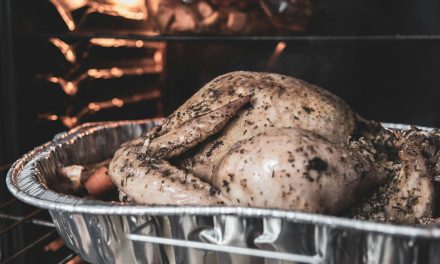
During this resting period, cover the pork belly loosely with aluminum foil to retain warmth without trapping steam, which could soften the crispy skin you worked hard to achieve.
Serving Suggestions to Enhance Crispiness and Flavor
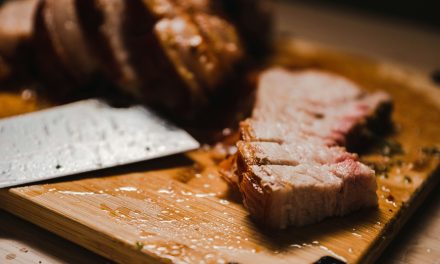
When it comes time to serve your perfectly cooked pork belly, presentation and accompaniments play significant roles in enhancing both flavor and texture. Consider slicing into thick pieces that showcase both layers of meat and fat; this visual appeal adds to the dining experience.
To complement your dish, serve with sides that provide contrast in texture and flavor—think pickled vegetables or tangy slaw that cut through richness. Drizzling with a homemade sauce made from reserved drippings can elevate flavors further while adding moisture if needed. For an added crunch factor, consider garnishing with crispy fried shallots or fresh herbs like cilantro or scallions.
In summary, preparing pork belly involves careful selection of cuts, meticulous preparation techniques such as scoring and seasoning, and attention to detail throughout cooking processes including marinating times and temperature monitoring. By following these guidelines—from drying skin thoroughly to allowing resting time—you can achieve a delectable dish that showcases both flavor and texture beautifully.
FAQs
What is pork belly?
Pork belly is a cut of meat from the belly of a pig. It is known for its rich flavor and high fat content, making it a popular choice for various dishes. When cooked properly, it can become tender and crispy, especially when the skin is rendered and crisped up.
How do I prepare pork belly for cooking?
To prepare pork belly, start by scoring the skin in a crosshatch pattern, being careful not to cut into the meat. This helps the fat render out and allows the skin to become crispy. Season the meat with salt and any other desired spices or marinades, and let it sit for a while to absorb the flavors.
What cooking methods can I use to achieve crispy pork belly?
There are several methods to achieve crispy pork belly, including roasting, braising, and frying. A common approach is to roast the pork belly in the oven at a high temperature after initially cooking it at a lower temperature to render the fat. Alternatively, you can sear it in a pan and then finish cooking it in the oven.
How long does it take to cook pork belly until crispy?
The cooking time for pork belly can vary depending on the method used and the thickness of the cut. Generally, it takes about 2 to 3 hours at a low temperature (around 300°F or 150°C) followed by 20 to 30 minutes at a higher temperature (around 425°F or 220°C) to achieve a crispy skin.
What should I serve with crispy pork belly?
Crispy pork belly pairs well with a variety of sides, such as steamed vegetables, rice, or mashed potatoes. It can also be served in sandwiches, tacos, or salads. Additionally, sauces like hoisin, barbecue, or apple sauce can complement the rich flavor of the pork belly.