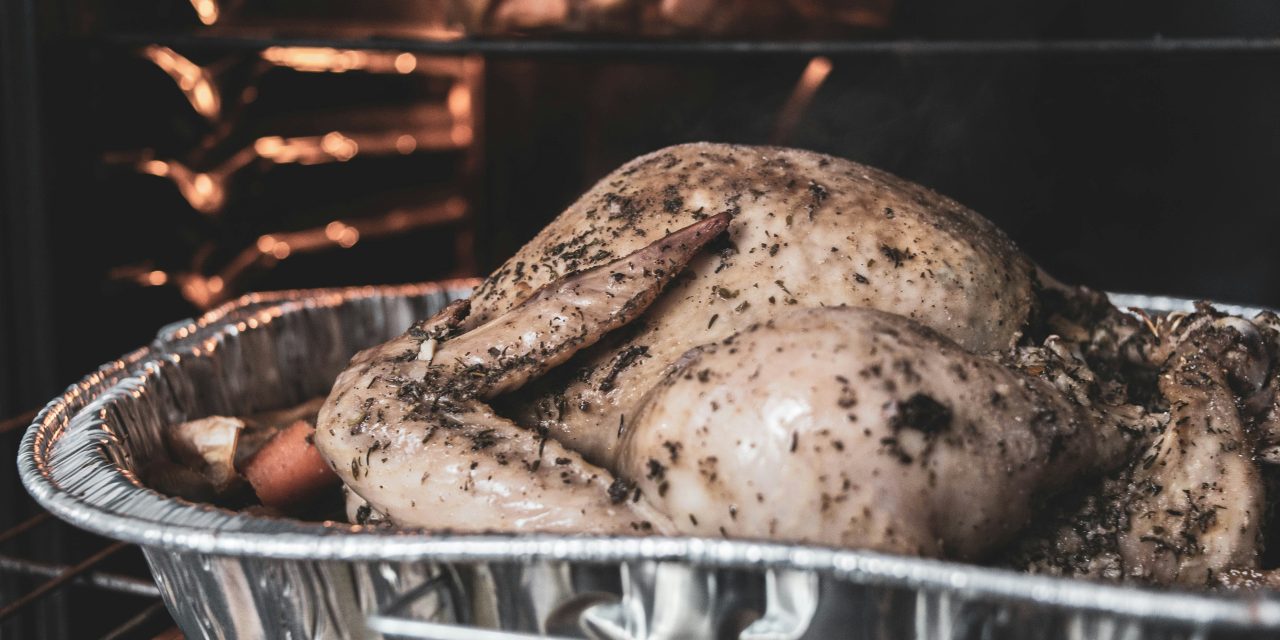
Cooking a turkey is an art that requires precision and attention to detail, particularly when it comes to timing. The cooking time per pound is a critical factor that influences the overall outcome of the dish. Understanding this concept is essential for achieving a perfectly roasted turkey that is both juicy and flavorful. The general guideline suggests that a turkey should be cooked for approximately 13 to 15 minutes per pound at 325°F (163°C) when roasting in a conventional oven. This time frame ensures that the meat reaches the appropriate internal temperature while allowing the skin to crisp up beautifully.
Moreover, the importance of cooking time extends beyond mere convenience; it directly impacts food safety. Undercooking poultry can lead to foodborne illnesses caused by pathogens such as Salmonella and Campylobacter. Conversely, overcooking can result in dry, unpalatable meat. Therefore, adhering to recommended cooking times not only enhances flavor but also safeguards health. By understanding the significance of cooking time per pound, home cooks can confidently prepare a turkey that is both delicious and safe for consumption.
When preparing a delicious Thanksgiving turkey, it’s essential to know the proper cooking times to ensure it is perfectly roasted. A helpful resource that discusses common kitchen mistakes that can ruin good meals can be found in this article: kitchen mistakes that ruin good meals. Understanding how long to roast a turkey per pound is just one of the many tips that can help elevate your cooking and avoid common pitfalls in the kitchen.
Choosing the Right Turkey for Roasting
Selecting the ideal turkey for roasting is paramount to achieving a successful culinary experience. When choosing a turkey, consider factors such as size, breed, and whether it is fresh or frozen. A general rule of thumb is to allocate 1 to 1.5 pounds of turkey per person, ensuring ample servings for everyone at the table. For larger gatherings, consider opting for a bird weighing between 15 to 20 pounds, as these tend to yield more meat and are often more economical.
In terms of breed, heritage turkeys are known for their rich flavor and firmer texture compared to conventional broad-breasted varieties. While heritage turkeys may require a longer cooking time due to their denser meat, they often provide a more satisfying taste experience. Additionally, consider whether you prefer organic or conventional options; organic turkeys are raised without antibiotics or hormones, appealing to health-conscious consumers. Ultimately, selecting the right turkey involves balancing personal preferences with practical considerations.
Preparing Your Turkey: Thawing and Seasoning Tips

Preparation is key to ensuring a successful roast turkey. If you have chosen a frozen turkey, proper thawing is crucial. The safest method involves placing the turkey in the refrigerator for approximately 24 hours for every 4 to 5 pounds of weight. For instance, a 16-pound turkey will require about four days to thaw completely in the refrigerator. Alternatively, if time is of the essence, submerging the turkey in cold water can expedite the process; however, this method necessitates changing the water every 30 minutes to maintain a safe temperature.
Once thawed, seasoning your turkey is an opportunity to infuse flavor into the meat. A simple yet effective approach involves creating a dry rub using salt, pepper, garlic powder, and herbs such as rosemary or thyme. For those seeking a more robust flavor profile, consider brining the turkey in a solution of water, salt, sugar, and aromatic spices for several hours or overnight. This technique not only enhances flavor but also helps retain moisture during cooking, resulting in a succulent final product.
Calculating Cooking Time Based on Turkey Weight

Accurate calculation of cooking time based on turkey weight is essential for achieving optimal results. As previously mentioned, the standard guideline suggests cooking at 13 to 15 minutes per pound at 325°F (163°C). For example, a 12-pound turkey would require approximately 2.5 to 3 hours of roasting time. However, it is important to note that various factors can influence cooking duration, including oven calibration and whether the turkey is stuffed or unstuffed.
For stuffed turkeys, it is advisable to add an additional 30 minutes to the total cooking time to ensure that both the meat and stuffing reach safe temperatures. The USDA recommends that stuffing should also reach an internal temperature of 165°F (74°C) for safety reasons. To avoid any guesswork, it is prudent to use a meat thermometer to monitor internal temperatures accurately throughout the cooking process.
When planning your holiday feast, understanding how long to roast a turkey per pound is essential for achieving that perfectly cooked bird. For a deeper dive into culinary tips that can elevate your cooking skills, you might find this article on excellent pet care particularly interesting, as it also emphasizes the importance of preparation and timing in any cooking endeavor. By following the right guidelines, you can ensure that your turkey is juicy and flavorful, making your gathering a memorable one.
Oven Temperature Settings for Perfect Roasting
The choice of oven temperature plays a pivotal role in achieving a perfectly roasted turkey. The most commonly recommended temperature for roasting is 325°F (163°C), which allows for even cooking without excessive browning of the skin. Cooking at this moderate temperature ensures that the meat cooks through while allowing the skin to develop a golden-brown color.
For those who prefer a crispier skin, some chefs advocate starting the roasting process at a higher temperature of around 425°F (218°C) for the first 30 minutes before reducing it back to 325°F (163°C). This technique can create an appealing contrast between crispy skin and tender meat. Regardless of the chosen method, it is essential to monitor the turkey closely during roasting to prevent overcooking or burning.
Step-by-Step Roasting Process for Juicy Results
The roasting process involves several key steps that contribute to achieving juicy results. Begin by preheating your oven to the desired temperature and preparing your roasting pan with a rack to elevate the turkey. This allows hot air to circulate around the bird evenly. Next, pat the turkey dry with paper towels; this step is crucial for achieving crispy skin.
Once dried, season the turkey generously both inside and out with your chosen rub or brine solution. For added flavor, consider placing aromatics such as onions, garlic cloves, and citrus fruits inside the cavity before roasting. This will infuse moisture and flavor into the meat as it cooks. Place the turkey breast-side up on the rack in your roasting pan and cover it loosely with aluminum foil during the initial stages of cooking to prevent excessive browning.
Using a Meat Thermometer to Ensure Doneness
A meat thermometer is an indispensable tool in ensuring that your turkey reaches safe internal temperatures without compromising juiciness. The USDA recommends that whole turkeys be cooked until they reach an internal temperature of 165°F (74°C) in the thickest part of the breast and thigh. For stuffed turkeys, ensure that the stuffing also reaches this temperature.
To accurately measure doneness, insert the thermometer into the thickest part of the thigh without touching bone, as this can yield misleading readings. It is advisable to check multiple areas of the bird to confirm even cooking throughout. Once the desired temperature is reached, remove the turkey from the oven and allow it to rest before carving.
Resting Your Turkey: Why It Matters
Resting your turkey after roasting is a crucial step that should not be overlooked. Allowing the bird to rest for at least 20-30 minutes before carving enables juices to redistribute throughout the meat, resulting in a more succulent final product. Cutting into a turkey immediately after cooking can lead to significant moisture loss, leaving you with dry slices.
During this resting period, cover the turkey loosely with aluminum foil to retain warmth while preventing steam from making the skin soggy. This step not only enhances flavor but also improves presentation when serving your guests.
Common Mistakes to Avoid When Roasting Turkey
Even seasoned cooks can fall prey to common pitfalls when roasting turkey. One frequent mistake is neglecting proper thawing; cooking a frozen bird can lead to uneven cooking and potential food safety hazards. Additionally, failing to season adequately can result in bland meat that lacks depth of flavor.
Another common error involves not using a meat thermometer; relying solely on cooking times can lead to overcooked or undercooked meat. Lastly, skipping the resting period can compromise juiciness and texture. By being aware of these common mistakes and taking proactive measures, you can elevate your turkey-roasting game significantly.
Tips for Enhancing Flavor and Moisture
Enhancing flavor and moisture in your roasted turkey can be achieved through various techniques. Brining is one effective method that involves soaking the bird in a saltwater solution infused with herbs and spices prior to cooking. This process not only adds flavor but also helps retain moisture during roasting.
Another technique involves basting; periodically spooning pan juices over the turkey while it cooks can enhance flavor and promote browning of the skin. However, be cautious not to open the oven door too frequently, as this can lower oven temperature and prolong cooking time.
Serving Suggestions and Leftover Storage Tips
Once your turkey has been expertly roasted and rested, it’s time to serve it alongside complementary side dishes such as stuffing, cranberry sauce, and roasted vegetables. Presentation matters; carve your turkey into even slices for an appealing display on your serving platter.
When it comes to leftovers, proper storage is essential for maintaining quality and safety. Refrigerate leftover turkey within two hours of serving in airtight containers; it can be safely stored for up to four days in the refrigerator or up to six months in the freezer if properly wrapped. Reheating should be done thoroughly until reaching an internal temperature of 165°F (74°C) before consumption.
In summary, mastering the art of roasting turkey involves understanding key factors such as cooking time per pound, selecting the right bird, proper preparation techniques, and ensuring doneness through accurate temperature measurement. By avoiding common mistakes and employing strategies for enhancing flavor and moisture retention, you can create a memorable culinary experience that delights family and friends alike during festive occasions or any gathering centered around this beloved dish.
FAQs
How long should I roast a turkey per pound?
The general guideline for roasting a turkey is to cook it for about 13 to 15 minutes per pound at 350°F (175°C) if it’s unstuffed. If the turkey is stuffed, the cooking time increases to about 15 to 17 minutes per pound.
What is the recommended internal temperature for a roasted turkey?
The recommended internal temperature for a fully cooked turkey is 165°F (74°C). This temperature should be measured in the thickest part of the breast and the innermost part of the thigh and wing.
Should I cover the turkey while roasting?
<pIt is advisable to cover the turkey with aluminum foil for the first part of the roasting process to prevent the skin from browning too quickly. You can remove the foil during the last 30 to 45 minutes of cooking to allow the skin to crisp up.
How can I ensure my turkey stays moist while roasting?
To keep your turkey moist, consider brining it before roasting, using a marinade, or basting it periodically with its own juices or broth during cooking. Additionally, avoid overcooking by monitoring the internal temperature closely.
What should I do if my turkey is cooking faster than expected?
If your turkey is cooking faster than expected, you can lower the oven temperature to slow down the cooking process. Additionally, you can cover the turkey with foil to prevent it from browning too much while it finishes cooking.