When it comes to preparing succulent pork chops, selecting the appropriate cut is paramount. The two most popular cuts are the loin chop and the rib chop. Loin chops, which are cut from the back of the pig, are leaner and often more tender, making them a favorite among health-conscious consumers. Rib chops, on the other hand, are cut from the rib section and contain more marbling, which contributes to their rich flavor and juiciness. For those seeking a balance between flavor and leanness, the center-cut pork chop is an excellent choice, offering a combination of tenderness and taste.
In addition to loin and rib chops, one might also consider bone-in versus boneless options. Bone-in chops tend to retain moisture better during cooking due to the bone’s insulating properties. This results in a more flavorful and juicy final product. Conversely, boneless chops are easier to handle and cook more quickly, making them a convenient option for busy weeknights. Ultimately, the choice of cut will depend on personal preference and cooking method, but understanding the characteristics of each type can significantly enhance your culinary experience.
If you’re looking to elevate your cooking skills, you might find it helpful to explore the art of making juicy pan-seared pork chops. This technique not only enhances the flavor of the meat but also ensures a tender and succulent result. For those interested in expanding their culinary repertoire, you can also check out this informative article on how to grow vibrant zinnias from seed successfully, which can inspire your gardening endeavors and complement your cooking with fresh herbs and vegetables. For more details, visit this link.
Brining: The Secret to Moisture Retention
Brining is a time-honored technique that involves soaking meat in a saltwater solution prior to cooking. This process not only enhances flavor but also promotes moisture retention during the cooking process. When pork chops are submerged in a brine solution, the salt penetrates the meat fibers, causing them to absorb water and swell. This results in a juicier chop that remains moist even after cooking.
To create an effective brine, combine water with kosher salt at a ratio of approximately 1 cup of salt per gallon of water. Additional flavorings such as sugar, herbs, and spices can be added to enhance the overall taste profile. It is advisable to brine pork chops for at least 30 minutes but no longer than 12 hours to avoid an overly salty flavor. After brining, rinse the chops under cold water to remove excess salt before proceeding with seasoning and cooking.
Proper Seasoning Techniques for Maximum Flavor

Seasoning is an essential component of any successful pork chop dish. A well-seasoned chop can elevate the overall flavor profile and create a delightful culinary experience. Start by patting the pork chops dry with paper towels to ensure that the seasoning adheres properly. A simple yet effective seasoning blend can consist of salt, black pepper, garlic powder, and paprika. This combination enhances the natural flavors of the meat without overpowering it.
For those looking to experiment with more complex flavors, consider incorporating fresh herbs such as rosemary or thyme, or even citrus zest for a refreshing twist. Applying seasoning at least 30 minutes before cooking allows the flavors to penetrate the meat effectively. Additionally, consider using a dry rub or marinade for added depth of flavor. The key is to strike a balance between seasoning and allowing the natural taste of the pork to shine through.
Preheating the Pan: Why It Matters

Preheating your cooking surface is a critical step in achieving perfectly seared pork chops. When a pan is heated adequately before adding meat, it creates an immediate sear that locks in juices and develops a beautiful crust. This Maillard reaction not only enhances flavor but also contributes to an appealing presentation.
To preheat your pan effectively, place it over medium-high heat for several minutes until it reaches the desired temperature. A drop of water should sizzle and evaporate almost immediately upon contact with the surface. Using a cast-iron skillet or stainless-steel pan is recommended for optimal heat retention and even cooking. Avoid overcrowding the pan; cooking in batches ensures that each chop receives adequate heat for proper searing.
If you’re looking to elevate your cooking skills, you might find it helpful to explore techniques for preparing other meats as well. For instance, a related article on how to make juicy pan seared pork chops can provide you with valuable tips and tricks to achieve that perfect sear and flavor. You can check it out here to enhance your culinary repertoire and impress your guests with delicious, tender pork chops.
Using the Right Cooking Fat for Perfect Searing
The choice of cooking fat plays a significant role in achieving that coveted golden-brown crust on your pork chops. While olive oil is a popular option due to its health benefits and flavor profile, it has a relatively low smoke point compared to other fats. For high-heat cooking methods like searing, consider using oils with higher smoke points such as canola oil or grapeseed oil.
Butter can also be used for its rich flavor; however, it should be combined with oil to prevent burning due to its lower smoke point. A mixture of butter and oil allows you to enjoy the best of both worlds—flavor from the butter and higher heat tolerance from the oil. Whichever fat you choose, ensure that it is heated adequately before adding your pork chops for optimal searing results.
If you’re looking to elevate your cooking skills, mastering the art of making juicy pan-seared pork chops is a great place to start. This method not only locks in the flavors but also ensures a tender texture that will impress your guests. For those interested in enhancing their culinary repertoire, you might find this related article on growing beautiful wildflowers from seed particularly inspiring, as it highlights the importance of fresh ingredients in your dishes. Combining homegrown herbs and vegetables with perfectly cooked pork chops can truly transform your meals.
Mastering the Searing Process: Timing and Temperature
Searing pork chops requires precision in both timing and temperature. Once your pan is preheated and your cooking fat is shimmering, carefully place the seasoned chops into the pan without overcrowding. Allow them to sear undisturbed for about 4-5 minutes on one side until a golden-brown crust forms.
After achieving that perfect sear, flip the chops using tongs and reduce the heat slightly to medium. Continue cooking for an additional 4-5 minutes on this side until they reach an internal temperature of 145°F (63°C). Using an instant-read thermometer is crucial for ensuring that your pork is cooked safely while remaining juicy and tender.
Avoiding Overcooking: The Key to Tenderness
Overcooking is one of the most common pitfalls when preparing pork chops, leading to dry and tough meat. To avoid this issue, it is essential to monitor cooking times closely and utilize an instant-read thermometer for accuracy. The USDA recommends an internal temperature of 145°F (63°C) followed by a three-minute rest period before serving.
To further prevent overcooking, consider using techniques such as brining or marinating prior to cooking, as these methods help retain moisture within the meat fibers. Additionally, removing pork chops from heat when they are slightly below the target temperature allows for carryover cooking—where residual heat continues to cook the meat while it rests.
Resting Your Pork Chops Before Serving
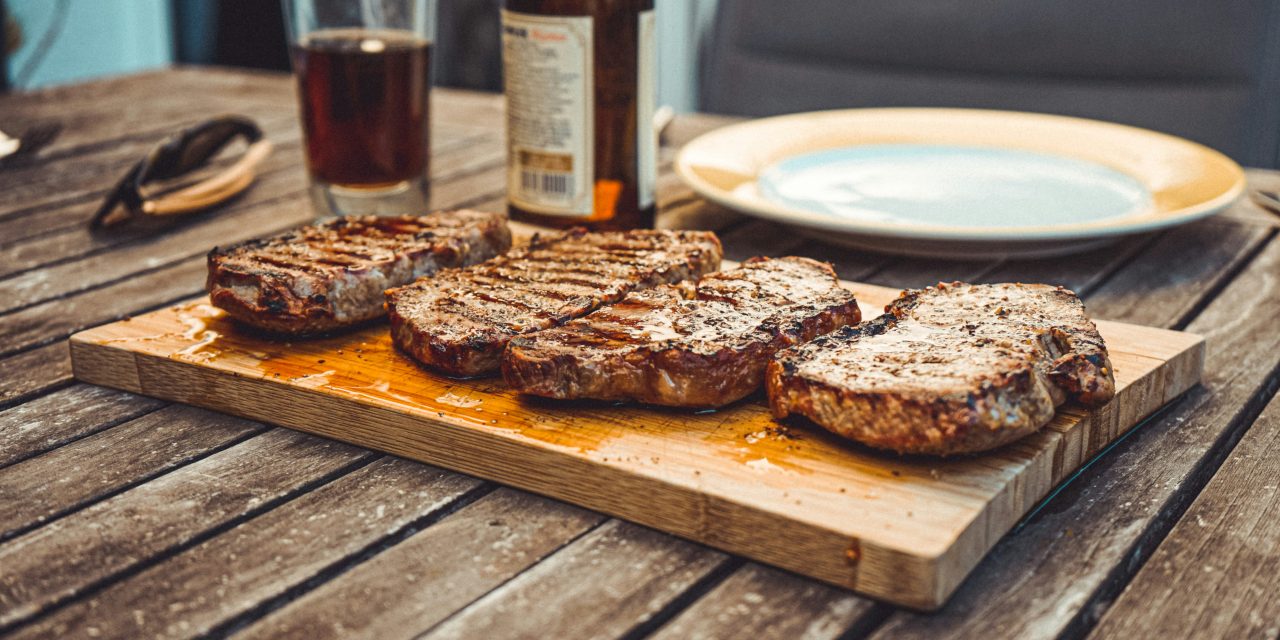
Resting is a crucial step that should not be overlooked when preparing pork chops. After removing them from heat, allow the chops to rest on a cutting board or plate for at least three minutes before slicing or serving. This resting period enables juices that have been driven toward the center during cooking to redistribute throughout the meat.
Failing to rest your pork chops can result in significant juice loss when cutting into them immediately after cooking. By allowing them time to rest, you ensure that each bite remains moist and flavorful, enhancing your overall dining experience.
Enhancing Flavor with Finishing Touches
Once your pork chops are cooked and rested, consider adding finishing touches that can elevate their flavor profile even further. A drizzle of balsamic reduction or a sprinkle of fresh herbs can add brightness and complexity to your dish. For those who enjoy a bit of heat, consider incorporating chili flakes or a spicy glaze.
Additionally, serving pork chops with a compound butter made from softened butter mixed with herbs or spices can provide an indulgent finishing touch that complements the meat beautifully. These enhancements not only improve flavor but also contribute visually appealing elements to your plate.
Pairing Pork Chops with Complementary Sides
The right side dishes can elevate your pork chop meal from ordinary to extraordinary. Classic pairings include roasted vegetables such as Brussels sprouts or carrots, which provide a delightful contrast in texture and flavor. Additionally, creamy mashed potatoes or garlic-infused polenta can serve as comforting accompaniments that balance out the richness of the pork.
For those seeking lighter options, consider serving pork chops alongside a fresh salad featuring seasonal greens and citrus vinaigrette. The acidity from the dressing can cut through the richness of the meat while adding brightness to your plate.
Troubleshooting Common Pan-Seared Pork Chop Mistakes
Even seasoned cooks can encounter challenges when preparing pan-seared pork chops. One common mistake is failing to preheat the pan adequately, resulting in uneven cooking and lackluster searing. Always ensure your pan is hot enough before adding meat.
Another frequent issue is overcooking due to inadequate monitoring of internal temperature. Investing in an instant-read thermometer can help prevent this problem by providing accurate readings throughout the cooking process.
Lastly, neglecting to rest your pork chops can lead to dry meat upon serving. Remember that patience pays off; allowing time for resting ensures juicy results every time.
In summary, mastering the art of preparing juicy pork chops involves careful consideration of various factors—from selecting the right cut and employing effective brining techniques to perfecting seasoning and cooking methods. By following these guidelines and troubleshooting common mistakes, you can create deliciously tender pork chops that will impress family and friends alike.
FAQs
What type of pork chops are best for pan searing?
Bone-in pork chops are generally considered the best for pan searing because they tend to be juicier and more flavorful due to the bone. However, boneless pork chops can also be used if you prefer a leaner cut. Look for chops that are at least 1 inch thick to ensure they stay juicy during cooking.
How do I prepare pork chops before cooking?
Before cooking, it’s important to season the pork chops generously with salt and pepper. You can also marinate them for a few hours or overnight to enhance flavor and tenderness. Allow the chops to come to room temperature for about 30 minutes before cooking to ensure even cooking.
What cooking oil is best for pan searing pork chops?
A high smoke point oil, such as canola oil, vegetable oil, or avocado oil, is best for pan searing pork chops. These oils can withstand the high heat required for searing without burning, allowing for a nice crust to form on the meat.
How long should I cook pork chops on each side?
Cooking time can vary based on the thickness of the pork chops and the heat of your pan. Generally, you should cook pork chops for about 4-5 minutes on the first side until a golden-brown crust forms, then flip and cook for another 3-4 minutes on the other side. Use a meat thermometer to check for doneness; the internal temperature should reach 145°F (63°C).
How can I ensure my pork chops stay juicy?
To keep pork chops juicy, avoid overcooking them. Use a meat thermometer to monitor the internal temperature and remove them from the heat as soon as they reach 145°F (63°C). Let the chops rest for about 5 minutes after cooking; this allows the juices to redistribute throughout the meat, resulting in a more tender and juicy chop.