Selecting the appropriate cut of flank steak is paramount for achieving a delectable meal. Flank steak, derived from the abdominal muscles of the cow, is known for its rich flavor and relatively lean profile. When purchasing flank steak, look for a cut that exhibits a bright red color, indicating freshness, and has a moderate amount of marbling. The marbling, which consists of intramuscular fat, contributes to the tenderness and juiciness of the meat. A well-trimmed flank steak should have minimal external fat, as excessive fat can lead to flare-ups during cooking.
Additionally, consider the thickness of the steak. A cut that is approximately 1 to 1.5 inches thick is ideal for grilling or pan-searing, as it allows for a good sear while maintaining a juicy interior. When possible, opt for grass-fed beef, which tends to have a more robust flavor profile compared to grain-fed counterparts. Understanding these nuances will set the foundation for a successful cooking experience.
If you’re looking to achieve perfectly tender flank steak, you might find it helpful to explore various cooking techniques and tips. For instance, marinating the steak can significantly enhance its tenderness and flavor. Additionally, cooking it to the right temperature and allowing it to rest before slicing are crucial steps. For more culinary inspiration, check out this article on starting your own vegetable garden, which can provide you with fresh ingredients to complement your flank steak dishes: 10 Easy Steps to Start Your Own Small Vegetable Garden Today.
Marinate for Maximum Flavor and Tenderness
Marinating flank steak is an essential step that enhances both flavor and tenderness. A well-crafted marinade typically consists of an acid (such as vinegar or citrus juice), oil, and various seasonings. The acid helps to break down the tough muscle fibers, while the oil adds moisture and richness. Common ingredients include soy sauce, garlic, herbs, and spices, which can be tailored to suit personal preferences.
For optimal results, allow the steak to marinate for at least 2 hours, although overnight marination can yield even better flavor penetration. Ensure that the steak is fully submerged in the marinade and stored in a refrigerator to prevent bacterial growth. The combination of time and temperature will work synergistically to transform the flank steak into a tender and flavorful dish that tantalizes the palate.
Use a Meat Tenderizer or Score the Steak

In addition to marinating, employing a meat tenderizer or scoring the steak can significantly improve its texture. A meat tenderizer, which can be a mallet or a specialized tool with small blades, physically breaks down tough muscle fibers, making the meat more palatable. When using this method, it is crucial to apply gentle pressure to avoid pulverizing the meat.
Alternatively, scoring the surface of the flank steak involves making shallow cuts in a crosshatch pattern. This technique not only aids in tenderization but also allows marinades to penetrate deeper into the meat. Scoring should be done carefully to avoid cutting through to the other side. Both methods are effective in enhancing tenderness and ensuring a more enjoyable dining experience.
Bring the Steak to Room Temperature Before Cooking

Allowing flank steak to reach room temperature before cooking is a critical step that ensures even cooking throughout the cut. When meat is cold from refrigeration, it can lead to uneven cooking, resulting in an overcooked exterior and an undercooked interior. To achieve optimal results, remove the steak from the refrigerator approximately 30 minutes prior to cooking.
During this time, the meat will warm up slightly, allowing for more consistent heat distribution during cooking. This practice not only enhances the overall texture but also contributes to a more flavorful crust when seared at high temperatures. Taking this simple step can elevate your cooking game significantly.
When preparing flank steak, achieving tenderness is key to a delicious meal, and there are several techniques you can employ to ensure your steak is juicy and flavorful. One effective method is marinating the meat for several hours, which helps to break down the tough fibers. Additionally, cooking the steak at high heat for a short period and slicing it against the grain can make a significant difference in texture. For more tips on handling tough cuts of meat, you might find this article on cooking techniques particularly helpful.
Preheat Your Grill or Pan Properly
Proper preheating of your grill or pan is essential for achieving that coveted sear on flank steak. Whether using a gas grill, charcoal grill, or stovetop skillet, ensure that your cooking surface reaches an appropriate temperature before placing the meat on it. For grilling, aim for a temperature of around 450°F to 500°F; this high heat will create a beautiful crust while sealing in juices.
If using a cast-iron skillet or stainless-steel pan, preheat it over medium-high heat until it begins to shimmer. Adding a small amount of oil with a high smoke point—such as canola or avocado oil—will further enhance the searing process. Proper preheating not only improves flavor but also reduces sticking and promotes even cooking.
If you’re looking to achieve perfectly tender flank steak, it’s essential to understand the right cooking techniques and marinating methods. One helpful resource that delves into the intricacies of meat preparation is an article on how to cook flank steak so it is tender. You can find it here: how to cook flank steak so it is tender. By following the tips outlined in this article, you can elevate your cooking skills and impress your guests with a deliciously tender steak.
Cook Over High Heat for a Short Time
Flank steak benefits from high-heat cooking methods due to its lean nature. Cooking over high heat for a short duration allows for quick caramelization of the exterior while preserving moisture within. Depending on thickness and desired doneness, flank steak typically requires about 4-6 minutes per side when grilled or pan-seared.
It is crucial to avoid overcooking flank steak, as it can quickly become tough and chewy. The goal is to achieve a medium-rare doneness (about 130°F to 135°F internal temperature) for optimal tenderness and flavor. Monitoring cooking time closely will ensure that you achieve that perfect balance between sear and juiciness.
Use a Meat Thermometer to Achieve Perfect Doneness
Utilizing a meat thermometer is an invaluable tool in achieving precise doneness when cooking flank steak. Relying solely on visual cues can be misleading; therefore, inserting an instant-read thermometer into the thickest part of the steak provides accurate readings. For medium-rare, aim for an internal temperature of 130°F to 135°F; medium should reach 140°F to 145°F.
Once removed from heat, remember that carryover cooking will continue to raise the internal temperature by about 5°F to 10°F as it rests. This knowledge allows you to pull the steak off the grill or pan just before it reaches your desired doneness, ensuring optimal results every time.
Let the Steak Rest Before Slicing
Resting flank steak after cooking is an essential step that should not be overlooked. Allowing the meat to rest for at least 5-10 minutes enables juices to redistribute throughout the cut, resulting in a more succulent eating experience. If sliced immediately after cooking, juices will escape, leading to dryness.
During this resting period, cover the steak loosely with aluminum foil to retain warmth without steaming it. This simple yet effective technique enhances overall flavor and texture, ensuring that each bite is as juicy as possible.
Slice Against the Grain for Tender Bites
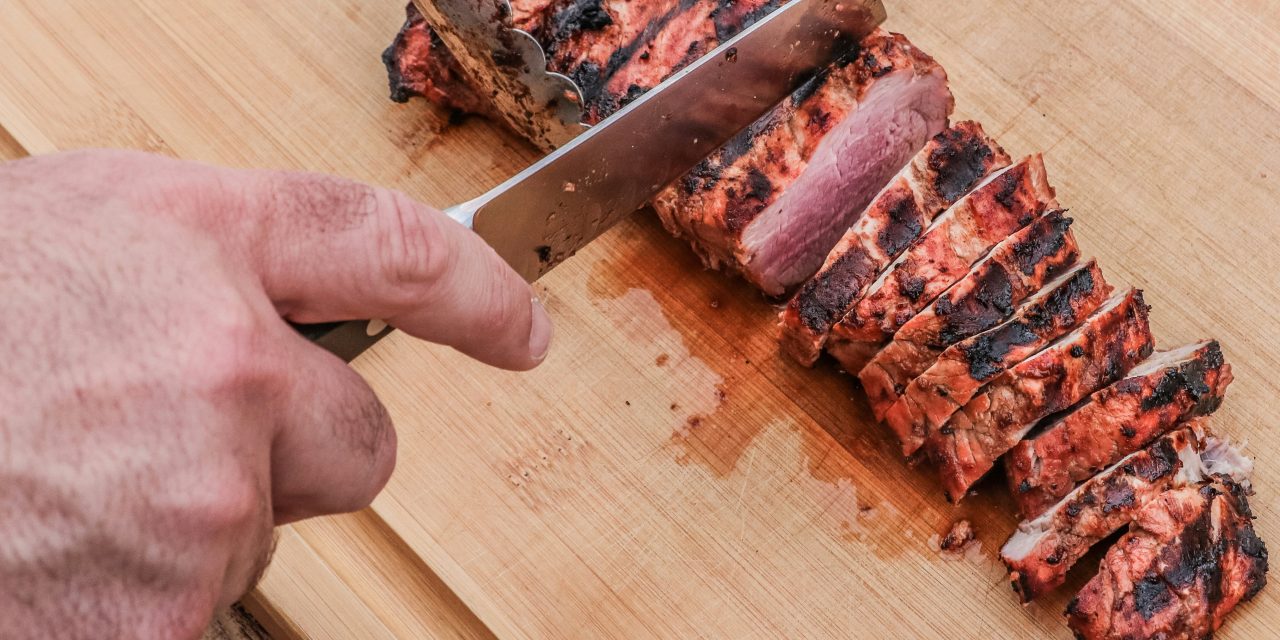
When it comes time to slice your perfectly cooked flank steak, cutting against the grain is crucial for achieving tender bites. The grain refers to the direction in which muscle fibers run; slicing against this direction shortens those fibers, making them easier to chew.
To identify the grain, observe the surface of the meat closely; you will see lines running in one direction. Using a sharp knife, make clean cuts perpendicular to these lines at an angle of about 45 degrees. This technique not only enhances tenderness but also creates visually appealing slices that are perfect for serving.
Experiment with Different Marinade Ingredients
While traditional marinades are effective, experimenting with various ingredients can elevate your flank steak dish to new heights. Consider incorporating unique elements such as fruit juices (pineapple or pomegranate), fermented products (kimchi or miso), or even alcohol (red wine or bourbon) into your marinade.
These ingredients not only impart distinct flavors but also contribute additional tenderizing properties due to their acidity or enzymatic action. Don’t hesitate to explore different combinations of herbs and spices as well; fresh herbs like rosemary or thyme can add aromatic depth that complements the natural flavors of beef beautifully.
Pair Your Flank Steak with Complementary Sides and Sauces
To create a well-rounded meal featuring flank steak, consider pairing it with complementary sides and sauces that enhance its flavor profile. Classic accompaniments include grilled vegetables such as asparagus or bell peppers, which provide vibrant color and texture contrast.
Additionally, sauces like chimichurri—a vibrant blend of parsley, garlic, vinegar, and olive oil—can elevate your dish with fresh herbaceous notes. Alternatively, consider serving flank steak with a rich red wine reduction or a zesty salsa verde for added complexity. These pairings not only enhance flavor but also create an aesthetically pleasing presentation on your plate.
In summary, mastering flank steak involves careful selection of cuts, effective marination techniques, proper cooking methods, and thoughtful presentation. By following these guidelines—from choosing quality meat to experimenting with flavors—you can create an unforgettable dining experience that showcases this versatile cut of beef beautifully.
FAQ Section:
1. **What is flank steak best used for?**
Flank steak is ideal for grilling or pan-searing due to its lean nature and robust flavor profile. It is often used in fajitas, stir-fries, or served sliced in salads.
2. **How long should I marinate flank steak?**
A minimum of 2 hours is recommended for marination; however, overnight marination can yield even better results in terms of flavor and tenderness.
3. **Can I cook flank steak in an oven?**
Yes! Flank steak can be cooked in an oven by broiling it on high heat for about 6-8 minutes per side until it reaches desired doneness.
4. **What are some common marinades for flank steak?**
Popular marinades include soy sauce-based mixtures with garlic and ginger or citrus-based marinades featuring lime juice and cilantro.
5. **How do I know when my flank steak is done?**
Using an instant-read meat thermometer is recommended; aim for an internal temperature of 130°F-135°F for medium-rare doneness.
6. **Can I freeze flank steak?**
Yes! Flank steak can be frozen before or after cooking; ensure it is tightly wrapped in plastic wrap or aluminum foil to prevent freezer burn.
7. **What sides pair well with flank steak?**
Complementary sides include grilled vegetables, roasted potatoes, rice pilaf, or fresh salads featuring vibrant greens and tangy dressings.
8. **Is flank steak tough?**
Flank steak can be tough if not cooked properly; however, using techniques such as marination and slicing against the grain can enhance tenderness significantly.
9. **What sauces go well with flank steak?**
Sauces such as chimichurri, barbecue sauce, red wine reduction, or salsa verde are excellent choices that complement flank steak’s rich flavors.
10. **How should I store leftover flank steak?**
Leftover flank steak should be stored in an airtight container in the refrigerator for up to 3-4 days or frozen for longer preservation.
In conclusion, mastering flank steak involves understanding its unique characteristics and employing effective cooking techniques that enhance its natural flavors while ensuring tenderness. By following these guidelines—from selecting quality cuts to experimenting with marinades—you can create delicious meals that showcase this versatile cut beautifully.
FAQs
What is flank steak?
Flank steak is a cut of beef that comes from the abdominal muscles of the cow. It is known for its rich flavor and is typically lean with a noticeable grain. Due to its toughness, it is best cooked using methods that enhance tenderness, such as marinating or slow cooking.
How can I tenderize flank steak before cooking?
To tenderize flank steak, you can use several methods, including marinating it in acidic ingredients like vinegar, citrus juice, or yogurt for several hours. Additionally, physically tenderizing the meat with a meat mallet or scoring the surface can help break down tough fibers.
What cooking methods are best for flank steak?
The best cooking methods for flank steak include grilling, broiling, or pan-searing. These high-heat methods allow the steak to cook quickly, which helps retain moisture and tenderness. It is also important to let the steak rest after cooking to allow the juices to redistribute.
How do I know when flank steak is done cooking?
The best way to determine if flank steak is done cooking is to use a meat thermometer. For medium-rare, the internal temperature should reach about 130-135°F (54-57°C). Remember that flank steak is best served medium-rare to medium for optimal tenderness.
What is the best way to slice flank steak?
To slice flank steak properly, it is crucial to cut against the grain. This means identifying the direction of the muscle fibers and cutting perpendicular to them. Slicing against the grain helps to shorten the muscle fibers, resulting in a more tender bite.