Cats are renowned for their meticulous grooming habits, often spending a significant portion of their day cleaning themselves. However, this natural behavior does not eliminate the need for human intervention in maintaining their overall hygiene and health. Understanding your cat’s grooming needs is essential for ensuring their well-being. Factors such as breed, coat type, age, and health status play a crucial role in determining the frequency and type of grooming required.
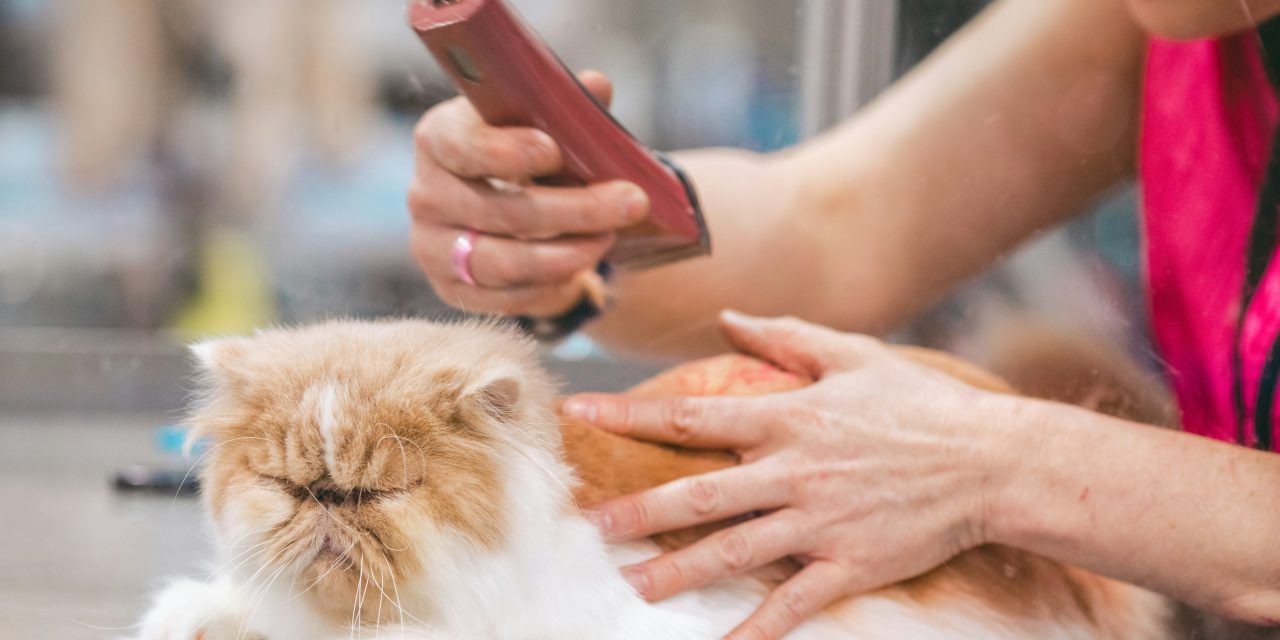
Long-haired breeds, such as Persians and Maine Coons, necessitate more frequent grooming sessions to prevent matting and tangles. Conversely, short-haired breeds may require less attention but still benefit from regular brushing to remove loose fur and dander. Additionally, senior cats or those with certain medical conditions may struggle with self-grooming, making it imperative for owners to step in and assist. Recognizing these individual needs will help you tailor a grooming routine that promotes your cat’s health and comfort.
Choosing the Right Grooming Tools
Selecting appropriate grooming tools is vital for effective cat care. The market offers a plethora of options, each designed to address specific grooming tasks. For instance, slicker brushes are excellent for detangling and removing loose hair from long-haired breeds, while rubber grooming gloves can be beneficial for short-haired cats, providing a gentle massage while collecting loose fur.
Other essential tools include combs, which can help in untangling knots and checking for parasites, and nail clippers designed specifically for feline use to ensure safety during nail trimming. Additionally, ear cleaning solutions and dental care products should be part of your grooming arsenal. Investing in high-quality tools not only enhances the grooming experience but also minimizes discomfort for your feline companion.
Establishing a Regular Brushing Routine

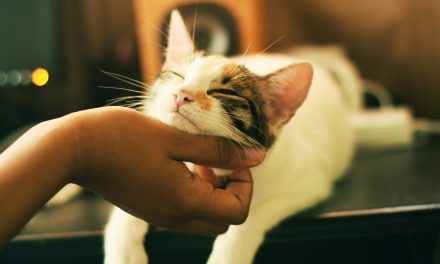
Creating a consistent brushing routine is crucial for maintaining your cat’s coat health and minimizing shedding. Ideally, long-haired cats should be brushed daily to prevent matting and reduce hairballs, while short-haired cats may require brushing once a week. Establishing this routine not only helps keep your cat’s coat in optimal condition but also strengthens the bond between you and your pet.
To make brushing a positive experience, choose a time when your cat is relaxed and calm. Start with short sessions, gradually increasing the duration as your cat becomes accustomed to the process. Use treats or praise to reward your cat during and after grooming sessions, reinforcing positive associations with the activity. Over time, your cat will likely look forward to these bonding moments.
Bathing Your Cat Safely and Effectively

While cats are generally adept at self-cleaning, there are instances when a bath becomes necessary—such as when they get into something particularly dirty or smelly. Bathing a cat can be a daunting task; however, with the right approach, it can be done safely and effectively. Begin by gathering all necessary supplies: a cat-specific shampoo, towels, and a non-slip mat for the bathing area.
Before introducing your cat to water, ensure that the environment is calm and free from distractions. Use lukewarm water and avoid submerging your cat completely; instead, focus on wetting the coat gradually. Apply the shampoo gently, taking care to avoid the eyes and ears. Rinse thoroughly to remove all soap residue, as leftover shampoo can irritate the skin. After bathing, wrap your cat in a towel to dry them off gently. If your cat is particularly anxious about water, consider using dry shampoo alternatives or professional grooming services.
Trimming Your Cat’s Nails Without Stress
Nail trimming is an essential aspect of feline grooming that can often lead to stress for both the owner and the cat. Regular nail maintenance prevents overgrowth and reduces the risk of injury to both your pet and household items. To minimize anxiety during this process, it is crucial to approach nail trimming with patience and care.
Begin by familiarizing your cat with having their paws handled well before attempting to trim their nails. Gradually introduce the clippers by allowing them to sniff and explore the tool. When you feel your cat is comfortable, gently press on their paw pad to extend the claws and trim only the sharp tip of each nail—avoiding the quick, which contains blood vessels and nerves. If your cat becomes agitated, take a break and try again later. Rewarding them with treats or affection after each successful trim can help create a more positive association with nail care.
Cleaning Your Cat’s Ears Properly
Ear hygiene is often overlooked in feline care but is essential for preventing infections and maintaining overall health. Regular ear cleaning helps remove wax buildup, dirt, and debris that can lead to discomfort or infections if left unchecked. To clean your cat’s ears safely, gather supplies such as cotton balls or pads and an appropriate ear cleaning solution recommended by your veterinarian.
Begin by gently examining your cat’s ears for any signs of redness, swelling, or discharge—these could indicate an underlying issue that requires veterinary attention. If everything appears normal, apply a few drops of the cleaning solution into the ear canal while holding your cat’s head steady. Massage the base of the ear gently to distribute the solution before allowing your cat to shake its head—this helps dislodge any debris. Finally, use a cotton ball to wipe away any excess fluid or dirt from the outer ear.
Maintaining Dental Hygiene for Your Cat
Dental health is a critical component of overall feline wellness that is often neglected by pet owners. Periodontal disease is prevalent among cats and can lead to serious health issues if left untreated. Establishing a dental care routine is essential for preventing plaque buildup and maintaining fresh breath.
Brushing your cat’s teeth regularly is one of the most effective ways to promote dental hygiene. Use toothpaste formulated specifically for cats—human toothpaste can be toxic to felines—and introduce the toothbrush gradually to avoid overwhelming your pet. Aim for brushing at least two to three times per week; however, daily brushing is ideal for optimal results. Additionally, consider incorporating dental treats or toys designed to promote oral health into your cat’s routine.
Managing Shedding and Hairballs
Shedding is a natural process for cats; however, excessive shedding can lead to hairballs—an uncomfortable condition that can cause vomiting or digestive issues. Managing shedding effectively involves regular grooming sessions to remove loose fur before it can be ingested during self-grooming.
Incorporating a high-quality diet rich in omega fatty acids can also promote healthy skin and coat while reducing shedding. Additionally, providing plenty of fresh water encourages hydration, which supports overall skin health. If hairballs become a persistent issue despite regular grooming and dietary adjustments, consult your veterinarian for potential solutions such as specialized hairball control diets or supplements.
Checking for Skin Issues and Parasites
Regular grooming sessions provide an excellent opportunity to inspect your cat’s skin for any abnormalities or signs of parasites such as fleas or ticks. Look for redness, swelling, or unusual lumps that may indicate skin infections or allergies. Early detection of these issues is crucial for effective treatment.
If you notice any signs of parasites during grooming, consult your veterinarian immediately for appropriate treatment options. Preventative measures such as topical flea treatments or oral medications can help protect your cat from infestations. Additionally, maintaining a clean living environment by regularly vacuuming and washing bedding can further reduce the risk of parasite exposure.
Creating a Calm Environment for Grooming Sessions
A serene atmosphere is essential for successful grooming sessions with your feline companion. Cats are sensitive creatures that can easily become stressed in chaotic environments; therefore, creating a calm space will facilitate a more positive experience for both you and your pet.
Choose a quiet area free from distractions where you can comfortably groom your cat without interruptions. Consider using calming pheromone diffusers or sprays designed specifically for felines to help ease anxiety during grooming sessions. Additionally, playing soft music or using gentle voices can further promote relaxation.
When to Seek Professional Grooming Help
While many grooming tasks can be performed at home, there are instances when seeking professional assistance becomes necessary—especially for cats with specific grooming needs or behavioral challenges. Professional groomers possess specialized training and tools that enable them to handle even the most anxious cats effectively.
If you find that your cat becomes overly stressed during grooming sessions or if they have severe matting that you cannot manage at home, consider consulting a professional groomer experienced in feline care. Additionally, if you notice any persistent skin issues or dental problems that require expert attention, do not hesitate to seek veterinary advice.
In summary, understanding your cat’s grooming needs is paramount for their overall health and well-being. By choosing appropriate tools, establishing routines, and maintaining proper hygiene practices—including ear cleaning and dental care—you can ensure that your feline friend remains happy and healthy throughout their life. Regularly monitoring for skin issues and managing shedding will further enhance their quality of life while creating a calm environment will make grooming sessions more enjoyable for both you and your pet. When in doubt or faced with challenges beyond your expertise, do not hesitate to seek professional help to ensure that your beloved companion receives the best possible care.
FAQs
What are the basic grooming needs for cats?
Basic grooming needs for cats include regular brushing to remove loose fur and prevent matting, nail trimming to keep claws at a manageable length, and occasional baths if the cat gets particularly dirty. Additionally, dental care and ear cleaning are important aspects of grooming to maintain overall health.
How often should I groom my cat?
The frequency of grooming depends on the cat’s breed and coat type. Long-haired cats typically require grooming several times a week, while short-haired cats may only need grooming once a week. Cats that shed heavily may need more frequent brushing during shedding seasons.
What tools are recommended for cat grooming?
Recommended grooming tools for cats include a slicker brush for detangling and removing loose fur, a comb for finer grooming, nail clippers or a nail grinder for trimming claws, and a soft cloth for cleaning the ears. Additionally, cat-specific shampoos can be used for baths.
Can I groom my cat at home, or should I take them to a professional?
You can groom your cat at home, especially for basic grooming tasks like brushing and nail trimming. However, if your cat has a particularly thick coat, is prone to matting, or if you are unsure about grooming techniques, it may be beneficial to take them to a professional groomer.
What should I do if my cat resists grooming?
If your cat resists grooming, try to make the experience more positive by using treats and praise to reward them. Start with short grooming sessions and gradually increase the duration as your cat becomes more comfortable. If your cat continues to resist, consider consulting a veterinarian or professional groomer for advice.