Paw care is an essential aspect of feline health that often goes overlooked by pet owners. The paws of a cat are not merely appendages for mobility; they serve as critical tools for hunting, climbing, and exploring their environment. Each paw consists of several components, including the claws, pads, and fur, all of which require regular attention to ensure optimal health. Neglecting paw care can lead to a myriad of issues, including infections, injuries, and chronic pain, which can significantly affect a cat’s quality of life.
Moreover, a cat’s paws are sensitive and can be affected by various environmental factors. For instance, exposure to rough surfaces or extreme temperatures can lead to abrasions or frostbite. Regular paw maintenance not only helps in preventing these conditions but also enhances the overall well-being of your feline companion. By understanding the importance of paw care, pet owners can take proactive measures to ensure their cats remain healthy and active.
Regular Paw Inspections: What to Look For
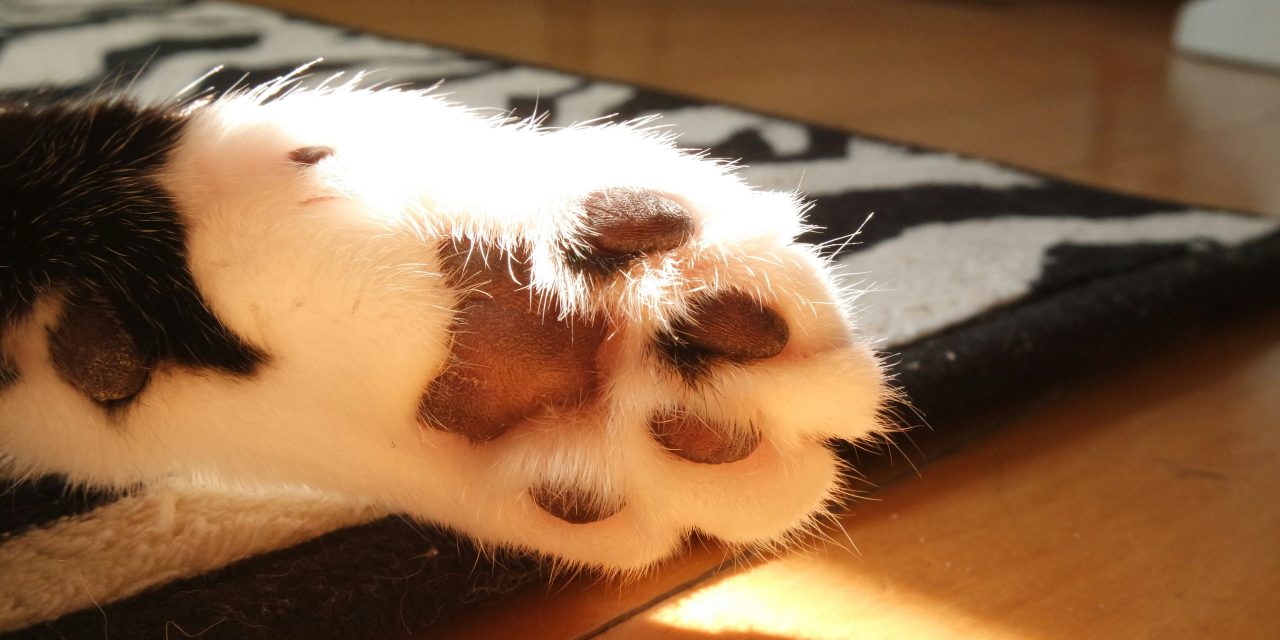
Conducting regular inspections of your cat’s paws is crucial for early detection of potential problems. During these examinations, pet owners should look for signs of injury, such as cuts, abrasions, or swelling. Additionally, it is important to check the claws for any signs of overgrowth or splitting, which can lead to discomfort or pain. The paw pads should also be examined for any foreign objects lodged between them, such as thorns or small stones.
Another critical aspect to consider during inspections is the presence of any unusual odors or discharge, which may indicate an infection. Changes in the color or texture of the paw pads can also signal underlying health issues. By being vigilant and proactive in inspecting your cat’s paws, you can catch potential problems early and seek appropriate treatment before they escalate into more serious conditions.
How to Safely Trim Your Cat’s Claws

Trimming your cat’s claws is an essential part of paw care that helps prevent overgrowth and associated complications. To safely trim your cat’s claws, it is advisable to use specialized cat nail clippers designed for this purpose. Begin by familiarizing your cat with the clippers; allow them to sniff and explore the tool before attempting to trim their claws. This will help reduce anxiety and make the process smoother.
When ready to trim, gently hold your cat’s paw and press on the pad to extend the claw. It is crucial to avoid cutting into the quick—the pink area within the claw that contains blood vessels and nerves—as this can cause pain and bleeding. Instead, focus on trimming just the sharp tip of the claw. If your cat becomes agitated during the process, take breaks and offer treats as positive reinforcement. Regular claw trimming not only promotes paw health but also protects your furniture and skin from accidental scratches.
Keeping Your Cat’s Paw Pads Clean and Healthy

Maintaining clean and healthy paw pads is vital for preventing infections and ensuring overall paw health. Regular cleaning can help remove dirt, debris, and allergens that may accumulate on your cat’s paws. To clean your cat’s paw pads, use a damp cloth or pet-safe wipes specifically designed for this purpose. Gently wipe each pad, paying close attention to the areas between the toes where dirt can easily accumulate.
In addition to cleaning, it is essential to monitor your cat’s paw pads for any signs of irritation or cracking. Dry or cracked pads can be painful and may lead to further complications if left untreated. Applying a veterinarian-recommended paw balm can help moisturize and protect the pads from harsh environmental factors. Regular cleaning and moisturizing will contribute significantly to your cat’s overall paw health.
Identifying and Treating Paw Injuries
Paw injuries in cats can occur due to various reasons, including cuts from sharp objects, burns from hot surfaces, or sprains from jumping or landing awkwardly. Identifying these injuries promptly is crucial for effective treatment. Signs of injury may include limping, excessive licking of the affected paw, or visible wounds.
If you suspect your cat has sustained a paw injury, it is essential to assess the severity of the damage. Minor cuts can often be treated at home by cleaning the wound with saline solution and applying an antiseptic ointment recommended by a veterinarian. However, more severe injuries may require professional veterinary care. In such cases, a veterinarian may need to perform a thorough examination and possibly prescribe antibiotics or pain relief medications to facilitate healing.
Protecting Your Cat’s Paws from Harsh Weather
Extreme weather conditions can pose significant risks to your cat’s paws. In winter months, snow and ice can lead to frostbite, while hot pavement in summer can cause burns on sensitive paw pads. To protect your cat’s paws from harsh weather conditions, consider using protective booties designed specifically for cats. These booties provide insulation against cold surfaces and protection from hot pavement.
Additionally, during winter months, it is advisable to wipe your cat’s paws after they come indoors to remove any salt or chemicals used for de-icing sidewalks. These substances can be harmful if ingested when your cat grooms itself. In summer, try to limit outdoor walks during peak heat hours and provide shaded areas for your cat to rest when outside.
Choosing the Right Surfaces for Your Cat to Walk On
The surfaces on which your cat walks play a significant role in their paw health. Cats thrive on varied textures that mimic their natural environment; however, certain surfaces can be detrimental to their paws. For instance, rough concrete or gravel can cause abrasions, while overly soft surfaces may not provide adequate traction.
To promote healthy paw development, provide a mix of surfaces for your cat to explore at home. Soft carpets or rugs can offer comfort while allowing for natural scratching behavior. Additionally, consider incorporating scratching posts made from different materials such as sisal or cardboard to encourage healthy claw maintenance without damaging furniture.
Preventing and Managing Paw Infections
Paw infections in cats can arise from various sources, including cuts, foreign bodies lodged in the paw pads, or underlying health conditions such as diabetes that compromise immune function. Preventing infections begins with regular inspections and prompt treatment of any injuries or irritations.
If an infection does occur, it is crucial to seek veterinary care immediately. Treatment may involve cleaning the infected area thoroughly and prescribing antibiotics if necessary. In some cases, a veterinarian may recommend topical treatments or medicated ointments to aid in healing. Additionally, keeping your cat’s environment clean and free from potential hazards will significantly reduce the risk of infections.
The Role of Diet in Maintaining Healthy Paws
A well-balanced diet plays a pivotal role in maintaining overall health in cats, including their paw health. Nutritional deficiencies can lead to weakened immune systems and poor skin condition, making cats more susceptible to infections and injuries. Essential fatty acids found in fish oil are particularly beneficial for skin health and can help maintain supple paw pads.
Incorporating high-quality protein sources into your cat’s diet will also support muscle strength and overall vitality. Consult with a veterinarian about dietary supplements that may enhance skin and coat health if you notice any issues with your cat’s paws or skin condition.
When to Seek Veterinary Care for Paw Problems
While regular inspections and at-home care are essential components of paw maintenance, there are times when veterinary intervention is necessary. If you notice persistent limping, swelling that does not subside within a few days, or any signs of infection such as discharge or foul odor emanating from the paws, it is crucial to seek professional help.
Additionally, if you observe behavioral changes such as excessive licking or biting at the paws, this could indicate underlying pain or discomfort that requires veterinary evaluation. Early intervention can prevent more severe complications and ensure that your feline companion receives appropriate treatment.
Tips for Making Paw Care a Stress-Free Routine
Establishing a routine for paw care can significantly reduce stress for both you and your cat. Start by creating a calm environment during inspections and grooming sessions; consider using treats as positive reinforcement throughout the process. Gradually introduce your cat to nail trimming by allowing them to become accustomed to the clippers over time.
Incorporating paw care into regular playtime can also make it more enjoyable for your cat. Use interactive toys that encourage movement while allowing you to inspect their paws without causing anxiety. Consistency is key; regular routines will help your cat associate paw care with positive experiences rather than stress.
In summary, proper paw care is vital for maintaining feline health and preventing complications related to injuries or infections. Regular inspections, safe claw trimming practices, cleanliness of paw pads, protection from harsh weather conditions, appropriate surfaces for walking, dietary considerations, and timely veterinary care all contribute significantly to ensuring optimal paw health in cats. By establishing a stress-free routine around paw care practices, pet owners can foster a healthier lifestyle for their feline companions while strengthening their bond through shared experiences.
FAQs
Why is paw care important for cats?
Paw care is essential for cats as their paws are crucial for mobility, balance, and overall health. Regular maintenance helps prevent issues such as infections, injuries, and discomfort, ensuring that your cat can walk, run, and play without pain.
How often should I check my cat’s paws?
It is recommended to check your cat’s paws at least once a week. Regular inspections can help you identify any signs of injury, foreign objects, or infections early, allowing for prompt treatment and care.
What are common paw problems in cats?
Common paw problems in cats include cracked pads, ingrown claws, infections, and foreign objects lodged between the toes. Additionally, some cats may suffer from allergies that can cause irritation or inflammation in their paws.
How can I keep my cat’s paws clean?
To keep your cat’s paws clean, regularly wipe them with a damp cloth after they come indoors, especially if they have been outside. You can also gently wash their paws with mild soap and water if they are particularly dirty, ensuring to dry them thoroughly afterward.
Should I trim my cat’s claws, and how often?
Yes, trimming your cat’s claws is important to prevent overgrowth and potential injury. Depending on your cat’s activity level and lifestyle, claws should typically be trimmed every 2-4 weeks. Regular trimming helps maintain their paw health and prevents damage to furniture and skin.