A comprehensive understanding of your dog’s nutritional requirements is paramount for ensuring optimal health and longevity. Dogs, like humans, require a balanced diet that includes proteins, carbohydrates, fats, vitamins, and minerals. The specific needs can vary significantly based on factors such as age, breed, size, and activity level. For instance, puppies require higher protein levels to support their rapid growth and development, while senior dogs may benefit from diets lower in calories but enriched with fiber to aid digestion.
When selecting dog food, it is crucial to choose high-quality products that meet the standards set by the Association of American Feed Control Officials (AAFCO). Look for foods that list meat as the primary ingredient and avoid those with excessive fillers or artificial additives. Additionally, consulting with a veterinarian can provide tailored dietary recommendations that cater to your dog’s unique health conditions or dietary restrictions.
Establishing a Regular Exercise Routine
Regular physical activity is essential for maintaining your dog’s physical and mental well-being. Exercise not only helps to manage weight but also reduces the risk of chronic diseases such as obesity, diabetes, and cardiovascular issues. A well-structured exercise routine should include a mix of aerobic activities, such as walking or running, and strength-building exercises like agility training or fetch.
The amount of exercise required varies by breed and age. For example, high-energy breeds such as Border Collies or Labrador Retrievers may need at least 60 minutes of vigorous activity daily, while smaller or less active breeds may require less. Engaging in interactive playtime can also enhance the bond between you and your dog while providing necessary stimulation.
Maintaining Proper Grooming and Hygiene

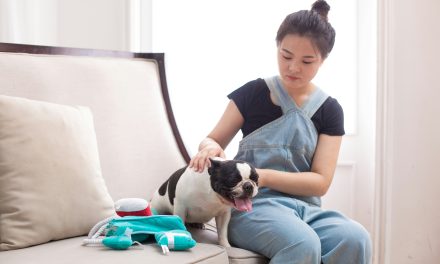
Proper grooming is not merely a cosmetic concern; it plays a vital role in your dog’s overall health. Regular grooming helps to prevent matting, reduces shedding, and allows for early detection of skin issues or parasites. Depending on the breed, grooming needs can vary widely; long-haired breeds may require daily brushing, while short-haired breeds might only need weekly attention.
Bathing should be done judiciously to avoid stripping natural oils from the skin. It is generally recommended to bathe dogs every 4-6 weeks unless they become particularly dirty or smelly. Additionally, dental hygiene is crucial; regular brushing and dental chews can prevent periodontal disease, which affects a significant percentage of dogs as they age.
Scheduling Routine Veterinary Check-ups

Routine veterinary check-ups are essential for maintaining your dog’s health and catching potential issues early. Annual examinations allow veterinarians to assess your dog’s overall condition, update vaccinations, and perform necessary screenings for common ailments such as heartworm or Lyme disease. Senior dogs may require more frequent visits to monitor age-related health concerns.
During these check-ups, veterinarians can also provide guidance on nutrition, exercise, and preventive care tailored to your dog’s specific needs. Early detection of health issues often leads to more effective treatment options and better outcomes.
Providing Mental Stimulation and Enrichment
Mental stimulation is just as important as physical exercise for your dog’s well-being. Engaging activities can prevent boredom and reduce behavioral problems such as excessive barking or destructive chewing. Puzzle toys, interactive games, and training sessions can provide mental challenges that keep your dog engaged.
Incorporating scent work or obedience training into your routine can also enhance cognitive function. Activities that encourage problem-solving skills not only stimulate the mind but also strengthen the bond between you and your pet. Regularly changing up activities can keep things fresh and exciting for your dog.
Ensuring Safe and Comfortable Living Spaces
Creating a safe and comfortable living environment is crucial for your dog’s well-being. This includes providing a designated sleeping area that is clean, quiet, and free from drafts. Ensure that your home is free from hazards such as toxic plants, chemicals, or small objects that could be ingested.
Outdoor spaces should be securely fenced to prevent escapes and protect against potential dangers from wildlife or traffic. Additionally, providing shade and fresh water during hot weather is essential for preventing heat-related illnesses.
Training and Socializing Your Dog Effectively
Effective training and socialization are fundamental components of responsible pet ownership. Early socialization helps dogs develop confidence and reduces the likelihood of behavioral issues later in life. Exposing your dog to various environments, people, and other animals can foster positive interactions and adaptability.
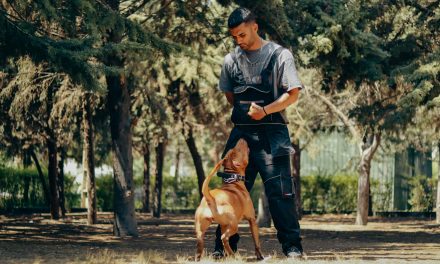
Training should be consistent and based on positive reinforcement techniques. Rewarding desired behaviors with treats or praise encourages learning while strengthening the bond between you and your dog. Consider enrolling in obedience classes or working with a professional trainer to enhance skills and address specific behavioral concerns.
Monitoring and Managing Your Dog’s Weight
Weight management is critical for preventing obesity-related health issues in dogs. Regularly monitoring your dog’s weight can help identify any fluctuations that may indicate underlying health problems or dietary imbalances. A healthy weight varies by breed; consult with your veterinarian to determine the ideal weight range for your dog.
Implementing portion control in feeding practices and ensuring regular exercise are key strategies for maintaining a healthy weight. If weight loss is necessary, gradual changes in diet and increased physical activity are recommended to avoid stress on the body.
Recognizing Signs of Illness Early
Being vigilant about recognizing signs of illness in your dog can lead to early intervention and better health outcomes. Common indicators of health issues include changes in appetite, lethargy, vomiting, diarrhea, excessive thirst or urination, and unusual behavior. Regularly observing your dog’s habits can help you identify any deviations from their norm.
If you notice any concerning symptoms, it is essential to consult with a veterinarian promptly. Early diagnosis often leads to more effective treatment options and can significantly improve your dog’s quality of life.
Using Quality and Appropriate Pet Products
Investing in high-quality pet products is vital for ensuring your dog’s safety and comfort. This includes selecting appropriate food that meets nutritional standards, durable toys that withstand chewing, and comfortable bedding that supports restful sleep. Additionally, collars and leashes should be well-fitted to prevent escape while ensuring comfort during walks.
When choosing grooming products such as shampoos or dental care items, opt for those specifically formulated for dogs to avoid skin irritation or adverse reactions. Researching brands and reading reviews can help you make informed decisions about the products you use for your pet.
Building a Strong Bond Through Consistent Care
Building a strong bond with your dog requires consistent care, attention, and affection. Spending quality time together through playtime, training sessions, or simply relaxing can enhance your relationship significantly. Dogs thrive on routine; establishing consistent feeding times, exercise schedules, and grooming practices fosters trust and security.
Positive interactions reinforce the bond between you and your pet while promoting emotional well-being. Engaging in activities that both you and your dog enjoy can create lasting memories and deepen your connection over time.
In summary, ensuring the health and happiness of your dog involves a multifaceted approach that encompasses proper nutrition, regular exercise, grooming, veterinary care, mental stimulation, safety measures, effective training, weight management, early illness recognition, quality products, and consistent care. By prioritizing these aspects of pet ownership, you can foster a fulfilling relationship with your canine companion that promotes their overall well-being throughout their life.
FAQs
What services does Woof Pet Care offer?
Woof Pet Care provides a variety of services including dog walking, pet sitting, grooming, and training. They cater to the specific needs of pets and their owners, ensuring a comprehensive approach to pet care.
Is Woof Pet Care insured and bonded?
Yes, Woof Pet Care is fully insured and bonded, which provides peace of mind for pet owners. This coverage protects both the pets and the caregivers during services.
How can I book a service with Woof Pet Care?
Booking a service with Woof Pet Care can be done through their website or by contacting them directly via phone. They typically offer an easy-to-use online booking system for convenience.
What types of pets does Woof Pet Care cater to?
While Woof Pet Care primarily focuses on dogs, they also provide services for other pets such as cats and small animals. Their team is trained to handle various types of pets and their unique needs.
Are the caregivers at Woof Pet Care trained and experienced?
Yes, all caregivers at Woof Pet Care are trained and have experience in handling pets. They undergo background checks and training to ensure they provide the highest level of care for your pets.