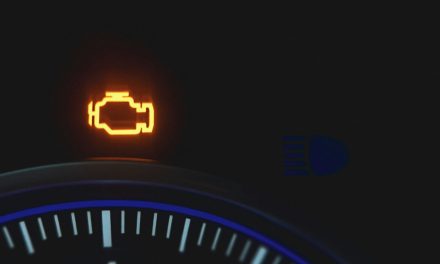
The check engine light (CEL) is an essential component of modern automotive diagnostics, serving as a warning system that alerts drivers to potential issues within the vehicle’s engine or emissions system. When illuminated, this light can either remain steady or flash, with each signal indicating different levels of urgency. A flashing check engine light is particularly concerning, as it typically signifies a severe problem that requires immediate attention. Ignoring this warning can lead to significant engine damage, decreased performance, and costly repairs.
The onboard diagnostics system (OBD-II) monitors various engine parameters and emissions controls. When it detects a malfunction, it triggers the check engine light to alert the driver. A flashing light often indicates an engine misfire, which can lead to unburned fuel entering the exhaust system, potentially damaging the catalytic converter. Understanding the implications of a flashing check engine light is crucial for maintaining vehicle health and ensuring safety on the road.
If you’re concerned about the implications of a flashing check engine light, it’s essential to understand the potential issues it may indicate. For further insights into how to care for your vehicle and ensure it runs smoothly, you might find it helpful to read a related article on plant care, which, while not directly related, emphasizes the importance of addressing problems promptly. You can check out this article on how to fix brown leaves on your Monstera plant for some useful tips: 7 Reasons Why Your Monstera Leaves Are Turning Brown and How to Fix It.
Reason 1: Engine Misfire – The Most Common Cause
Engine misfires are one of the most prevalent reasons for a flashing check engine light. A misfire occurs when one or more cylinders fail to ignite the air-fuel mixture properly, leading to a loss of power and increased emissions. This condition can stem from various factors, including faulty spark plugs, ignition coils, or fuel delivery issues. The severity of an engine misfire can vary; in some cases, it may result in a rough idle or decreased acceleration, while in others, it can cause significant engine damage if left unaddressed.
When diagnosing an engine misfire, mechanics often utilize diagnostic tools to read trouble codes stored in the vehicle’s computer system. Common codes associated with misfires include P0300 (random/multiple cylinder misfire detected) and P0301-P0308 (specific cylinder misfire codes). Addressing this issue promptly is vital to prevent further complications, such as damage to the catalytic converter or increased fuel consumption.
Reason 2: Faulty Spark Plugs or Wires

Faulty spark plugs or ignition wires are frequent culprits behind engine misfires and, consequently, a flashing check engine light. Spark plugs play a critical role in igniting the air-fuel mixture within the combustion chamber. Over time, they can wear out due to carbon buildup, erosion, or overheating. Similarly, ignition wires can deteriorate due to exposure to heat and moisture, leading to poor electrical conductivity.
Replacing worn spark plugs and damaged ignition wires is a relatively straightforward and cost-effective maintenance task that can significantly improve engine performance. Mechanics recommend inspecting these components regularly and replacing them according to the manufacturer’s recommended service intervals. By ensuring optimal ignition performance, drivers can enhance fuel efficiency and reduce harmful emissions.
Reason 3: Issues with the Catalytic Converter

The catalytic converter is an essential component of the vehicle’s exhaust system, responsible for converting harmful gases into less toxic emissions before they exit the tailpipe. A malfunctioning catalytic converter can trigger a flashing check engine light due to its impact on engine performance and emissions control. Common symptoms of catalytic converter issues include decreased acceleration, unusual exhaust odors, and poor fuel economy.
Several factors can contribute to catalytic converter failure, including prolonged engine misfires, oil leaks, or contamination from unburned fuel. If a catalytic converter becomes clogged or damaged, it may require replacement, which can be a costly repair. Regular maintenance and addressing any underlying issues promptly can help prolong the life of this critical component.
If you’ve ever experienced a flashing check engine light, you might be wondering what it signifies and how urgent the situation is. Understanding the implications of this warning can help you avoid potential damage to your vehicle. For more insights on maintaining your car and ensuring its longevity, you might find this article on washing dog collars and harnesses surprisingly relevant, as it emphasizes the importance of proper care for your belongings, much like how regular vehicle maintenance can prevent larger issues down the road.
Reason 4: Malfunctioning Oxygen Sensors
Oxygen sensors play a vital role in monitoring the air-fuel mixture entering the engine and ensuring optimal combustion efficiency. A malfunctioning oxygen sensor can lead to incorrect readings, causing the engine control unit (ECU) to adjust fuel delivery improperly. This imbalance can result in poor fuel economy, increased emissions, and potential engine damage.
When an oxygen sensor fails, it often triggers a flashing check engine light as part of the vehicle’s diagnostic protocol. Drivers experiencing symptoms such as rough idling or decreased fuel efficiency should consider having their oxygen sensors inspected and replaced if necessary. Regular maintenance of these sensors can help maintain optimal engine performance and reduce harmful emissions.
Reason 5: Problems with the Mass Airflow Sensor
The mass airflow (MAF) sensor measures the amount of air entering the engine and plays a crucial role in determining the appropriate fuel-to-air ratio for combustion. A malfunctioning MAF sensor can lead to incorrect fuel delivery, resulting in poor engine performance and increased emissions. Symptoms of MAF sensor issues may include rough idling, stalling, or decreased acceleration.
When diagnosing MAF sensor problems, mechanics often use diagnostic tools to read trouble codes associated with this component. Common codes include P0100 (mass airflow circuit malfunction) and P0101 (mass airflow circuit range/performance problem). Cleaning or replacing a faulty MAF sensor can restore proper air-fuel mixture balance and improve overall engine efficiency.
Reason 6: Loose or Damaged Gas Cap
A loose or damaged gas cap may seem like a minor issue; however, it can trigger a flashing check engine light due to its impact on the vehicle’s evaporative emissions control system (EVAP). The gas cap is designed to seal the fuel tank and prevent fuel vapors from escaping into the atmosphere. If it is not securely fastened or has sustained damage, it can lead to increased emissions and trigger diagnostic trouble codes.
Drivers should regularly inspect their gas caps for signs of wear or damage and ensure they are tightened properly after refueling. Replacing a faulty gas cap is a simple and cost-effective solution that can prevent unnecessary trips to the mechanic while ensuring compliance with emissions regulations.
Reason 7: Ignition Coil Failure
Ignition coils are responsible for converting battery voltage into high-voltage electricity needed to ignite the air-fuel mixture in the combustion chamber. A failing ignition coil can lead to engine misfires, reduced power output, and increased emissions—often resulting in a flashing check engine light. Symptoms of ignition coil failure may include rough idling, difficulty starting the vehicle, or poor acceleration.
Diagnosing ignition coil issues typically involves inspecting each coil for signs of wear or damage and testing their electrical output. Replacing faulty ignition coils is essential for restoring optimal engine performance and preventing further complications related to misfires or emissions control.
Reason 8: Vacuum Leak in the Engine
Vacuum leaks occur when there is an unintended gap in the intake manifold or vacuum hoses that allows excess air to enter the engine without being measured by the MAF sensor. This imbalance can lead to poor combustion efficiency and trigger a flashing check engine light. Symptoms of a vacuum leak may include rough idling, hissing noises from the engine bay, or fluctuating RPMs.
Identifying vacuum leaks often requires thorough inspection of hoses and connections for signs of wear or damage. Mechanics may also use smoke testing techniques to pinpoint leaks effectively. Addressing vacuum leaks promptly is crucial for maintaining optimal engine performance and preventing further complications.
Reason 9: Transmission Problems Affecting Engine Performance
Transmission issues can indirectly affect engine performance and trigger a flashing check engine light. Problems such as slipping gears or delayed shifting can lead to increased strain on the engine, resulting in misfires or other performance-related issues. Symptoms of transmission problems may include unusual noises during gear changes or difficulty accelerating.
Diagnosing transmission-related issues often requires specialized equipment and expertise. Mechanics may perform fluid checks, inspect transmission components, and run diagnostic tests to identify underlying problems. Addressing transmission issues promptly is essential for preventing further complications that could impact overall vehicle performance.
Reason 10: Overheating or Other Critical Engine Conditions
Overheating is one of the most critical conditions that can trigger a flashing check engine light. Excessive heat can cause severe damage to various engine components, including gaskets, pistons, and cylinder heads. Symptoms of overheating may include steam rising from under the hood, fluctuating temperature gauges, or unusual smells.
When faced with overheating issues, drivers should take immediate action by pulling over safely and allowing the engine to cool down before investigating further. Regular maintenance of cooling system components—such as radiators, water pumps, and thermostats—can help prevent overheating incidents and ensure optimal engine performance.
What to Do When Your Check Engine Light Is Flashing: Immediate Steps and Repairs
When confronted with a flashing check engine light, drivers should take immediate action to prevent potential damage to their vehicles. The first step is to safely pull over and turn off the engine to avoid exacerbating any existing issues. Once parked safely, drivers should consult their vehicle’s owner manual for specific guidance related to their make and model.
Next, it is advisable to connect an OBD-II scanner to retrieve diagnostic trouble codes that provide insight into the underlying problem triggering the warning light. Based on these codes, drivers can determine whether they need professional assistance or if they can address minor issues themselves—such as tightening a loose gas cap or replacing spark plugs.
In cases where serious problems are suspected—such as overheating or persistent misfires—seeking immediate professional assistance is crucial for preventing further damage and ensuring safe operation of the vehicle.
In summary, understanding the implications of a flashing check engine light is vital for maintaining vehicle health and safety on the road. Various factors contribute to this warning signal—from common issues like engine misfires and faulty spark plugs to more complex problems involving transmission performance or overheating conditions. Prompt diagnosis and repair are essential for preventing costly damage while ensuring optimal vehicle performance over time. Regular maintenance practices can significantly reduce the likelihood of encountering these issues in the first place.
FAQs
What does a flashing check engine light indicate?
A flashing check engine light typically indicates a serious issue with the vehicle’s engine or emissions system. It often signifies that the engine is misfiring, which can lead to increased emissions and potential damage to the catalytic converter if not addressed promptly.
Should I continue driving if my check engine light is flashing?
No, it is not advisable to continue driving if your check engine light is flashing. This could lead to further damage to your vehicle and may result in costly repairs. It is best to pull over safely and seek assistance or have the vehicle towed to a mechanic.
What are some common causes of a flashing check engine light?
Common causes of a flashing check engine light include engine misfires, faulty spark plugs, issues with the fuel system, or problems with the ignition system. Other potential causes can include a malfunctioning oxygen sensor or issues with the catalytic converter.
How can I diagnose the issue behind a flashing check engine light?
To diagnose the issue, you can use an OBD-II scanner to read the trouble codes stored in the vehicle’s computer. These codes can provide insight into what is causing the check engine light to flash. It is often recommended to consult a professional mechanic for a thorough diagnosis and repair.
What should I do after the check engine light stops flashing?
If the check engine light stops flashing, it is still important to have your vehicle checked by a mechanic as soon as possible. While the immediate issue may have resolved, there could still be underlying problems that need to be addressed to prevent future issues.