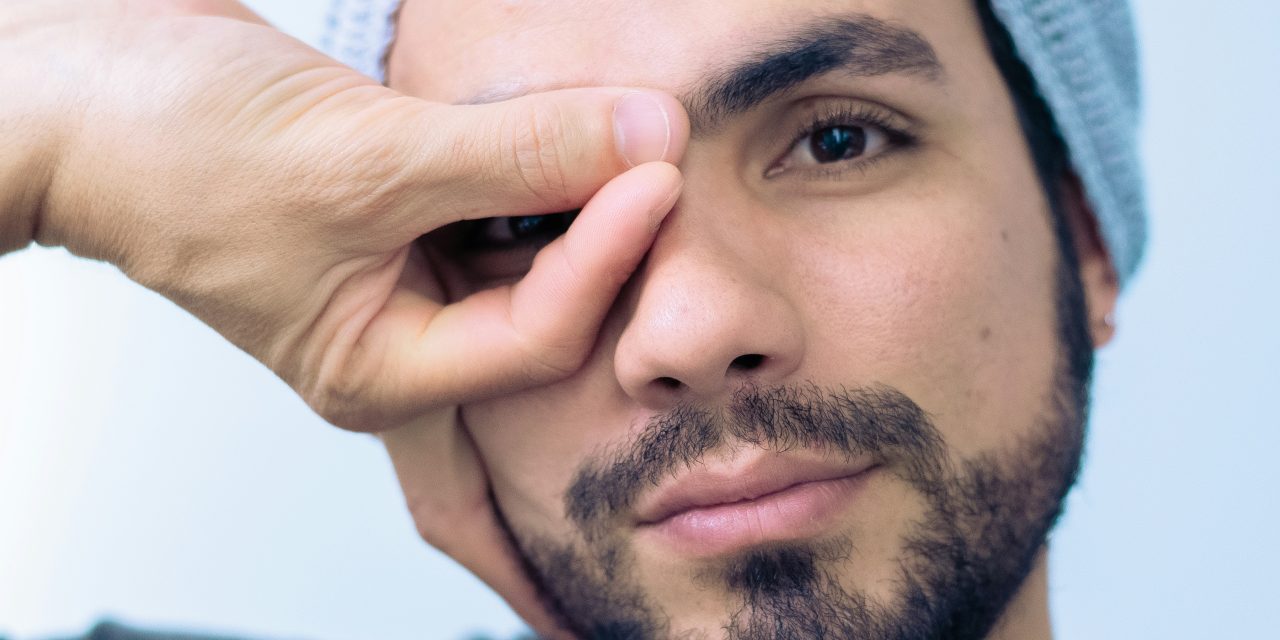
Blackheads, medically referred to as open comedones, are a common form of acne that primarily affects the facial area, particularly the nose. They occur when hair follicles become clogged with excess sebum, dead skin cells, and other impurities. The characteristic dark appearance of blackheads is due to the oxidation of melanin in the clogged pore when exposed to air. This process creates a darkened surface, distinguishing blackheads from their closed counterparts, known as whiteheads.
Several factors contribute to the formation of blackheads. Hormonal fluctuations, particularly during puberty, menstruation, or pregnancy, can lead to increased oil production in the sebaceous glands. Additionally, genetic predisposition plays a significant role; individuals with a family history of acne are more likely to experience blackheads. Environmental factors such as pollution, humidity, and the use of comedogenic skincare products can exacerbate the condition, leading to persistent blackhead formation.
If you’re looking for effective and safe methods to get rid of blackheads on your nose, you might find it helpful to explore related skincare topics. For instance, understanding the health of your indoor plants can also provide insights into maintaining a clean and healthy environment, which can positively affect your skin. You can read more about this in the article titled “7 Reasons Why Your Indoor Plants Have Brown Leaf Tips and How to Fix It” available at this link.
Importance of Gentle Cleansing for Blackhead Prevention
Maintaining a consistent and gentle cleansing routine is paramount in preventing blackheads. Over-cleansing or using harsh soaps can strip the skin of its natural oils, prompting the sebaceous glands to produce even more oil in compensation. This cycle can lead to an increase in clogged pores and subsequent blackhead formation. Therefore, it is essential to choose a mild cleanser that effectively removes dirt and excess oil without disrupting the skin’s barrier.
Incorporating a gentle exfoliating cleanser into your routine can also be beneficial. Look for products containing alpha-hydroxy acids (AHAs) or beta-hydroxy acids (BHAs), which help dissolve dead skin cells and prevent them from accumulating in pores. Regular cleansing, ideally twice daily, will help maintain skin clarity and reduce the likelihood of blackhead development.
Using Salicylic Acid to Exfoliate and Clear Pores

Salicylic acid is a beta-hydroxy acid renowned for its ability to penetrate deep into the pores and dissolve the debris that leads to blackhead formation. This powerful exfoliant works by breaking down the bonds between dead skin cells, allowing for easier removal and preventing clogging. Salicylic acid also possesses anti-inflammatory properties, making it an excellent choice for individuals with acne-prone skin.
When incorporating salicylic acid into your skincare regimen, it is crucial to start with a lower concentration to assess your skin’s tolerance. Products containing 0.5% to 2% salicylic acid are widely available in cleansers, toners, and spot treatments. Regular use can lead to significant improvements in skin texture and clarity, reducing the frequency and severity of blackheads over time.
The Benefits of Baking Soda as a Natural Exfoliant

Baking soda, or sodium bicarbonate, is often touted as a natural exfoliant due to its fine texture and alkaline properties. When mixed with water to form a paste, it can gently slough away dead skin cells and unclog pores. Its mild abrasive nature makes it suitable for occasional use as part of a broader skincare routine aimed at preventing blackheads.
However, caution is advised when using baking soda on the skin. Its alkaline pH can disrupt the skin’s natural acidity, potentially leading to irritation or dryness if used excessively. To mitigate these risks, limit baking soda treatments to once a week and always follow up with a hydrating moisturizer to restore balance.
If you’re struggling with pesky blackheads on your nose and looking for safe solutions, you might find it helpful to explore various skincare techniques. One informative article that provides valuable insights on maintaining a clear complexion can be found here: 10 easy ways to organize paper clutter and household mail fast. This resource not only discusses organization tips but also emphasizes the importance of a clean environment, which can contribute to better skincare habits.
How to Safely Use Pore Strips Without Damaging Skin
Pore strips are adhesive strips designed to remove blackheads from the nose and other areas of the face. While they can provide immediate results by extracting impurities from clogged pores, improper use can lead to skin irritation or damage. To safely utilize pore strips, begin by cleansing your face thoroughly to remove any surface oils.
Before applying the strip, consider steaming your face for a few minutes to open up the pores further. This step enhances the effectiveness of the strip by allowing it to adhere better and extract more debris. After removing the strip, rinse your face with cool water to close the pores and apply a soothing toner or moisturizer to calm any potential redness.
Applying Clay Masks to Absorb Excess Oil and Impurities
Clay masks are an excellent addition to any skincare routine aimed at combating blackheads. These masks work by drawing out excess oil and impurities from the skin’s surface while providing a deep cleanse for clogged pores. Ingredients such as bentonite or kaolin clay are particularly effective due to their absorbent properties.
To maximize the benefits of clay masks, apply them once or twice a week as part of your skincare regimen. After cleansing your face, apply an even layer of the mask and allow it to dry completely before rinsing off with lukewarm water. Following this treatment with a hydrating serum or moisturizer will help maintain skin balance while keeping blackheads at bay.
The Role of Retinoids in Reducing Blackheads
Retinoids are derivatives of vitamin A that play a crucial role in promoting cell turnover and preventing clogged pores. By accelerating the shedding of dead skin cells and stimulating collagen production, retinoids can significantly reduce the appearance of blackheads over time. They also possess anti-inflammatory properties that can help calm existing acne lesions.
When introducing retinoids into your skincare routine, it is essential to start slowly to minimize potential irritation. Begin with a low concentration product applied every other night before gradually increasing frequency as tolerated. Consistent use can lead to clearer skin and a reduction in blackhead formation over several weeks.
Using Steam to Open Pores Before Extraction
Steam therapy is an effective method for preparing the skin before manual extraction of blackheads. The heat from steam helps dilate blood vessels and opens up pores, making it easier to remove impurities without causing trauma to the skin. This technique is particularly beneficial for individuals prone to stubborn blackheads that resist other treatments.
To steam your face safely, fill a bowl with hot water and lean over it with a towel draped over your head to trap the steam. Limit steaming sessions to 5-10 minutes to avoid overheating or irritating the skin. After steaming, gently pat your face dry before proceeding with extraction techniques or applying treatments designed for blackhead removal.
Proper Techniques for Manual Blackhead Removal
Manual extraction of blackheads should be approached with caution and care to avoid damaging the skin or causing scarring. Before attempting extraction, ensure that your hands are clean and that you have sanitized any tools you plan to use, such as comedone extractors. It is advisable to perform extractions after steaming your face for optimal results.
To extract a blackhead, gently apply pressure around the clogged pore using your fingers or an extractor tool without forcing it out. If resistance is met, stop immediately; forcing extraction can lead to inflammation or infection. After successful removal, cleanse the area again and apply an antiseptic solution or soothing serum to promote healing.
Moisturizing After Treatment to Maintain Skin Balance
Post-treatment care is essential for maintaining skin health after addressing blackheads. Many individuals mistakenly believe that oily skin does not require moisturizing; however, adequate hydration is crucial for all skin types. Using a lightweight, non-comedogenic moisturizer helps restore moisture levels without clogging pores.
Opt for products containing hydrating ingredients such as hyaluronic acid or glycerin that provide moisture without adding excess oil. Regularly moisturizing after treatments will help maintain skin balance and prevent compensatory oil production that could lead back to blackhead formation.
Preventative Tips to Keep Blackheads from Returning Quickly
Preventing blackheads requires a multifaceted approach that combines effective skincare practices with lifestyle modifications. Here are several strategies:
1. **Regular Exfoliation**: Incorporate chemical exfoliants like AHAs or BHAs into your routine 2-3 times per week.
2. **Non-Comedogenic Products**: Choose makeup and skincare products labeled as non-comedogenic to minimize pore-clogging.
3. **Balanced Diet**: Consume a diet rich in antioxidants and omega-3 fatty acids while limiting processed foods that may exacerbate acne.
4. **Hydration**: Drink plenty of water daily to keep skin hydrated from within.
5. **Avoid Touching Your Face**: Minimize touching your face throughout the day to reduce transferring oils and bacteria.
6. **Regular Facials**: Consider professional facials that include extractions and deep cleansing treatments every few months.
By implementing these preventative measures alongside targeted treatments, individuals can significantly reduce their chances of experiencing recurrent blackheads.
In summary, understanding blackheads involves recognizing their causes and implementing effective prevention strategies through gentle cleansing, exfoliation with salicylic acid or natural alternatives like baking soda, and utilizing treatments such as clay masks and retinoids. Proper techniques for extraction and post-treatment care are essential for maintaining healthy skin while minimizing recurrence through consistent skincare practices and lifestyle choices.
FAQs
What are blackheads and why do they form on the nose?
Blackheads are a type of acne that occurs when hair follicles become clogged with oil, dead skin cells, and bacteria. They appear as small, dark spots on the skin, particularly on the nose, due to the oxidation of the clogged material when exposed to air. Factors contributing to their formation include excess oil production, hormonal changes, and improper skincare routines.
What are some safe methods to remove blackheads from the nose?
Safe methods to remove blackheads include using gentle exfoliating scrubs, clay masks, and salicylic acid treatments. These products help to unclog pores and remove dead skin cells. Additionally, using pore strips can provide a quick solution, but they should be used sparingly to avoid skin irritation.
Can I use home remedies to get rid of blackheads?
Yes, several home remedies can help reduce blackheads. Common options include applying a mixture of baking soda and water, using honey as a natural antibacterial agent, or applying lemon juice for its astringent properties. However, it’s essential to patch-test any home remedy to avoid allergic reactions or irritation.
How often should I treat my nose for blackheads?
It is generally recommended to treat blackheads on the nose 1-2 times a week, depending on your skin type. Over-exfoliating can lead to irritation and worsen the condition. It’s important to monitor your skin’s response and adjust the frequency of treatments accordingly.
When should I consult a dermatologist about blackheads?
If blackheads persist despite regular treatment, or if you experience severe acne, redness, or inflammation, it is advisable to consult a dermatologist. They can provide professional treatments, such as chemical peels or extractions, and recommend a personalized skincare routine to effectively manage your skin concerns.