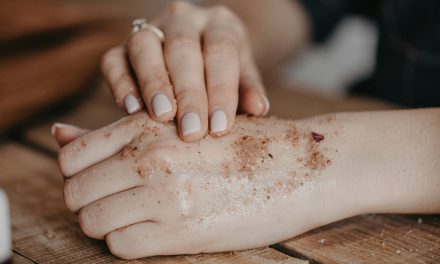
Exfoliation is a fundamental aspect of skincare that involves the removal of dead skin cells from the surface of the skin. This process is essential for maintaining a healthy complexion, as it promotes cellular turnover and enhances the skin’s ability to absorb nutrients from topical products. The skin naturally sheds dead cells, but factors such as aging, environmental stressors, and certain skin conditions can impede this process, leading to a dull appearance and clogged pores. By incorporating exfoliation into a skincare regimen, individuals can achieve a brighter, smoother, and more youthful-looking complexion.
The two primary methods of exfoliation are physical and chemical. Each method employs different mechanisms to achieve similar results, and understanding these distinctions is crucial for selecting the most appropriate technique for individual skin types. Physical exfoliation utilizes mechanical means to slough off dead skin cells, while chemical exfoliation employs active ingredients to dissolve the bonds between cells. Both methods offer unique benefits and potential drawbacks, making it essential to evaluate personal skin concerns and preferences before deciding on an exfoliation strategy.
When considering the best methods for exfoliating your skin, it’s essential to understand the differences between chemical and physical exfoliation. For a deeper dive into skin care techniques, you might find this article on removing stubborn stains from fabric car seats particularly interesting, as it highlights the importance of proper care and maintenance for various materials. You can read more about it here: How to Remove Food and Drink Stains from Fabric Car Seats.
What is Physical Exfoliation?
Physical exfoliation involves the use of abrasive materials or tools to manually remove dead skin cells from the epidermis. Common physical exfoliants include scrubs containing granules, brushes, sponges, and even cloths designed for this purpose. These products work by physically buffing the skin’s surface, promoting circulation and revealing fresher skin underneath. The granules in scrubs can be derived from natural sources such as sugar, salt, or ground nuts, or they may be synthetic beads designed for gentle exfoliation.
While physical exfoliation can provide immediate results in terms of smoothness and radiance, it is essential to approach this method with caution. Over-exfoliating or using overly abrasive products can lead to micro-tears in the skin, irritation, and increased sensitivity. Therefore, it is crucial to choose products that are suitable for one’s skin type and to limit the frequency of use to avoid compromising the skin barrier.
What is Chemical Exfoliation?

Chemical exfoliation employs active ingredients to dissolve the bonds between dead skin cells, facilitating their removal without the need for physical scrubbing. This method typically utilizes alpha hydroxy acids (AHAs), beta hydroxy acids (BHAs), or enzymes derived from fruits. AHAs, such as glycolic acid and lactic acid, are water-soluble and primarily target the surface of the skin, making them ideal for dry or sun-damaged skin types. Conversely, BHAs like salicylic acid are oil-soluble and penetrate deeper into the pores, making them particularly effective for oily or acne-prone skin.
Chemical exfoliants can be found in various formulations, including toners, serums, masks, and peels. The concentration of active ingredients varies widely among products, allowing individuals to select formulations that align with their specific skincare goals. Unlike physical exfoliation, chemical exfoliation can provide more uniform results and is often better tolerated by sensitive skin types when used appropriately.
How Physical Exfoliants Work on the Skin

Physical exfoliants work by utilizing friction to remove dead skin cells from the outermost layer of the epidermis. When applied to damp skin, these products create a scrubbing action that dislodges debris and promotes blood circulation. This process not only helps to clear away dead cells but also stimulates collagen production, which is vital for maintaining skin elasticity and firmness.
The effectiveness of physical exfoliation largely depends on the size and texture of the exfoliating particles. For instance, finely milled scrubs tend to be gentler on the skin compared to larger granules that may cause irritation. Additionally, tools such as facial brushes or sponges can enhance the exfoliating effect by providing consistent pressure and coverage across the skin’s surface. However, it is essential to use these tools with care to avoid over-exfoliation or damage to sensitive areas.
When considering the best method for achieving smooth and radiant skin, many people often debate between chemical exfoliation and physical exfoliation. Each method has its unique benefits and drawbacks, making it essential to understand how they work to choose the right one for your skin type. For a deeper dive into the differences and advantages of these exfoliation techniques, you can read more in this informative article on skincare. Additionally, if you’re interested in nurturing your skin while also exploring other aspects of self-care, you might find this guide on growing garlic from cloves quite intriguing, as it highlights the importance of natural ingredients in both cooking and skincare.
How Chemical Exfoliants Work on the Skin
Chemical exfoliants function by penetrating the skin’s surface and breaking down the bonds that hold dead skin cells together. AHAs work primarily on the outer layer of the skin by promoting desquamation—the natural shedding process—while BHAs penetrate deeper into the pores to dissolve excess sebum and debris. This dual action not only helps to clear away dead cells but also reduces the likelihood of clogged pores and breakouts.
The application of chemical exfoliants can vary based on formulation; some products are designed for daily use, while others may be intended for weekly treatments or professional peels. The pH level of these products plays a significant role in their efficacy; lower pH formulations tend to be more potent but may also increase the risk of irritation if not used correctly. Therefore, it is crucial to follow product instructions carefully and consider patch testing before full application.
Benefits of Physical Exfoliation
Physical exfoliation offers several immediate benefits that contribute to an improved complexion. One of the most notable advantages is its ability to provide instant gratification; users often notice smoother and brighter skin immediately after use. This method also enhances blood circulation in the treated areas, promoting a healthy glow and potentially aiding in lymphatic drainage.
Moreover, physical exfoliation can improve the efficacy of subsequent skincare products by allowing them to penetrate more deeply into the skin. By removing barriers created by dead cells and debris, serums and moisturizers can deliver active ingredients more effectively. Additionally, regular physical exfoliation can help prevent ingrown hairs and improve overall skin texture, making it an excellent option for those with rough or uneven skin.
Benefits of Chemical Exfoliation
Chemical exfoliation presents a range of benefits that extend beyond surface-level improvements. One significant advantage is its ability to target specific skin concerns such as acne, hyperpigmentation, and fine lines. For instance, salicylic acid is particularly effective for treating acne due to its ability to penetrate pores and reduce inflammation.
Furthermore, chemical exfoliants can promote long-term improvements in skin texture and tone by stimulating collagen production over time. Regular use can lead to a more even complexion and reduced appearance of fine lines and wrinkles. Additionally, many chemical exfoliants contain antioxidants that provide added protection against environmental damage while enhancing overall skin health.
Potential Risks and Side Effects of Physical Exfoliation
Despite its benefits, physical exfoliation carries certain risks that users should be aware of. Over-exfoliating can lead to compromised skin barriers, resulting in increased sensitivity, redness, and irritation. Individuals with conditions such as rosacea or eczema may find that physical exfoliation exacerbates their symptoms rather than alleviating them.
Moreover, using harsh scrubs or tools with sharp edges can cause micro-tears in the skin’s surface, leading to inflammation and potential scarring over time. It is essential for individuals to assess their skin’s tolerance levels and adjust their exfoliation frequency accordingly—typically no more than two to three times per week for most skin types.
Potential Risks and Side Effects of Chemical Exfoliation
Chemical exfoliants also come with potential risks that warrant careful consideration. The most common side effects include redness, peeling, dryness, and increased sensitivity—especially when first introducing these products into a skincare routine. Individuals with sensitive or reactive skin should start with lower concentrations of active ingredients and gradually increase usage as tolerated.
Additionally, chemical exfoliants can increase photosensitivity; therefore, it is crucial to apply broad-spectrum sunscreen daily when using these products to protect against UV damage. In rare cases, allergic reactions may occur; thus, patch testing prior to full application is advisable for those with known sensitivities.
Choosing the Right Exfoliation Method for Your Skin Type
Selecting an appropriate exfoliation method requires an understanding of one’s unique skin type and concerns. For individuals with oily or acne-prone skin, chemical exfoliants containing BHAs may be more beneficial due to their ability to penetrate pores and reduce excess oil production. Conversely, those with dry or sensitive skin may find that gentle physical exfoliants or AHAs provide better results without causing irritation.
Combination skin types may benefit from a tailored approach that incorporates both methods—using physical exfoliants on areas prone to roughness while employing chemical exfoliants on oilier zones. Consulting with a dermatologist can provide personalized recommendations based on individual needs and concerns.
Tips for Safe and Effective Exfoliation Practices
To maximize the benefits of exfoliation while minimizing risks, several best practices should be followed:
1. **Frequency**: Limit physical exfoliation to two or three times per week; chemical exfoliants may be used more frequently depending on formulation.
2. **Patch Testing**: Always conduct a patch test before introducing new products into your routine.
3. **Gentle Application**: Use light pressure when applying physical exfoliants; avoid aggressive scrubbing.
4. **Hydration**: Follow up with a hydrating serum or moisturizer post-exfoliation to replenish moisture levels.
5. **Sun Protection**: Apply broad-spectrum sunscreen daily when using chemical exfoliants due to increased photosensitivity.
6. **Consultation**: Seek professional advice from a dermatologist if unsure about which method suits your skin type best.
In summary, exfoliation is a vital component of skincare that enhances overall complexion health through either physical or chemical means. Each method offers distinct advantages while also presenting potential risks that must be managed carefully. By understanding individual skin types and adhering to safe practices, individuals can effectively incorporate exfoliation into their routines for optimal results.
FAQs
What is chemical exfoliation?
Chemical exfoliation involves the use of acids or enzymes to dissolve dead skin cells and promote cell turnover. Common ingredients include alpha hydroxy acids (AHAs) like glycolic acid and beta hydroxy acids (BHAs) like salicylic acid. This method can penetrate deeper into the skin, making it effective for treating issues like acne, hyperpigmentation, and fine lines.
What is physical exfoliation?
Physical exfoliation, also known as mechanical exfoliation, involves the use of abrasive materials or tools to manually scrub away dead skin cells. This can include scrubs with granules, brushes, or sponges. While it can provide immediate results, it may not penetrate as deeply as chemical exfoliation and can sometimes irritate sensitive skin.
Which type of exfoliation is better for sensitive skin?
Chemical exfoliation is often recommended for sensitive skin, as it can provide a gentler approach without the abrasive action of physical exfoliants. Ingredients like lactic acid or mild enzymes can effectively exfoliate without causing irritation. However, it’s essential to choose products specifically formulated for sensitive skin and to perform a patch test before full application.
How often should I exfoliate my skin?
The frequency of exfoliation depends on your skin type and the method used. Generally, chemical exfoliants can be used 2-3 times a week, while physical exfoliants should be limited to once a week to avoid over-exfoliation and irritation. It’s important to listen to your skin and adjust the frequency based on how it reacts.
Can I use both chemical and physical exfoliation together?
While it is possible to use both methods, it is crucial to do so cautiously to avoid over-exfoliating and damaging the skin barrier. If you choose to incorporate both, consider alternating between them on different days or using a gentle physical exfoliant followed by a mild chemical exfoliant. Always monitor your skin’s response and adjust accordingly.