Hair shedding is a natural physiological process that occurs in everyone, regardless of age or gender. On average, individuals lose approximately 50 to 100 strands of hair daily. This phenomenon is part of the hair growth cycle, which includes phases of growth, rest, and shedding. Understanding the normalcy of hair loss is crucial for distinguishing between typical shedding and potential hair loss disorders.
Normal hair shedding can be influenced by various factors, including genetics, hormonal changes, and environmental conditions. For instance, individuals may experience increased shedding during periods of hormonal fluctuations, such as pregnancy or menopause. Recognizing that hair loss can be a transient issue rather than a chronic condition is essential for maintaining a healthy perspective on hair health.
If you’re concerned about hair shedding and want to determine whether it’s within the realm of normalcy, you might find it helpful to read a related article that discusses various aspects of hair health. Understanding the factors that contribute to hair loss can provide clarity and reassurance. For more insights on maintaining freshness in your food, you can also check out this article on how to store tomatoes without losing flavor, which, while not directly related to hair care, emphasizes the importance of proper maintenance in various aspects of life.
The Hair Growth Cycle Explained
The hair growth cycle consists of three distinct phases: anagen, catagen, and telogen. The anagen phase is the active growth stage, lasting anywhere from two to six years, during which hair follicles produce new hair cells. This phase accounts for approximately 85% of all hair on the scalp at any given time.
Following the anagen phase is the catagen phase, which lasts about two to three weeks. During this transitional stage, hair follicles shrink and detach from the dermal papilla, leading to the cessation of active growth. Finally, the telogen phase occurs, lasting around three months, during which the hair remains dormant before shedding. Understanding these phases helps individuals comprehend why some hair loss is normal and expected.
Daily Hair Loss: What’s Typical?

Daily hair loss varies among individuals but generally falls within the range of 50 to 100 strands. Factors such as hair type, scalp health, and overall well-being can influence this number. For example, individuals with thicker hair may notice more strands in their brush or shower drain compared to those with finer hair.
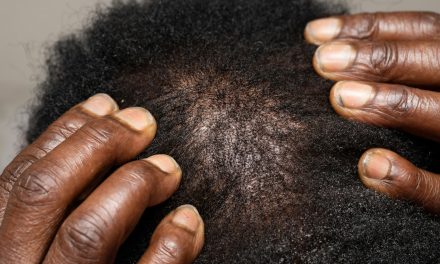
It is essential to differentiate between normal shedding and excessive hair loss. If an individual observes clumps of hair falling out or bald patches forming, it may indicate an underlying issue that requires further investigation. Keeping track of daily shedding patterns can help identify any significant changes that warrant attention.
Seasonal Hair Shedding Patterns

Seasonal variations in hair shedding are a common occurrence for many individuals. Research indicates that hair loss may increase during specific seasons, particularly in the fall and spring months. This phenomenon is thought to be linked to changes in daylight exposure and temperature fluctuations, which can affect the hair growth cycle.
During autumn, many people notice an uptick in shedding as their bodies prepare for winter. Conversely, spring may trigger a similar response as the body adjusts to longer daylight hours and warmer temperatures. Understanding these seasonal patterns can alleviate concerns about temporary increases in hair loss and help individuals recognize that such fluctuations are often benign.
If you’re concerned about hair shedding, it’s important to understand what is considered normal and when it might be a sign of an underlying issue. Many people experience some degree of hair loss daily, but factors such as stress, diet, and health conditions can influence this. For more insights on managing daily challenges, you might find this article on household chores helpful. It discusses effective strategies for dividing responsibilities fairly, which can alleviate stress and potentially improve overall well-being. You can read it here.
Identifying Mild Hair Thinning
Mild hair thinning can manifest in various ways, including a widening part or decreased volume at the crown of the head. Individuals may also notice more scalp visibility or increased hair fall during grooming activities. Recognizing these subtle signs is crucial for early intervention and management.
To assess mild thinning, individuals can perform a simple self-examination by observing their hair’s density and texture over time. Keeping a journal of any changes can provide valuable insights into patterns and potential triggers for thinning. If thinning persists or worsens, seeking professional advice may be necessary.
If you’re concerned about whether your hair shedding is normal, it’s helpful to understand the factors that contribute to hair loss. Many people experience varying levels of shedding, and distinguishing between normal and excessive loss can be tricky. For a deeper dive into this topic, you might find it useful to read a related article that discusses the signs of healthy hair growth and when to seek professional advice. You can check it out here for more insights.
The Role of Stress in Hair Shedding
Stress is a well-documented factor contributing to hair shedding and loss. Psychological stressors can trigger a condition known as telogen effluvium, where a significant number of hair follicles prematurely enter the telogen phase. This condition can result in noticeable thinning and increased shedding within a few months following a stressful event.
Managing stress through relaxation techniques such as mindfulness meditation, yoga, or regular exercise can mitigate its impact on hair health. Additionally, seeking support from mental health professionals can provide coping strategies to manage stress effectively.
Recognizing Temporary Hair Loss Causes
Temporary hair loss can arise from various factors, including illness, medication side effects, or significant life changes such as childbirth or surgery. Conditions like fever or infections can disrupt the normal hair growth cycle, leading to increased shedding several months after the triggering event.
Identifying temporary causes involves evaluating recent health changes or lifestyle modifications. Keeping track of medications taken or any recent illnesses can help pinpoint potential contributors to temporary hair loss. In most cases, once the underlying cause is addressed, normal hair growth resumes.
When Hair Shedding Increases Suddenly
A sudden increase in hair shedding can be alarming and may indicate an underlying issue that requires attention. Factors such as hormonal imbalances, autoimmune disorders, or scalp infections can lead to abrupt changes in hair loss patterns. It is crucial to monitor any sudden shifts in shedding and seek professional evaluation if they persist.
Individuals experiencing sudden shedding should consider documenting their symptoms and any accompanying changes in health or lifestyle. This information can assist healthcare providers in diagnosing potential causes and recommending appropriate interventions.
Signs of Underlying Medical Conditions
Certain medical conditions can manifest through symptoms of hair loss or thinning. Conditions such as alopecia areata, thyroid disorders, and iron deficiency anemia are known to affect hair health significantly. Recognizing these signs early can facilitate timely diagnosis and treatment.
Individuals should be vigilant for symptoms such as unexplained weight changes, fatigue, or skin alterations accompanying hair loss. Consulting with a healthcare provider for comprehensive evaluations can help identify any underlying medical conditions contributing to hair shedding.
Hair Shedding and Nutritional Deficiencies
Nutritional deficiencies play a pivotal role in maintaining healthy hair growth. Deficiencies in essential nutrients such as iron, zinc, biotin, and vitamins A and D can lead to increased shedding and compromised follicle health. A well-balanced diet rich in these nutrients is vital for sustaining optimal hair growth.
To address nutritional deficiencies, individuals should consider incorporating foods high in these essential vitamins and minerals into their diets. For instance, leafy greens, nuts, seeds, fish, and lean meats are excellent sources of nutrients that promote healthy hair growth.
When to Consult a Dermatologist or Specialist
Consulting a dermatologist or specialist is advisable when experiencing persistent or concerning hair loss symptoms. A healthcare provider can conduct a thorough examination and recommend appropriate diagnostic tests to determine the underlying cause of excessive shedding.
Individuals should seek professional advice if they notice significant changes in their hair density or texture or if they experience accompanying symptoms such as itching or scalp irritation. Early intervention can lead to more effective treatment options and improved outcomes for those experiencing hair loss.
In summary, understanding normal hair shedding is essential for distinguishing between typical patterns and potential issues requiring attention. The hair growth cycle plays a crucial role in this process, with daily loss varying among individuals based on numerous factors. Seasonal variations may also influence shedding patterns while stress and nutritional deficiencies contribute significantly to overall hair health. Recognizing signs of underlying medical conditions is vital for timely intervention, and consulting with specialists can provide valuable insights into effective treatment options for those experiencing excessive shedding or thinning.
FAQs
What is considered normal hair shedding?
Normal hair shedding typically ranges from 50 to 100 strands per day. This is part of the natural hair growth cycle, where old hairs fall out to make way for new growth.
How can I differentiate between normal shedding and excessive hair loss?
Excessive hair loss is often characterized by noticeable thinning, bald patches, or clumps of hair falling out. If you find yourself losing significantly more than 100 strands a day or see changes in your hair density, it may be a sign of a problem.
What factors can influence hair shedding?
Several factors can influence hair shedding, including hormonal changes, stress, nutritional deficiencies, medical conditions, and certain medications. Seasonal changes can also affect hair shedding patterns.
When should I consult a healthcare professional about hair shedding?
If you notice sudden or significant hair loss, bald patches, or if hair shedding is accompanied by other symptoms like itching or redness on the scalp, it is advisable to consult a healthcare professional for evaluation and potential treatment.
Are there any home remedies to reduce hair shedding?
While there is no guaranteed way to stop hair shedding, maintaining a balanced diet rich in vitamins and minerals, managing stress, and using gentle hair care products can help promote healthier hair and potentially reduce shedding.