Indoor plants have become a quintessential element of modern home decor, offering not only aesthetic appeal but also numerous health benefits. The allure of greenery within the confines of our living spaces is undeniable; it brings a sense of tranquility and connection to nature that can be hard to find in urban environments. Studies have shown that indoor plants can improve air quality, reduce stress levels, and enhance overall well-being. The act of nurturing these living organisms fosters a sense of responsibility and accomplishment, making them an ideal addition to any household.
Moreover, the variety of indoor plants available today caters to diverse tastes and lifestyles. From low-maintenance options for busy individuals to exotic species for the avid plant enthusiast, there is something for everyone. This article will delve into some of the most popular indoor plants, particularly focusing on the Dracaena family and its alternatives, highlighting their unique characteristics, care requirements, and the benefits they bring to our homes.
If you’re looking to enhance your indoor space with greenery, the Dracaena plant is an excellent choice due to its low maintenance and air-purifying qualities. For pet owners, it’s important to ensure that your home remains a comfortable environment for your furry friends as well. You can learn more about how to keep your cat happy and comfortable in your plant-filled home by reading this informative article: How to Tell if Your Cat is Happy and Comfortable.
Why Choose Dracaena and Its Alternatives?
Dracaena plants are celebrated for their striking appearance and resilience, making them a favored choice among indoor gardeners. With over 120 species, Dracaena offers a plethora of options that can suit various interior styles. These plants are characterized by their long, arching leaves and can thrive in a range of lighting conditions, from low light to bright indirect sunlight. Their ability to purify the air by removing toxins such as formaldehyde and benzene further enhances their appeal.
In addition to Dracaena, there are several alternatives that share similar qualities. These plants not only provide aesthetic value but also contribute positively to indoor air quality. Choosing the right plant can depend on factors such as light availability, humidity levels, and personal preferences regarding maintenance. This article will explore various alternatives that embody the charm of Dracaena while offering unique features that may cater to different lifestyles.
Snake Plant (Sansevieria) – The Hardy Beauties

The Snake Plant, scientifically known as Sansevieria, is renowned for its striking upright leaves that resemble snakeskin. This hardy succulent is virtually indestructible, making it an ideal choice for beginners or those with a busy lifestyle. Snake Plants can tolerate low light conditions and require minimal watering, thriving on neglect rather than constant attention. Their ability to convert carbon dioxide into oxygen at night makes them an excellent choice for bedrooms.
In terms of care, Snake Plants prefer well-draining soil and should be watered only when the top inch of soil feels dry. They are also resistant to pests and diseases, which adds to their appeal as a low-maintenance option. With their architectural form and vibrant green hues, Snake Plants can serve as a stunning focal point in any room while providing the added benefit of improved air quality.
ZZ Plant (Zamioculcas zamiifolia) – Low Maintenance Elegance

The ZZ Plant, or Zamioculcas zamiifolia, is another exceptional choice for those seeking elegance with minimal upkeep. Known for its glossy, dark green leaves that grow in a symmetrical pattern, this plant adds a touch of sophistication to any space. ZZ Plants thrive in low light conditions and are drought-tolerant, making them perfect for individuals who may forget to water regularly.
Caring for a ZZ Plant is straightforward; it requires well-draining soil and should be watered only when the soil has completely dried out. Overwatering can lead to root rot, so it’s essential to err on the side of caution. The ZZ Plant is also known for its resilience against pests and diseases, making it an ideal choice for both novice and experienced plant owners alike.
If you’re looking to enhance your indoor space with greenery, the dracaena plant is a fantastic choice due to its striking appearance and low maintenance needs. For those interested in creating a calming environment, you might find it helpful to explore how indoor plants can positively impact your well-being. A related article discusses various strategies to support pets during stressful times, which can also apply to creating a serene atmosphere for both pets and plants alike. You can read more about it in this insightful piece on helping a cat with separation anxiety.
Rubber Plant (Ficus elastica) – Glossy Leaves for a Bold Statement
The Rubber Plant (Ficus elastica) is celebrated for its large, glossy leaves that can add a dramatic flair to any indoor setting. This tropical plant can grow quite tall, making it an excellent choice for filling empty corners or creating a statement piece in your living room. Rubber Plants thrive in bright, indirect light but can adapt to lower light conditions as well.
When it comes to care, Rubber Plants prefer slightly moist soil but should not be overwatered. Regularly wiping down the leaves will help maintain their shine and remove dust buildup. Additionally, Rubber Plants are known for their air-purifying qualities, effectively removing toxins from the air while enhancing the overall aesthetic of your home.
Peace Lily (Spathiphyllum) – Graceful Blooms and Air Purifiers
The Peace Lily (Spathiphyllum) is renowned not only for its elegant white blooms but also for its exceptional air-purifying capabilities. This plant thrives in low light conditions and prefers consistently moist soil, making it an excellent choice for those who enjoy nurturing their plants regularly. The Peace Lily’s ability to filter harmful pollutants such as ammonia and formaldehyde makes it a valuable addition to any indoor environment.
To care for a Peace Lily, ensure it receives indirect sunlight and water it when the top inch of soil feels dry. Regular fertilization during the growing season will promote healthy blooms and lush foliage. With its graceful appearance and air-cleaning properties, the Peace Lily serves as both a beautiful decoration and a functional element in your home.
Ponytail Palm (Beaucarnea recurvata) – Unique and Easy to Care For
The Ponytail Palm (Beaucarnea recurvata) is a unique indoor plant that stands out due to its bulbous trunk and long, cascading leaves resembling a ponytail. This plant is not actually a palm but rather a member of the Asparagaceae family. Its drought-tolerant nature makes it an excellent choice for those who may forget to water regularly.
Caring for a Ponytail Palm involves placing it in bright indirect light and allowing the soil to dry out completely between waterings. It thrives in well-draining soil and requires minimal fertilization. With its quirky appearance and low maintenance needs, the Ponytail Palm adds character to any indoor space while being easy on the eyes.
Corn Plant (Dracaena fragrans) – Classic Dracaena Appeal
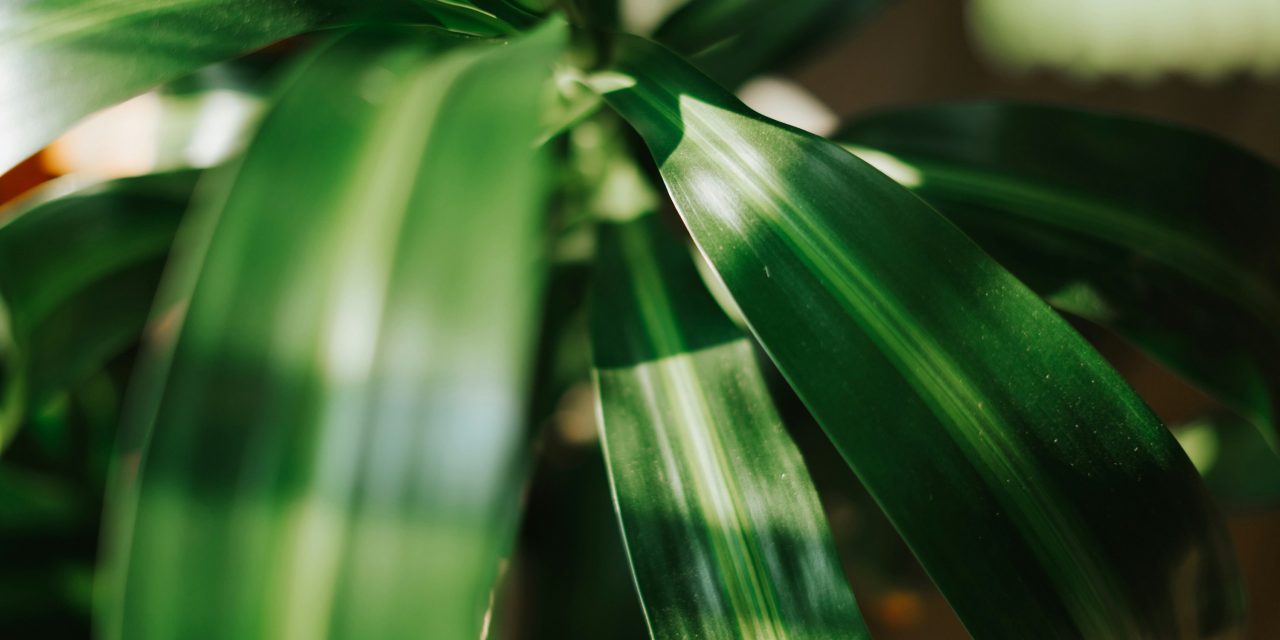
The Corn Plant (Dracaena fragrans) is one of the most popular members of the Dracaena family due to its striking appearance and adaptability. Characterized by its long, arching leaves with yellow or white stripes, this plant can grow quite tall, making it an excellent choice for adding height to your indoor garden.
Corn Plants thrive in bright indirect light but can tolerate lower light conditions as well. They prefer evenly moist soil but should not be overwatered; allowing the top inch of soil to dry out between waterings is ideal. Regular pruning will encourage bushier growth and maintain its shape. With its classic appeal and ease of care, the Corn Plant remains a favorite among indoor plant enthusiasts.
Chinese Evergreen (Aglaonema) – Vibrant Patterns and Colors
Chinese Evergreen (Aglaonema) is celebrated for its vibrant foliage that comes in various patterns and colors, ranging from deep greens to striking reds and silvers. This plant is incredibly versatile and can thrive in low light conditions, making it suitable for various indoor environments.
Caring for Chinese Evergreens involves providing them with well-draining soil and watering them when the top inch feels dry. They prefer high humidity levels but can adapt to average household humidity with ease. Regularly wiping down the leaves will help maintain their vibrant appearance while preventing dust buildup. With their stunning colors and adaptability, Chinese Evergreens are an excellent choice for adding visual interest to your home.
Philodendron – Versatile and Lush Foliage
Philodendrons are known for their lush foliage and versatility in various indoor settings. With numerous species available, these plants can adapt to different lighting conditions ranging from low light to bright indirect sunlight. Their heart-shaped leaves create an inviting atmosphere that enhances any room’s decor.
Caring for Philodendrons involves providing them with well-draining soil and watering them when the top inch feels dry. They thrive in humid environments but can adapt to average household humidity levels with proper care. Regular pruning will encourage bushier growth while maintaining their shape. With their lush appearance and adaptability, Philodendrons are an excellent addition to any indoor garden.
Cast Iron Plant (Aspidistra elatior) – Tough and Timeless
The Cast Iron Plant (Aspidistra elatior) lives up to its name by being one of the toughest houseplants available today. Known for its ability to withstand neglect, low light conditions, and varying temperatures, this plant is perfect for those who may not have a green thumb.
Caring for a Cast Iron Plant involves providing it with well-draining soil and watering it only when necessary; overwatering should be avoided at all costs. This resilient plant does not require frequent fertilization but will benefit from occasional feeding during the growing season. With its timeless appeal and durability, the Cast Iron Plant remains a favorite among indoor gardeners seeking low-maintenance options.
Fiddle Leaf Fig (Ficus lyrata) – Dramatic and Trendy Addition
The Fiddle Leaf Fig (Ficus lyrata) has gained immense popularity in recent years due to its dramatic foliage that resembles oversized violin shapes. This trendy plant can grow quite tall, making it an eye-catching addition to any room or office space.
Caring for a Fiddle Leaf Fig requires providing it with bright indirect light while ensuring consistent moisture without overwatering. Regularly rotating the plant will promote even growth as it reaches toward the light source. Fertilizing during the growing season will encourage healthy growth and vibrant foliage. With its striking appearance and ability to elevate any space’s decor, the Fiddle Leaf Fig has become a must-have among indoor plant enthusiasts.
Tips for Caring for Your Indoor Plants
To ensure your indoor plants thrive, consider these essential care tips:
1. **Lighting**: Understand each plant’s lighting requirements; some prefer bright indirect light while others thrive in low-light conditions.
2. **Watering**: Avoid overwatering by allowing the top inch of soil to dry out before watering again.
3. **Humidity**: Many indoor plants benefit from higher humidity levels; consider using a humidifier or placing plants on trays filled with pebbles and water.
4. **Soil**: Use well-draining potting mix tailored to your specific plant’s needs.
5. **Fertilization**: Feed your plants during their growing season with appropriate fertilizers.
6. **Pruning**: Regularly prune dead or yellowing leaves to encourage healthy growth.
7. **Pest Control**: Monitor your plants for pests such as spider mites or aphids; treat infestations promptly with insecticidal soap or neem oil.
Bringing Life and Style Indoors
Incorporating indoor plants into your living space not only enhances aesthetic appeal but also contributes positively to your overall well-being by improving air quality and reducing stress levels. From resilient options like Snake Plants and ZZ Plants to dramatic choices like Fiddle Leaf Figs, there is an abundance of varieties available that cater to different tastes and lifestyles.
By understanding each plant’s unique characteristics and care requirements, you can create a thriving indoor garden that brings life and style into your home environment. Embrace the charm of indoor plants as they transform your living space into a serene oasis filled with beauty and vitality.
FAQs
What is a Dracaena plant?
Dracaena is a genus of about 120 species of trees and succulent shrubs, native to tropical and subtropical regions of Africa, Asia, and Central America. They are popular as indoor plants due to their attractive foliage and low maintenance requirements.
How do you care for a Dracaena plant indoors?
To care for a Dracaena indoors, place it in indirect sunlight, water it when the top inch of soil feels dry, and ensure it has well-draining soil. It’s also important to avoid overwatering, as Dracaena plants are susceptible to root rot.
Are Dracaena plants toxic to pets?
Yes, Dracaena plants are considered toxic to cats and dogs. Ingesting parts of the plant can cause symptoms such as vomiting, lack of appetite, and lethargy. It’s advisable to keep them out of reach of pets.
What are the common varieties of Dracaena for indoor use?
Common varieties of Dracaena used as indoor plants include Dracaena marginata (Dragon Tree), Dracaena fragrans (Corn Plant), and Dracaena sanderiana (Lucky Bamboo). Each variety has unique characteristics and care requirements.
How often should you fertilize a Dracaena plant?
Dracaena plants should be fertilized every 4-6 weeks during the growing season (spring and summer) with a balanced liquid fertilizer diluted to half strength. Fertilization is typically reduced or stopped during the fall and winter months when the plant’s growth slows down.