The Christmas cactus, scientifically known as Schlumbergera, is a popular succulent native to the tropical rainforests of Brazil. Unlike its desert-dwelling relatives, this epiphytic plant thrives in humid environments, often growing on trees and rocks. Characterized by its segmented stems and vibrant blooms, the Christmas cactus typically flowers in late November through January, coinciding with the holiday season. Its blossoms can range in color from bright pink to white, red, and even yellow, making it a festive addition to any home or garden.
This unique plant is not only cherished for its aesthetic appeal but also for its resilience and adaptability. With proper care, a Christmas cactus can live for decades, often becoming a cherished family heirloom passed down through generations. Understanding its specific needs is crucial for ensuring optimal growth and vibrant blooms. This article will delve into various aspects of caring for your Christmas cactus, particularly when it is placed outdoors.
If you’re interested in learning more about how to care for your Christmas cactus outdoors, you might find this article helpful. It provides valuable insights into the best practices for ensuring your plant thrives in an outdoor environment. For additional tips on enhancing your holiday meals, check out this related article on making the perfect turkey gravy: Perfect Turkey Gravy: Easy Steps Using Drippings for Rich Flavor.
Choosing the Right Outdoor Location for Your Christmas Cactus
Selecting an appropriate outdoor location for your Christmas cactus is paramount to its health and vitality. Ideally, this plant prefers a spot that mimics its natural habitat—dappled sunlight and protection from harsh elements. A partially shaded area, such as under a tree or on a covered patio, can provide the ideal environment for growth. Direct sunlight can scorch the delicate leaves, leading to discoloration and wilting.
Additionally, consider the microclimate of your garden. Areas that are sheltered from strong winds and extreme temperature fluctuations are preferable. The Christmas cactus thrives in temperatures ranging from 60°F to 70°F (15°C to 21°C) during the day and slightly cooler at night. By choosing a location that maintains these conditions, you can significantly enhance the plant’s chances of flourishing outdoors.
Preparing the Soil for Optimal Growth

Soil preparation is a critical step in ensuring the health of your Christmas cactus. This plant requires well-draining soil that retains some moisture without becoming waterlogged. A mixture of potting soil, perlite, and coarse sand can create an ideal substrate that promotes aeration and drainage. Aim for a soil pH between 5.5 and 6.5, which is slightly acidic to neutral—conditions that closely resemble its native environment.
Before planting, it is advisable to amend the soil with organic matter such as compost or aged manure. This addition not only enriches the soil with essential nutrients but also improves its structure, enhancing moisture retention while preventing compaction. Conducting a soil test can provide valuable insights into nutrient levels and pH balance, allowing for tailored amendments that cater specifically to your Christmas cactus’s needs.
Proper Watering Techniques During the Holiday Season

Watering is one of the most critical aspects of caring for a Christmas cactus, particularly during its blooming period in the holiday season. Unlike many other cacti, this species prefers to be kept relatively moist but not soggy. Overwatering can lead to root rot, while underwatering can cause stress and hinder blooming. A general rule of thumb is to water when the top inch of soil feels dry to the touch.
During the winter months, when the plant is actively blooming, it may require more frequent watering due to increased evaporation rates from indoor heating systems. However, always ensure that excess water drains away from the pot to prevent standing water at the bottom. Utilizing pots with drainage holes is essential for maintaining optimal moisture levels without risking root damage.
If you’re considering moving your Christmas cactus outdoors for the warmer months, it’s important to ensure that your garden is ready for the transition. A well-prepared outdoor environment can enhance the plant’s growth and blooming potential. For more information on how to maintain your outdoor space, you might find this article on home maintenance helpful. It discusses various aspects of home care that can indirectly affect your gardening efforts, including how to tell if your roof needs repair or complete replacement. You can read it here: how to tell if your roof needs repair or complete replacement.
Ensuring Adequate Light Exposure
Light exposure plays a pivotal role in the overall health and blooming potential of your Christmas cactus. While it thrives in bright but indirect light, too much direct sunlight can lead to leaf burn and stunted growth. Ideally, place your plant in an area where it receives filtered sunlight for several hours each day.
If you notice that your Christmas cactus is not blooming as expected, consider adjusting its light exposure. Insufficient light can lead to leggy growth and fewer flowers. Conversely, if you observe signs of sunburn—such as browning leaf edges—relocate the plant to a shadier spot. Regularly rotating your cactus can also help ensure even light distribution across all sides of the plant.
If you’re considering moving your Christmas cactus outdoors for the warmer months, it’s essential to understand the care requirements for this unique plant. A related article that provides valuable insights on outdoor gardening techniques can be found here. By following the tips outlined in this resource, you can ensure that your Christmas cactus thrives in its new environment while enjoying the benefits of fresh air and natural sunlight.
Protecting Your Christmas Cactus from Frost and Cold
As a tropical plant, the Christmas cactus is sensitive to cold temperatures and frost. When temperatures drop below 50°F (10°C), it becomes vulnerable to damage. To protect your cactus during colder months, consider bringing it indoors or providing adequate insulation if left outside. Covering it with frost cloths or burlap can offer temporary protection against unexpected cold snaps.
Additionally, be mindful of sudden temperature changes caused by drafts or proximity to heating vents. Gradually acclimating your plant to outdoor conditions in spring can help it adapt better to temperature fluctuations throughout the year. Monitoring local weather forecasts will also allow you to take proactive measures in safeguarding your cactus from frost damage.
Fertilizing Tips for Vibrant Blooms
Fertilization is essential for promoting healthy growth and vibrant blooms in your Christmas cactus. During the growing season—typically from spring through early fall—apply a balanced liquid fertilizer diluted to half strength every four to six weeks. Look for fertilizers high in phosphorus (the middle number on fertilizer labels) to encourage flowering.
As winter approaches and blooming begins, reduce fertilization frequency significantly or cease altogether until spring arrives again. Over-fertilizing during this period can lead to excessive foliage growth at the expense of blooms. Always follow manufacturer instructions regarding application rates and timing to avoid nutrient burn or deficiencies.
Pruning and Maintenance for Healthy Growth
Regular pruning is vital for maintaining the shape and health of your Christmas cactus. After blooming has concluded in late winter or early spring, consider trimming back any leggy or overgrown segments to encourage bushier growth. Use clean, sharp scissors or pruning shears to make precise cuts just above a leaf segment.
In addition to pruning, routine maintenance tasks such as removing dead leaves or spent flowers will help keep your plant looking tidy and healthy. Inspecting for signs of pests or diseases during maintenance checks allows for early intervention if issues arise. Keeping your plant clean by gently wiping down leaves with a damp cloth can also enhance photosynthesis and overall vigor.
Managing Pests and Diseases Outdoors
Outdoor plants are susceptible to various pests and diseases that can compromise their health. Common pests affecting Christmas cacti include mealybugs, spider mites, and aphids. Regularly inspecting your plant for signs of infestation—such as webbing or sticky residue—can help catch problems early on.
If pests are detected, consider using insecticidal soap or neem oil as organic treatment options. These solutions effectively target soft-bodied insects without harming beneficial organisms in your garden ecosystem. Additionally, maintaining good air circulation around your plant can help prevent fungal diseases such as powdery mildew or root rot.
Transitioning Your Christmas Cactus Indoors After the Holidays
As the holiday season concludes and temperatures begin to drop, transitioning your Christmas cactus indoors becomes necessary for its survival. Gradually acclimate your plant by bringing it inside during mild days before permanently relocating it indoors when colder weather sets in. This gradual transition helps minimize shock from sudden environmental changes.
Once indoors, place your cactus in a bright location with indirect sunlight while avoiding drafts from windows or heating vents. Monitor watering needs closely as indoor conditions may differ significantly from outdoor environments. Adjusting care routines accordingly will ensure your Christmas cactus continues to thrive throughout the winter months.
Creative Outdoor Display Ideas to Showcase Your Christmas Cactus
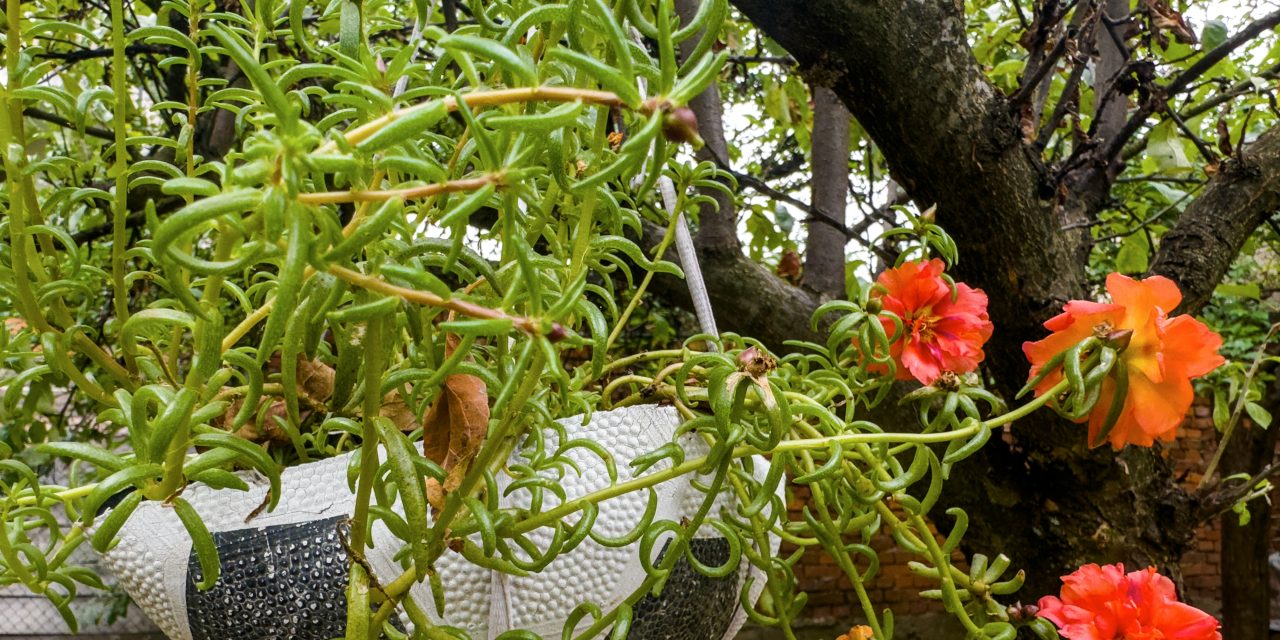
Showcasing your Christmas cactus outdoors can enhance its visual appeal while celebrating its vibrant blooms during the holiday season. Consider using decorative pots or hanging baskets that complement your garden’s aesthetic while providing adequate drainage for optimal growth.
Creating tiered displays with varying heights can add dimension and interest to your outdoor space. Grouping multiple cacti together allows for a stunning visual impact while also providing companionship among plants with similar care requirements. Incorporating festive decorations such as fairy lights or ornaments around your cactus can further enhance its holiday charm.
In summary, caring for a Christmas cactus involves understanding its unique needs regarding location, soil preparation, watering techniques, light exposure, frost protection, fertilization, pruning, pest management, indoor transition strategies, and creative display ideas. By following these guidelines diligently, you can ensure that your Christmas cactus remains healthy and vibrant throughout its life cycle while adding beauty to your home or garden during the festive season and beyond.
### FAQ Section
1. **What is the ideal temperature range for a Christmas cactus?**
– The optimal temperature range is between 60°F to 70°F (15°C to 21°C) during the day and slightly cooler at night.
2. **How often should I water my Christmas cactus?**
– Water when the top inch of soil feels dry; typically every 2-3 weeks during active growth periods.
3. **Can I keep my Christmas cactus outdoors year-round?**
– Yes, but ensure it is protected from frost and extreme temperatures; bring it indoors during winter months.
4. **What type of fertilizer should I use?**
– Use a balanced liquid fertilizer high in phosphorus during the growing season; reduce feeding during blooming.
5. **How do I know if my Christmas cactus is getting too much light?**
– Signs include browning leaf edges or wilting; relocate it to a shadier spot if these symptoms occur.
6. **What pests should I watch out for?**
– Common pests include mealybugs, spider mites, and aphids; inspect regularly for signs of infestation.
7. **How do I prune my Christmas cactus?**
– Trim back leggy segments after blooming using clean scissors; cut just above a leaf segment.
8. **Can I propagate my Christmas cactus?**
– Yes! Propagation can be done through stem cuttings taken during spring; allow cuttings to callous before planting.
9. **What should I do if my cactus isn’t blooming?**
– Ensure it receives adequate light exposure; check watering habits and consider adjusting fertilization practices.
10. **How long does a Christmas cactus typically live?**
– With proper care, a Christmas cactus can live for decades—often thriving for 20 years or more.
In conclusion, understanding how to care for a Christmas cactus involves recognizing its unique requirements related to environment and maintenance practices. By implementing these strategies effectively, you can enjoy this beautiful plant’s vibrant blooms year after year while enhancing your outdoor space’s aesthetic appeal during the holiday season.
FAQs
Can Christmas cactus be grown outdoors?
Yes, Christmas cactus can be grown outdoors in suitable climates. They thrive in USDA hardiness zones 9 to 11, where temperatures do not drop below 30°F (-1°C). In these regions, they can be planted in shaded areas of the garden during the warmer months.
What are the ideal outdoor conditions for Christmas cactus?
Christmas cactus prefers bright, indirect sunlight and well-draining soil. When grown outdoors, it should be placed in a location that receives filtered light, such as under a tree or on a patio with partial shade. Additionally, it requires protection from strong winds and heavy rain.
How often should I water my Christmas cactus when it’s outdoors?
When grown outdoors, Christmas cactus should be watered when the top inch of soil feels dry. Typically, this means watering every 2 to 3 weeks during the growing season. However, it’s essential to adjust the frequency based on rainfall and humidity levels.
Can I leave my Christmas cactus outside during winter?
It is not advisable to leave Christmas cactus outdoors during winter in regions where temperatures drop below 30°F (-1°C). If you live in a colder climate, it’s best to bring the plant indoors before the first frost to protect it from freezing temperatures.
What pests should I watch for when growing Christmas cactus outdoors?
When grown outdoors, Christmas cactus can be susceptible to pests such as mealybugs, spider mites, and aphids. Regularly inspecting the plant and using insecticidal soap or neem oil can help manage these pests effectively.