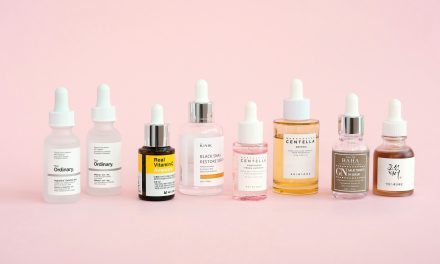
Oily skin is a common dermatological condition characterized by an excess production of sebum, the skin’s natural oil. This condition often manifests as a shiny complexion, enlarged pores, and a propensity for acne and other blemishes. The primary culprits behind oily skin include genetic predisposition, hormonal fluctuations, and environmental factors. For instance, individuals with a family history of oily skin are more likely to experience similar issues. Hormonal changes, particularly during puberty, menstruation, or pregnancy, can lead to increased sebum production due to heightened androgen levels.
The characteristics of oily skin extend beyond mere shine. Individuals may notice a thicker skin texture, frequent breakouts, and blackheads or whiteheads due to clogged pores. Additionally, oily skin can be prone to conditions such as acne vulgaris and seborrheic dermatitis. Understanding these characteristics is crucial for developing an effective skincare regimen tailored to manage excess oil while maintaining skin health.
If you’re looking for effective ways to care for oily skin without causing dryness, you might find this article on skincare tips particularly helpful. It offers insights into balancing oil production while maintaining hydration, ensuring your skin stays healthy and fresh. For more information, check out this related article on skincare: How to Freeze Berries Without Them Sticking Together.
Choose a Gentle, Foaming Cleanser
Selecting the right cleanser is paramount for individuals with oily skin. A gentle foaming cleanser can effectively remove excess oil without stripping the skin of its natural moisture barrier. Look for formulations containing salicylic acid or glycolic acid, which help to exfoliate the skin and prevent clogged pores. These ingredients not only cleanse but also provide anti-inflammatory benefits, reducing the likelihood of breakouts.
When choosing a cleanser, avoid harsh soaps or alcohol-based products that can lead to irritation and exacerbate oiliness. A pH-balanced foaming cleanser will help maintain the skin’s natural acidity while effectively cleansing the surface. Aim to cleanse your face twice daily—once in the morning and once before bedtime—to keep oil production in check and promote a clearer complexion.
Avoid Over-Washing Your Face

While it may seem counterintuitive, over-washing the face can actually worsen oily skin. Excessive cleansing strips the skin of its natural oils, prompting the sebaceous glands to produce even more sebum in an attempt to compensate for the loss. This cycle can lead to increased oiliness and breakouts, creating a frustrating skincare dilemma.
To maintain optimal skin health, limit cleansing to twice daily and consider incorporating a gentle exfoliating product a few times a week. This approach allows for effective oil control without triggering an overproduction of sebum. Additionally, be mindful of touching your face throughout the day, as this can transfer bacteria and oils from your hands to your skin, further exacerbating oiliness and potential breakouts.
Use Lukewarm Water Instead of Hot

The temperature of the water used during cleansing can significantly impact oily skin. Hot water may feel soothing but can strip away essential oils and disrupt the skin’s natural barrier function. Instead, opt for lukewarm water when washing your face. This temperature effectively removes dirt and excess oil without causing irritation or dryness.
Incorporating lukewarm water into your cleansing routine can also enhance the efficacy of your chosen cleanser. It helps to open up pores slightly, allowing for deeper penetration of active ingredients while minimizing the risk of inflammation. After cleansing, gently pat your face dry with a clean towel rather than rubbing it vigorously, as this can further irritate the skin.
If you’re struggling with oily skin and want to maintain a healthy balance without causing dryness, it’s essential to adopt a gentle skincare routine. Incorporating lightweight, non-comedogenic moisturizers can help hydrate your skin without adding excess oil. For more tips on maintaining a balanced complexion, you might find this article on seasonal pest control interesting, as it emphasizes the importance of a clean environment, which can also positively impact your skin health.
Incorporate a Lightweight, Oil-Free Moisturizer
Contrary to popular belief, individuals with oily skin should not skip moisturizer altogether. Instead, it is essential to choose a lightweight, oil-free moisturizer that hydrates without contributing to excess oil production. Look for products labeled “non-comedogenic,” which means they are formulated not to clog pores.
Ingredients such as hyaluronic acid and glycerin are excellent choices for oily skin types, as they provide hydration without adding greasiness. These humectants draw moisture into the skin while allowing it to breathe. Applying moisturizer after cleansing helps maintain the skin’s moisture balance and prevents the overproduction of sebum that can occur when the skin feels dehydrated.
Exfoliate Regularly but Gently
Exfoliation is a crucial step in managing oily skin, as it helps remove dead skin cells that can clog pores and contribute to breakouts. However, it is vital to approach exfoliation with caution. Over-exfoliating can lead to irritation and increased oil production, negating any benefits gained from this practice.
Aim to exfoliate 1-3 times per week using gentle exfoliants such as chemical exfoliants containing alpha-hydroxy acids (AHAs) or beta-hydroxy acids (BHAs). These ingredients effectively dissolve dead skin cells without the need for harsh scrubbing. Incorporating exfoliation into your routine can help improve skin texture, reduce the appearance of pores, and promote a clearer complexion.
Apply a Mattifying Primer or Serum
For those struggling with shine throughout the day, incorporating a mattifying primer or serum into your makeup routine can be beneficial. These products are specifically designed to absorb excess oil and create a smooth canvas for makeup application. Look for formulations containing silica or clay, which help control shine while minimizing the appearance of pores.
Applying a mattifying primer before foundation can significantly extend the wear of makeup while keeping oiliness at bay. Additionally, consider using a mattifying serum as part of your skincare routine to provide an extra layer of oil control throughout the day. These products can help maintain a fresh appearance without the need for constant touch-ups.
Use Blotting Papers to Control Shine
Blotting papers are an essential tool for individuals with oily skin seeking quick relief from shine throughout the day. These thin sheets are designed to absorb excess oil without disturbing makeup or leaving residue behind. Carrying blotting papers in your purse or bag allows for on-the-go touch-ups whenever needed.
To use blotting papers effectively, gently press them onto areas prone to shine—typically the forehead, nose, and chin—without rubbing or dragging the paper across the skin. This technique helps absorb oil while maintaining a matte finish without disrupting makeup application. Incorporating blotting papers into your daily routine can help you feel more confident and comfortable in your skin.
Avoid Heavy, Comedogenic Makeup Products
Choosing the right makeup products is crucial for individuals with oily skin. Heavy or comedogenic formulations can clog pores and exacerbate oiliness and breakouts. Instead, opt for lightweight, oil-free foundations and concealers that allow the skin to breathe while providing adequate coverage.
Mineral-based makeup products are often recommended for oily skin types due to their breathable nature and ability to absorb excess oil throughout the day. Additionally, look for products labeled “non-comedogenic” to ensure they won’t contribute to clogged pores or exacerbate existing issues. By selecting appropriate makeup products, you can achieve a flawless look without compromising your skin’s health.
Protect Your Skin with a Non-Greasy Sunscreen
Sunscreen is an essential component of any skincare routine, regardless of skin type. For those with oily skin, choosing a non-greasy sunscreen is crucial to prevent exacerbating shine and breakouts. Look for lightweight formulations labeled “oil-free” or “matte finish” that provide broad-spectrum protection against UVA and UVB rays.
Chemical sunscreens containing ingredients such as avobenzone or octisalate can offer effective protection without leaving a greasy residue on the skin’s surface. Alternatively, mineral sunscreens containing zinc oxide or titanium dioxide provide physical protection while absorbing excess oil throughout the day. Incorporating sunscreen into your daily routine helps prevent sun damage while maintaining a balanced complexion.
Maintain a Balanced Diet and Hydration Routine
The health of your skin is often reflective of your overall lifestyle choices, including diet and hydration habits. Consuming a balanced diet rich in fruits, vegetables, whole grains, lean proteins, and healthy fats can positively impact oily skin by providing essential nutrients that support skin health.
Incorporating foods high in antioxidants—such as berries, leafy greens, and nuts—can help combat inflammation associated with oily skin conditions like acne. Additionally, staying adequately hydrated by drinking plenty of water throughout the day helps maintain optimal moisture levels in the skin while flushing out toxins that may contribute to breakouts.
FAQ Section
1. **What causes oily skin?**
Oily skin is primarily caused by overactive sebaceous glands producing excess sebum due to genetic factors, hormonal changes, or environmental influences.
2. **Can diet affect oily skin?**
Yes, a diet high in processed foods and sugars may exacerbate oily skin conditions. A balanced diet rich in antioxidants can help improve overall skin health.
3. **How often should I wash my face if I have oily skin?**
It is recommended to wash your face twice daily—once in the morning and once before bedtime—to effectively manage excess oil production.
4. **Is it necessary to use moisturizer if I have oily skin?**
Absolutely! Using a lightweight, oil-free moisturizer helps maintain hydration levels without contributing to excess oil production.
5. **What ingredients should I look for in skincare products?**
Look for products containing salicylic acid, glycolic acid, hyaluronic acid, or non-comedogenic formulations that won’t clog pores.
6. **Can I use makeup if I have oily skin?**
Yes! Opt for lightweight, oil-free makeup products that are non-comedogenic to avoid exacerbating oiliness or breakouts.
7. **How often should I exfoliate my oily skin?**
Exfoliating 1-3 times per week using gentle chemical exfoliants is recommended for maintaining clear pores without causing irritation.
8. **What type of sunscreen is best for oily skin?**
Choose non-greasy sunscreens labeled “oil-free” or “matte finish” that provide broad-spectrum protection without adding shine.
9. **Are there any medications available for oily skin?**
Topical treatments containing retinoids or benzoyl peroxide may be prescribed by dermatologists for managing severe cases of oily skin or acne.
10. **Can stress affect oily skin?**
Yes! Stress can trigger hormonal fluctuations that may lead to increased sebum production and exacerbate oily skin conditions.
In summary, managing oily skin requires a comprehensive approach that includes selecting appropriate skincare products, maintaining a balanced diet, and adopting healthy lifestyle habits. By understanding the causes and characteristics of oily skin and implementing effective strategies such as gentle cleansing routines and targeted treatments, individuals can achieve clearer complexions while minimizing excess shine and breakouts.
FAQs
What are the best ingredients to look for in products for oily skin?
When caring for oily skin, look for products containing ingredients like salicylic acid, niacinamide, tea tree oil, and clay. These ingredients help control excess oil production, reduce acne, and maintain a balanced complexion without overly drying the skin.
How often should I cleanse my oily skin?
It is generally recommended to cleanse oily skin twice a day—once in the morning and once before bed. This helps remove excess oil and impurities without stripping the skin of its natural moisture. However, avoid over-cleansing, as it can lead to irritation and increased oil production.
Can I use moisturizer if I have oily skin?
Yes, using a moisturizer is essential for oily skin. Opt for lightweight, oil-free, or gel-based moisturizers that hydrate the skin without adding extra oil. Look for non-comedogenic products to prevent clogged pores.
Is it necessary to exfoliate oily skin, and how often should I do it?
Exfoliation is beneficial for oily skin as it helps remove dead skin cells and prevent clogged pores. However, it should be done 1-2 times a week to avoid irritation. Choose gentle exfoliants, such as chemical exfoliants with AHAs or BHAs, rather than harsh physical scrubs.
What lifestyle changes can help manage oily skin?
To manage oily skin, consider making lifestyle changes such as maintaining a balanced diet rich in fruits and vegetables, staying hydrated, reducing stress through relaxation techniques, and avoiding touching your face frequently. Additionally, regular exercise can help improve overall skin health.