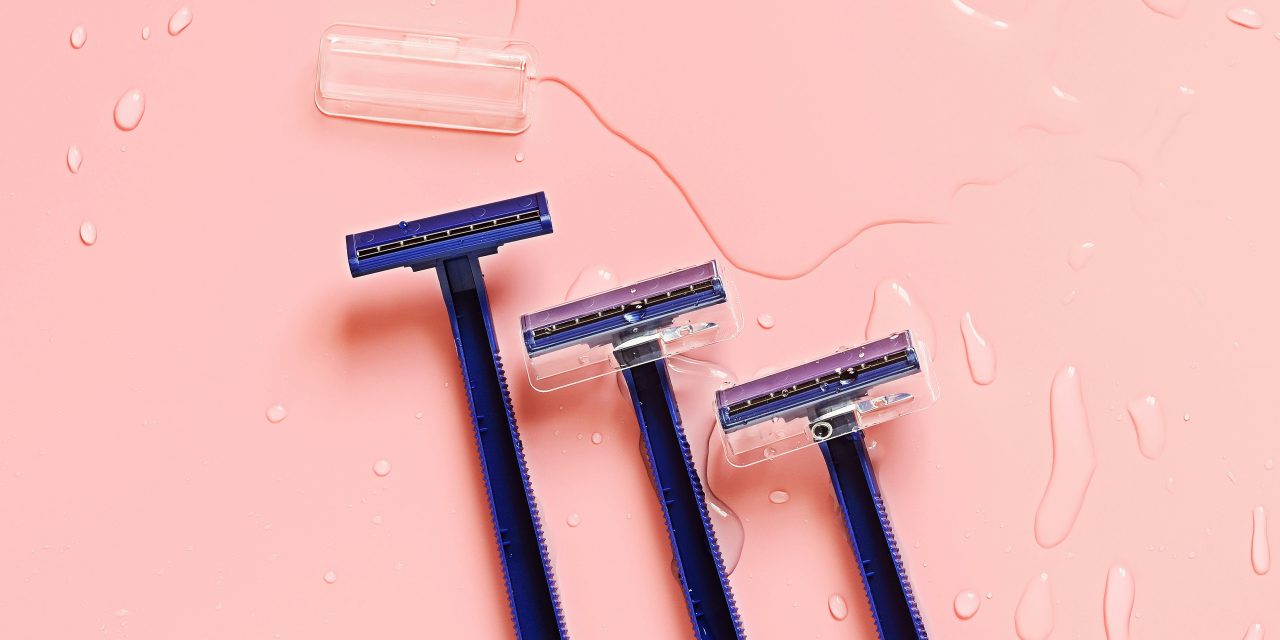
Ingrown hairs, medically referred to as pseudofolliculitis barbae, occur when hair follicles become obstructed, causing hair to grow back into the skin rather than outward. This condition is prevalent among individuals with curly or coarse hair types, as the hair tends to curl back into the skin after shaving or waxing. The resultant inflammation can lead to painful bumps, redness, and sometimes even infection. Factors contributing to the development of ingrown hairs include improper shaving techniques, inadequate exfoliation, and the use of dull razors.
The anatomy of an ingrown hair involves the hair follicle becoming trapped beneath the epidermis, leading to a localized inflammatory response. This response can manifest as papules or pustules, which may resemble acne. In some cases, ingrown hairs can become infected, resulting in folliculitis, characterized by pus-filled lesions and increased discomfort. Understanding the underlying causes of ingrown hairs is crucial for effective prevention and treatment strategies.
To effectively prevent ingrown hairs after shaving, it’s essential to adopt a proper shaving routine and post-shave care. Techniques such as using a sharp razor, shaving in the direction of hair growth, and moisturizing the skin can significantly reduce the risk of ingrown hairs. For further insights on maintaining skin health, you might find this article on thawing frozen meat safely and quickly interesting, as it emphasizes the importance of proper care and handling, which can be applied to personal grooming as well.
Choose the Right Shaving Tools for a Smooth Shave
Selecting appropriate shaving tools is paramount in minimizing the risk of ingrown hairs. High-quality razors equipped with multiple blades can provide a closer shave; however, they may also increase the likelihood of irritation if not used correctly. Disposable razors are convenient but often lack the precision and sharpness required for an optimal shave. Electric shavers can be a viable alternative for those prone to ingrown hairs, as they typically do not cut hair as closely to the skin.
In addition to razors, investing in a good shaving brush can enhance the shaving experience. A brush helps to lift hair away from the skin and evenly distribute shaving cream or gel, ensuring a smoother glide. Furthermore, using a pre-shave oil can create a protective barrier between the skin and the razor, reducing friction and irritation during shaving. Ultimately, choosing the right tools tailored to individual skin and hair types is essential for achieving a smooth shave while minimizing the risk of ingrown hairs.
Always Exfoliate Before Shaving to Remove Dead Skin

Exfoliation plays a critical role in preventing ingrown hairs by removing dead skin cells that can clog hair follicles. Regular exfoliation helps to promote cell turnover and encourages hair to grow outward rather than inward. There are two primary methods of exfoliation: physical and chemical. Physical exfoliants include scrubs or brushes that manually slough off dead skin, while chemical exfoliants utilize ingredients such as alpha hydroxy acids (AHAs) or beta hydroxy acids (BHAs) to dissolve dead skin cells.
Incorporating exfoliation into your grooming routine should ideally occur 24 hours before shaving. This allows the skin to recover from any potential irritation caused by scrubbing while ensuring that hair follicles are clear of debris. For individuals with sensitive skin, gentle exfoliation is recommended to avoid exacerbating irritation or inflammation. By prioritizing exfoliation, individuals can significantly reduce their chances of developing ingrown hairs.
Soften Your Hair and Skin with Warm Water

Soaking the skin in warm water prior to shaving is an essential step that softens both hair and skin, making for a more comfortable shaving experience. Warm water opens up pores and hydrates hair follicles, allowing for easier cutting and reducing the risk of irritation. A warm shower or bath can serve as an effective pre-shave ritual, providing ample time for hair to soften.
For those who prefer not to shower before shaving, applying a warm, damp towel to the area for several minutes can achieve similar results. This method not only prepares the hair but also relaxes the skin, making it more pliable and less prone to nicks or cuts during shaving. By taking the time to soften hair and skin with warm water, individuals can enhance their shaving routine and minimize complications associated with ingrown hairs.
To effectively prevent ingrown hairs after shaving, it is essential to adopt a proper skincare routine that includes exfoliation and moisturizing. Regularly exfoliating the skin helps remove dead skin cells, which can clog hair follicles and lead to ingrown hairs. Additionally, using a sharp razor and shaving in the direction of hair growth can minimize irritation. For more tips on maintaining healthy skin, you might find this article on cooking chicken breast interesting, as it emphasizes the importance of proper preparation and care in achieving the best results, much like skincare routines do for shaving.
Use a Sharp, Clean Razor to Minimize Irritation
Utilizing a sharp and clean razor is crucial in preventing ingrown hairs and ensuring a smooth shave. Dull blades tug at hair rather than cutting it cleanly, leading to increased irritation and potential for hair to grow back into the skin. It is advisable to replace disposable razors after five to seven shaves or sooner if they show signs of dullness or rust.
Moreover, maintaining razor hygiene is equally important. Rinsing the blade under warm water after each stroke helps remove hair and shaving cream buildup, which can harbor bacteria and lead to infections. Additionally, storing razors in a dry environment prevents moisture accumulation that could promote rusting or bacterial growth. By prioritizing razor maintenance and cleanliness, individuals can significantly reduce their risk of developing ingrown hairs.
To effectively prevent ingrown hairs after shaving, it’s important to adopt a proper skincare routine and use the right shaving techniques. One helpful resource that provides additional tips on maintaining overall skin health is an article that discusses essential food safety practices for home cooks. You can read more about it here. By ensuring your skin is well-nourished and protected, you can significantly reduce the likelihood of experiencing ingrown hairs.
Apply a Quality Shaving Cream or Gel for Protection
The application of a high-quality shaving cream or gel is essential for creating a protective barrier between the razor and the skin. These products help to lubricate the skin, allowing the razor to glide smoothly without causing excessive friction or irritation. Look for creams or gels that contain moisturizing ingredients such as glycerin or aloe vera, which can soothe the skin during and after shaving.
It is advisable to avoid products containing alcohol or harsh fragrances, as these can exacerbate irritation and dryness. Instead, opt for formulations specifically designed for sensitive skin or those labeled as non-comedogenic to prevent clogging pores. By investing in quality shaving products tailored to individual skin types, individuals can enhance their shaving experience while minimizing the risk of ingrown hairs.
Shave in the Direction of Hair Growth
Shaving in the direction of hair growth is a fundamental technique that can significantly reduce irritation and prevent ingrown hairs. When shaving against the grain, hair is cut closer to the follicle, increasing the likelihood of it curling back into the skin as it grows out. To determine the direction of hair growth, run your fingers over the area; you should feel resistance when moving against it.
Taking short strokes while maintaining light pressure on the razor will help minimize trauma to the skin. Additionally, rinsing the blade frequently during shaving will prevent buildup that could lead to uneven cuts or irritation. By adhering to this technique, individuals can achieve a smoother shave while reducing their chances of developing ingrown hairs.
Avoid Shaving Too Closely or Multiple Passes
While achieving a close shave may seem desirable, shaving too closely can lead to increased irritation and a higher risk of ingrown hairs. Each pass of the razor removes hair at varying lengths; however, multiple passes can compromise the integrity of the skin barrier and lead to inflammation. It is advisable to limit shaving passes to one or two at most while ensuring that each stroke is deliberate and controlled.
If a closer shave is desired, consider using an electric shaver designed for sensitive skin that allows for a gentler approach without compromising comfort. Additionally, allowing time between shaves—ideally two to three days—can give hair follicles time to grow out sufficiently before attempting another shave. By avoiding overly aggressive shaving techniques, individuals can maintain healthy skin while minimizing complications associated with ingrown hairs.
Rinse with Cold Water to Close Pores After Shaving
After completing a shave, rinsing with cold water serves as an effective method for closing pores and soothing irritated skin. Cold water constricts blood vessels and reduces inflammation, helping to alleviate any redness or discomfort experienced during shaving. This step is particularly beneficial for individuals prone to sensitivity or post-shave irritation.
Following rinsing with cold water, gently patting the skin dry with a clean towel is recommended rather than rubbing it vigorously. This minimizes further irritation while allowing any remaining moisture to be absorbed by subsequent skincare products. By incorporating this simple yet effective step into their post-shave routine, individuals can enhance their overall skincare regimen while reducing their risk of developing ingrown hairs.
Moisturize Daily to Keep Skin Hydrated and Healthy
Daily moisturization is vital for maintaining healthy skin and preventing conditions that may contribute to ingrown hairs. Well-hydrated skin is more resilient and less prone to irritation caused by shaving or environmental factors. Look for moisturizers containing ingredients such as hyaluronic acid or ceramides that provide deep hydration without clogging pores.
Incorporating a lightweight moisturizer into your daily skincare routine can help maintain optimal hydration levels while promoting overall skin health. For those prone to ingrown hairs, consider using products specifically formulated with anti-inflammatory properties or those containing salicylic acid that can help prevent clogged pores. By prioritizing daily moisturization, individuals can create an environment conducive to healthy hair growth while minimizing complications associated with ingrown hairs.
Treat and Prevent Ingrown Hairs with Proper Aftercare Products
Proper aftercare is essential in treating existing ingrown hairs while preventing future occurrences. Over-the-counter treatments containing salicylic acid or glycolic acid can help exfoliate dead skin cells and reduce inflammation associated with ingrown hairs. These ingredients work by promoting cell turnover and preventing clogged follicles that lead to ingrown hairs.
For more severe cases where infection may be present, topical antibiotics such as clindamycin may be prescribed by healthcare professionals to combat bacterial growth around inflamed follicles. Additionally, using soothing creams containing hydrocortisone can help alleviate redness and swelling associated with ingrown hairs.
Preventative measures should also include regular exfoliation routines combined with proper shaving techniques discussed earlier in this article. By utilizing effective aftercare products alongside preventive strategies, individuals can manage existing ingrown hairs while significantly reducing their likelihood of recurrence.
In summary, understanding ingrown hairs involves recognizing their causes and implementing effective prevention strategies through proper grooming techniques and aftercare products. Choosing appropriate tools, maintaining hygiene practices, and prioritizing hydration are essential components in achieving healthy skin while minimizing complications associated with ingrown hairs. By following these guidelines diligently, individuals can enjoy smoother skin without the discomfort of ingrown hairs disrupting their grooming routine.
FAQs
What causes ingrown hairs after shaving?
Ingrown hairs occur when a hair grows back into the skin instead of rising up from it. This can happen due to improper shaving techniques, such as shaving too closely, using dull blades, or shaving against the direction of hair growth. Additionally, curly or coarse hair types are more prone to becoming ingrown.
How can I prepare my skin before shaving to prevent ingrown hairs?
To prepare your skin, start by exfoliating to remove dead skin cells and help prevent hairs from getting trapped. Use a gentle scrub or an exfoliating glove. Additionally, applying a warm compress or shaving after a warm shower can soften the hair and open up the pores, making shaving easier and reducing the risk of ingrown hairs.
What shaving techniques can help minimize the risk of ingrown hairs?
To minimize the risk of ingrown hairs, use a sharp, clean razor and shave in the direction of hair growth. Avoid pressing too hard on the razor and try to use short, light strokes. Additionally, consider using a shaving cream or gel to provide a protective barrier and reduce friction on the skin.
Are there any post-shaving products that can help prevent ingrown hairs?
Yes, applying an aftershave product that contains soothing ingredients like aloe vera or witch hazel can help calm the skin. Additionally, using a product with salicylic acid or glycolic acid can help exfoliate the skin and prevent hairs from becoming trapped under the surface.
How often should I shave to reduce the likelihood of ingrown hairs?
Shaving frequency can vary based on individual hair growth rates, but generally, shaving every 2-3 days can help reduce the likelihood of ingrown hairs. This allows hair to grow out slightly, reducing the chances of it curling back into the skin. However, it’s essential to listen to your skin and adjust your shaving routine accordingly.