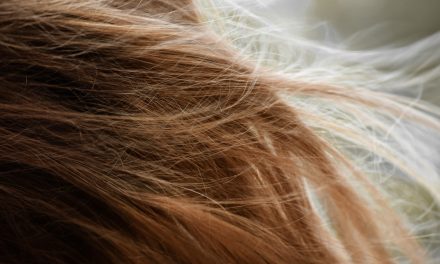
Split ends, scientifically known as trichoptilosis, occur when the protective outer layer of the hair cuticle becomes damaged, leading to fraying at the ends. This condition can arise from various factors, including mechanical damage, chemical treatments, and environmental stressors. The hair shaft is composed of three layers: the cuticle, cortex, and medulla. When the cuticle is compromised, it exposes the cortex to further damage, resulting in split ends.
Several common causes contribute to the development of split ends. Frequent exposure to harsh chemicals found in hair dyes, relaxers, and perms can weaken the hair structure. Additionally, physical stressors such as vigorous brushing or using rubber bands can lead to breakage. Environmental factors like UV radiation, humidity, and pollution also play a significant role in degrading hair quality. Understanding these causes is crucial for implementing effective prevention strategies.
If you’re looking for ways to prevent split ends without resorting to cutting your hair, you might find it helpful to explore various hair care techniques and products that can nourish and protect your strands. Additionally, maintaining a healthy environment can also contribute to your hair’s overall condition. For instance, incorporating indoor plants can improve air quality and create a calming atmosphere, which can indirectly benefit your hair care routine. You can read more about this in the article on easy-care indoor house plants that can brighten your home by following this link: Top 10 Easy Care Indoor House Plants to Brighten Your Home.
Use a Gentle Shampoo and Conditioner
Selecting the right shampoo and conditioner is paramount in maintaining healthy hair and preventing split ends. Gentle formulations that are sulfate-free and devoid of harsh chemicals help preserve the natural oils of the scalp and hair. Sulfates can strip away essential moisture, leading to dryness and brittleness, which are precursors to split ends.
Conditioners play a vital role in replenishing moisture and providing a protective barrier against environmental aggressors. Look for products containing hydrating ingredients such as glycerin, shea butter, or natural oils. These components not only nourish the hair but also enhance its elasticity, making it less prone to breakage. Regularly using a gentle shampoo and conditioner tailored to your hair type can significantly reduce the risk of developing split ends.
Avoid Excessive Heat Styling

Heat styling tools such as flat irons, curling wands, and blow dryers can be detrimental to hair health when used excessively. High temperatures can cause the hair cuticle to lift, leading to moisture loss and increased susceptibility to damage. Studies have shown that prolonged exposure to heat can weaken the protein structure of hair, resulting in split ends and overall fragility.
To mitigate heat damage, consider adopting a heat-free styling routine whenever possible. Embrace natural hairstyles or use heatless methods such as braiding damp hair for waves or employing foam rollers for curls. If heat styling is necessary, always apply a heat protectant spray or serum beforehand. These products create a barrier between the hair and the heat source, minimizing damage while allowing for styling versatility.
Apply Leave-In Conditioners Regularly

Leave-in conditioners serve as an excellent addition to your hair care regimen, providing ongoing hydration and protection throughout the day. These products are designed to be applied after washing and left in the hair without rinsing. They work by sealing moisture into the hair shaft and offering additional nourishment that combats dryness and brittleness.
When selecting a leave-in conditioner, look for formulations rich in proteins and natural oils that cater to your specific hair type. For instance, those with curly or textured hair may benefit from heavier creams that provide extra moisture, while fine-haired individuals might prefer lightweight sprays that won’t weigh their hair down. Regular application of leave-in conditioners can significantly improve hair texture and reduce the occurrence of split ends.
If you’re looking for effective ways to prevent split ends without resorting to cutting your hair, you might find it helpful to explore various hair care techniques and products that can nourish and protect your strands. For instance, maintaining proper hydration and using leave-in conditioners can significantly improve your hair’s health. Additionally, you can check out this informative article on how to eliminate stubborn odors, which emphasizes the importance of cleanliness in your environment, as a tidy space can also contribute to your overall well-being. You can read more about it here.
Protect Hair from Environmental Damage
Environmental factors such as sun exposure, pollution, and humidity can wreak havoc on hair health. UV rays can degrade the protein structure of hair, leading to dryness and increased fragility. Similarly, pollutants can accumulate on the scalp and hair strands, causing irritation and weakening the cuticle.
To protect your hair from these environmental aggressors, consider wearing hats or scarves when outdoors for extended periods. Additionally, using products with UV filters can provide an extra layer of defense against sun damage. Incorporating antioxidant-rich serums or sprays into your routine can also help neutralize free radicals caused by pollution, promoting healthier hair overall.
If you’re looking for ways to prevent split ends without resorting to cutting your hair, you might find it helpful to explore various hair care techniques that can enhance your hair’s health. One effective method is to maintain proper hydration and nourishment through the use of quality conditioners and hair oils. Additionally, gentle handling while brushing and avoiding excessive heat can make a significant difference. For more tips on maintaining healthy hair, check out this insightful article on how to care for your locks effectively. You can read it here: how to tell bees apart from wasps and hornets.
Use a Wide-Tooth Comb to Detangle
Detangling is an essential part of any hair care routine; however, using the wrong tools can exacerbate split ends. A wide-tooth comb is ideal for gently removing knots without causing unnecessary stress on the hair shaft. Unlike fine-tooth combs or brushes that can tug at strands and lead to breakage, wide-tooth combs glide through hair more smoothly.
When detangling wet hair, always start from the ends and work your way up to minimize pulling on the roots. This technique reduces tension on the hair shaft and helps prevent split ends from forming. Additionally, consider applying a detangling spray or leave-in conditioner before combing to provide extra slip and hydration.
Incorporate Hair Oils for Extra Moisture
Hair oils are an excellent way to infuse additional moisture into your strands while providing nourishment that combats split ends. Oils such as argan oil, coconut oil, and jojoba oil are rich in fatty acids and vitamins that promote healthy hair growth and enhance shine. These oils penetrate the hair shaft effectively, delivering hydration where it’s needed most.
To incorporate oils into your routine, consider applying them as a pre-shampoo treatment or using them as a finishing touch after styling. A few drops of oil can help tame frizz and add luster without weighing down your hair. Regular use of hair oils not only improves overall texture but also fortifies strands against future damage.
Avoid Over-Washing Your Hair
While maintaining cleanliness is essential for scalp health, over-washing can strip away natural oils that protect your hair from damage. Frequent washing can lead to dryness and brittleness, making strands more susceptible to split ends. The frequency of washing should depend on individual factors such as hair type, lifestyle, and scalp condition.
For those with dry or curly hair types, washing two to three times a week may be sufficient to maintain moisture levels. Conversely, individuals with oily scalps may require more frequent cleansing but should still opt for gentle formulations that won’t compromise their hair’s integrity. Incorporating dry shampoo between washes can help absorb excess oil without subjecting your hair to daily washing.
Sleep on a Silk or Satin Pillowcase
The choice of pillowcase material can significantly impact hair health during sleep. Cotton pillowcases can create friction against the hair cuticle, leading to tangling and breakage overnight. In contrast, silk or satin pillowcases provide a smoother surface that reduces friction and helps maintain moisture levels in the hair.
Switching to silk or satin pillowcases not only benefits your hair but also enhances skin health by reducing irritation and preventing wrinkles. This simple change in bedding can lead to noticeable improvements in overall hair texture while minimizing the risk of developing split ends.
Trim Hair Carefully at Home
Regular trims are essential for maintaining healthy hair and preventing split ends from traveling up the shaft. While visiting a professional stylist is ideal for precision cuts, many individuals opt for at-home trims between salon visits. When trimming at home, it’s crucial to use sharp scissors specifically designed for cutting hair to ensure clean cuts without causing further damage.
To trim effectively at home, section your hair into manageable parts and focus on removing only the damaged ends—typically about 1/4 inch is sufficient for maintenance purposes. Avoid cutting too much length; instead, aim for regular trims every six to eight weeks to keep split ends at bay while promoting healthy growth.
Maintain a Healthy Diet for Strong Hair
A well-balanced diet plays a pivotal role in promoting strong and healthy hair growth while preventing issues like split ends. Nutrients such as proteins, vitamins (especially B vitamins), minerals (like zinc and iron), and omega-3 fatty acids are essential for maintaining optimal hair health. Foods rich in these nutrients include lean meats, fish, eggs, nuts, seeds, fruits, and vegetables.
Incorporating a variety of these foods into your daily meals can enhance overall hair strength and resilience against damage. Staying hydrated is equally important; drinking adequate water supports scalp health and ensures that nutrients are effectively delivered to the hair follicles.
In summary, understanding the causes of split ends is crucial for effective prevention strategies. Utilizing gentle shampoos and conditioners while avoiding excessive heat styling can significantly reduce damage. Regular application of leave-in conditioners and protective measures against environmental factors further enhance hair health. Employing proper detangling techniques with wide-tooth combs and incorporating nourishing oils will provide additional moisture while minimizing breakage. Limiting washing frequency and opting for silk or satin pillowcases will also contribute positively to overall hair condition. Finally, maintaining a nutritious diet will support strong growth while preventing split ends from forming.
### FAQ Section
1. **What are split ends?**
Split ends occur when the protective outer layer of the hair cuticle becomes damaged, leading to fraying at the tips of the strands.
2. **How often should I trim my hair to prevent split ends?**
It is recommended to trim your hair every six to eight weeks to maintain healthy ends and prevent split ends from traveling up the shaft.
3. **Can I repair split ends?**
While you cannot truly repair split ends once they occur, you can manage them by trimming regularly and using nourishing products that promote overall hair health.
4. **Is it necessary to use heat protectants?**
Yes! Heat protectants create a barrier between your hair and styling tools, minimizing damage caused by high temperatures.
5. **What types of oils are best for preventing split ends?**
Argan oil, coconut oil, jojoba oil, and olive oil are excellent choices for providing moisture and nourishment while preventing split ends.
6. **How do I know if my shampoo is too harsh?**
If your scalp feels dry or itchy after washing or if your hair appears dull or brittle, your shampoo may be too harsh.
7. **Can diet affect my hair health?**
Absolutely! A balanced diet rich in proteins, vitamins, minerals, and healthy fats supports strong hair growth and helps prevent issues like split ends.
8. **Should I wash my hair daily?**
Over-washing can strip natural oils from your scalp; aim for two to three washes per week unless you have an oily scalp that requires more frequent cleansing.
9. **What should I look for in a leave-in conditioner?**
Choose leave-in conditioners with hydrating ingredients like glycerin or natural oils tailored to your specific hair type for optimal results.
10. **Are silk pillowcases worth it?**
Yes! Silk pillowcases reduce friction on your hair while sleeping, helping prevent tangling and breakage compared to traditional cotton pillowcases.
By implementing these strategies into your routine, you can effectively combat split ends while promoting healthier-looking hair overall.
FAQs
What are split ends and what causes them?
Split ends occur when the protective outer layer of the hair cuticle wears away, leading to fraying at the ends of the hair strands. Common causes include excessive heat styling, chemical treatments, environmental factors like sun exposure, and lack of moisture.
How can I keep my hair moisturized to prevent split ends?
To keep your hair moisturized, use hydrating shampoos and conditioners, incorporate leave-in conditioners or hair oils, and consider deep conditioning treatments regularly. Drinking plenty of water and maintaining a balanced diet rich in vitamins and minerals also helps keep hair hydrated.
Are there specific hairstyles that can help prevent split ends?
Yes, protective hairstyles such as braids, buns, or twists can help minimize friction and prevent split ends. Avoiding tight hairstyles that pull on the hair can also reduce stress on the strands, helping to maintain their integrity.
What role does heat styling play in split ends, and how can I minimize its effects?
Heat styling can damage the hair cuticle, leading to split ends. To minimize its effects, use heat protectant sprays before styling, lower the temperature settings on styling tools, and limit the frequency of heat styling. Opting for air-drying whenever possible can also help.
Can regular trims help prevent split ends without cutting off length?
While regular trims are the most effective way to remove split ends, you can also ask your stylist for a “dusting,” which involves trimming only the very tips of the hair. This can help maintain hair health without sacrificing length significantly.