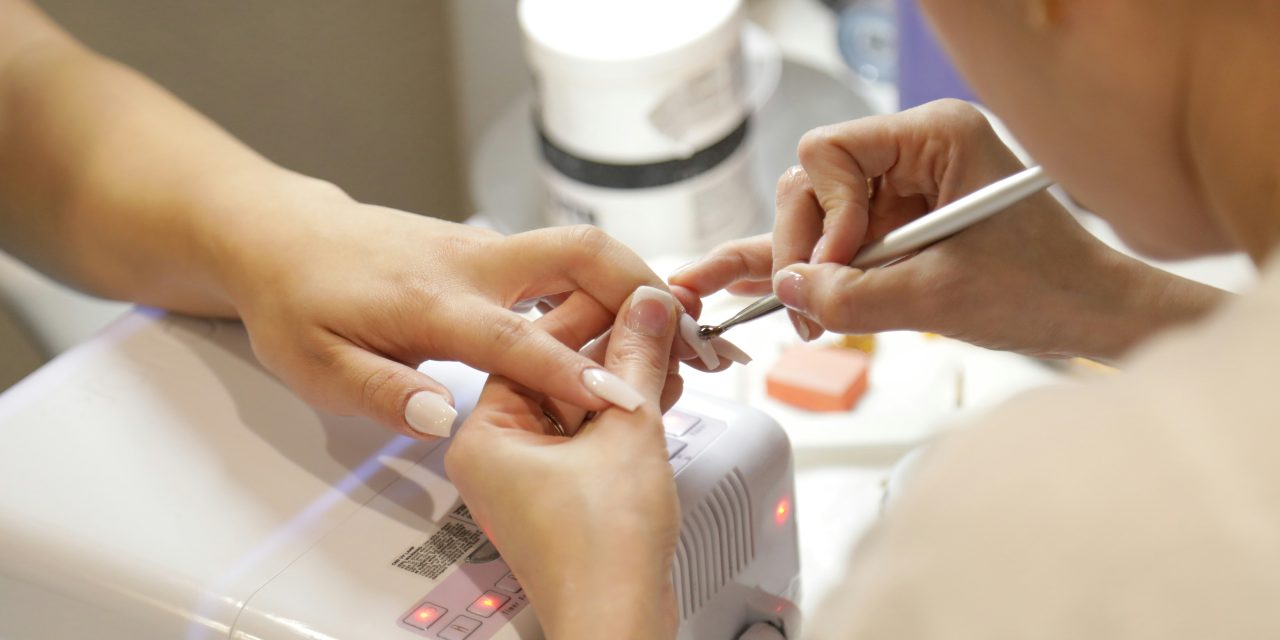
Nail salon hygiene is paramount for ensuring the health and safety of clients. The skin and nails are susceptible to infections, fungal growth, and other dermatological issues if proper sanitation protocols are not followed. A clean environment minimizes the risk of cross-contamination and the transmission of pathogens, which can lead to serious health complications. The importance of hygiene extends beyond mere aesthetics; it is a critical component of public health.
Infections such as paronychia, onychomycosis, and even more severe conditions like hepatitis B and C can arise from unsanitary practices in nail salons. Therefore, understanding the significance of hygiene is essential for both clients and salon owners. Regular inspections and adherence to health regulations can help maintain a safe environment, ensuring that clients receive quality services without compromising their health.
When considering a visit to a nail salon, it’s essential to ensure that the establishment maintains high standards of sanitation to protect your health. A related article that provides valuable insights into finding safe and cozy environments for your pets, which can also reflect the importance of cleanliness in service industries, can be found here: Top Cat Boarding Kennels Near Me for Safe, Cozy Stays. This article emphasizes the significance of hygiene and care, paralleling the need for sanitary practices in nail salons.
Check for Proper Licensing and Certifications
Before entering a nail salon, it is crucial to verify that the establishment possesses the necessary licenses and certifications. These documents indicate that the salon complies with local health regulations and has undergone inspections by relevant authorities. Licensed salons are more likely to adhere to hygiene standards, as they are held accountable for their practices.
In addition to the salon’s overall licensing, individual technicians should also have certifications in nail care and sanitation practices. These qualifications demonstrate that the technicians have received formal training in safe procedures, infection control, and customer service. Clients should not hesitate to ask for proof of these credentials, as they serve as a safeguard against potential health risks.
Observe the Cleanliness of the Reception and Waiting Area

The reception and waiting area of a nail salon can provide valuable insights into the overall cleanliness of the establishment. A tidy and well-maintained reception area reflects the salon’s commitment to hygiene and professionalism. Clients should look for clean floors, organized seating arrangements, and a clutter-free environment. Dusty surfaces or unkempt waiting areas may indicate a lack of attention to cleanliness throughout the salon.
Moreover, the presence of hand sanitizers and disinfectant wipes in the waiting area is a positive sign. These amenities encourage clients to practice good hygiene while waiting for their appointments. A salon that prioritizes cleanliness in its reception area is likely to extend that same level of care to its treatment rooms and nail stations.
Inspect the Condition of Tools and Equipment

The condition of tools and equipment used in nail salons is a critical factor in assessing hygiene standards. Clients should observe whether tools such as nail clippers, files, and cuticle pushers are clean and well-maintained. Rusty or damaged tools can harbor bacteria and fungi, posing a risk to clients’ health.
Additionally, salons should utilize sterilization methods such as autoclaving or UV sterilizers to ensure that all reusable tools are free from pathogens. Clients can inquire about the salon’s sterilization protocols to gain confidence in their practices. A reputable salon will be transparent about how they maintain their tools and will readily provide information on their cleaning processes.
When considering a visit to a nail salon, it is essential to ensure that the environment is sanitary to avoid any potential health risks. A helpful resource that outlines practical tips for maintaining cleanliness in personal grooming spaces can be found in an article about growing vegetables on your apartment balcony. While it may seem unrelated, the principles of cleanliness and care in both gardening and personal care are quite similar. For more insights, you can read the article here.
Look for Single-Use Items and Proper Sterilization Methods
The use of single-use items is an essential aspect of nail salon hygiene. Disposable items such as nail files, buffers, and pedicure liners should be used for each client to prevent cross-contamination. Clients should look for evidence that these items are being utilized appropriately; for instance, technicians should open new packages in front of clients to ensure they are using sterile products.
Proper sterilization methods are equally important for reusable tools. Salons should employ effective sterilization techniques, such as soaking tools in hospital-grade disinfectants or using autoclaves that reach high temperatures to eliminate pathogens. Clients can ask technicians about their sterilization processes to ensure that they are receiving services in a safe environment.
When choosing a nail salon, it’s essential to ensure that the environment is sanitary to avoid any health risks. A great resource for maintaining cleanliness in your home is an article on how to remove pine sap and sticky tree resin from household surfaces, which can provide insights into effective cleaning methods. For more information, you can read the article here. By being aware of cleanliness standards and practices, you can make a more informed decision about where to get your nails done.
Evaluate the Cleanliness of Nail Stations and Work Surfaces
The cleanliness of nail stations and work surfaces is another critical indicator of a salon’s hygiene practices. Clients should observe whether workstations are wiped down between clients and if surfaces are free from debris or residue from previous treatments. A clean workstation not only enhances the overall experience but also reduces the risk of infections.
Furthermore, technicians should be seen using gloves during treatments, especially when handling products or performing procedures that may expose them to bodily fluids. The presence of clean towels or disposable paper at each station is also a positive sign, indicating that the salon prioritizes hygiene during services.
Assess the Salon’s Ventilation and Air Quality
Ventilation plays a significant role in maintaining a healthy environment within nail salons. Poor air quality can lead to respiratory issues for both clients and technicians due to exposure to fumes from nail products such as acrylics, gels, and polishes. Clients should assess whether the salon has adequate ventilation systems in place, such as exhaust fans or open windows, to circulate fresh air.
Additionally, salons should utilize low-odor products whenever possible to minimize harmful emissions. Clients can inquire about the types of products used in the salon and whether they prioritize eco-friendly options that reduce exposure to volatile organic compounds (VOCs). A well-ventilated salon contributes to a more pleasant experience while safeguarding health.
Notice the Personal Hygiene of Technicians
The personal hygiene of nail technicians is an essential aspect of overall salon cleanliness. Clients should observe whether technicians maintain clean uniforms, short nails, and proper grooming habits. Personal hygiene reflects a technician’s professionalism and commitment to providing safe services.
Moreover, technicians should practice hand hygiene by washing their hands before and after each client interaction. The availability of hand sanitizers at each workstation is also a positive indicator of a technician’s dedication to maintaining cleanliness throughout their workday.
Verify the Use of Disposable Liners and Towels
The use of disposable liners for pedicure bowls is an important practice that enhances hygiene in nail salons. These liners create a barrier between clients and potentially contaminated surfaces, reducing the risk of infections. Clients should ensure that salons utilize disposable liners for each pedicure service, discarding them immediately after use.
Similarly, disposable towels or paper products should be used during treatments to prevent cross-contamination between clients. Reusable towels must be laundered with appropriate disinfectants after each use; however, disposable options provide an added layer of safety by eliminating any risk associated with shared linens.
Read Online Reviews and Ask for Recommendations
In today’s digital age, online reviews serve as valuable resources for assessing nail salons’ reputations regarding hygiene practices. Clients should take time to read reviews on platforms such as Google, Yelp, or social media to gauge other customers’ experiences with cleanliness and safety measures.
Additionally, asking friends or family members for recommendations can provide insights into reputable salons known for their commitment to hygiene. Personal experiences often carry more weight than online reviews alone, allowing clients to make informed decisions based on trusted sources.
Trust Your Instincts and Don’t Hesitate to Ask Questions
Ultimately, trusting one’s instincts is crucial when selecting a nail salon. If something feels off or raises concerns about cleanliness or safety practices, clients should not hesitate to seek clarification or ask questions. A reputable salon will welcome inquiries about their hygiene protocols and be willing to provide detailed answers.
Clients should feel empowered to advocate for their health by addressing any concerns directly with technicians or management. Open communication fosters transparency and ensures that clients receive services in an environment that prioritizes their well-being.
In summary, maintaining high standards of hygiene in nail salons is essential for safeguarding clients’ health while receiving beauty treatments. By understanding the importance of sanitation practices, checking for proper licensing, observing cleanliness throughout the establishment, inspecting tools and equipment, utilizing single-use items, evaluating ventilation systems, noticing personal hygiene among technicians, verifying disposable products’ use, reading reviews, and trusting instincts—clients can make informed decisions about where to receive nail services safely.
By prioritizing these factors, clients can enjoy their nail care experiences without compromising their health or well-being.
FAQs
What are the signs of a sanitary nail salon?
A sanitary nail salon typically exhibits cleanliness in its environment, including well-organized workstations, clean floors, and sanitized tools. Look for the use of disposable items, such as nail files and buffers, and ensure that metal tools are properly sterilized in an autoclave or disinfected with EPA-approved solutions. Additionally, staff should wear gloves and masks while performing services.
How can I check if the tools used are clean?
You can check if the tools are clean by observing whether they are stored in a sanitized container or wrapped in a clean towel. Ask the technician if they use an autoclave for sterilization or if they use disposable tools. If tools are reused, they should be properly disinfected between clients.
Is it important for nail technicians to wash their hands?
Yes, it is crucial for nail technicians to wash their hands before and after each client. This practice helps prevent the spread of bacteria and infections. A reputable salon will have handwashing stations available and technicians should demonstrate proper hygiene practices.
What should I look for in the salon’s overall environment?
In addition to cleanliness, the overall environment of the salon should be well-maintained and free of clutter. Look for proper ventilation, as strong chemical odors can indicate poor air quality. The salon should also have a pleasant atmosphere, with clean waiting areas and well-kept furniture.
Are there any certifications or licenses I should check for?
Yes, you should check for the salon’s business license and the individual licenses of the nail technicians. These certifications indicate that the salon complies with local health regulations and that the technicians have received proper training in sanitation and safety practices.