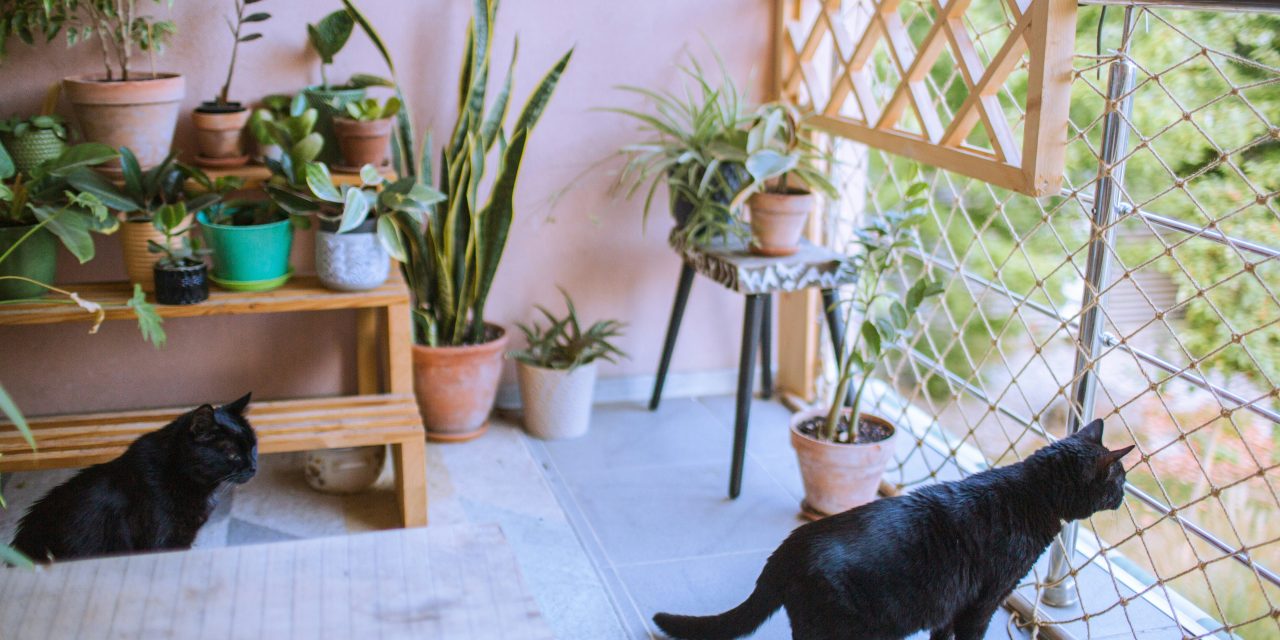
Before embarking on the journey of balcony gardening, it is crucial to evaluate the sunlight exposure and available space on your balcony. Understanding the microclimate of your outdoor area will significantly influence the types of vegetables you can successfully grow. Most vegetables require at least six hours of direct sunlight daily, so observe your balcony throughout the day to identify sunlit areas. Take note of any obstructions such as buildings, trees, or railings that may cast shadows, as these can limit light availability.
In addition to sunlight, measuring the dimensions of your balcony is essential for effective planning. Consider the weight capacity of your balcony, especially if you plan to use large containers filled with soil. A well-structured layout will maximize your growing area while ensuring that plants receive adequate light and air circulation. Utilize vertical gardening techniques, such as wall planters or hanging pots, to optimize space and create a lush green environment without overcrowding.
Choosing the Right Containers for Balcony Gardening
Selecting appropriate containers is a fundamental aspect of balcony gardening that can greatly affect plant health and growth. Containers come in various materials, including plastic, ceramic, wood, and metal, each with its advantages and disadvantages. Plastic pots are lightweight and retain moisture well, making them ideal for balconies. Conversely, ceramic and terracotta pots offer excellent breathability but can be heavier and more prone to cracking in extreme temperatures.
When choosing containers, consider their size and drainage capabilities. Vegetables typically require deeper pots to accommodate root systems; a minimum depth of 12 inches is recommended for most crops. Ensure that containers have drainage holes to prevent waterlogging, which can lead to root rot. Additionally, using self-watering containers can help maintain consistent moisture levels, reducing the frequency of watering while promoting healthy plant growth.
Selecting Suitable Vegetables for Container Growth

Not all vegetables thrive in container environments; therefore, selecting suitable varieties is paramount for a successful harvest. Opt for compact or dwarf varieties that are specifically bred for container gardening. Crops such as cherry tomatoes, peppers, lettuce, radishes, and herbs like basil and parsley are excellent choices due to their adaptability to limited space.
Consider the growing season in your region when selecting vegetables. Cool-season crops like spinach and peas can be planted in early spring or fall, while warm-season crops such as zucchini and cucumbers thrive in summer. Additionally, staggered planting can extend your harvest period; for instance, sowing lettuce every two weeks will provide a continuous supply throughout the growing season.
Preparing the Soil Mix for Optimal Plant Health

The foundation of a thriving vegetable garden lies in the quality of the soil mix used in containers. A well-balanced soil mix should provide adequate drainage, aeration, and nutrient retention. A recommended blend consists of equal parts potting soil, compost, and perlite or vermiculite. Potting soil offers essential nutrients while compost enriches the mix with organic matter, promoting healthy microbial activity.
Before planting, it is advisable to amend the soil with slow-release fertilizers or organic amendments such as bone meal or fish emulsion to ensure that plants receive essential nutrients throughout their growth cycle. Regularly testing soil pH can also help maintain optimal conditions; most vegetables prefer a slightly acidic to neutral pH range of 6.0 to 7.0.
Planning Your Vegetable Layout for Maximum Yield
Strategic planning of your vegetable layout can significantly enhance yield and overall garden health. Begin by grouping plants with similar sunlight and water requirements together to simplify care routines. Utilize companion planting techniques by pairing compatible crops that can benefit each other; for example, planting basil alongside tomatoes can improve flavor and deter pests.
Consider the height and growth habits of each vegetable when arranging your layout. Taller plants should be positioned at the back or center of the container garden to prevent shading shorter crops. Additionally, incorporating trellises or stakes can maximize vertical space while providing support for climbing plants like peas and cucumbers.
Planting Seeds and Seedlings Correctly
Proper planting techniques are vital for ensuring successful germination and growth of seeds and seedlings in your balcony garden. When sowing seeds directly into containers, follow the recommended planting depth indicated on seed packets. Generally, smaller seeds should be sown at shallower depths than larger seeds. Ensure that the soil is adequately moist but not waterlogged before planting.
For seedlings, gently remove them from their nursery pots while being cautious not to damage the roots. Create a hole in the soil mix that accommodates the root ball without crowding it. After placing the seedling in the hole, backfill with soil and lightly press down to eliminate air pockets. Water thoroughly after planting to help settle the soil around the roots.
Watering Techniques for Balcony Vegetable Gardens
Effective watering techniques are crucial for maintaining healthy plants in a balcony garden. Container plants tend to dry out more quickly than those in traditional gardens due to limited soil volume and exposure to wind and sun. It is essential to establish a consistent watering schedule based on environmental conditions; typically, containers require watering every 1-3 days during hot weather.
To ensure thorough watering, apply water until it drains from the bottom of the container. This practice encourages deep root growth by promoting moisture absorption throughout the soil profile. Consider using drip irrigation systems or self-watering pots to automate watering processes and reduce labor while maintaining optimal moisture levels.
Providing Support and Protection for Your Plants
As plants grow, they may require additional support to thrive and produce fruit effectively. For vining crops like tomatoes or cucumbers, installing stakes or trellises early in their growth cycle will prevent damage to stems and promote healthy development. Additionally, using cages can provide stability for larger plants while allowing for air circulation.
Protection from environmental stressors is equally important in balcony gardening. Wind can be particularly damaging on elevated balconies; therefore, consider using windbreaks such as lattice panels or strategically placed taller plants to shield vulnerable crops from harsh gusts. Furthermore, providing shade cloth during extreme heat can help prevent sunburn on delicate leaves.
Managing Pests and Diseases Naturally
Maintaining a healthy balcony vegetable garden involves proactive pest management strategies that minimize chemical interventions. Regularly inspecting plants for signs of pests such as aphids, spider mites, or whiteflies allows for early detection and intervention. Introducing beneficial insects like ladybugs or lacewings can naturally control pest populations without harming your plants.
In addition to biological controls, employing cultural practices such as crop rotation and companion planting can reduce disease incidence and pest attraction. For instance, rotating crops each season prevents soil-borne diseases from establishing themselves in one location. Utilizing organic fungicides or insecticidal soaps can also provide effective treatment options when necessary.
Harvesting Your Homegrown Vegetables
The culmination of your hard work in balcony gardening is the rewarding experience of harvesting homegrown vegetables. Timing is critical; harvesting at peak ripeness ensures optimal flavor and nutritional value. Each vegetable has its specific indicators for readiness; for example, tomatoes should be fully colored and slightly soft to the touch when ripe.
Utilize sharp scissors or garden shears when harvesting to avoid damaging plants or leaving wounds that could lead to disease entry points. Regular harvesting encourages continued production; many crops like beans or zucchini will produce more fruit when regularly picked.
Tips for Maintaining a Thriving Balcony Vegetable Garden
To sustain a flourishing balcony vegetable garden throughout the growing season requires ongoing attention and care. Regularly monitor moisture levels in containers and adjust watering schedules based on weather conditions. Fertilizing every four to six weeks with organic fertilizers will replenish nutrients depleted by plant growth.
Additionally, pruning dead or yellowing leaves promotes air circulation and reduces disease risk while encouraging new growth. Keeping a gardening journal can help track plant performance over time, allowing you to make informed decisions about future plantings based on past successes or challenges.
In summary, creating a successful balcony vegetable garden involves careful planning and execution across various stages—from assessing sunlight exposure to selecting suitable containers and vegetables. By preparing an optimal soil mix, implementing effective watering techniques, managing pests naturally, and providing necessary support for plants, gardeners can enjoy a bountiful harvest right from their balconies. With dedication and attention to detail, anyone can transform their outdoor space into a thriving oasis of fresh produce.
FAQs
What types of vegetables can I grow on my apartment balcony?
You can grow a variety of vegetables on your apartment balcony, including tomatoes, peppers, lettuce, spinach, radishes, and herbs like basil and parsley. Choose compact or dwarf varieties that are suitable for container gardening.
How much sunlight do vegetables need on a balcony?
Most vegetables require at least 6 to 8 hours of direct sunlight each day. If your balcony receives less sunlight, consider growing shade-tolerant vegetables like leafy greens or using reflective surfaces to maximize light exposure.
What type of containers should I use for growing vegetables?
Use containers that have good drainage, such as pots made of plastic, ceramic, or fabric. Ensure that the containers are large enough to accommodate the root systems of the vegetables you choose to grow, typically at least 5 gallons for larger plants.
How often should I water my balcony vegetable garden?
Watering frequency depends on the type of vegetables and the weather conditions. Generally, container plants need to be watered more frequently than garden beds. Check the soil moisture daily; if the top inch of soil feels dry, it’s time to water.
What soil should I use for growing vegetables in containers?
Use a high-quality potting mix specifically designed for container gardening. This type of soil provides good drainage and aeration, which is essential for healthy root growth. You can also mix in compost to enhance nutrient content.