French toast is a beloved breakfast staple, cherished for its delightful combination of crispy exterior and soft, custardy interior. Traditionally, this dish is prepared using eggs and milk, but there are numerous reasons to explore milk-free alternatives. For individuals with lactose intolerance, dairy allergies, or those adhering to a vegan lifestyle, creating French toast without milk opens up a world of culinary possibilities. Additionally, opting for milk-free recipes can cater to dietary preferences while still delivering a satisfying and delicious meal.
Moreover, making French toast without milk allows for greater creativity in flavor profiles and textures. By utilizing various substitutes, one can enhance the dish’s nutritional value and introduce unique tastes that elevate the classic recipe. This article will delve into the various methods and ingredients that can be employed to create delectable milk-free French toast, ensuring that everyone can enjoy this breakfast favorite.
If you’re looking for a delicious breakfast option that doesn’t require milk, consider trying out a recipe for French toast made with alternative ingredients. For more culinary inspiration, you might enjoy this article on how to make crispy baked Parmesan potato bites, which can serve as a perfect side dish for your French toast. Check it out here: Crispy Baked Parmesan Potato Bites Recipe.
Choosing the Right Bread for Milk-Free French Toast
The foundation of any great French toast lies in the choice of bread. Selecting the right type can significantly impact the final outcome of the dish. For milk-free French toast, consider using hearty options such as whole grain, sourdough, or brioche. Whole grain bread not only adds a nutty flavor but also increases fiber content, making it a healthier choice. Sourdough offers a tangy taste that complements the sweetness of toppings, while brioche provides a rich, buttery texture that enhances the overall experience.
When selecting bread, it is essential to ensure that it is free from dairy ingredients. Many commercial breads contain milk or butter, so always check the ingredient list. Additionally, stale or day-old bread works exceptionally well for French toast, as it absorbs the egg mixture more effectively without becoming overly soggy. The right bread choice sets the stage for a delightful breakfast that everyone can enjoy.
Using Plant-Based Milk Alternatives

Plant-based milk alternatives have surged in popularity, providing an excellent solution for those looking to make French toast without dairy. Options such as almond milk, soy milk, oat milk, and coconut milk can be used interchangeably in recipes. Each alternative brings its unique flavor and texture to the dish. For instance, almond milk offers a subtle nuttiness, while coconut milk imparts a tropical essence.
When using plant-based milks, it is crucial to select unsweetened varieties to maintain control over the sweetness of the final dish. Additionally, fortified plant-based milks can provide essential nutrients such as calcium and vitamin D, making them a nutritious choice. To achieve the desired consistency in your egg mixture, aim for a ratio of one cup of plant-based milk to two eggs. This combination will yield a creamy custard-like base that envelops the bread beautifully.
Incorporating Water and Flavor Enhancers

For those who prefer an even lighter approach to their French toast mixture, incorporating water alongside flavor enhancers can yield delightful results. By mixing water with eggs, you can create a custard-like consistency without the need for dairy. This method allows for a lighter texture while still maintaining the essential binding properties of eggs.
To enhance flavor without adding dairy, consider incorporating spices such as cinnamon or nutmeg into your egg mixture. A splash of vanilla extract can also elevate the taste profile significantly. These additions not only provide warmth and depth but also create an aromatic experience that tantalizes the senses. Experimenting with different flavor enhancers allows for personalization and creativity in crafting your perfect milk-free French toast.
If you’re looking for a delicious way to enjoy French toast without using milk, you might find it helpful to explore alternative ingredients that can still deliver a rich flavor and satisfying texture. For instance, using almond milk or coconut milk can be a great substitute. To learn more about cooking techniques that can enhance your breakfast experience, check out this informative article on how to cook basmati rice so the grains stay separate. You can find it here.
Utilizing Yogurt or Sour Cream as a Substitute
For those seeking a creamy texture without dairy milk, yogurt or sour cream can serve as excellent substitutes in French toast recipes. Both options add richness and tanginess to the egg mixture while providing a unique flavor profile. Greek yogurt is particularly beneficial due to its high protein content and thick consistency, which helps bind the ingredients together effectively.
To use yogurt or sour cream in your French toast preparation, mix one-third cup of either with two eggs and a splash of plant-based milk or water to achieve the desired consistency. This combination will yield a custard-like mixture that clings beautifully to the bread while imparting a delightful tanginess. The result is a decadent breakfast option that satisfies both taste buds and dietary restrictions.
If you’re looking for a delicious way to enjoy French toast without using milk, you might find it helpful to explore alternative ingredients that can enhance the flavor and texture. For instance, using almond milk or coconut milk can provide a creamy consistency while keeping the dish dairy-free. Additionally, you can check out this interesting article on easy-care houseplants that can brighten your kitchen, making it the perfect space to whip up your next breakfast masterpiece.
Experimenting with Fruit Juices for a Unique Twist
For those looking to infuse their French toast with fruity flavors, experimenting with fruit juices can provide an exciting twist on this classic dish. Juices such as orange, apple, or even pineapple can be incorporated into the egg mixture to create a refreshing and vibrant flavor profile. The acidity in fruit juices also helps tenderize the bread while adding natural sweetness.
To incorporate fruit juice into your recipe, replace part of the liquid component—whether it be plant-based milk or water—with an equal amount of juice. For example, if your recipe calls for one cup of liquid, consider using half a cup of orange juice and half a cup of almond milk. This method not only enhances flavor but also introduces additional vitamins and antioxidants into your breakfast.
Preparing the Perfect Egg Mixture Without Dairy
Crafting the ideal egg mixture is crucial for achieving perfectly cooked French toast without dairy. Begin by whisking together eggs in a bowl until they are well combined and frothy. The incorporation of air during this process will contribute to a light and fluffy texture once cooked. Depending on personal preference, you may choose to add sweeteners such as maple syrup or agave nectar at this stage.
Incorporating spices such as cinnamon or vanilla extract will enhance the overall flavor profile of your egg mixture. For those who prefer a thicker custard-like consistency, consider adding a tablespoon of cornstarch or flour to help bind the ingredients together more effectively. This step ensures that each slice of bread is evenly coated and absorbs the flavors beautifully.
Cooking Tips for Crisp and Golden French Toast
Achieving perfectly crisp and golden French toast requires attention to detail during the cooking process. Begin by preheating your skillet or griddle over medium heat and adding a small amount of oil or dairy-free butter to prevent sticking. Allow the cooking surface to become hot before adding your soaked bread slices; this step is crucial for achieving that coveted golden-brown crust.
Cook each slice for approximately 3-4 minutes on each side or until they reach your desired level of crispness. Avoid overcrowding the pan; cooking in batches allows for even heat distribution and prevents steaming. For an extra crispy finish, consider sprinkling a pinch of salt on each slice before flipping them over. This technique enhances flavor while contributing to that satisfying crunch.
Delicious Toppings to Complement Milk-Free French Toast
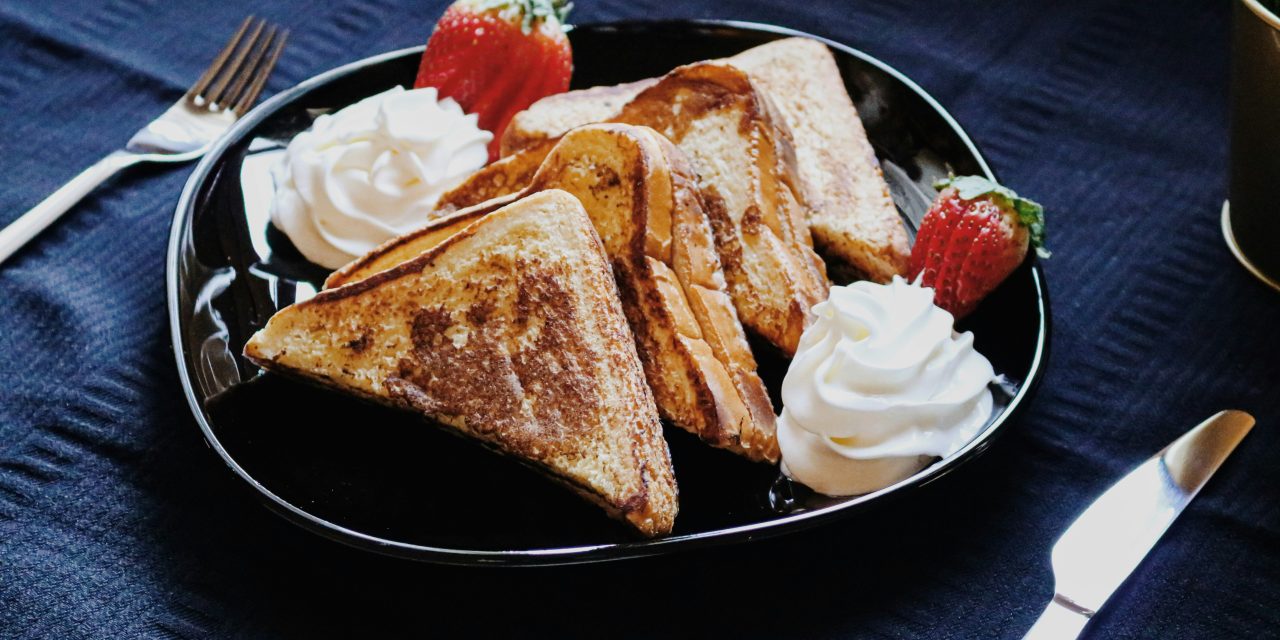
The beauty of French toast lies not only in its preparation but also in its versatility when it comes to toppings. For those seeking indulgence without dairy, there are numerous delicious options available. Fresh fruits such as berries, bananas, or sliced peaches add natural sweetness and vibrant color to your dish.
Nut butters like almond or peanut butter provide healthy fats and protein while enhancing flavor complexity. Drizzling maple syrup or agave nectar over your creation adds an irresistible sweetness that complements the dish beautifully. For an extra touch of decadence, consider sprinkling chopped nuts or seeds on top for added crunch and nutrition.
Quick and Easy Recipes to Try Today
1. **Classic Milk-Free French Toast**: Whisk together 2 eggs, 1 cup almond milk (unsweetened), 1 tsp vanilla extract, and 1 tsp cinnamon. Dip slices of whole grain bread into the mixture and cook on medium heat until golden brown on both sides.
2. **Coconut Cream French Toast**: Combine 2 eggs with ½ cup coconut milk and 1 tbsp maple syrup. Dip slices of brioche bread into the mixture and cook until crispy. Top with shredded coconut and fresh pineapple for a tropical twist.
3. **Apple Cinnamon Delight**: Mix 2 eggs with ½ cup apple juice and 1 tsp cinnamon. Dip slices of sourdough bread into the mixture and cook until golden brown. Serve topped with sautéed apples and a sprinkle of cinnamon.
Enjoying a Dairy-Free French Toast Breakfast
Creating delicious French toast without milk is not only achievable but also opens up new avenues for flavor exploration and dietary inclusivity. By selecting appropriate bread types, utilizing plant-based alternatives, and incorporating creative ingredients like yogurt or fruit juices, anyone can enjoy this classic breakfast dish without compromising on taste or texture.
With various cooking techniques and topping options available, milk-free French toast can be tailored to suit individual preferences while remaining nutritious and satisfying. Whether you opt for traditional flavors or venture into innovative combinations, this breakfast favorite can be enjoyed by all—proving that dietary restrictions need not limit culinary enjoyment!
FAQs
Can I use water instead of milk for French toast?
Yes, you can use water as a substitute for milk in French toast. However, using water may result in a less creamy texture and flavor. To enhance the taste, consider adding a bit of vanilla extract or a pinch of salt to the egg mixture.
What are some dairy-free alternatives to milk for making French toast?
There are several dairy-free alternatives you can use instead of milk, such as almond milk, soy milk, oat milk, or coconut milk. These options can provide a similar consistency and flavor profile to traditional milk.
How do I make French toast without eggs and milk?
To make French toast without eggs and milk, you can use a mixture of mashed bananas or applesauce combined with a dairy-free milk alternative. Blend these ingredients with cinnamon and vanilla extract to create a batter that will coat the bread.
Can I use yogurt instead of milk in French toast?
Yes, you can use yogurt as a substitute for milk in French toast. Choose a dairy-free yogurt if you want to keep it non-dairy. Mix the yogurt with water or a dairy-free milk alternative to achieve the desired consistency for dipping the bread.
What type of bread works best for French toast without milk?
For French toast without milk, thicker slices of bread such as brioche, challah, or sourdough work best. These types of bread can absorb the egg mixture well and provide a delicious texture when cooked.