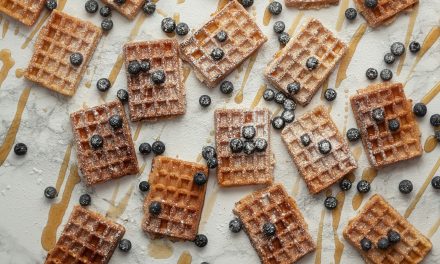
Pancakes are a beloved breakfast staple, cherished for their fluffy texture and delightful flavor. However, when reheated improperly, they can lose their moisture and become dry, chewy, or even rubbery. The primary reason for this undesirable transformation lies in the structure of the pancake itself. Pancakes are composed of flour, eggs, milk, and leavening agents, which create a delicate balance of moisture and air pockets. When exposed to heat during reheating, the moisture evaporates, leading to a loss of that soft, tender quality.
Additionally, the Maillard reaction, which occurs during the initial cooking process, contributes to the pancakes’ appealing golden-brown color and flavor. However, when reheated, this reaction can continue to occur, further drying out the pancakes. The key to preserving the original texture and taste lies in understanding how to reintroduce moisture effectively while minimizing further cooking.
If you’re looking for a delicious way to start your day, you might want to check out this article on a high-protein breakfast quesadilla that features eggs and cheese. Not only does it provide a hearty meal option, but it also complements your pancake breakfast perfectly. To ensure your pancakes stay fluffy and moist when reheating, consider using a microwave with a damp paper towel or a skillet over low heat. For more breakfast inspiration, you can read the article here: High-Protein Breakfast Quesadilla with Eggs and Cheese.
Preparing Your Pancakes for Reheating
Before diving into the reheating process, it is essential to prepare your pancakes properly. If you have leftover pancakes, allow them to cool completely before storing them. This cooling period prevents condensation from forming in the storage container, which can lead to sogginess. Once cooled, stack the pancakes with parchment paper between each layer to prevent sticking and maintain their shape.
When storing pancakes for later use, opt for airtight containers or resealable plastic bags. This method helps to minimize exposure to air, which can cause staleness. If you plan to freeze pancakes for an extended period, consider wrapping them individually in plastic wrap before placing them in a freezer-safe bag. This extra layer of protection ensures that they retain their moisture and flavor when reheated.
Method 1: Reheating Pancakes in the Microwave with Moisture

The microwave is a convenient option for reheating pancakes quickly. However, it is crucial to incorporate moisture to prevent them from drying out. To achieve this, place a damp paper towel over the stack of pancakes on a microwave-safe plate. The moisture from the towel will create steam as the pancakes heat up, helping to maintain their softness.
Heat the pancakes in short intervals of 20-30 seconds, checking for doneness after each interval. This method allows you to control the reheating process and prevents overcooking. Once heated through, remove the paper towel and serve immediately with your favorite toppings. This technique is particularly effective for those who are short on time but still desire a warm breakfast.
Method 2: Using the Oven to Keep Pancakes Soft

Reheating pancakes in the oven is another excellent method that allows for even heating while preserving moisture. Preheat your oven to 350°F (175°C) and line a baking sheet with parchment paper. Arrange the pancakes in a single layer on the sheet and cover them with aluminum foil. The foil traps steam, ensuring that the pancakes remain moist during reheating.
Place the baking sheet in the preheated oven and heat for approximately 10-15 minutes or until warmed through. This method is particularly beneficial when reheating larger batches of pancakes, as it allows for uniform heating without sacrificing texture. Once heated, serve with syrup or fruit compote for an indulgent breakfast experience.
If you’re looking for tips on how to reheat pancakes without drying them out, you might find it helpful to explore related culinary techniques that enhance food preservation. For instance, understanding how to properly store and reheat various dishes can significantly impact their texture and flavor. You can read more about this in the article on how to find the source of a fruit fly infestation, which discusses the importance of maintaining a clean kitchen environment to keep your food fresh. Check it out here for more insights.
Method 3: Reheating Pancakes on the Stovetop with a Pan
For those who prefer a more hands-on approach, reheating pancakes on the stovetop can yield excellent results. Begin by preheating a non-stick skillet over low heat. Add a small amount of butter or oil to the pan to enhance flavor and prevent sticking. Place the pancakes in the skillet and cover with a lid to trap steam.
Heat the pancakes for about 2-3 minutes on each side or until warmed through. The gentle heat allows for even warming while maintaining moisture levels. This method also provides an opportunity to add additional toppings such as fresh fruit or chocolate chips while reheating, enhancing the overall flavor profile.
Method 4: Steaming Pancakes for Maximum Moisture
Steaming is an effective technique for reheating pancakes while ensuring they remain moist and fluffy. To steam pancakes, fill a pot with water and bring it to a simmer. Place a steaming basket or colander over the pot, ensuring it does not touch the water. Arrange the pancakes in a single layer in the basket and cover with a lid.
Allow the pancakes to steam for approximately 5-7 minutes or until heated through. This method infuses moisture back into the pancakes without direct contact with heat sources that could dry them out. Steaming is particularly useful for thicker pancakes or those that have been frozen, as it gently warms them without compromising texture.
Method 5: Using a Toaster Oven to Gently Warm Pancakes
A toaster oven is an excellent alternative for reheating pancakes without losing moisture. Preheat your toaster oven to 350°F (175°C) and place the pancakes on a baking tray lined with parchment paper. Cover them loosely with aluminum foil to retain moisture during reheating.
Heat for about 10 minutes or until warmed through. The toaster oven provides a controlled environment that mimics traditional oven heating while being more energy-efficient for smaller batches. This method is ideal for those who want crispy edges while maintaining a soft interior.
Tips for Storing Pancakes to Preserve Freshness
To ensure your pancakes remain fresh and delicious for future meals, proper storage techniques are essential. First and foremost, always allow pancakes to cool completely before storing them in airtight containers or resealable bags. This practice prevents condensation from forming inside the container, which can lead to sogginess.
Consider labeling your containers with dates to keep track of freshness. Pancakes can typically be stored in the refrigerator for up to three days or frozen for up to two months without significant loss of quality. When freezing, separate individual pancakes with parchment paper to facilitate easy thawing and reheating later on.
How to Add Moisture Back to Dry Pancakes
If you find yourself with dry pancakes after reheating, there are several methods to restore moisture effectively. One simple solution is to drizzle warm syrup or melted butter over the pancakes before serving; this adds flavor while reintroducing moisture. Alternatively, consider serving them with fresh fruit or yogurt, which can enhance both taste and texture.
Another option is to lightly mist dry pancakes with water before reheating them again using any of the methods mentioned earlier. This technique can help revive their original fluffiness by allowing steam to penetrate during reheating.
Avoiding Common Mistakes When Reheating Pancakes
When reheating pancakes, several common pitfalls can lead to undesirable results. One frequent mistake is overheating; excessive heat can cause pancakes to become tough and chewy rather than soft and fluffy. Always opt for lower temperatures and shorter intervals when reheating.
Another common error is neglecting moisture; failing to incorporate steam or covering pancakes during reheating can lead to dryness. Additionally, avoid stacking too many pancakes together when reheating; this can trap heat unevenly and result in inconsistent warming.
Creative Serving Ideas to Enhance Reheated Pancakes
Reheated pancakes can be transformed into an exciting culinary experience with creative serving ideas. Consider topping them with whipped cream and fresh berries for a delightful dessert-like breakfast or drizzling them with chocolate sauce for an indulgent treat.
For a savory twist, try adding crispy bacon or sautéed vegetables alongside your reheated pancakes. You can also experiment with different spreads such as nut butter or cream cheese mixed with fruit preserves for added flavor complexity.
In summary, understanding how to properly reheat pancakes is essential for preserving their delightful texture and taste. By employing various methods such as microwaving with moisture, using an oven or stovetop, steaming, or utilizing a toaster oven, you can enjoy delicious pancakes even after they have been stored away. Proper storage techniques play a crucial role in maintaining freshness while creative serving ideas can elevate your pancake experience further. With these tips and tricks at your disposal, you can ensure that every pancake remains as enjoyable as when it was first made!
FAQs
What is the best method to reheat pancakes without drying them out?
The best method to reheat pancakes without drying them out is to use the microwave. Place the pancakes on a microwave-safe plate, cover them with a damp paper towel, and heat them in 20-30 second intervals until warmed through. The moisture from the paper towel helps to keep the pancakes soft and prevents them from becoming dry.
Can I use the oven to reheat pancakes?
Yes, you can use the oven to reheat pancakes. Preheat your oven to 350°F (175°C), place the pancakes on a baking sheet, and cover them with aluminum foil to retain moisture. Heat for about 10-15 minutes or until warmed through. This method is effective for reheating multiple pancakes at once.
Is it possible to reheat pancakes in a skillet?
Absolutely! To reheat pancakes in a skillet, preheat the skillet over low heat. Add a small amount of butter or oil to the pan, then place the pancakes in the skillet. Heat for about 1-2 minutes on each side, or until they are warmed through. This method adds a nice crispness to the outside while keeping the inside soft.
Should I add any liquid when reheating pancakes?
Adding a small amount of liquid, such as milk or water, can help keep pancakes moist during reheating. If using the microwave, you can place a few drops of water on the pancakes before covering them with a damp paper towel. For skillet reheating, you can lightly sprinkle some water in the pan before adding the pancakes.
How can I store pancakes to ensure they stay moist for reheating?
To keep pancakes moist for reheating, store them in an airtight container or wrap them tightly in plastic wrap or aluminum foil. If you plan to store them for more than a day, consider freezing them. Place parchment paper between layers to prevent sticking, and store them in a freezer-safe bag or container. This helps maintain their moisture and texture when reheated.