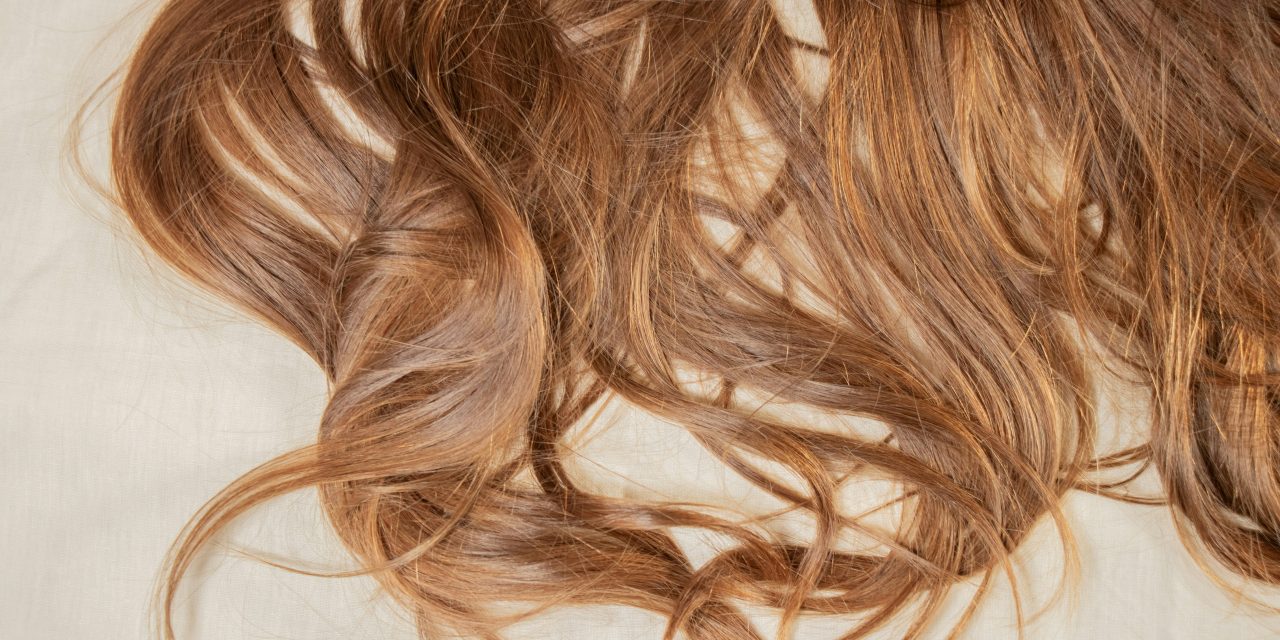
Shampoo buildup refers to the accumulation of product residues, oils, and impurities on the hair and scalp over time. This phenomenon occurs when hair care products, including shampoos, conditioners, styling gels, and sprays, do not completely rinse out during washing. The primary culprits behind this buildup are surfactants, silicones, and other synthetic ingredients commonly found in hair products. These substances can adhere to the hair shaft and scalp, leading to a dull appearance and compromised hair health.
Several factors contribute to shampoo buildup. Frequent use of heavy styling products, hard water with high mineral content, and infrequent washing can exacerbate the issue. Additionally, individuals with oily scalps may experience more pronounced buildup due to excess sebum production. Understanding the underlying causes of shampoo buildup is crucial for developing effective strategies to mitigate its effects and maintain optimal hair health.
If you’re struggling with shampoo buildup in your hair, you might find it helpful to explore related topics that focus on maintaining cleanliness and freshness in your home. For instance, an article discussing the best steam cleaners can provide insights into how to keep your living space spotless, which can indirectly contribute to a healthier environment for your hair. You can read more about it in this article on the top 10 steam cleaners for a spotless home in 2024: Top 10 Steam Cleaners for a Spotless Home in 2024.
Signs Your Hair Has Shampoo Buildup
Identifying shampoo buildup is essential for addressing the issue before it leads to more significant hair problems. Common signs include a lack of shine or luster, which can make hair appear dull and lifeless. Additionally, hair may feel heavy or weighed down, making it challenging to achieve volume or bounce. An itchy or irritated scalp can also indicate the presence of buildup, as trapped residues can lead to inflammation.
Another telltale sign is an increase in frizz or difficulty in styling. When hair is coated with product residues, it becomes less responsive to styling techniques, resulting in unruly strands. Furthermore, if you notice that your hair is not holding styles as well as it used to or that your color-treated hair appears faded, these may be indicators of shampoo buildup that require immediate attention.
The Benefits of Removing Shampoo Buildup

Eliminating shampoo buildup offers numerous benefits for both the hair and scalp. Firstly, removing residues allows for better absorption of nutrients from conditioners and treatments, promoting healthier hair growth. When the scalp is free from buildup, it can breathe more easily, leading to improved circulation and a balanced environment for hair follicles.
Moreover, cleansing away product residues enhances the overall appearance of hair. With a clean slate, strands regain their natural shine and vibrancy. This revitalization can also lead to improved manageability, making styling easier and more effective. Ultimately, addressing shampoo buildup contributes to long-term hair health and aesthetic appeal.
Clarify with a Gentle Clarifying Shampoo

One of the most effective methods for removing shampoo buildup is using a clarifying shampoo. These specialized formulations are designed to penetrate deep into the hair shaft and dissolve product residues effectively. When selecting a clarifying shampoo, it is essential to choose one that is gentle enough for regular use without stripping the hair of its natural oils.
To use a clarifying shampoo effectively, apply it to wet hair and massage it into the scalp using circular motions. Allow it to sit for a few minutes before rinsing thoroughly with warm water. This process helps lift away impurities while maintaining moisture balance. It is advisable to use a clarifying shampoo once every few weeks or as needed based on individual hair care routines.
If you’re struggling with shampoo buildup in your hair, it can be helpful to explore various methods to restore its natural shine and health. One effective way to tackle this issue is by incorporating clarifying treatments into your routine. Additionally, you might find it useful to read about seasonal grooming tips that can enhance your hair care regimen. For more insights, check out this informative article on seasonal grooming tips that can help you maintain your hair throughout the year.
Use Apple Cider Vinegar Rinse for a Natural Cleanse
Apple cider vinegar (ACV) has gained popularity as a natural remedy for various hair concerns, including shampoo buildup. Its acidic properties help restore the scalp’s pH balance while effectively breaking down product residues. Additionally, ACV possesses antimicrobial properties that can promote a healthier scalp environment.
To create an ACV rinse, mix one part apple cider vinegar with three parts water in a spray bottle or bowl. After shampooing, apply the mixture evenly throughout the hair and scalp, ensuring thorough coverage. Allow it to sit for a few minutes before rinsing with cool water. This natural cleanse not only removes buildup but also enhances shine and softness.
Incorporate Baking Soda as a Deep Cleanser
Baking soda is another versatile ingredient that can serve as an effective deep cleanser for hair. Its alkaline nature allows it to break down oils and residues that may be clinging to the hair shaft. However, caution should be exercised when using baking soda, as its abrasive texture can lead to dryness if used excessively.
To utilize baking soda for shampoo buildup removal, create a paste by mixing two tablespoons of baking soda with water until it reaches a thick consistency. Apply this paste directly to damp hair, focusing on areas with noticeable buildup. Gently massage it into the scalp for a few minutes before rinsing thoroughly with warm water. Following up with a moisturizing conditioner is crucial to restore hydration after this treatment.
Try a Detoxifying Clay Mask for Hair
Detoxifying clay masks have emerged as an innovative solution for addressing shampoo buildup while providing additional benefits for the scalp and hair health. Clays such as bentonite or kaolin possess absorbent properties that draw out impurities and excess oils from the scalp and hair follicles.
To create a detoxifying clay mask, mix clay powder with water or apple cider vinegar until it forms a smooth paste. Apply this mixture generously to damp hair and scalp, ensuring even distribution. Allow it to sit for 20-30 minutes before rinsing thoroughly with warm water. This treatment not only removes buildup but also nourishes the scalp and promotes healthy hair growth.
Switch to a Sulfate-Free Shampoo to Prevent Future Buildup
Transitioning to sulfate-free shampoos can significantly reduce the likelihood of future shampoo buildup. Sulfates are harsh detergents commonly found in traditional shampoos that can strip natural oils from the hair and scalp, leading to dryness and irritation. By opting for sulfate-free alternatives, individuals can maintain moisture balance while effectively cleansing their hair.
When selecting sulfate-free shampoos, look for products containing natural surfactants derived from coconut or other plant sources. These gentle cleansers provide effective cleansing without compromising the integrity of the hair’s natural moisture barrier. Regular use of sulfate-free shampoos can help prevent buildup while promoting overall hair health.
Tips for Maintaining Fresh, Buildup-Free Hair
Maintaining fresh and buildup-free hair requires consistent care and attention to your hair care routine. Here are several tips to help achieve this goal:
1. **Regular Washing**: Establish a washing schedule that suits your hair type and lifestyle. For oily scalps, washing every 2-3 days may be necessary, while dry scalps may benefit from less frequent washing.
2. **Limit Product Use**: Minimize the use of heavy styling products that contribute to buildup. Opt for lightweight alternatives whenever possible.
3. **Rinse Thoroughly**: Ensure that all products are thoroughly rinsed out during washing to prevent residue accumulation.
4. **Hydrate**: Incorporate hydrating treatments such as deep conditioners or leave-in conditioners to maintain moisture balance without adding excess weight.
5. **Scalp Care**: Regularly exfoliate the scalp using gentle scrubs or brushes designed for this purpose to remove dead skin cells and promote healthy circulation.
When to Seek Professional Help for Stubborn Buildup
In some cases, individuals may find that home remedies are insufficient for addressing stubborn shampoo buildup or related scalp issues. If you experience persistent symptoms such as excessive itching, redness, or flaking despite regular cleansing efforts, it may be time to consult a dermatologist or trichologist.
These professionals can assess your scalp condition and recommend tailored treatments or products suited to your specific needs. They may also identify underlying issues such as seborrheic dermatitis or psoriasis that could be contributing to buildup and discomfort.
Final Thoughts: Keeping Your Hair Healthy and Refreshed Daily
In conclusion, understanding shampoo buildup is essential for maintaining healthy hair and scalp conditions. By recognizing the signs of buildup and implementing effective removal strategies such as clarifying shampoos, natural rinses like apple cider vinegar, baking soda treatments, detoxifying clay masks, and switching to sulfate-free products, individuals can achieve vibrant and manageable hair.
Regular maintenance practices play a crucial role in preventing future buildup while promoting overall scalp health. Should stubborn issues arise despite diligent care efforts, seeking professional guidance ensures that you receive appropriate treatment tailored to your unique needs.
By prioritizing these practices in your daily routine, you can enjoy refreshed and healthy hair that radiates vitality and beauty every day.
FAQs
What causes shampoo buildup in hair?
Shampoo buildup occurs when residue from hair products, including shampoos, conditioners, and styling products, accumulates on the hair and scalp. This can be due to using products that contain heavy silicones, waxes, or oils, as well as infrequent washing or hard water, which can leave mineral deposits.
How can I tell if I have shampoo buildup?
Signs of shampoo buildup include dull or lifeless hair, an itchy or irritated scalp, and difficulty in styling your hair. You may also notice that your hair feels greasy or weighed down, even after washing, and that products do not seem to work as effectively.
What are some effective methods to remove shampoo buildup?
To remove shampoo buildup, you can use a clarifying shampoo specifically designed to strip away residue. Alternatively, you can create a DIY rinse using apple cider vinegar or baking soda mixed with water, which can help break down buildup. Regularly incorporating these methods into your hair care routine can prevent future buildup.
How often should I clarify my hair to prevent buildup?
The frequency of clarifying your hair depends on your hair type and the products you use. Generally, it is recommended to clarify once every 2-4 weeks for normal hair. However, if you use a lot of styling products or have oily hair, you may need to clarify more often, while those with dry or color-treated hair should clarify less frequently.
Are there any natural remedies for removing shampoo buildup?
Yes, natural remedies such as rinsing your hair with diluted apple cider vinegar or lemon juice can help remove buildup. Both ingredients have acidic properties that can break down residue. Additionally, using a mixture of baking soda and water as a paste can also effectively cleanse the hair and scalp.