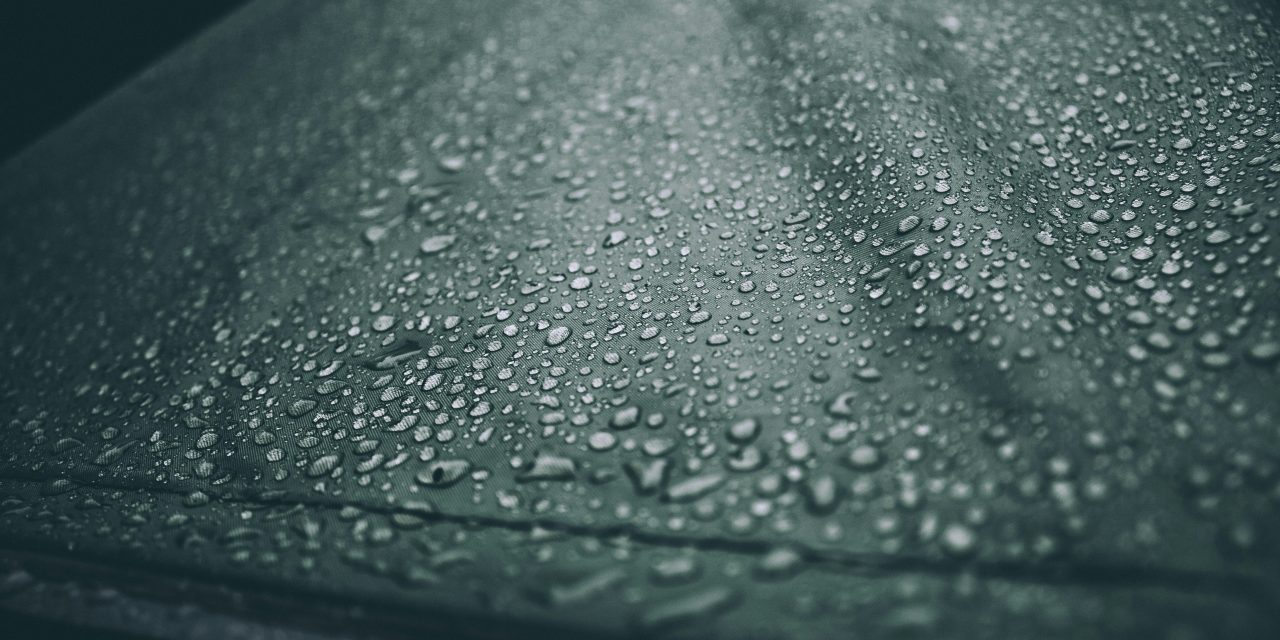
Water spots are a common nuisance for vehicle owners, particularly those who have invested in ceramic coatings. These coatings are designed to provide a durable layer of protection against environmental contaminants, UV rays, and minor scratches. However, despite their resilience, ceramic coatings can still fall victim to unsightly water spots. These blemishes typically occur when water droplets evaporate, leaving behind mineral deposits from hard water. The minerals, primarily calcium and magnesium, bond with the surface of the coating, resulting in a dull appearance that detracts from the vehicle’s aesthetic appeal.
The formation of water spots can be exacerbated by various factors, including the quality of the water used for washing, environmental conditions, and the duration of time the water remains on the surface. In regions with hard water, the likelihood of spotting increases significantly. Additionally, exposure to sunlight can accelerate the evaporation process, leading to more pronounced deposits. Understanding these dynamics is crucial for vehicle owners who wish to maintain the pristine condition of their ceramic coatings.
If you’re looking for effective ways to maintain your vehicle’s appearance, you might find it helpful to read about how to remove water spots from ceramic coating. For additional tips on caring for your pets, especially after a significant procedure like neutering, check out this informative article on cat care: Top 10 Cat Care Tips After Neutering for a Healthy Recovery. This resource provides valuable insights that can help ensure your furry friends stay healthy and happy during their recovery.
Why Quick Removal is Important
Prompt removal of water spots is essential for several reasons. Firstly, allowing these deposits to remain on the ceramic coating for extended periods can lead to etching. Etching occurs when the minerals penetrate the coating’s surface, potentially compromising its integrity and protective qualities. This degradation can result in a diminished gloss and clarity, ultimately necessitating more intensive restoration efforts.
Moreover, water spots can serve as a breeding ground for other contaminants. When left untreated, they can attract dirt and grime, leading to further complications in maintaining the vehicle’s appearance. Regularly addressing water spots not only preserves the aesthetic appeal but also prolongs the lifespan of the ceramic coating itself. Therefore, understanding the importance of timely intervention is paramount for any vehicle owner committed to maintaining their investment.
Gather Your Cleaning Supplies

Before embarking on the journey to eliminate water spots from your ceramic coating, it is imperative to gather the necessary cleaning supplies. A well-prepared toolkit will ensure that you have everything at your disposal for effective treatment. Essential items include:
1. **pH-Neutral Car Wash Soap**: This will help remove dirt and grime without damaging the ceramic coating.
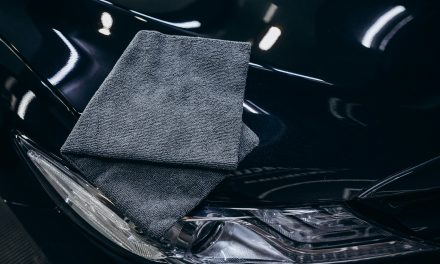
2. **Microfiber Towels**: Soft and absorbent towels are crucial for drying and buffing without scratching the surface.
3. **Vinegar**: A natural solution that can effectively dissolve mineral deposits.
4. **Ceramic Coating Safe Detailer**: Specifically formulated products that enhance shine while being gentle on coatings.
5. **Clay Bar Kit**: This tool helps remove embedded contaminants that regular washing may not address.
6. **Isopropyl Alcohol**: Useful for stubborn spots that resist other cleaning methods.
7. **Polishing Compound**: For restoring gloss if etching has occurred.
Having these supplies ready will streamline the cleaning process and ensure that you can tackle water spots efficiently.
Method 1: Using a Vinegar Solution

One of the most effective methods for removing water spots from ceramic coatings is utilizing a vinegar solution. Vinegar is an acetic acid that can break down mineral deposits without harming the underlying surface. To create this solution, mix equal parts distilled white vinegar and water in a spray bottle.
Begin by spraying the affected areas generously with the vinegar solution and allowing it to sit for approximately five minutes. This dwell time enables the acetic acid to penetrate and dissolve the mineral buildup effectively. Afterward, use a microfiber towel to gently wipe away the solution in a circular motion. It is crucial to avoid applying excessive pressure, as this could lead to scratching or damaging the ceramic coating.
Once you have removed the vinegar solution, rinse the area thoroughly with clean water to eliminate any residual acidity. Following this method not only restores clarity but also enhances the overall appearance of your vehicle’s finish.
If you’re looking to maintain the pristine appearance of your vehicle’s ceramic coating, understanding how to effectively remove water spots is essential. For a comprehensive guide on this topic, you can check out the article on removing water spots which provides valuable tips and techniques to restore your car’s shine. Keeping your ceramic coating in top condition not only enhances its longevity but also ensures your vehicle looks its best at all times.
Method 2: Applying a Ceramic Coating Safe Detailer
For those who prefer a more specialized approach, applying a ceramic coating safe detailer can be an excellent option for removing water spots. These detailers are formulated specifically for use on ceramic coatings and often contain lubricants that help lift contaminants without causing harm.
To utilize this method, begin by selecting a high-quality detailer designed for ceramic coatings. Spray the detailer onto a clean microfiber towel or directly onto the affected area. Gently wipe in a back-and-forth motion, allowing the product to encapsulate and lift away any mineral deposits present on the surface.
After treating all affected areas, use a separate clean microfiber towel to buff away any remaining product residue. This step not only removes water spots but also enhances gloss and provides an additional layer of protection against future contaminants.
If you’re looking to maintain the pristine appearance of your vehicle’s ceramic coating, you might find it helpful to explore methods for removing water spots effectively. A related article that offers valuable insights on home improvement, specifically on how to fix nail pops in drywall before repainting, can provide useful tips for maintaining surfaces in general. You can check it out here. Keeping surfaces clean and well-maintained is essential, whether it’s your car or your home.
Method 3: Utilizing Clay Bar Treatment
Clay bar treatment is another effective method for addressing water spots on ceramic coatings. This technique involves using a specially formulated clay bar that can remove embedded contaminants that regular washing may not eliminate. The clay bar works by gliding over the surface and picking up particles that adhere to it.
To begin this process, ensure that your vehicle is clean and dry. Lubricate the surface with a clay bar lubricant or a ceramic coating safe detailer to prevent scratching during application. Take a small piece of clay and flatten it into a disc shape before gently rubbing it over the affected areas in straight lines or overlapping passes.
As you work with the clay bar, you will notice it picking up contaminants and becoming discolored. Once you have treated all areas with water spots, wipe down the surface with a clean microfiber towel to remove any residue from the lubricant or clay bar treatment.
Method 4: Using Isopropyl Alcohol for Stubborn Spots
For particularly stubborn water spots that resist other cleaning methods, isopropyl alcohol can be an effective solution. This solvent works by breaking down organic compounds and mineral deposits that may be clinging to your ceramic coating.
To use isopropyl alcohol effectively, dilute it with an equal part of distilled water in a spray bottle. Spray the solution directly onto the affected area and allow it to sit for about one minute to penetrate the deposits thoroughly. Afterward, use a microfiber towel to gently wipe away the residue in a circular motion.
It is essential to rinse the area with clean water after using isopropyl alcohol to neutralize any remaining solvent on the surface. This method should be used sparingly, as excessive use of alcohol can potentially degrade certain types of coatings over time.
Method 5: Polishing with a Microfiber Towel
Polishing with a microfiber towel can be an effective final step in addressing any remaining water spots or enhancing gloss after using other cleaning methods. This technique involves using a high-quality polishing compound specifically designed for use on ceramic coatings.
Begin by applying a small amount of polishing compound onto a clean microfiber towel or applicator pad. Work in small sections, applying light pressure while buffing in circular motions until you achieve the desired level of shine and clarity.
After polishing each section, use a separate clean microfiber towel to wipe away any excess product residue and reveal a brilliant finish. This method not only helps eliminate any lingering water spots but also rejuvenates the overall appearance of your vehicle’s exterior.
Tips for Preventing Future Water Spots
Preventing future water spots requires proactive measures that focus on both washing techniques and environmental considerations. Here are several tips to help maintain your ceramic coating’s integrity:
1. **Use Soft Water**: If possible, wash your vehicle with soft water or install a water softener at home to reduce mineral content.
2. **Dry Immediately**: After washing your vehicle, dry it promptly using microfiber towels to prevent water from evaporating on the surface.
3. **Park in Shade**: Whenever feasible, park your vehicle in shaded areas or garages to minimize exposure to direct sunlight during drying.
4. **Regular Maintenance**: Schedule regular maintenance washes using pH-neutral soaps and avoid automatic car washes that may use harsh chemicals.
5. **Apply Sealants**: Consider applying additional sealants or waxes designed for ceramic coatings periodically to enhance protection against contaminants.
By implementing these preventive measures, vehicle owners can significantly reduce the likelihood of future water spot formation.
When to Seek Professional Help
While many methods for removing water spots can be performed at home, there are instances when seeking professional assistance may be warranted. If you notice persistent etching or damage to your ceramic coating despite your best efforts, consulting with a professional detailer may be necessary.
Additionally, if you lack confidence in performing these cleaning techniques or do not have access to specialized tools such as clay bars or polishing compounds, professional detailing services can provide expert care tailored to your vehicle’s needs.
Professional detailers possess advanced knowledge and experience in handling various types of coatings and can offer solutions that ensure optimal results without risking damage.
Final Thoughts on Maintaining Your Ceramic Coating
Maintaining a ceramic coating requires diligence and attention to detail; however, understanding how to effectively address issues such as water spots can significantly enhance your vehicle’s appearance and longevity. By employing various cleaning methods—ranging from vinegar solutions to professional detailing—you can preserve your investment while enjoying its aesthetic benefits.
Incorporating preventive measures into your routine will further safeguard against future complications associated with hard water deposits and environmental contaminants. Ultimately, regular maintenance combined with informed cleaning practices will ensure that your ceramic coating remains in pristine condition for years to come.
In summary, addressing water spots on ceramic coatings involves understanding their formation, utilizing appropriate cleaning methods such as vinegar solutions or clay bar treatments, and implementing preventive measures to maintain your vehicle’s appearance effectively. Seeking professional help when necessary ensures optimal care for your investment while preserving its aesthetic appeal over time.
FAQs
What causes water spots on ceramic coatings?
Water spots on ceramic coatings are typically caused by mineral deposits left behind when water evaporates. These minerals can come from hard water, rain, or even sprinkler systems, and they can bond to the surface of the ceramic coating, leading to unsightly spots.
Can I use regular household cleaners to remove water spots from ceramic coatings?
It is not recommended to use regular household cleaners, as they may contain harsh chemicals that can damage the ceramic coating. Instead, use a pH-balanced car wash soap or a dedicated ceramic coating maintenance product to safely remove water spots.
What tools do I need to effectively remove water spots from ceramic coatings?
To effectively remove water spots, you will need a soft microfiber cloth, a pH-balanced car wash soap, and possibly a clay bar or a specialized water spot remover. These tools will help you clean the surface without scratching the ceramic coating.
Is it safe to use a clay bar on ceramic coatings?
Yes, using a clay bar is generally safe on ceramic coatings, as long as it is used correctly. It helps to remove embedded contaminants and water spots without damaging the coating. Always ensure the surface is well-lubricated with a clay bar lubricant to prevent scratching.
How can I prevent water spots from forming on my ceramic coating?
To prevent water spots, regularly wash your vehicle with a pH-balanced soap, dry it promptly with a microfiber towel, and consider applying a hydrophobic spray or sealant to enhance the water-repelling properties of the ceramic coating. Additionally, parking in a garage or shaded area can help minimize exposure to rain and hard water.