Classic pot roast is a quintessential comfort food that has graced dining tables for generations. This hearty dish, characterized by its tender beef, succulent vegetables, and rich gravy, embodies the essence of home-cooked meals. The combination of slow-cooked beef with potatoes and carrots creates a symphony of flavors that tantalizes the palate. Originating from the need to make tough cuts of meat palatable, pot roast has evolved into a beloved staple in many households. The slow cooking process transforms the meat into a melt-in-your-mouth delicacy, while the vegetables absorb the savory juices, enhancing their natural sweetness.
The beauty of pot roast lies not only in its taste but also in its versatility. It can be prepared in various ways, whether in an oven or a slow cooker, making it accessible for cooks of all skill levels. This dish is perfect for family gatherings, Sunday dinners, or any occasion where comfort food is desired. As we delve into the intricacies of preparing a classic pot roast with potatoes and carrots, we will explore each step in detail, ensuring that you can recreate this timeless recipe with ease and confidence.
If you’re looking to enhance your culinary skills beyond just pot roast with potatoes and carrots, you might find it interesting to explore how to fix mushy rice and prevent it next time. This article provides valuable tips that can help you achieve perfectly cooked rice, which can be a great side dish to accompany your hearty pot roast. For more information, check out the article here: how to fix mushy rice and prevent it next time.
Gather Your Ingredients
To create a mouthwatering classic pot roast, it is essential to gather high-quality ingredients that will contribute to the overall flavor and texture of the dish. The primary component is the beef roast, typically a chuck roast or brisket, which is known for its marbling and ability to become tender during slow cooking. Aim for a roast weighing between 3 to 5 pounds to serve a family of four to six people adequately.
In addition to the beef, you will need an assortment of vegetables. Potatoes are a staple in this dish; Yukon Gold or Russet potatoes work well due to their creamy texture when cooked. Carrots add a natural sweetness and vibrant color, while onions provide depth of flavor. Fresh herbs such as thyme and rosemary enhance the aroma and taste, while garlic adds an extra layer of richness. Finally, don’t forget about the cooking liquid—beef broth or stock is ideal for infusing the meat and vegetables with flavor.
Preparing the Beef Roast

Before cooking, it is crucial to prepare the beef roast properly. Start by removing the roast from the refrigerator and allowing it to come to room temperature for about 30 minutes. This step ensures even cooking throughout the meat. Next, pat the roast dry with paper towels to remove excess moisture; this will help achieve a beautiful sear later on.
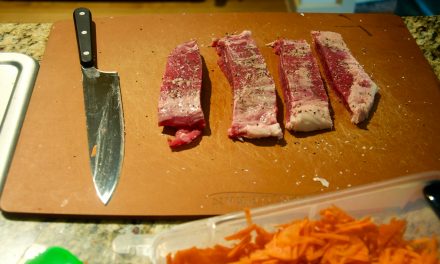
Seasoning is vital for enhancing the flavor profile of your pot roast. Generously sprinkle kosher salt and freshly ground black pepper over all sides of the meat. For added complexity, consider using a dry rub that includes garlic powder, onion powder, and smoked paprika. Allow the seasoned roast to rest while you prepare your cooking vessel and other ingredients.
Searing the Meat for Maximum Flavor

Searing the beef roast is a critical step that should not be overlooked. This process caramelizes the surface of the meat, creating a rich crust that locks in juices and adds depth to the overall flavor. Begin by heating a large Dutch oven or heavy-bottomed skillet over medium-high heat and adding a couple of tablespoons of vegetable oil or clarified butter.
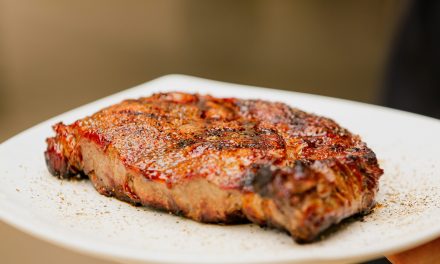
Once the oil is shimmering but not smoking, carefully place the seasoned roast into the pan. Allow it to sear undisturbed for about 4-5 minutes on each side until a deep brown crust forms. This Maillard reaction is essential for developing complex flavors that will permeate the entire dish. After searing all sides, remove the roast from the pan and set it aside on a plate while you prepare to add your vegetables.
If you’re looking to elevate your pot roast with potatoes and carrots, you might find it helpful to explore techniques for preparing the perfect baked potatoes. The right method can enhance the overall meal experience, ensuring that each component complements the others beautifully. For some great tips on achieving crispy skin and fluffy centers, check out this article on baking potatoes. This could be a fantastic addition to your pot roast recipe, making your dinner even more delightful.
Adding Potatoes, Carrots, and Aromatics
With the beef roast seared to perfection, it’s time to build layers of flavor by adding your vegetables and aromatics to the pot. Begin by sautéing diced onions in the same pan used for searing the meat; this will deglaze any flavorful bits stuck to the bottom. Cook until they become translucent, about 3-4 minutes. Next, add minced garlic and cook for an additional minute until fragrant.
Once your aromatics are ready, it’s time to incorporate the potatoes and carrots. Cut the potatoes into large chunks—about 2 inches—to ensure they hold their shape during cooking. Slice the carrots into thick rounds or sticks for similar reasons. Arrange these vegetables evenly around the seared roast in your cooking vessel, creating a colorful base that will absorb all the delicious flavors as they cook together.
If you’re looking to create a delicious pot roast with potatoes and carrots, you might find it helpful to explore some cooking tips that can enhance your culinary skills. For instance, understanding how to manage your kitchen efficiently can make meal preparation much smoother. You can read more about this in a related article that offers practical advice on household management. Check it out here to discover ways to keep your kitchen organized while you whip up that comforting pot roast.
Choosing the Right Cooking Liquid
The choice of cooking liquid plays a pivotal role in determining the final taste of your pot roast. Beef broth or stock is typically preferred due to its rich flavor profile; however, you can also enhance it by adding red wine or balsamic vinegar for acidity and depth. A combination of both broth and wine can create an exquisite balance that elevates your dish.
Pour enough liquid into the pot to cover about one-third of the roast; this will ensure that it remains moist throughout the cooking process without becoming overly saturated. Additionally, consider adding Worcestershire sauce or soy sauce for umami richness. Fresh herbs such as thyme and bay leaves can also be added at this stage to infuse their aromatic qualities into the cooking liquid.
Slow Cooking: Oven or Slow Cooker Method
Once all ingredients are assembled in your cooking vessel, it’s time to choose your cooking method: oven or slow cooker. Both methods yield delicious results but differ in terms of time and convenience.
For oven cooking, preheat your oven to 325°F (163°C). Cover your Dutch oven with a tight-fitting lid or aluminum foil and place it in the oven for approximately 3-4 hours, depending on the size of your roast. The low and slow cooking method allows collagen in the meat to break down, resulting in tender slices.
Alternatively, if you opt for a slow cooker, transfer all ingredients into your appliance and set it on low for 8-10 hours or high for 4-6 hours. The slow cooker provides a hands-off approach while still delivering tender results.
Checking for Doneness and Tenderness
As your pot roast cooks, it’s essential to monitor its doneness and tenderness periodically. The ideal internal temperature for a well-cooked pot roast is around 195°F (90°C), which allows collagen to dissolve fully and results in fork-tender meat.
To check for doneness without cutting into your roast prematurely, use an instant-read thermometer inserted into the thickest part of the meat. If you prefer a more traditional approach, you can also test tenderness by inserting a fork; if it easily pulls apart with minimal resistance, your pot roast is ready.
Resting and Carving the Pot Roast
Once your pot roast has reached optimal tenderness, remove it from the heat source and allow it to rest for at least 15-20 minutes before carving. Resting is crucial as it allows juices to redistribute throughout the meat, ensuring each slice remains moist and flavorful.
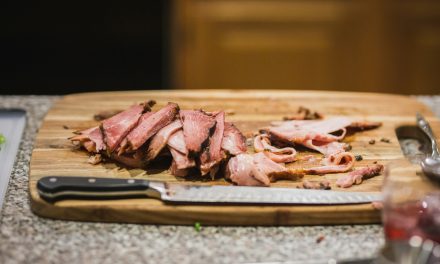
When ready to carve, use a sharp chef’s knife to slice against the grain into thick pieces—about 1 inch wide—for maximum tenderness. Arrange these slices on a serving platter alongside your cooked vegetables and spoon some of the rich gravy over them for added flavor.
Serving Suggestions and Side Dishes
Classic pot roast pairs beautifully with various side dishes that complement its hearty nature. Traditional accompaniments include creamy mashed potatoes or buttery egg noodles that soak up the savory gravy. A fresh green salad with vinaigrette can provide a refreshing contrast to balance out the richness of the dish.
For those looking to elevate their meal further, consider serving roasted Brussels sprouts or glazed carrots as additional vegetable options. A crusty loaf of bread is also an excellent choice for sopping up any remaining gravy on your plate.
Tips for Storing and Reheating Leftovers
If you find yourself with leftover pot roast—a common occurrence given its generous portions—proper storage is essential for maintaining its quality. Allow any leftovers to cool completely before transferring them into airtight containers; this will help prevent moisture loss.
Refrigerate leftovers promptly and consume them within 3-4 days for optimal freshness. When reheating, consider using low heat on the stovetop or microwave to avoid drying out the meat. Adding a splash of broth can help restore moisture during reheating.
For longer storage options, consider freezing portions of pot roast in freezer-safe containers or bags for up to three months. Thaw overnight in the refrigerator before reheating as needed.
In summary, classic pot roast with potatoes and carrots is an enduring comfort food that brings warmth and satisfaction to any meal occasion. By following these detailed steps—from ingredient selection through preparation techniques—you can create a deliciously tender dish that will delight family and friends alike. Whether served on special occasions or enjoyed as leftovers throughout the week, this timeless recipe remains a cherished favorite in kitchens everywhere.
FAQs
What ingredients do I need to make pot roast with potatoes and carrots?
To make pot roast with potatoes and carrots, you will need a beef roast (such as chuck roast), potatoes (Yukon Gold or Russet work well), carrots, onion, garlic, beef broth, olive oil, salt, pepper, and optional herbs like thyme or rosemary for added flavor.
How long does it take to cook pot roast with potatoes and carrots?
The cooking time for pot roast with potatoes and carrots typically ranges from 3 to 4 hours if using a slow cooker on low heat, or about 2 to 3 hours in the oven at 325°F (163°C). The exact time may vary depending on the size of the roast and the cooking method used.
Should I sear the meat before cooking the pot roast?
Yes, searing the meat before cooking the pot roast is recommended. This step enhances the flavor by creating a caramelized crust on the meat, which adds depth to the overall dish. Sear the roast in a hot skillet with olive oil for a few minutes on each side before transferring it to the slow cooker or oven.
Can I use other vegetables besides potatoes and carrots?
Absolutely! While potatoes and carrots are traditional choices, you can also add other vegetables such as parsnips, celery, or turnips. Just be mindful of the cooking times, as some vegetables may cook faster than others.
How do I know when the pot roast is done cooking?
The pot roast is done cooking when it reaches an internal temperature of at least 145°F (63°C) for medium-rare, but for optimal tenderness, it is often cooked to around 190°F (88°C) to 205°F (96°C). The meat should be fork-tender and easily shred apart when it is fully cooked.