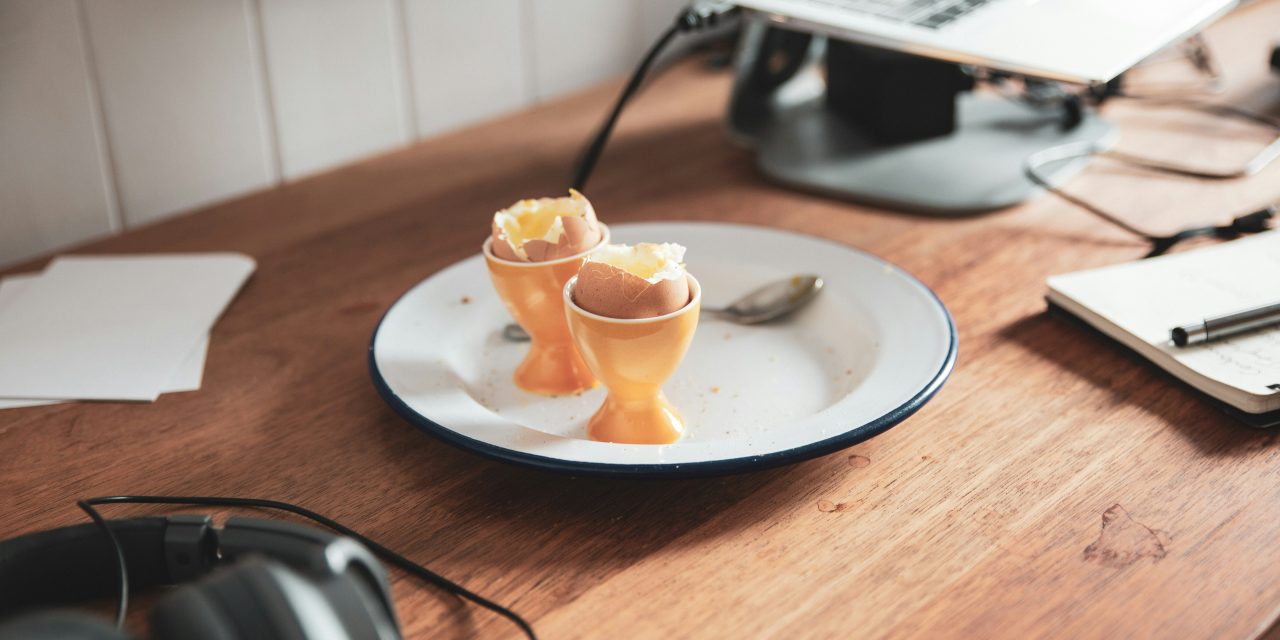
The soft boiled egg is a culinary delight that has captivated food enthusiasts around the globe. Characterized by its tender white and luscious, runny yolk, this dish is often regarded as a breakfast staple or a sophisticated addition to salads and ramen. Achieving the perfect soft boiled egg requires precision and an understanding of the delicate balance between time and temperature. The ideal soft boiled egg boasts a firm exterior while the interior remains creamy and rich, creating a delightful contrast in textures.
To master the art of soft boiling, one must consider several factors, including egg size, cooking time, and cooling methods. The science behind soft boiling involves coagulating the proteins in the egg white while leaving the yolk in a semi-liquid state. This process is influenced by the temperature of the water and the duration of exposure to heat. Understanding these principles will enable you to create consistently perfect soft boiled eggs that can elevate any meal.
If you’re looking to elevate your breakfast or brunch experience, mastering the art of soft boiled eggs with runny yolks is essential. For a delightful pairing, consider trying a simple yet delicious pasta dish that complements the richness of the eggs. You can find a fantastic recipe for an easy pantry pasta with canned tomatoes and garlic in this article: Easy Pantry Pasta with Canned Tomatoes and Garlic. This combination will surely impress your guests and satisfy your taste buds!
Choosing the Right Eggs for Soft Boiling
Selecting high-quality eggs is paramount when aiming for the perfect soft boiled egg. Freshness plays a crucial role in achieving optimal results; therefore, it is advisable to choose eggs that are as fresh as possible. Fresh eggs have firmer whites and yolks that sit higher, which contributes to a better texture after cooking. When purchasing eggs, look for those with a clean shell, intact membranes, and a sell-by date that is as far in the future as possible.
In addition to freshness, consider the size of the eggs. Large eggs are typically preferred for soft boiling due to their ideal proportions of white to yolk. However, medium or extra-large eggs can also yield satisfactory results. Organic or free-range eggs are often recommended for their superior flavor and nutritional profile. Ultimately, the choice of eggs can significantly impact the final outcome, so investing in quality is essential for culinary success.
Preparing Your Cooking Equipment

Before embarking on your journey to create perfect soft boiled eggs, it is essential to prepare your cooking equipment meticulously. A medium-sized saucepan is ideal for boiling eggs, as it allows for even heat distribution and ample space for water circulation. Additionally, a slotted spoon or a ladle will be invaluable for gently lowering and retrieving the eggs from boiling water without causing damage.
Having a bowl filled with ice water on standby is also crucial for halting the cooking process once the desired doneness is achieved. This ice bath will help maintain the integrity of the egg’s texture by rapidly cooling it down. Furthermore, ensure that you have a timer or stopwatch handy to monitor cooking times accurately. Proper preparation of your equipment will streamline the cooking process and enhance your overall experience.
Step 1: Bringing the Water to a Gentle Boil

The first step in achieving perfectly soft boiled eggs involves bringing water to a gentle boil. Fill your saucepan with enough water to cover the eggs by at least an inch, ensuring that they are fully submerged during cooking. Place the saucepan over medium-high heat and allow it to come to a gentle boil. It is important to avoid a vigorous boil, as this can cause the eggs to bounce around and crack.
Once the water reaches a rolling boil, reduce the heat slightly to maintain a gentle simmer. This controlled temperature will ensure that the eggs cook evenly without compromising their delicate structure. Monitoring the water temperature is crucial; too high of a temperature can lead to overcooked whites or yolks that are no longer runny.
If you’re looking to perfect your technique for making soft boiled eggs with runny yolks, you might find it helpful to explore related cooking tips that enhance your culinary skills. For instance, understanding how to achieve the right texture in various dishes can be quite beneficial. You can read more about this in a fascinating article that discusses the importance of proper cooking methods and their effects on food quality. Check it out here for insights that could elevate your cooking game.
Step 2: Carefully Adding the Eggs to the Water
With your water at a gentle boil, it’s time to introduce the eggs into the pot. This step requires caution to prevent cracking or damaging the shells. Using a slotted spoon or ladle, gently lower each egg into the boiling water one at a time. This method minimizes shock from temperature changes and reduces the risk of breakage.
If you are cooking multiple eggs, ensure they have enough space in the pot to move freely without colliding with one another. Overcrowding can lead to uneven cooking and inconsistent results. Once all eggs are in the pot, cover it with a lid to help maintain heat and ensure even cooking throughout.
Step 3: Timing the Boil for Runny Yolks
Timing is critical when it comes to achieving runny yolks in soft boiled eggs. For large eggs, a cooking time of approximately 6 to 7 minutes is generally recommended for optimal results. At 6 minutes, you will achieve a beautifully runny yolk with slightly firmer whites, while 7 minutes will yield a yolk that is still creamy but less liquid.
To ensure accuracy, start your timer immediately after adding the last egg to the pot. It’s essential to remain vigilant during this period; even a minute too long can result in overcooked yolks that lose their desirable texture. For those who prefer slightly firmer yolks, an additional minute may be added, but be cautious not to exceed this time frame significantly.
Step 4: Cooling the Eggs Quickly to Stop Cooking
Once your timer goes off, it’s imperative to act swiftly to halt the cooking process. Using your slotted spoon or ladle, carefully remove each egg from the boiling water and transfer them immediately into an ice bath prepared earlier. The cold water will stop further cooking and help maintain that coveted runny yolk consistency.
Allow the eggs to sit in the ice bath for about 5 minutes. This cooling period not only prevents overcooking but also makes peeling easier by contracting the egg inside its shell slightly. After cooling, gently tap each egg on a hard surface to crack the shell before peeling them under running water if desired.
Step 5: Peeling the Soft Boiled Eggs with Ease
Peeling soft boiled eggs can sometimes be challenging due to their delicate nature; however, there are techniques that can facilitate this process. Begin by gently tapping each egg on a hard surface to create small cracks around its circumference. This initial cracking allows air to enter between the shell and membrane, making it easier to remove.
For optimal peeling results, consider peeling under running water or submerging them in water while peeling. This method helps wash away any small shell fragments and reduces friction between the shell and egg white. If you encounter stubborn bits of shell clinging to the egg white, using a spoon can assist in gently lifting them away without damaging the egg.
Step 6: Serving Suggestions for Soft Boiled Eggs
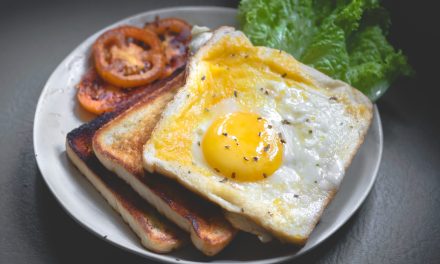
Soft boiled eggs are incredibly versatile and can be served in various ways that enhance their flavor profile and presentation. One classic serving suggestion is placing them atop buttered toast or avocado toast for a nutritious breakfast option. The creamy yolk acts as a natural sauce that complements these dishes beautifully.
Another popular way to enjoy soft boiled eggs is by incorporating them into salads or grain bowls. Their rich texture adds depth and richness to leafy greens or roasted vegetables. Additionally, soft boiled eggs are often featured in Asian cuisine, particularly in ramen dishes where they contribute both flavor and visual appeal.
Step 7: Troubleshooting Common Soft Boiled Egg Issues
Despite careful preparation, issues may arise when attempting to achieve perfect soft boiled eggs. One common problem is overcooking, which results in firm yolks instead of runny ones. To avoid this pitfall, adhere strictly to timing guidelines and remain attentive during cooking.
Another issue may be difficulty peeling due to fresh eggs having tighter membranes that cling more stubbornly to their shells. If you find yourself struggling with peeling, consider using older eggs next time or employing techniques such as steaming instead of boiling, which can help separate membranes from shells more effectively.
Tips for Consistently Perfect Soft Boiled Eggs Every Time
Achieving consistently perfect soft boiled eggs requires practice and attention to detail; however, several tips can enhance your success rate significantly. First and foremost, always use fresh ingredients and high-quality eggs for optimal flavor and texture.
Experimenting with different cooking times based on your preferences will also yield better results over time; keep notes on what works best for you regarding timing and egg size. Additionally, maintaining an ice bath ready at all times will streamline your process and prevent overcooking.
Lastly, consider investing in an egg timer or using an app designed specifically for timing soft boiled eggs; these tools can provide precise guidance tailored to your preferences.
In summary, mastering the art of soft boiling eggs involves understanding key principles such as timing, temperature control, and proper techniques for cooling and peeling. By selecting high-quality ingredients and preparing your equipment meticulously, you can create consistently delightful soft boiled eggs that elevate any meal experience. With practice and attention to detail, you’ll soon find yourself enjoying perfectly cooked soft boiled eggs every time you step into your kitchen!
FAQs
What is the ideal cooking time for soft boiled eggs with runny yolks?
The ideal cooking time for soft boiled eggs with runny yolks is typically between 6 to 7 minutes. This timing allows the whites to set while keeping the yolks creamy and runny. It’s important to start timing once the water reaches a gentle boil.
How should I prepare the eggs before boiling them?
Before boiling, it’s recommended to take the eggs out of the refrigerator and let them sit at room temperature for about 10-15 minutes. This helps prevent cracking and ensures even cooking. You can also gently poke a small hole in the wider end of the egg to release any trapped air, which can help prevent cracking during boiling.
What is the best method for cooling soft boiled eggs after cooking?
After cooking, immediately transfer the eggs to an ice bath by placing them in a bowl filled with ice and cold water. This stops the cooking process and helps achieve the desired runny yolk consistency. Let them sit in the ice bath for about 5 minutes before peeling.
Can I use different types of eggs for soft boiling?
Yes, you can use different types of eggs for soft boiling, including chicken, duck, or quail eggs. However, cooking times may vary slightly depending on the size and thickness of the shell. Generally, larger eggs may require a bit more time, while smaller eggs may need less.
What are some tips for peeling soft boiled eggs easily?
To peel soft boiled eggs easily, consider using eggs that are a few days old, as they tend to peel better than fresh eggs. After cooling in the ice bath, gently tap the egg on a hard surface to crack the shell, then roll it lightly to loosen the shell. Peeling under running water can also help remove stubborn bits of shell.