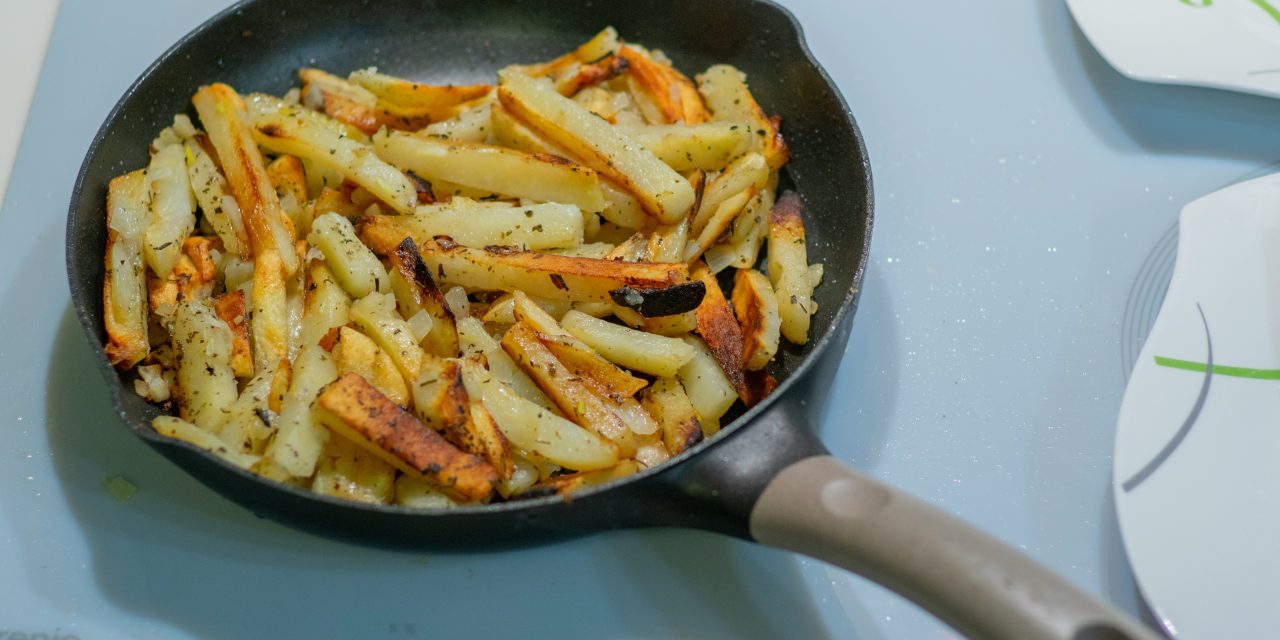
Hash browns are a beloved breakfast staple, renowned for their golden-brown exterior and fluffy interior. The key to achieving that coveted crispiness lies in the cooking technique and the ingredients used. The Maillard reaction, a chemical process that occurs when proteins and sugars in food react under heat, plays a pivotal role in developing the rich flavors and appealing textures of hash browns. This reaction not only contributes to the browning but also enhances the overall taste profile, making each bite irresistible.
To achieve optimal crispiness, it is essential to understand the moisture content of the potatoes. Excess moisture can lead to soggy hash browns, while the right balance allows for a delightful crunch. The starches present in potatoes also contribute significantly to texture; when cooked, they gelatinize and create a crispy crust. Therefore, mastering the art of hash brown preparation involves a combination of selecting the right potatoes, employing effective cooking techniques, and understanding the science behind crispiness.
If you’re looking to elevate your breakfast game, mastering the art of making crispy hash browns at home is a must. For additional tips on maintaining a healthy and inviting kitchen environment, you might find this article on seasonal care helpful. It provides essential advice that can enhance your cooking space, ensuring that your culinary creations, like those delicious hash browns, are made in a clean and organized setting. Check it out here: 10 Essential Seasonal Care Tips for a Healthy Home Year-Round.
Choosing the Right Potatoes for Optimal Texture
Selecting the appropriate type of potato is crucial for crafting perfect hash browns. Starchy potatoes, such as Russets or Idaho potatoes, are ideal due to their high starch content and low moisture levels. These characteristics allow for superior crispiness and a fluffy interior. In contrast, waxy potatoes like red or new potatoes contain more moisture and less starch, which can result in a gummy texture when cooked.
When choosing potatoes, consider their size and freshness as well. Larger potatoes tend to have a higher starch content, while smaller ones may be more waxy. Freshness is equally important; older potatoes may have sprouted or developed a green tint, indicating solanine production, which can impart a bitter flavor. Opting for firm, blemish-free potatoes will ensure that your hash browns achieve the desired texture and flavor.
The Importance of Properly Washing and Drying Potatoes

Before grating potatoes for hash browns, it is imperative to wash them thoroughly to remove any dirt or pesticides. A gentle scrub under running water will suffice; however, avoid using soap as it can leave residues that affect flavor. After washing, drying the potatoes is equally important. Excess moisture can hinder the crisping process during cooking.
To effectively dry potatoes, use a clean kitchen towel or paper towels to pat them down. For an even drier result, consider using a salad spinner to remove excess water after grating. This step is often overlooked but is vital for achieving that perfect crunch. By ensuring that your potatoes are clean and dry, you set the foundation for deliciously crispy hash browns.
The technique used for grating potatoes significantly influences the final texture of hash browns. Coarse grating yields larger shreds that create a heartier bite and allow for more surface area to crisp up during cooking. This method is particularly favored by those who enjoy a rustic texture in their hash browns.
On the other hand, fine grating produces smaller shreds that can lead to a more uniform texture and quicker cooking time. While fine shreds may not provide as much crunch as coarse ones, they can create a delightful crispiness when cooked properly. Ultimately, the choice between coarse and fine grating depends on personal preference; experimenting with both techniques can help you discover your ideal hash brown texture.
Pre-Cooking Methods: Parboiling or Microwaving for Best Results

Pre-cooking methods such as parboiling or microwaving can enhance the texture of hash browns by partially cooking the potatoes before frying. Parboiling involves briefly boiling grated potatoes in salted water until they are just tender but not fully cooked. This technique helps to remove excess starch and moisture while ensuring that the potatoes maintain their structure during frying.
Microwaving is another effective method for pre-cooking hash brown ingredients. By microwaving grated potatoes for a few minutes, you can achieve similar results to parboiling without the need for additional pots or pans. Both methods help to create a crispy exterior while ensuring that the interior remains fluffy and tender. Incorporating these pre-cooking techniques into your preparation routine can elevate your hash brown game significantly.
If you’re looking to elevate your breakfast game, mastering the art of making crispy hash browns at home can be a delightful culinary adventure. To achieve that perfect golden-brown texture, it’s essential to choose the right potatoes and use a few simple techniques. For more tips on creating a happy and healthy kitchen environment, you might find this article on dog care and training helpful, as it emphasizes the importance of a well-organized space. Check it out here for some great insights that can enhance your cooking experience.
Using the Right Oil and Temperature for Frying
The choice of oil plays a critical role in achieving crispy hash browns. Oils with high smoke points, such as vegetable oil, canola oil, or peanut oil, are ideal for frying as they can withstand high temperatures without burning. These oils also impart minimal flavor, allowing the natural taste of the potatoes to shine through.
Temperature control is equally important when frying hash browns. Preheat your oil to around 350°F (175°C) before adding the grated potatoes; this ensures immediate sizzle upon contact, promoting crispiness. Cooking at too low a temperature can lead to greasy hash browns, while excessively high temperatures may cause burning before the interior cooks through. Maintaining an optimal frying temperature is essential for achieving that perfect golden-brown crust.
The Secret to Achieving Even Browning and Crispiness
Achieving even browning in hash browns requires attention to detail during the cooking process. One effective technique is to spread the grated potatoes evenly in the frying pan without overcrowding them. This allows hot oil to circulate freely around each shred, promoting uniform cooking and preventing steaming.
Additionally, flipping the hash browns at strategic intervals can enhance evenness in browning. Allow one side to develop a golden crust before carefully flipping it over with a spatula. This method not only ensures even cooking but also helps maintain the integrity of each potato shred. By employing these techniques, you can achieve beautifully browned and crispy hash browns every time.
Avoiding Overcrowding: Cooking Hash Browns in Batches
Overcrowding the frying pan is one of the most common mistakes made when preparing hash browns. When too many potato shreds are added at once, they release moisture into the pan, leading to steaming rather than frying. This results in soggy hash browns that lack the desired crispiness.
To avoid this pitfall, cook hash browns in smaller batches. This allows each batch ample space to fry evenly without interference from neighboring shreds. While it may take longer to prepare larger quantities this way, the end result will be worth it—crispy and delicious hash browns that are sure to impress.
Draining Excess Oil: Tips for Maintaining Crunch
After frying hash browns, it is crucial to drain excess oil to maintain their crunchiness. Place cooked hash browns on a plate lined with paper towels or a wire rack to absorb any residual oil. This step prevents sogginess and helps retain that delightful crispy texture.
For an added layer of crunchiness, consider placing cooked hash browns in a preheated oven set at low temperature (around 200°F or 93°C) while you finish frying subsequent batches. This keeps them warm without compromising their crispness. By implementing these draining techniques, you ensure that your hash browns remain irresistibly crunchy until served.
Seasoning at the Perfect Time for Maximum Flavor
Seasoning plays an integral role in enhancing the flavor profile of hash browns. However, timing is key; adding salt too early during cooking can draw out moisture from the potatoes, leading to sogginess. Instead, season your hash browns immediately after frying while they are still hot and slightly oily.
In addition to salt, consider incorporating other seasonings such as pepper, garlic powder, or onion powder for added depth of flavor. Fresh herbs like chives or parsley can also elevate your dish with vibrant color and taste. By seasoning at just the right moment, you maximize flavor without compromising texture.
Serving Suggestions: Keeping Hash Browns Hot and Crispy
Serving hash browns hot and crispy is essential for an enjoyable dining experience. To keep them warm while preparing other components of your meal, place them in an oven set at low heat (around 200°F or 93°C). This method allows you to maintain their temperature without sacrificing crispiness.
For an appealing presentation, consider serving hash browns alongside eggs cooked to your preference—whether scrambled, fried, or poached—and garnishing with fresh herbs or avocado slices for added color and nutrition. Pairing with condiments such as ketchup or hot sauce can also enhance flavor profiles while providing guests with options tailored to their tastes.
In summary, mastering the art of crispy hash browns involves understanding key factors such as potato selection, washing techniques, grating methods, pre-cooking strategies, oil choice, temperature control, and seasoning timing. By following these guidelines and avoiding common pitfalls like overcrowding and premature seasoning, you can create deliciously crispy hash browns that will delight breakfast enthusiasts everywhere.
### FAQ Section
1. **What type of potato is best for making hash browns?**
– Starchy potatoes like Russets or Idaho potatoes are ideal due to their high starch content and low moisture levels.
2. **How do I prevent my hash browns from becoming soggy?**
– Ensure that you wash and dry your potatoes thoroughly before grating them and avoid overcrowding during frying.
3. **Can I use frozen grated potatoes?**
– Yes! Frozen grated potatoes can be convenient; however, ensure they are thawed and drained well before cooking to avoid excess moisture.
4. **What oil should I use for frying hash browns?**
– Oils with high smoke points such as vegetable oil or canola oil are recommended for frying due to their ability to withstand high temperatures without burning.
5. **How do I achieve even browning?**
– Spread grated potatoes evenly in the pan without overcrowding and flip them strategically during cooking for uniformity.
6. **Is it necessary to pre-cook my potatoes?**
– Pre-cooking methods like parboiling or microwaving can enhance texture by removing excess moisture before frying.
7. **How do I keep my hash browns warm without losing crispiness?**
– Place cooked hash browns in a preheated oven set at low temperature while finishing other batches.
8. **When should I season my hash browns?**
– Season immediately after frying while they are still hot to maximize flavor without drawing out moisture prematurely.
9. **Can I make hash browns ahead of time?**
– While freshly made is best for texture, you can prepare them ahead by storing cooked hash browns in an airtight container in the refrigerator and reheating them in an oven or skillet before serving.
10. **What are some creative serving suggestions?**
– Serve alongside eggs cooked to preference or top with avocado slices and fresh herbs for added nutrition and visual appeal.
In conclusion, creating perfectly crispy hash browns requires attention to detail from selecting the right ingredients to employing effective cooking techniques. By following these guidelines and experimenting with various methods, you can elevate your breakfast game and enjoy this classic dish at its finest!
FAQs
What type of potatoes are best for making crispy hash browns?
Russet potatoes are the best choice for making crispy hash browns due to their high starch content, which helps achieve a crispy texture when cooked. Yukon Gold potatoes can also be used for a creamier texture, but they may not get as crispy as Russets.
Should I soak the potatoes before cooking hash browns?
Yes, soaking the grated potatoes in cold water for about 30 minutes helps remove excess starch, which can prevent them from becoming crispy. After soaking, be sure to thoroughly dry the potatoes with a clean kitchen towel or paper towels before cooking.
What cooking oil is recommended for frying hash browns?
Vegetable oil, canola oil, or peanut oil are recommended for frying hash browns because they have high smoke points and can withstand the heat needed to achieve a crispy texture. Avoid using olive oil, as it has a lower smoke point and may burn.
How can I ensure my hash browns cook evenly and become crispy?
To ensure even cooking and crispiness, spread the grated potatoes in a thin, even layer in the frying pan and avoid overcrowding. Cook them over medium-high heat and allow them to form a crust before flipping, which usually takes about 5-7 minutes per side.
Can I make hash browns in advance and reheat them later?
Yes, you can make hash browns in advance. After cooking, let them cool completely, then store them in an airtight container in the refrigerator for up to 3 days. To reheat, place them in a hot skillet with a little oil to restore their crispiness.