Understanding your beard growth pattern is crucial for achieving the desired facial hair aesthetics. Each individual has a unique hair growth cycle influenced by genetics, hormonal levels, and age. Typically, beard hair grows in cycles, with anagen (growth), catagen (transition), and telogen (resting) phases. The average growth rate for facial hair is approximately half an inch per month, but this can vary significantly among individuals.
To effectively manage your beard, observe the direction in which your hair grows. Some men may experience patchy growth or uneven density, which can be attributed to genetic predispositions or hormonal imbalances. Identifying these patterns allows for tailored grooming techniques that enhance the overall appearance of your beard. For instance, if your beard grows more densely on the cheeks than on the chin, you might choose to style it in a way that emphasizes the fuller areas while minimizing the appearance of sparser regions.
If you’re looking to enhance the appearance of your thin beard, you might find it helpful to explore grooming techniques that can make a significant difference. For instance, a related article on how to groom a Labradoodle between professional haircuts offers valuable insights into maintaining a well-groomed look, which can be applied to beard care as well. You can read more about it here: how to groom a Labradoodle between professional haircuts.
Keep Your Beard Well-Groomed and Trimmed
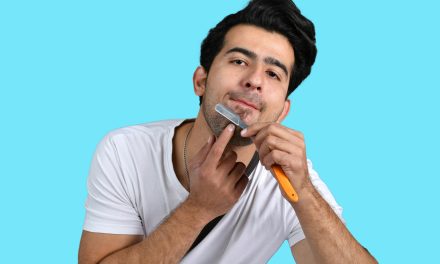
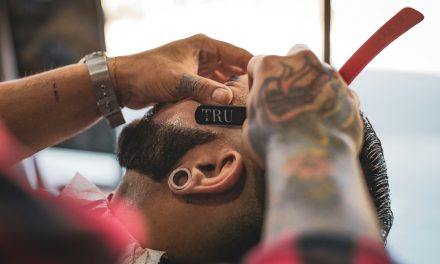
Regular grooming and trimming are essential components of maintaining a healthy beard. A well-groomed beard not only looks more polished but also promotes healthy growth by preventing split ends and breakage. Invest in high-quality grooming tools such as scissors, clippers, and combs designed specifically for facial hair. Trimming should be done every few weeks to maintain shape and remove any damaged hair.
When trimming, it is advisable to follow the natural contours of your face. This technique ensures that the beard complements your facial structure rather than detracting from it. Additionally, using a comb while trimming can help achieve an even cut and prevent uneven lengths. Regular grooming sessions also provide an opportunity to inspect your beard for any signs of irritation or skin conditions, allowing for timely intervention if necessary.
Use Beard Oil to Add Shine and Volume

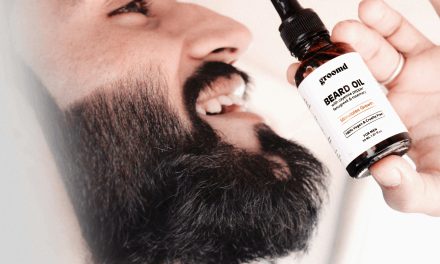
Incorporating beard oil into your grooming routine can significantly enhance the appearance and health of your facial hair. Beard oils are typically formulated with a blend of carrier oils such as jojoba, argan, or coconut oil, which nourish both the hair and the underlying skin. These oils penetrate the hair shaft, providing hydration and promoting a lustrous shine that can make your beard appear fuller.
To apply beard oil effectively, dispense a few drops into your palms and rub them together before massaging the oil into your beard and skin. This technique ensures even distribution and maximizes absorption. Regular use of beard oil not only adds shine but also helps to reduce itchiness and flakiness associated with dry skin beneath the beard. Aim to apply beard oil daily or as needed to maintain optimal moisture levels.
Apply Beard Balm for a Fuller Appearance

Beard balm serves as an excellent complement to beard oil, providing additional hold and styling capabilities while enhancing volume. Typically composed of beeswax, shea butter, and essential oils, beard balm offers a thicker consistency that helps shape and tame unruly hairs. The beeswax creates a protective barrier that locks in moisture while providing a light hold for styling purposes.
To use beard balm effectively, scoop a small amount with your fingers and warm it between your palms until it melts. Then, apply it evenly throughout your beard, focusing on areas that require extra control or volume. The nourishing ingredients in beard balm not only contribute to a fuller appearance but also promote healthy growth by conditioning the hair and skin.
If you’re looking to enhance the appearance of a thin beard, there are several techniques you can try to make it look fuller and more robust. One effective method is to use a beard oil or balm that not only nourishes the hair but also adds volume. Additionally, trimming your beard to a uniform length can create the illusion of thickness. For more tips on grooming and styling, you might find this article on quick meal ideas helpful, as it emphasizes the importance of maintaining a well-rounded routine that includes self-care.
Try a Beard Filler or Pencil for Sparse Areas
For those struggling with patchy or sparse areas in their beard, utilizing a beard filler or pencil can be an effective solution. These products are designed to mimic the appearance of hair follicles, filling in gaps and creating the illusion of a fuller beard. Available in various shades to match different hair colors, these fillers can be easily applied with precision.
When using a beard filler or pencil, start by selecting a shade that closely matches your natural hair color. Apply the product in short strokes to mimic natural hair growth patterns, focusing on areas that require more density. Blend the product gently with a brush or your fingers to achieve a seamless finish. This technique can dramatically enhance the overall appearance of your beard, providing confidence in its fullness.
If you’re looking for tips on how to make a thin beard look thicker, you might find it helpful to explore grooming techniques that can enhance your overall appearance. For instance, maintaining a clean and tidy look can significantly impact how your beard is perceived. A related article on cleaning window blinds offers insights into the importance of cleanliness in your environment, which can parallel the care you give to your grooming routine. By focusing on both your beard and your surroundings, you can create a more polished and put-together image.
Maintain a Healthy Diet to Promote Growth
A balanced diet plays a pivotal role in promoting healthy beard growth. Nutrients such as vitamins A, C, E, biotin, and omega-3 fatty acids are essential for optimal hair health. Foods rich in these nutrients include leafy greens, nuts, seeds, fish, eggs, and avocados. Incorporating these items into your daily meals can support not only beard growth but also overall health.
Additionally, staying hydrated is crucial for maintaining healthy skin and hair follicles. Aim to drink at least eight glasses of water daily to ensure proper hydration levels. A well-nourished body will reflect positively on your facial hair growth, leading to thicker and healthier strands over time.
Exfoliate the Skin Beneath Your Beard Regularly
Exfoliation is an often-overlooked aspect of beard care that can significantly impact growth and health. Regularly exfoliating the skin beneath your beard helps remove dead skin cells, unclog pores, and prevent ingrown hairs. This process promotes better circulation and encourages new hair growth by creating an optimal environment for follicles.
To exfoliate effectively, consider using a gentle scrub or an exfoliating brush specifically designed for facial use. Aim to exfoliate once or twice a week to avoid irritation while ensuring that the skin remains healthy and free from buildup. Following exfoliation with a nourishing moisturizer or beard oil will further enhance hydration levels and promote overall skin health.
Use a Beard Brush to Distribute Oils Evenly
A high-quality beard brush is an invaluable tool for maintaining a well-groomed appearance while ensuring even distribution of oils throughout your facial hair. Brushes made from boar bristles are particularly effective as they help distribute natural oils from the skin along the length of the hair strands. This process not only enhances shine but also promotes healthier growth by preventing dryness.
When using a beard brush, start at the base of your beard and work your way downwards in gentle strokes. This technique helps detangle any knots while evenly distributing oils and products applied earlier in your grooming routine. Regular brushing also stimulates blood flow to the hair follicles, promoting healthier growth over time.
Consider Dyeing Your Beard for Depth and Contrast
Dyeing your beard can be an effective way to add depth and contrast to your facial hair, especially if you have gray hairs or uneven coloring. Beard dyes are available in various formulations designed specifically for facial hair, ensuring that they are gentle on the skin while providing long-lasting color. When selecting a dye, choose one that complements your natural hair color for a more seamless look.
Before applying dye, conduct a patch test to check for any allergic reactions or sensitivities. Follow the manufacturer’s instructions carefully for application and processing times to achieve optimal results. Dyeing can enhance the overall appearance of your beard by creating dimension and making it appear fuller.
Avoid Overwashing to Prevent Dryness
While maintaining cleanliness is essential for beard care, overwashing can lead to dryness and irritation of both the hair and underlying skin. Frequent washing strips natural oils that provide moisture and protection against environmental factors. It is advisable to wash your beard no more than two to three times per week using a gentle cleanser formulated specifically for facial hair.
When washing your beard, use lukewarm water to avoid stripping essential oils further. Follow up with conditioner or beard oil to replenish moisture levels after cleansing. This approach will help maintain hydration while ensuring that your beard remains clean and healthy without compromising its integrity.
Stay Consistent with Your Beard Care Routine
Consistency is key when it comes to achieving optimal results in beard care. Establishing a daily routine that incorporates grooming practices such as washing, conditioning, oiling, and styling will yield significant improvements over time. By adhering to this regimen, you will not only enhance the appearance of your beard but also promote healthier growth.
Consider setting reminders or creating a checklist to ensure that you stay on track with your routine. Regularly assess the condition of your beard and make adjustments as needed based on its changing needs due to seasonal variations or lifestyle changes. A dedicated approach will ultimately lead to a fuller, healthier-looking beard that reflects your personal style.
In summary, achieving an impressive beard requires understanding its growth pattern, maintaining proper grooming practices, utilizing nourishing products like oils and balms, and adopting healthy lifestyle habits such as diet and hydration. By following these guidelines consistently while addressing specific concerns like sparse areas or dryness through targeted solutions like fillers or exfoliation techniques, you can cultivate a robust and attractive facial mane that enhances your overall appearance.
FAQs
What are some grooming techniques to make a thin beard look thicker?
To make a thin beard appear thicker, consider using a beard trimmer to create a uniform length, which can help give the illusion of fullness. Additionally, using a beard comb to style and lift the hairs can create volume. Regularly trimming the edges can also help define the shape and make the beard look denser.
Can products help in making a thin beard look thicker?
Yes, there are various products designed to enhance the appearance of a thin beard. Beard oils and balms can add shine and moisture, making the hair look healthier and fuller. Additionally, using a beard filler or a colored beard spray can help to fill in sparse areas and create the illusion of thickness.
Is there a specific beard style that works best for thin beards?
Certain beard styles can complement thin beards better than others. A stubble or a short, well-groomed beard can create a fuller appearance. Avoid long, bushy styles, as they can emphasize thinness. A goatee or a circle beard can also work well, as they draw attention to the chin and can create a thicker look.
How does diet affect beard thickness?
A healthy diet can significantly impact beard growth and thickness. Consuming foods rich in vitamins and minerals, such as biotin, zinc, and omega-3 fatty acids, can promote healthier hair growth. Staying hydrated and maintaining a balanced diet can also improve the overall health of your beard.
Are there any natural remedies to enhance beard thickness?
Yes, several natural remedies may help enhance beard thickness. Massaging the beard area with essential oils like rosemary or peppermint can stimulate blood circulation and promote hair growth. Additionally, using natural oils such as castor oil or coconut oil can nourish the hair and improve its overall appearance.