The rapid cooling of cooked food is a critical aspect of food safety that cannot be overstated. When food is left at room temperature for extended periods, it enters the “danger zone,” a temperature range between 40°F (4°C) and 140°F (60°C) where pathogenic bacteria can proliferate exponentially. The Centers for Disease Control and Prevention (CDC) estimates that approximately 48 million Americans suffer from foodborne illnesses each year, leading to significant health complications and even fatalities. Therefore, understanding the importance of cooling cooked food quickly is paramount in mitigating these risks.
Cooling food promptly not only preserves its quality and flavor but also extends its shelf life. When food cools too slowly, it can develop off-flavors and textures that make it unpalatable. Moreover, rapid cooling helps maintain the nutritional integrity of the food, ensuring that essential vitamins and minerals are retained. By implementing effective cooling techniques, individuals can safeguard their health while enjoying delicious meals.
When it comes to meal prepping, one crucial step is ensuring that cooked food is cooled properly before storing it. This not only helps maintain the food’s quality but also prevents the growth of harmful bacteria. For more tips on how to effectively cool cooked food, you might find this article helpful: Top 10 Dog Boarding Facilities for Your Furry Friend’s Staycation. While the article focuses on dog boarding, it also emphasizes the importance of proper food handling, which can be beneficial for your meal prep routine.
Use Shallow Containers to Speed Up Cooling
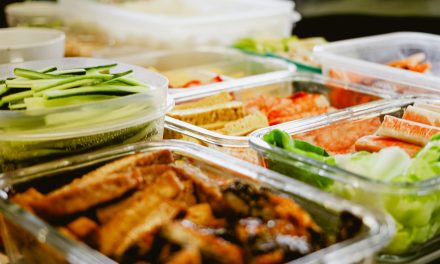
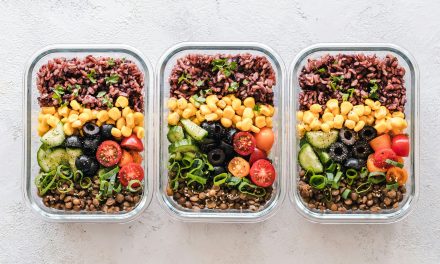
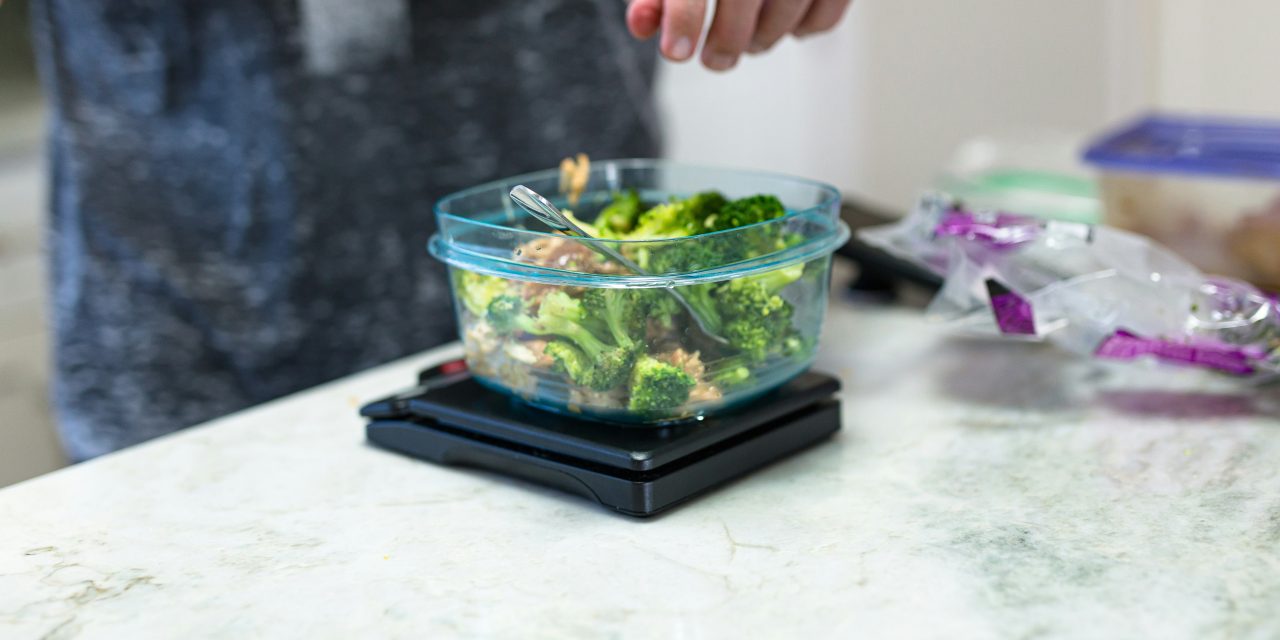
One of the most effective methods for expediting the cooling process is to utilize shallow containers. Shallow containers have a larger surface area compared to deep ones, allowing heat to dissipate more rapidly. When food is placed in shallow containers, it cools more evenly and quickly, reducing the time it spends in the danger zone. For optimal results, containers should ideally be no more than 2 inches deep.
When selecting containers, opt for materials that conduct heat well, such as glass or metal. These materials facilitate faster cooling compared to plastic, which can insulate heat. Additionally, ensure that the containers are tightly sealed to prevent contamination while still allowing for airflow. By employing shallow containers, individuals can significantly reduce the risk of bacterial growth and enhance food safety.
Divide Large Portions into Smaller Batches

Another effective strategy for cooling cooked food quickly is to divide large portions into smaller batches. When large quantities of food are cooled together, the center of the mass may remain warm for an extended period, creating an environment conducive to bacterial growth. By breaking down large portions into smaller servings, heat can escape more efficiently, allowing for a quicker reduction in temperature.
For instance, instead of placing a large pot of soup directly into the refrigerator, consider transferring it into several smaller bowls or containers. This method not only accelerates cooling but also makes it easier to reheat individual servings later on. Furthermore, smaller portions are more manageable and can be consumed at different times, reducing waste and promoting better meal planning.
Utilize an Ice Bath for Rapid Temperature Reduction

An ice bath is an excellent technique for achieving rapid temperature reduction in cooked foods. This method involves placing a container of hot food into a larger bowl or sink filled with ice and cold water. The cold water absorbs heat from the food container, facilitating a swift drop in temperature. This technique is particularly effective for liquids such as soups, sauces, or stews.
To create an effective ice bath, ensure that the water level reaches at least halfway up the sides of the food container without spilling over. Stirring the food occasionally while it is in the ice bath can further enhance heat transfer by promoting even cooling throughout the dish. This method not only expedites cooling but also minimizes the risk of bacterial growth during the critical cooling phase.
When it comes to meal prepping, one crucial step often overlooked is how to cool cooked food properly before storing it. This not only helps maintain the quality and safety of your meals but also prevents bacterial growth. For more tips on ensuring your food is ready for storage, you might find this article on cooling techniques particularly helpful. By following these guidelines, you can streamline your meal prep process and enjoy delicious, safe meals throughout the week.
Stir Food Occasionally to Release Heat
Stirring cooked food occasionally during the cooling process is a simple yet effective way to promote heat dissipation. When food is stirred, it allows cooler air to circulate throughout the dish, facilitating a more uniform temperature reduction. This technique is particularly beneficial for thicker foods such as casseroles or stews, where heat may become trapped in the center.
In addition to enhancing cooling efficiency, stirring can also help prevent the formation of a skin on the surface of certain foods, such as custards or sauces. By incorporating this practice into your cooling routine, you can ensure that your dishes cool down quickly and safely while maintaining their desired texture and consistency.
Place Containers in the Refrigerator Promptly
Once cooked food has cooled sufficiently at room temperature, it is crucial to place it in the refrigerator promptly. The USDA recommends refrigerating perishable foods within two hours of cooking to minimize the risk of bacterial growth. If the ambient temperature exceeds 90°F (32°C), this timeframe is reduced to just one hour.
When placing containers in the refrigerator, ensure they are not stacked on top of one another. Allowing space between containers promotes better air circulation and facilitates even cooling throughout the fridge. Additionally, avoid placing hot food directly next to cold items, as this can raise the temperature of surrounding foods and compromise their safety.
Avoid Overcrowding in the Fridge for Better Air Circulation
Overcrowding in the refrigerator can hinder proper air circulation, leading to uneven cooling and potential food safety hazards. When items are crammed together, cold air cannot circulate effectively around each container, resulting in some foods remaining at unsafe temperatures for longer periods.
To maintain optimal refrigeration conditions, organize your fridge by grouping similar items together while leaving adequate space between containers. This practice not only promotes better airflow but also makes it easier to locate items when needed. Regularly check your refrigerator’s temperature settings to ensure they remain at or below 40°F (4°C) for maximum safety.
Use Cooling Racks to Allow Airflow Around Hot Dishes
Cooling racks are invaluable tools for promoting airflow around hot dishes during the cooling process. These racks elevate food off surfaces, allowing air to circulate freely underneath and around each item. This method is particularly effective for baked goods such as cookies or cakes but can also be applied to other hot dishes.
When using cooling racks, ensure they are placed in a well-ventilated area away from direct sunlight or heat sources. This will further enhance cooling efficiency and prevent any potential contamination from surrounding surfaces. By incorporating cooling racks into your kitchen routine, you can achieve optimal cooling results while preserving the quality of your culinary creations.
Chill Food in the Freezer for Short Periods When Appropriate
Chilling food in the freezer can be an effective method for rapid cooling when done correctly. However, this technique should be used judiciously and only for short periods to avoid freezing the food solidly unless that is your intention. Foods should be monitored closely to prevent them from becoming frozen, which can alter their texture and flavor.
To utilize this method effectively, place hot food in shallow containers and spread it out on a baking sheet before transferring it to the freezer. This allows for even cooling without risking freezer burn or unwanted texture changes. Once cooled sufficiently—typically within 30 minutes—transfer the food back to the refrigerator or store it appropriately for longer-term freezing.
Monitor Food Temperature with a Food Thermometer
Using a food thermometer is essential for ensuring that cooked foods reach safe temperatures during cooking and cooling processes. A digital instant-read thermometer provides accurate readings within seconds and is invaluable for monitoring both cooking temperatures and cooling progress.
When checking temperatures during cooling, aim for foods to reach below 70°F (21°C) within two hours and below 40°F (4°C) within four hours after cooking. Regularly calibrate your thermometer according to manufacturer instructions to ensure accuracy over time. By incorporating this tool into your kitchen practices, you can enhance food safety and minimize risks associated with improper cooling.
Practice Safe Food Handling to Prevent Bacterial Growth
Safe food handling practices are crucial in preventing bacterial growth throughout all stages of food preparation and storage. This includes washing hands thoroughly before handling food, using separate cutting boards for raw meats and vegetables, and ensuring all utensils are sanitized properly.
Additionally, always store leftovers promptly in airtight containers and label them with dates to track freshness effectively. Regularly clean your refrigerator and check expiration dates on stored items to minimize risks associated with spoiled foods. By adhering to these safe handling practices, individuals can significantly reduce their risk of foodborne illnesses while enjoying delicious meals.
In summary, understanding how to cool cooked food quickly is essential for maintaining food safety and quality. Utilizing shallow containers, dividing large portions into smaller batches, employing ice baths, stirring occasionally, and promptly refrigerating are all effective strategies that contribute to rapid cooling. Additionally, avoiding overcrowding in refrigerators and using cooling racks can enhance airflow around hot dishes. Monitoring temperatures with a thermometer ensures that foods remain safe throughout their storage life while practicing safe handling techniques minimizes bacterial growth risks. By implementing these practices diligently, individuals can enjoy delicious meals without compromising their health or safety.
FAQs
Why is it important to cool cooked food before meal prepping?
Cooling cooked food before meal prepping is crucial to prevent the growth of harmful bacteria. When food is left at room temperature for too long, it can enter the “danger zone” (between 40°F and 140°F), where bacteria multiply rapidly. Proper cooling helps ensure food safety and extends the shelf life of your meals.
What is the best method to cool cooked food quickly?
The best method to cool cooked food quickly is to divide large portions into smaller, shallow containers. This increases the surface area and allows heat to dissipate more rapidly. Additionally, placing the containers in an ice bath or using a fan can further expedite the cooling process.
How long should cooked food be left to cool before refrigerating?
Cooked food should be cooled to room temperature within two hours before being placed in the refrigerator. If the food is still warm after this time, it should be cooled further to ensure it reaches a safe temperature before storage.
Can I leave cooked food out overnight to cool?
No, it is not safe to leave cooked food out overnight to cool. Food should not be left at room temperature for more than two hours, as this increases the risk of bacterial growth. Always refrigerate or freeze food promptly after cooking.
What temperature should cooked food reach before storing it?
Cooked food should be cooled to below 40°F (4°C) before storing it in the refrigerator. This temperature helps inhibit bacterial growth and ensures that the food remains safe for consumption during meal prep.