Eggless French toast is a delightful alternative for those who are vegan, allergic to eggs, or simply looking to reduce their cholesterol intake. This dish, traditionally made with eggs, can be transformed into a delicious and satisfying meal without compromising on flavor or texture. The beauty of eggless French toast lies in its versatility; it can be customized to suit various dietary preferences while still delivering that classic, comforting taste. By utilizing innovative substitutes, anyone can enjoy this breakfast staple, making it accessible to a broader audience.
Moreover, the preparation of eggless French toast encourages creativity in the kitchen. With a plethora of plant-based ingredients available, one can experiment with different flavors and textures, resulting in a unique culinary experience. Whether served as a sweet breakfast treat or a savory brunch option, eggless French toast can cater to diverse palates. This article will explore various methods and ingredients that can be used to create a delectable egg-free version of this beloved dish.
If you’re looking for a delicious way to enjoy French toast without using eggs, you might find it helpful to explore alternative recipes that cater to various dietary preferences. For instance, you can check out this article on how to make French toast without eggs, which offers creative substitutes and tips for achieving that classic flavor and texture. Additionally, if you’re interested in maintaining a clean and fresh kitchen environment while cooking, you can read about effective methods for washing yellowed pillows and removing sweat stains in this informative article: How to Wash Yellowed Pillows and Remove Sweat Stains.
Choosing the Right Bread for Eggless French Toast
Selecting the appropriate bread is crucial for achieving the perfect eggless French toast. The type of bread you choose will significantly influence the texture and flavor of the final product. Thick slices of bread, such as brioche, challah, or sourdough, are ideal as they absorb the batter well without falling apart. Whole grain or gluten-free options can also be utilized for those with dietary restrictions, providing a hearty base that complements the other ingredients.
When selecting bread, consider freshness and density. Stale bread is often preferred because it absorbs the batter more effectively, resulting in a custard-like interior once cooked. Additionally, artisanal breads with unique flavors can elevate your dish, adding depth and character. Ultimately, the right choice of bread will enhance the overall experience of your eggless French toast.
Using Plant-Based Milk as an Egg Substitute

Plant-based milk serves as an excellent substitute for eggs in French toast recipes. Almond milk, soy milk, oat milk, and coconut milk are popular choices that provide creaminess and moisture without the use of animal products. Each type of plant-based milk has its own distinct flavor profile; for instance, almond milk offers a nutty taste while coconut milk imparts a tropical essence.
When using plant-based milk, it is essential to select unsweetened varieties to maintain control over the sweetness of your dish. The typical ratio for replacing eggs with plant-based milk is approximately 1/4 cup of milk per egg. This substitution not only contributes to the desired texture but also allows for a lighter and healthier version of French toast. Experimenting with different types of plant-based milk can lead to exciting flavor combinations that enhance your breakfast experience.
Incorporating Flaxseed or Chia Seeds for Binding

Flaxseed and chia seeds are remarkable ingredients that serve as effective binding agents in eggless French toast recipes. When mixed with water, these seeds form a gel-like consistency that mimics the binding properties of eggs. To create a flaxseed or chia seed “egg,” combine one tablespoon of ground seeds with three tablespoons of water and let it sit for about 10-15 minutes until it thickens.
Incorporating these seeds not only helps bind the ingredients together but also adds nutritional benefits. Flaxseeds are rich in omega-3 fatty acids and fiber, while chia seeds provide antioxidants and essential minerals. By including these superfoods in your eggless French toast batter, you enhance both the health benefits and the overall texture of the dish.
If you’re looking for a delicious way to enjoy French toast without using eggs, you might find it helpful to explore alternative recipes that cater to various dietary preferences. For a comprehensive guide on how to make French toast without eggs, check out this informative article. Additionally, while you’re experimenting in the kitchen, you may also want to learn how to keep your cooking space tidy. A great resource for that is an article on cleaning your microwave and removing stubborn food splatter, ensuring your cooking environment remains as delightful as your meals.
Utilizing Mashed Bananas for Natural Sweetness and Texture
Mashed bananas are another fantastic ingredient that can replace eggs in French toast recipes while adding natural sweetness and moisture. Bananas contribute a creamy texture that helps bind the batter together, making them an ideal choice for those seeking an egg-free alternative. To use bananas effectively, simply mash one ripe banana until smooth and incorporate it into your batter.
The natural sugars found in bananas provide a subtle sweetness that can reduce the need for additional sweeteners. Furthermore, bananas are packed with potassium and vitamins, making your breakfast not only delicious but also nutritious. The flavor profile of bananas pairs well with various spices and toppings, allowing for endless customization possibilities.
If you’re looking for a delicious way to enjoy French toast without using eggs, you might find it helpful to explore some creative alternatives. For a comprehensive guide on how to make eggless French toast, check out this informative article that offers various tips and recipes. You can find it by clicking on this link. This resource not only provides egg substitutes but also shares insights on achieving that perfect texture and flavor that makes French toast a beloved breakfast dish.
Applying Applesauce as a Moisture-Rich Alternative
Applesauce is an excellent moisture-rich alternative that can replace eggs in French toast recipes while imparting a hint of sweetness. This versatile ingredient is particularly beneficial for those who prefer a fruitier flavor in their breakfast dishes. To substitute eggs with applesauce, use 1/4 cup of unsweetened applesauce per egg required in the recipe.
In addition to enhancing moisture content, applesauce provides dietary fiber and essential nutrients such as vitamin Its natural sweetness can complement other flavors in your batter, making it an ideal choice for those who enjoy a sweeter breakfast option. Incorporating applesauce into your eggless French toast not only improves texture but also adds a delightful fruity note.
Crafting a Silken Tofu Mixture for Creamy French Toast
Silken tofu is another remarkable ingredient that can be utilized to create a creamy batter for eggless French toast. This soft tofu variety has a smooth texture that blends seamlessly into mixtures, providing richness without the use of eggs or dairy products. To prepare a silken tofu mixture, blend 1/4 cup of silken tofu with a splash of plant-based milk until smooth.
The inclusion of silken tofu not only enhances creaminess but also adds protein to your breakfast dish. This makes it an excellent option for those seeking a more filling meal. Additionally, silken tofu has a neutral flavor that allows other ingredients to shine through, making it easy to customize your batter with spices and sweeteners.
Flavoring Your Batter with Cinnamon, Vanilla, and Nutmeg
Flavoring your eggless French toast batter is essential for creating a deliciously aromatic dish that tantalizes the taste buds. Classic spices such as cinnamon and nutmeg add warmth and depth to your batter while enhancing the overall flavor profile. A teaspoon of cinnamon and a pinch of nutmeg can transform your dish into a comforting breakfast experience.
Vanilla extract is another key ingredient that elevates the flavor of your batter. A teaspoon of pure vanilla extract adds sweetness and complexity, making each bite more enjoyable. Experimenting with different flavor combinations can lead to exciting variations on traditional French toast recipes, allowing you to create unique dishes that cater to your personal preferences.
Cooking Tips to Achieve the Perfect Golden Brown Finish
Achieving the perfect golden brown finish on your eggless French toast requires attention to detail during the cooking process. Start by preheating your skillet or griddle over medium heat; this ensures even cooking and prevents sticking. Using a non-stick pan or lightly greasing your cooking surface with plant-based butter or oil will help achieve that desirable crust.
When cooking your French toast, allow each side to cook for approximately 3-4 minutes or until golden brown before flipping. Avoid overcrowding the pan; cooking in batches allows for better heat distribution and ensures each slice cooks evenly. Once cooked, place your French toast on a wire rack instead of stacking them on a plate; this prevents steam from making them soggy.
Delicious Toppings to Complement Eggless French Toast
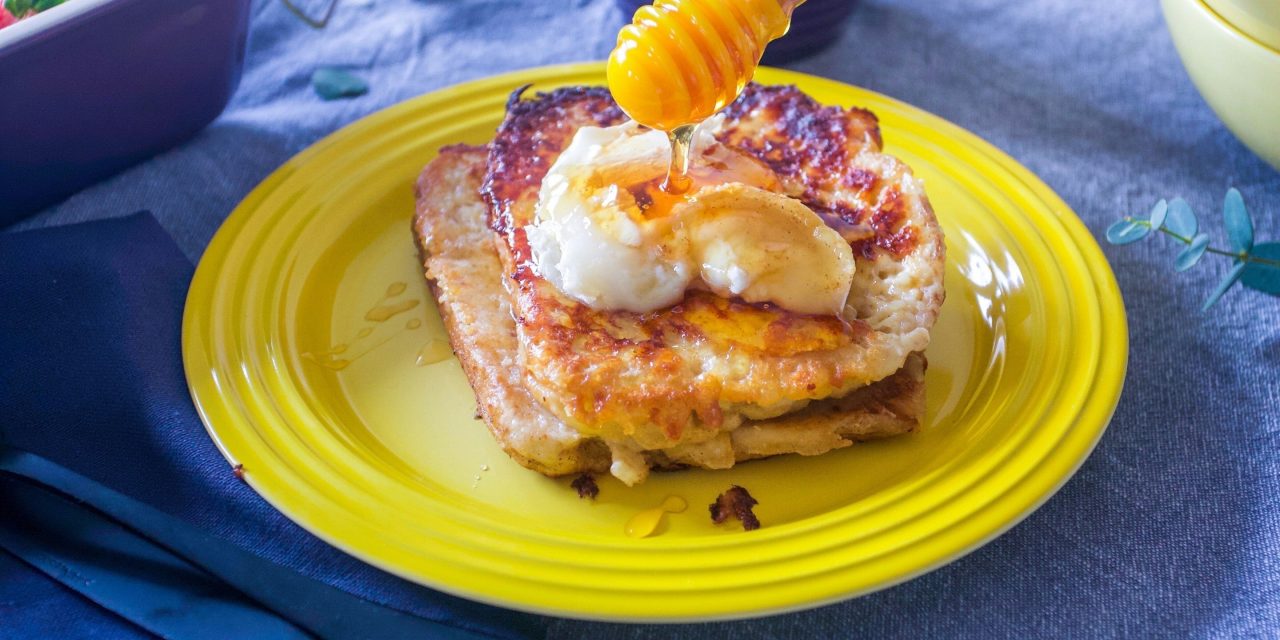
The toppings you choose can elevate your eggless French toast from ordinary to extraordinary. Fresh fruits such as berries, bananas, or sliced peaches add vibrant color and natural sweetness to your dish. Drizzling maple syrup or agave nectar enhances flavor while providing additional moisture.
For those seeking indulgence, consider adding whipped coconut cream or nut butter as toppings for added richness. Chopped nuts such as walnuts or pecans provide crunch and texture contrast against the soft bread. Finally, dusting your creation with powdered sugar or cinnamon adds an elegant finishing touch that makes your breakfast visually appealing.
Enjoying Your Egg-Free French Toast Creations
In conclusion, eggless French toast offers an exciting opportunity to enjoy this classic dish without compromising dietary preferences or health considerations. By utilizing various substitutes such as plant-based milk, flaxseed or chia seeds, mashed bananas, applesauce, silken tofu, and flavorful spices, anyone can create delicious variations that cater to their tastes.
The versatility of this dish allows for endless experimentation with different breads and toppings, ensuring that each breakfast experience remains fresh and enjoyable. Whether served as a sweet treat or savory delight, eggless French toast can be tailored to suit any occasion or palate. Embrace the creativity involved in crafting these delightful creations and savor every bite of your egg-free masterpiece!
FAQs
Can I use milk alternatives for making eggless French toast?
Yes, you can use milk alternatives such as almond milk, soy milk, oat milk, or coconut milk to make eggless French toast. These alternatives work well to create a creamy texture and enhance the flavor of the dish.
What can I use as a binding agent instead of eggs?
Common substitutes for eggs in French toast include mashed bananas, applesauce, silken tofu, or ground flaxseed mixed with water. These ingredients help bind the bread together and provide moisture.
How do I achieve a custard-like consistency without eggs?
To achieve a custard-like consistency without eggs, you can blend together your chosen milk alternative with a thickening agent like cornstarch or arrowroot powder, along with spices such as cinnamon and vanilla extract for flavor.
Can I use any type of bread for eggless French toast?
Yes, you can use various types of bread for eggless French toast, including whole grain, sourdough, brioche, or gluten-free bread. Just ensure the bread is sturdy enough to soak up the custard mixture without falling apart.
What toppings work well with eggless French toast?
Popular toppings for eggless French toast include maple syrup, fresh fruits, powdered sugar, nut butter, or yogurt. You can also add nuts or seeds for extra crunch and flavor.