Hard water stains are a common nuisance for car owners, often manifesting as unsightly spots or streaks on the vehicle’s exterior. These stains occur when water containing high levels of dissolved minerals, such as calcium and magnesium, evaporates and leaves behind residue. The mineral deposits can bond with the car’s paint surface, making them difficult to remove without proper techniques. Over time, these stains can become more pronounced, leading to a dull appearance and potentially damaging the underlying paint if left untreated.
The chemical composition of hard water varies by region, but the primary culprits are typically calcium carbonate and magnesium sulfate. When water droplets dry on the surface of a car, these minerals crystallize, forming a stubborn layer that can be challenging to eliminate. Understanding the nature of hard water stains is crucial for effective removal and prevention strategies. Regular exposure to hard water can lead to etching in the paint, which may require professional intervention if not addressed promptly.
If you’re looking for effective ways to maintain your vehicle’s appearance, you might also find it helpful to read about cleaning and sanitizing your dog’s food and water bowls. Keeping these bowls clean can prevent the buildup of grime and bacteria, much like removing hard water stains from your car’s paint helps preserve its finish. For more information on this topic, check out the article here: How to Clean and Sanitize Dog Food and Water Bowls.
Why Removing Hard Water Stains Is Important
Removing hard water stains is essential for maintaining the aesthetic appeal and longevity of a vehicle’s paint job. Stains not only detract from the car’s visual allure but can also lead to more severe issues if neglected. The mineral deposits can cause oxidation, which may result in fading and deterioration of the paint over time. This degradation can significantly reduce the vehicle’s resale value and necessitate costly repainting or refinishing.
Moreover, hard water stains can create an uneven surface that traps dirt and grime, making routine cleaning more challenging. This accumulation can lead to further damage, including scratches and swirls that compromise the integrity of the paint. By addressing hard water stains promptly, car owners can preserve their vehicle’s finish, enhance its appearance, and ultimately extend its lifespan.
Gather the Right Supplies Before You Start

Before embarking on the journey to remove hard water stains, it is crucial to gather all necessary supplies to ensure an efficient and effective cleaning process. Essential items include:
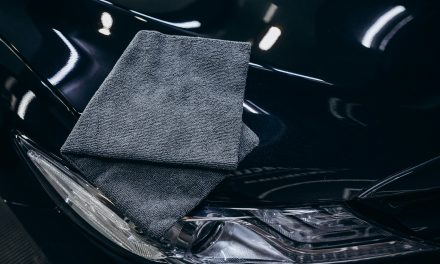
1. **Microfiber Cloths**: These are gentle on paint surfaces and help prevent scratches during cleaning.
2. **Vinegar**: A natural acid that effectively dissolves mineral deposits.
3. **Clay Bar Kit**: This tool helps remove embedded contaminants from the paint surface.
4. **Commercial Water Spot Remover**: Formulated specifically for tackling hard water stains.
5. **Baking Soda**: A mild abrasive that can be used to create a paste for gentle cleaning.
6. **Polishing Compound**: A mild abrasive compound that helps restore shine and smoothness.
7. **Detailing Spray**: Provides a quick solution for maintaining a clean finish.
8. **Protective Wax or Sealant**: To protect the paint after cleaning.
Having these supplies on hand will streamline the process and ensure that you are well-equipped to tackle hard water stains effectively.
Method 1: Using Vinegar Solution for Stain Removal

One of the most accessible methods for removing hard water stains involves using a vinegar solution. Vinegar is acetic acid, which effectively breaks down mineral deposits without damaging the car’s paint. To create a vinegar solution, mix equal parts white vinegar and distilled water in a spray bottle.
Begin by spraying the affected areas generously with the vinegar solution, allowing it to sit for several minutes to penetrate the mineral deposits. Afterward, use a microfiber cloth to gently wipe away the stains in a circular motion. Rinse the area thoroughly with clean water to remove any residual vinegar and mineral residue. This method is particularly effective for light to moderate stains and is an excellent first step in your cleaning regimen.
For stubborn stains that resist removal, consider repeating the process or increasing the concentration of vinegar in your solution. However, it is essential to avoid letting vinegar sit on the paint for extended periods, as prolonged exposure may lead to potential damage.
If you’re struggling with hard water stains on your car paint, you might find it helpful to read a related article that offers some effective cleaning tips. One approach involves using a mixture of vinegar and water to gently dissolve the mineral deposits, making it easier to restore your vehicle’s shine. For more detailed guidance on maintaining your car’s exterior, check out this informative piece on how to keep cakes moist without making them dense, which also emphasizes the importance of proper care and maintenance. You can find it here: how to keep cakes moist without making them dense.
Method 2: Applying a Clay Bar Treatment
If vinegar alone does not yield satisfactory results, employing a clay bar treatment can be an effective next step. Clay bars are designed to remove embedded contaminants from the paint surface, including hard water stains that have bonded tightly to the finish. To use a clay bar, start by washing your car thoroughly to remove any loose dirt or debris.
Once the surface is clean, lubricate it with a detailing spray or a clay bar lubricant to prevent scratching during the process. Take a small piece of clay and knead it until it becomes pliable. Gently glide the clay bar over the stained areas using light pressure in straight lines or circular motions. As you work, you will feel the clay picking up contaminants from the surface.
After completing this step, wipe down the area with a microfiber cloth and inspect for any remaining stains. If necessary, repeat the clay bar treatment until you achieve a smooth finish free from hard water deposits.
If you’re struggling with hard water stains on your car paint, you might find it helpful to explore some effective cleaning techniques. One useful resource is an article that provides detailed steps on how to remove these stubborn stains without damaging your vehicle’s finish. For more information, you can check out this helpful guide that offers practical tips and tricks to restore your car’s shine.
Method 3: Using Commercial Water Spot Removers
For those seeking a more specialized solution, commercial water spot removers are available that are specifically formulated to tackle hard water stains effectively. These products often contain powerful acids or surfactants designed to dissolve mineral deposits without harming automotive finishes.
To use a commercial water spot remover, carefully follow the manufacturer’s instructions for application. Typically, this involves spraying the product directly onto the stained areas and allowing it to sit for a specified duration before wiping it away with a microfiber cloth. It is crucial to test any product on an inconspicuous area first to ensure compatibility with your vehicle’s paint.
Many commercial options also include protective agents that help shield against future staining, making them an excellent choice for long-term maintenance.
Method 4: Baking Soda Paste for Gentle Cleaning
Baking soda is another effective household item that can be utilized for removing hard water stains gently. Its mild abrasive properties make it suitable for cleaning without risking damage to the paint surface. To create a baking soda paste, mix three parts baking soda with one part water until you achieve a thick consistency.
Apply the paste directly onto the stained areas using a microfiber cloth or sponge, gently rubbing in circular motions. Allow the paste to sit for several minutes before rinsing thoroughly with clean water. This method is particularly useful for light stains or as an additional step after using vinegar or commercial products.
Baking soda not only helps lift stains but also neutralizes odors, making it an excellent multi-purpose cleaning agent for your vehicle.
Method 5: Polishing with a Mild Abrasive Compound
If hard water stains persist despite previous attempts at removal, polishing with a mild abrasive compound may be necessary. These compounds are designed to smooth out imperfections in the paint surface while restoring shine and clarity.
To begin this process, ensure that your car is clean and dry before applying the polishing compound. Use a foam applicator pad or microfiber cloth to apply a small amount of compound onto the stained area. Work in small sections using circular motions or back-and-forth strokes until you notice an improvement in the stain’s appearance.
After polishing, wipe away any excess compound with a clean microfiber cloth and inspect your work. If necessary, repeat this process until you achieve satisfactory results. Finally, it is advisable to apply a protective wax or sealant afterward to safeguard against future staining.
Method 6: Utilizing Detailing Spray for Quick Fixes
For quick touch-ups between thorough cleanings, detailing sprays can be invaluable in maintaining your car’s appearance. These sprays are designed to provide instant shine while removing light contaminants and dust from the surface.
To use detailing spray effectively, simply spray it onto a clean microfiber cloth or directly onto the stained area and wipe gently in one direction. This method is ideal for minor hard water spots that may have formed after washing your vehicle or exposure to rain.
Detailing sprays often contain lubricants that help lift dirt without scratching the paint, making them an excellent option for regular maintenance.
Preventative Measures to Avoid Future Stains
Preventing hard water stains from forming in the first place is key to maintaining your vehicle’s pristine appearance. Here are several strategies car owners can implement:
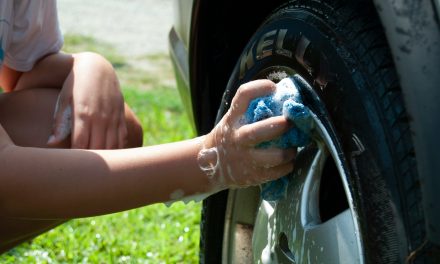
1. **Regular Washing**: Wash your car frequently using high-quality car soap and soft sponges or mitts to minimize mineral buildup.
2. **Drying Immediately**: After washing your vehicle, dry it promptly with microfiber towels to prevent water spots from forming.
3. **Using Deionized Water**: If possible, use deionized or distilled water for rinsing your car after washing; this type of water contains fewer minerals.
4. **Applying Protective Coatings**: Consider applying ceramic coatings or sealants that provide an additional layer of protection against environmental contaminants.
5. **Parking in Covered Areas**: Whenever feasible, park your vehicle in garages or covered spaces to shield it from rain and other elements that contribute to hard water staining.
By implementing these preventative measures, car owners can significantly reduce their chances of encountering hard water stains in the future.
Final Tips for Maintaining a Spotless Car Paint Finish
Maintaining a spotless car paint finish requires diligence and attention to detail. Here are some final tips:
– **Routine Inspections**: Regularly inspect your vehicle’s exterior for any signs of staining or damage so you can address issues promptly.
– **Use Quality Products**: Invest in high-quality cleaning products specifically designed for automotive finishes; avoid household cleaners that may contain harsh chemicals.
– **Professional Detailing**: Consider scheduling professional detailing services periodically; experts have access to advanced tools and products that can rejuvenate your vehicle’s appearance.
– **Educate Yourself**: Stay informed about best practices for car care; knowledge about proper techniques will empower you to maintain your vehicle effectively.
In summary, understanding hard water stains on car paint is crucial for preserving your vehicle’s aesthetic appeal and longevity. By employing various methods such as vinegar solutions, clay bar treatments, commercial removers, baking soda pastes, polishing compounds, and detailing sprays, you can effectively combat these unsightly blemishes. Additionally, implementing preventative measures will help avoid future staining while maintaining a spotless finish requires diligence and quality care products. With these strategies in place, you can ensure your vehicle remains looking its best for years to come.
### FAQ Section
1. **What causes hard water stains on car paint?**
Hard water stains are caused by mineral deposits left behind when water evaporates from the surface of your vehicle.
2. **Can hard water stains damage my car’s paint?**
Yes, if left untreated over time, hard water stains can lead to oxidation and etching in the paint surface.
3. **How often should I wash my car to prevent hard water stains?**
It is advisable to wash your car every two weeks or more frequently if exposed to harsh environmental conditions.
4. **Is vinegar safe for all types of car paint?**
While vinegar is generally safe for most automotive finishes when diluted properly, it’s always best to test it on an inconspicuous area first.
5. **What should I do if commercial products do not work?**
If commercial products fail to remove stubborn stains, consider consulting with a professional detailer who has access to specialized tools and techniques.
6. **Can I use regular household cleaners on my car?**
It is not recommended as many household cleaners contain harsh chemicals that can damage automotive finishes.
7. **How do I know if my car needs polishing?**
If you notice dullness or roughness on your vehicle’s surface despite regular washing and waxing, it may benefit from polishing.
8. **What type of wax should I use after cleaning?**
Choose high-quality wax or sealant specifically formulated for automotive finishes; synthetic options often provide longer-lasting protection.
9. **Are there any specific brands of commercial removers you recommend?**
Popular brands include Meguiar’s Water Spot Remover and Chemical Guys Water Spot Remover; always read reviews before purchasing.
10. **How can I maintain my car’s shine between washes?**
Utilize detailing sprays regularly after washing or during touch-ups to keep your vehicle looking polished without extensive effort.
By following these guidelines and utilizing effective methods for stain removal and prevention, you can maintain your vehicle’s pristine appearance while ensuring its longevity against environmental factors that contribute to wear and tear over time.
FAQs
What causes hard water stains on car paint?
Hard water stains are caused by mineral deposits left behind when water evaporates. These minerals, primarily calcium and magnesium, can adhere to the car’s surface, creating unsightly spots that can be difficult to remove.
Can hard water stains damage car paint?
Yes, if left untreated, hard water stains can damage car paint over time. The minerals can etch into the clear coat, leading to dullness and potential corrosion of the paint surface.
What are some effective methods to remove hard water stains from car paint?
Effective methods to remove hard water stains include using a mixture of vinegar and water, applying a specialized hard water stain remover, or using a clay bar treatment. Always test any solution on a small, inconspicuous area first to ensure it does not damage the paint.
Is it safe to use household products to remove hard water stains?
Many household products, such as vinegar or baking soda, can be safe and effective for removing hard water stains. However, it’s important to dilute them properly and avoid abrasive materials that could scratch the paint.
How can I prevent hard water stains from forming on my car?
To prevent hard water stains, regularly wash and wax your car to create a protective barrier. Additionally, try to dry your car immediately after washing or after exposure to rain to minimize water evaporation and mineral deposit formation.