The brake system is one of the most critical components of any vehicle, serving as the primary mechanism for deceleration and stopping. A responsive brake pedal is essential for ensuring driver safety, passenger comfort, and overall vehicle performance. When the brake pedal operates smoothly, it allows for precise control over the vehicle’s speed, enabling drivers to react promptly to changing road conditions or potential hazards. Conversely, a hard-to-push brake pedal can lead to delayed stopping times, increased stopping distances, and heightened risk of accidents.
A well-functioning brake system not only enhances safety but also contributes to the longevity of the vehicle. Regular maintenance and prompt attention to any issues can prevent more severe problems down the line. Understanding the mechanics behind a responsive brake pedal is crucial for both vehicle owners and automotive professionals. This knowledge empowers individuals to identify potential issues early, ensuring that corrective measures can be taken before they escalate into more significant safety concerns.
If you’re experiencing a hard brake pedal, it could indicate various issues with your vehicle’s braking system, such as air in the brake lines or a malfunctioning brake booster. Understanding these potential problems is crucial for maintaining your vehicle’s safety. For more insights into vehicle maintenance and related topics, you might find this article interesting: 7 Key Facts About Feline Periodontal Disease Every Cat Owner Should Know.
Common Causes of a Hard-to-Push Brake Pedal
Several factors can contribute to a hard-to-push brake pedal, each requiring careful diagnosis and appropriate intervention. Identifying these causes is essential for restoring optimal braking performance. Common culprits include air in the brake lines, a faulty brake booster, worn or damaged brake pads, problems with the master cylinder, issues with brake fluid quality or level, sticking brake calipers, and malfunctioning brake pedal assemblies. Each of these factors can significantly impact the effectiveness of the braking system.
Understanding these causes not only aids in troubleshooting but also highlights the importance of regular vehicle inspections. By being aware of the signs and symptoms associated with each issue, drivers can take proactive measures to maintain their vehicle’s braking system. This proactive approach can prevent minor issues from escalating into major safety hazards.
Reason 1: Air in the Brake Lines

Air trapped within the brake lines is a common issue that can lead to a hard-to-push brake pedal. When air enters the hydraulic system, it creates compressible bubbles that disrupt the transmission of force from the brake pedal to the brake components. This results in a spongy or hard pedal feel, making it difficult for drivers to apply adequate braking force.
To address this issue, it is crucial to bleed the brake lines to remove any trapped air. This process involves opening the bleeder valves on each brake caliper while someone presses the brake pedal, allowing air to escape until only fluid flows out. Regular maintenance checks can help prevent air from entering the system in the first place, ensuring that the hydraulic lines remain sealed and functional.
Reason 2: Faulty Brake Booster

The brake booster plays a vital role in amplifying the force applied to the brake pedal, making it easier for drivers to engage the brakes effectively. A malfunctioning brake booster can lead to increased effort required to push the pedal down, resulting in a hard-to-push experience. Common signs of a faulty booster include hissing noises when pressing the pedal or a hard pedal feel that does not improve with increased pressure.
Diagnosing a faulty brake booster typically involves checking for vacuum leaks and testing its functionality. If a defect is confirmed, replacement of the booster is necessary to restore proper braking performance. Regular inspections can help identify potential issues before they compromise safety.
If you’ve ever experienced a hard brake pedal, it can be a concerning issue that affects your vehicle’s safety and performance. There are several potential reasons for this problem, including issues with the brake booster, low brake fluid, or even a malfunctioning master cylinder. To gain a deeper understanding of related automotive issues, you might find it helpful to read this informative article on how to maintain your vehicle effectively. For more insights, check out this related article that discusses essential maintenance tips that can keep your car running smoothly.
Reason 3: Worn or Damaged Brake Pads
Brake pads are essential components that provide friction against the rotors to slow down or stop the vehicle. Over time, these pads can wear down due to friction and heat generated during braking. Worn or damaged pads can lead to reduced braking efficiency and may cause a hard-to-push pedal feel as more force is required to achieve effective stopping power.
To mitigate this issue, regular inspection and replacement of brake pads are essential. Drivers should be aware of warning signs such as squeaking or grinding noises when braking, which indicate that pads may need replacement. Maintaining adequate pad thickness ensures optimal contact with rotors and enhances overall braking performance.
Reason 4: Problems with the Master Cylinder
The master cylinder is responsible for generating hydraulic pressure within the braking system. If it becomes faulty due to internal leaks or wear, it can lead to inadequate pressure being transmitted through the brake lines, resulting in a hard-to-push pedal. Symptoms of master cylinder failure may include fluid leaks around the cylinder or inconsistent pedal feel.
Diagnosing master cylinder issues typically involves checking for leaks and testing its functionality under pressure. If problems are identified, replacement of the master cylinder is often necessary to restore proper hydraulic function. Regular maintenance checks can help catch potential issues early on.
Reason 5: Issues with Brake Fluid Quality or Level
Brake fluid is crucial for maintaining hydraulic pressure within the braking system. Contaminated or low-quality fluid can lead to decreased braking efficiency and may contribute to a hard-to-push pedal feel. Additionally, low fluid levels can indicate leaks within the system that require immediate attention.
To ensure optimal performance, it is essential to regularly check brake fluid levels and quality. If contamination is suspected, flushing and replacing the fluid may be necessary. Using high-quality fluid that meets manufacturer specifications can help maintain system integrity and performance.
Reason 6: Sticking Brake Calipers
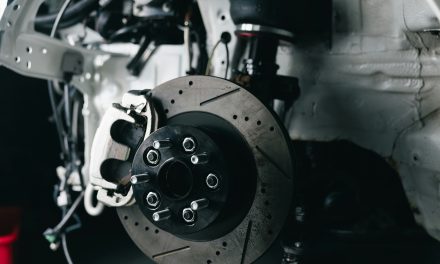
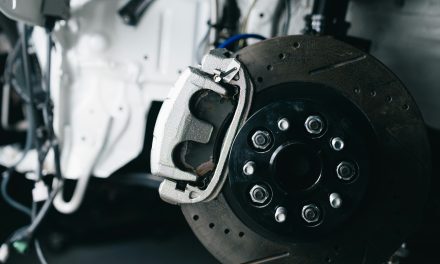
Brake calipers are responsible for clamping down on the brake pads against the rotors when braking occurs. If calipers become stuck due to corrosion or mechanical failure, they may not release properly after braking, leading to increased resistance when pushing the pedal. This condition can result in uneven wear on brake components and reduced overall braking efficiency.
Diagnosing sticking calipers typically involves inspecting them for signs of corrosion or damage and testing their movement during braking cycles. If issues are identified, caliper replacement or repair may be necessary to restore proper function. Regular cleaning and lubrication of caliper components can help prevent sticking issues from developing.
Reason 7: Malfunctioning Brake Pedal Assembly
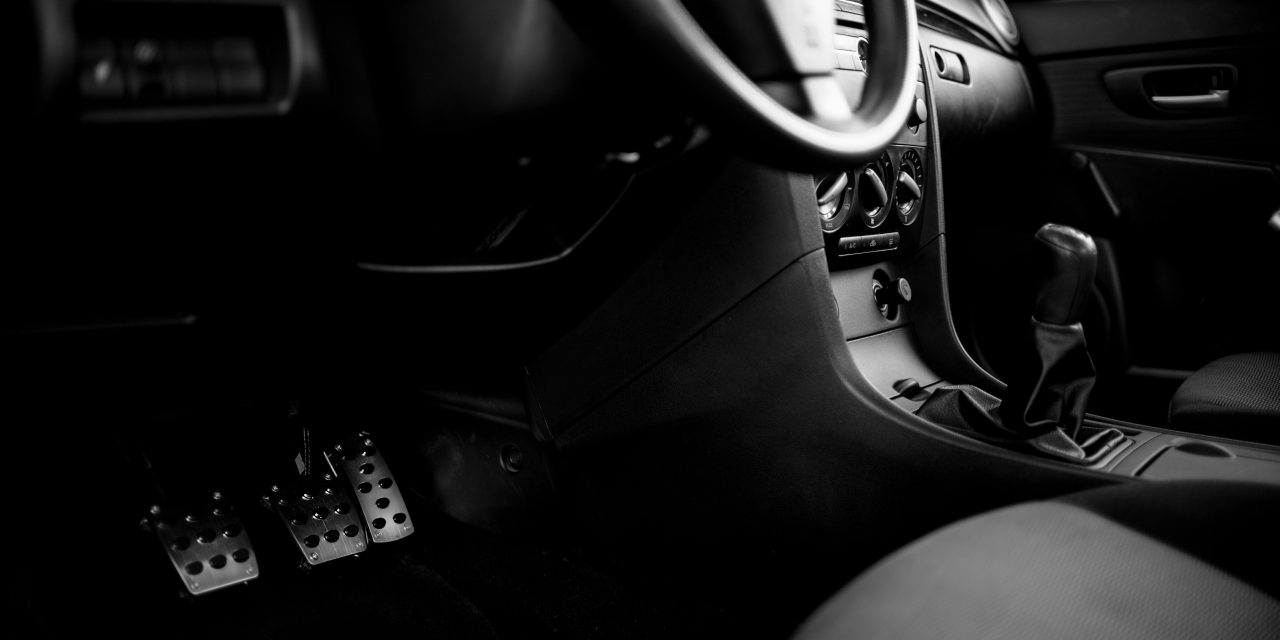
The brake pedal assembly consists of various components that work together to transmit force from the driver’s foot to the braking system. If any part of this assembly malfunctions—such as a bent pedal arm or worn bushings—it can lead to increased effort required to engage the brakes effectively. Symptoms may include unusual noises when pressing the pedal or an inconsistent feel during operation.
Diagnosing issues within the brake pedal assembly typically involves visual inspection and testing for proper movement and alignment. If defects are found, repairs or replacements may be necessary to ensure smooth operation. Regular maintenance checks can help identify potential problems before they compromise safety.
How to Diagnose the Cause of a Hard Brake Pedal
Diagnosing a hard-to-push brake pedal requires a systematic approach that involves visual inspections, functional tests, and sometimes specialized tools. Begin by checking for visible leaks around brake components and inspecting fluid levels in the master cylinder reservoir. Next, assess whether air has entered the system by performing a simple brake bleed procedure.
If no obvious issues are found, further investigation into individual components such as the brake booster, master cylinder, and calipers may be necessary. Testing each component’s functionality under pressure can help pinpoint specific failures contributing to the hard pedal feel. Utilizing diagnostic tools such as pressure gauges can provide additional insights into hydraulic performance.
Step-by-Step Guide to Fixing a Hard Brake Pedal Problem
1. **Initial Inspection**: Begin by visually inspecting all components of the braking system for leaks or damage.
2. **Check Fluid Levels**: Ensure that brake fluid levels are adequate and that there are no signs of contamination.
3. **Bleed Brake Lines**: If air is suspected in the lines, perform a thorough bleeding procedure.
4. **Test Brake Booster**: Check for vacuum leaks and test booster functionality by pressing down on the pedal with engine off and then starting it.
5. **Inspect Brake Pads**: Examine pads for wear; replace if they are below manufacturer specifications.
6. **Evaluate Master Cylinder**: Check for leaks around the master cylinder; replace if necessary.
7. **Assess Calipers**: Inspect calipers for sticking; clean or replace as needed.
8. **Examine Pedal Assembly**: Ensure all components within the assembly are functioning correctly; repair or replace any defective parts.
9. **Final Test Drive**: After repairs are made, conduct a test drive to ensure that braking performance has returned to normal.
In conclusion, understanding and addressing issues related to a hard-to-push brake pedal is vital for maintaining vehicle safety and performance. By recognizing common causes such as air in brake lines, faulty boosters, worn pads, master cylinder problems, fluid quality issues, sticking calipers, and malfunctioning assemblies, drivers can take proactive measures to ensure their vehicles remain safe on the road. Regular inspections and timely interventions will not only enhance braking efficiency but also contribute to overall vehicle longevity and driver confidence.
### FAQ Section
1. **What should I do if my brake pedal feels hard?**
– If your brake pedal feels hard, inspect your vehicle’s braking system immediately for potential issues such as air in lines or faulty components.
2. **How often should I check my brake fluid?**
– It is advisable to check your brake fluid levels at least once every month or during routine maintenance checks.
3. **Can I bleed my brakes myself?**
– Yes, bleeding brakes can be done at home with basic tools; however, ensure you follow proper procedures or consult a professional if unsure.
4. **What are signs of worn brake pads?**
– Signs include squeaking noises when braking, reduced stopping power, or vibrations felt through the steering wheel.
5. **How do I know if my brake booster is failing?**
– Symptoms include a hard brake pedal feel and hissing noises when pressing down on it.
6. **Is it safe to drive with a hard-to-push brake pedal?**
– No, driving with compromised brakes poses significant safety risks; address any issues immediately.
7. **What type of brake fluid should I use?**
– Always use fluid that meets your vehicle manufacturer’s specifications; consult your owner’s manual for details.
8. **How long do brake pads typically last?**
– Brake pads generally last between 30,000 to 70,000 miles depending on driving habits and conditions.
9. **Can sticking calipers cause uneven tire wear?**
– Yes, sticking calipers can lead to uneven wear on tires due to inconsistent braking force applied across wheels.
10. **What tools do I need for basic brake maintenance?**
– Basic tools include wrenches, screwdrivers, pliers, a jack and jack stands, and possibly a pressure bleeder for bleeding brakes.
In summary, maintaining a responsive brake pedal is crucial for vehicle safety and performance. By understanding common causes of hard-to-push pedals and implementing regular maintenance practices, drivers can ensure their vehicles remain safe and reliable on the road.
FAQs
What causes a hard brake pedal?
A hard brake pedal can be caused by several issues, including a malfunctioning brake booster, low brake fluid levels, or air trapped in the brake lines. The brake booster, which uses vacuum pressure to assist in braking, can fail, making it difficult to push the pedal. Additionally, if the brake fluid is low or contaminated, it can affect the hydraulic pressure needed for effective braking.
How can I tell if my brake booster is failing?
Signs of a failing brake booster include a hard brake pedal, a hissing noise when the pedal is pressed, and a longer stopping distance. You may also notice that the brake pedal feels different when the engine is off compared to when it is running, as the booster relies on engine vacuum to function properly.
Can low brake fluid cause a hard brake pedal?
Yes, low brake fluid can lead to a hard brake pedal. When the fluid level is low, it can result in insufficient hydraulic pressure, making it harder to engage the brakes. It’s important to regularly check and maintain the brake fluid level to ensure proper braking performance.
Is it safe to drive with a hard brake pedal?
No, it is not safe to drive with a hard brake pedal. This condition can significantly impair your ability to stop the vehicle effectively, increasing the risk of accidents. If you experience a hard brake pedal, it is advisable to have your vehicle inspected by a qualified mechanic as soon as possible.
What should I do if my brake pedal is hard to push?
If your brake pedal is hard to push, you should first check the brake fluid level and top it off if necessary. If the fluid level is adequate, it is best to have your vehicle inspected by a professional mechanic to diagnose and fix the underlying issue, such as a faulty brake booster or air in the brake lines.