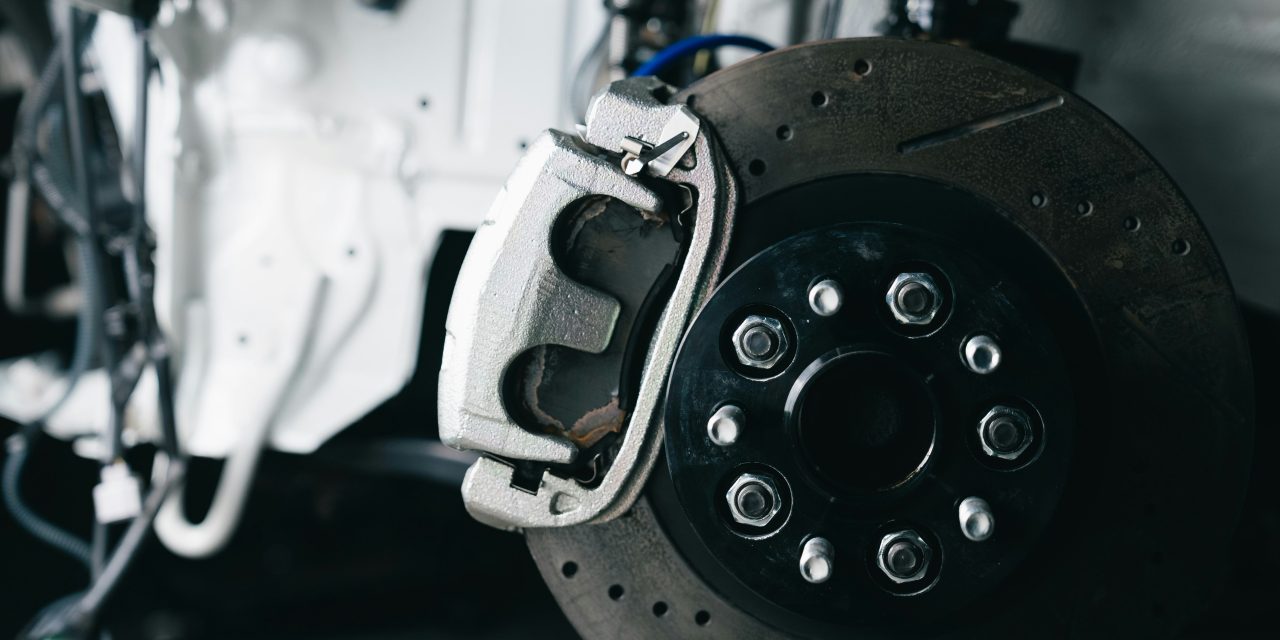
The unmistakable odor of burning rubber emanating from your vehicle’s brakes can be alarming and indicative of underlying issues that require immediate attention. This scent often signifies that the braking system is experiencing excessive heat or friction, which can lead to severe damage if left unaddressed. Understanding the causes of this phenomenon is crucial for maintaining vehicle safety and performance. The braking system is a complex assembly of components designed to work in harmony, and any disruption can compromise its efficacy.
When brakes overheat, they can produce a burning smell due to the degradation of materials involved in the braking process. Brake pads, rotors, and calipers are all susceptible to wear and tear, and their failure can lead to catastrophic consequences. Recognizing the signs of brake distress early on can prevent costly repairs and ensure the safety of both the driver and passengers. In this article, we will explore various reasons behind the burning rubber smell, diagnostic methods, and effective solutions to rectify these issues.
If you’ve ever noticed a burning rubber smell coming from your brakes, it could indicate several issues that need attention. For a deeper understanding of potential causes and solutions, you might find the article on brake maintenance helpful. It discusses common problems that lead to brake odors and offers tips on how to address them. You can read more about it in this related article: Brake Maintenance Tips.
Reason 1: Overheating Due to Excessive Braking
One of the primary culprits behind the burning rubber smell is overheating caused by excessive braking. This situation often arises in scenarios where a driver frequently engages in hard braking, such as during aggressive driving or navigating steep inclines. When brakes are applied forcefully and repeatedly, they generate significant heat due to friction between the brake pads and rotors. This heat can exceed the material limits of the components, leading to thermal degradation.
Overheating can result in brake fade, where the braking power diminishes due to the high temperatures affecting the brake fluid and pad materials. In extreme cases, this can lead to a complete brake failure, posing a serious risk to vehicle occupants. To mitigate overheating, drivers should adopt smoother driving habits, allowing for gradual deceleration rather than abrupt stops. Additionally, ensuring that the braking system is well-maintained can help prevent overheating issues.
Reason 2: Worn Brake Pads Causing Friction

Worn brake pads are another significant factor contributing to the burning rubber smell. Brake pads are designed to wear down over time as they come into contact with the rotors during braking. When they become excessively worn, they may not provide adequate friction, leading to increased heat generation. This excessive friction can cause the pads to overheat, resulting in a burning odor.
Moreover, worn brake pads can lead to metal-on-metal contact with the rotors, further exacerbating the problem. This scenario not only produces a burning smell but also damages the rotors, necessitating costly replacements. Regular inspections of brake pads are essential for identifying wear patterns early on. Drivers should replace brake pads according to manufacturer recommendations or when they notice signs of wear, such as squeaking or grinding noises.
Reason 3: Stuck Brake Calipers Leading to Continuous Contact

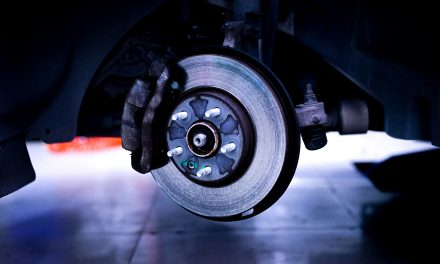
Stuck brake calipers can also be a source of the burning rubber smell. The caliper’s primary function is to house the brake pads and apply pressure against the rotors when braking. If a caliper becomes stuck in a closed position, it will cause continuous contact between the brake pads and rotors, generating excessive heat and friction.
This condition can arise from various factors, including corrosion, lack of lubrication, or mechanical failure within the caliper assembly. A stuck caliper not only produces a burning smell but can also lead to uneven wear on brake components and reduced braking efficiency. To address this issue, it is crucial to have a qualified technician inspect and service the calipers regularly. In some cases, caliper replacement may be necessary to restore proper function.
If you’ve ever noticed a burning rubber smell coming from your brakes, it could indicate several issues that need immediate attention. This unpleasant odor often arises from overheated brake pads or a malfunctioning braking system. To understand more about the potential causes and necessary actions, you might find this related article helpful. It provides insights into common automotive issues and maintenance tips. For further reading, check out this informative guide that can help you keep your vehicle in top shape.
Reason 4: Contaminated Brake Components
Contamination of brake components can significantly impact their performance and lead to unpleasant odors. Various substances, such as oil, grease, or moisture, can infiltrate the braking system and interfere with its operation. For instance, if brake fluid leaks onto the pads or rotors, it can create a slippery surface that reduces friction and increases heat generation.
Additionally, contaminants can cause corrosion on metal components, leading to further degradation over time. Regular maintenance checks should include inspections for leaks or signs of contamination in the braking system. If contamination is detected, it is essential to clean or replace affected components promptly to prevent further damage and ensure optimal braking performance.
Reason 5: Improper Brake Installation or Adjustment
Improper installation or adjustment of brake components can lead to various issues, including the burning rubber smell. If brake pads are not aligned correctly or if there is insufficient clearance between components, it can result in excessive friction and heat generation during operation. Additionally, incorrect torque specifications during installation can lead to uneven wear patterns and compromised braking efficiency.
To avoid these problems, it is vital to have brakes installed by qualified professionals who adhere to manufacturer specifications. Regular inspections should also be conducted to ensure that all components are functioning correctly and that adjustments are made as needed. Proper installation not only enhances performance but also extends the lifespan of brake components.
Reason 6: Driving Habits That Overstress the Brakes
Driving habits play a significant role in brake performance and longevity. Aggressive driving behaviors such as rapid acceleration, hard braking, and frequent lane changes can place undue stress on the braking system. These habits lead to increased wear on brake components and contribute to overheating issues that produce a burning rubber smell.
To mitigate these effects, drivers should adopt smoother driving techniques that prioritize gradual acceleration and deceleration. Anticipating traffic conditions and maintaining a safe following distance can reduce the need for sudden stops and minimize brake usage. By cultivating better driving habits, individuals can enhance their vehicle’s braking performance while prolonging component lifespan.
Reason 7: Faulty or Damaged Brake Rotors
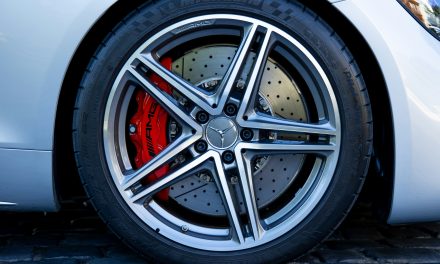
Faulty or damaged brake rotors can also contribute to the burning rubber smell experienced during braking. Rotors are critical components that provide a surface for brake pads to grip when slowing down or stopping a vehicle. If rotors become warped or damaged due to excessive heat or wear, they may not provide adequate contact with the pads.
This lack of proper contact can lead to increased friction and heat generation during braking, resulting in unpleasant odors. Regular inspections of rotors are essential for identifying signs of wear or damage early on. If warping or other issues are detected, it is crucial to have them resurfaced or replaced promptly to maintain optimal braking performance.
How to Diagnose the Source of the Burning Smell
Diagnosing the source of a burning rubber smell from brakes requires careful observation and inspection of various components within the braking system. Drivers should begin by assessing their driving habits; if aggressive driving is frequent, it may be contributing to overheating issues. Next, visually inspect brake pads for signs of wear or damage; if they appear excessively thin or unevenly worn, replacement may be necessary.
Additionally, checking for any visible leaks around calipers or brake lines can help identify contamination issues. If there are no apparent external signs of trouble but the smell persists, it may be prudent to consult with a qualified mechanic who can perform a comprehensive inspection using specialized tools and techniques.
Step-by-Step Solutions to Fix Burning Rubber Brake Smells
Addressing burning rubber smells from brakes involves several steps aimed at identifying and rectifying underlying issues:
1. **Inspection**: Begin with a thorough visual inspection of all brake components—pads, rotors, calipers, and lines—for signs of wear or damage.
2. **Driving Habits Assessment**: Evaluate driving patterns; consider adopting smoother techniques that reduce stress on brakes.
3. **Component Replacement**: If worn pads or damaged rotors are identified during inspection, replace them promptly with high-quality parts.
4. **Caliper Service**: Inspect calipers for proper function; if stuck calipers are detected, service or replace them as necessary.
5. **Fluid Check**: Ensure that brake fluid levels are adequate and free from contamination; replace fluid if necessary.
6. **Professional Evaluation**: If issues persist despite these measures, consult with an automotive technician for an in-depth evaluation using diagnostic tools.
Preventative Maintenance Tips to Avoid Future Brake Issues
Preventative maintenance is key to avoiding future problems with your vehicle’s braking system:
– **Regular Inspections**: Schedule routine inspections every 6 months or as recommended by your vehicle manufacturer.
– **Brake Fluid Changes**: Change brake fluid according to manufacturer guidelines; this helps prevent contamination.
– **Driving Education**: Consider defensive driving courses that emphasize smooth driving techniques.
– **Quality Parts**: Use high-quality replacement parts when servicing brakes; cheaper alternatives may not provide adequate performance.
– **Monitor Performance**: Pay attention to any changes in braking performance; unusual noises or smells should prompt immediate inspection.
In summary, understanding the causes behind a burning rubber smell from brakes is essential for maintaining vehicle safety and performance. Factors such as overheating due to excessive braking, worn pads causing friction, stuck calipers leading to continuous contact, contaminated components, improper installation or adjustment, aggressive driving habits, and faulty rotors all contribute to this issue. Diagnosing these problems involves careful observation and inspection while implementing step-by-step solutions ensures effective resolution. Preventative maintenance practices further enhance longevity and reliability within your vehicle’s braking system.
FAQs
What causes brakes to smell like burning rubber?
The smell of burning rubber from your brakes is often caused by overheating brake components, such as brake pads or rotors. This can occur due to excessive braking, worn-out brake pads, or a malfunctioning brake system that causes friction beyond normal levels.
Is it normal for brakes to smell after heavy use?
Yes, it is normal for brakes to emit a burning rubber smell after heavy use, such as during long downhill drives or frequent stops. However, if the smell persists or is accompanied by other symptoms like reduced braking performance, it may indicate a problem that needs attention.
Can worn brake pads cause a burning rubber smell?
Absolutely. Worn brake pads can lead to metal-on-metal contact with the rotors, generating excessive heat and friction, which can produce a burning rubber smell. It’s essential to replace worn brake pads promptly to avoid further damage to the braking system.
What should I do if my brakes smell like burning rubber?
If you notice a burning rubber smell from your brakes, it’s crucial to pull over safely and inspect the brakes. Allow them to cool down, and if the smell persists or if you experience any unusual noises or reduced braking efficiency, have a professional mechanic inspect your braking system as soon as possible.
Can other issues besides brakes cause a burning rubber smell?
Yes, other issues can also cause a burning rubber smell, such as a slipping serpentine belt, overheated tires, or electrical problems. If the smell is not coming from the brakes, it’s advisable to have a mechanic diagnose the source to prevent further damage or safety hazards.