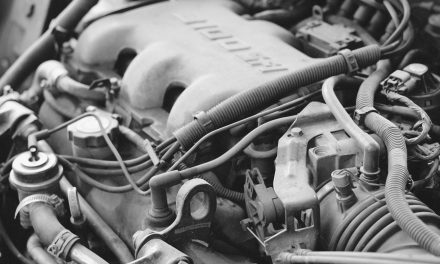
Engine ticking noises can be a source of concern for vehicle owners, often signaling underlying mechanical issues that require immediate attention. These sounds can range from subtle clicks to pronounced ticks, and their origins can vary widely. Understanding the common causes of engine ticking is crucial for diagnosing potential problems early, thereby preventing more severe damage and costly repairs.
The ticking noise typically arises from various components within the engine, each contributing to the overall sound profile. Factors such as engine oil quality, component wear, and even fuel delivery can play significant roles in generating these noises. By identifying the root cause of the ticking, vehicle owners can take appropriate measures to rectify the issue, ensuring optimal engine performance and longevity.
If you’re concerned about the ticking noise coming from your engine, it’s essential to understand the potential causes and implications of this issue. A related article that might provide valuable insights is titled “What to Do Immediately After Discovering Water Damage in Your Home,” which discusses the importance of addressing problems promptly to prevent further damage. You can read it here: What to Do Immediately After Discovering Water Damage in Your Home. While the article focuses on water damage, the underlying principle of timely intervention applies to engine issues as well, emphasizing the need for quick action to avoid costly repairs.
Reason 1: Low Engine Oil Levels and Its Impact
One of the most prevalent causes of engine ticking is low oil levels. Engine oil serves as a lubricant for moving parts, reducing friction and preventing wear. When oil levels drop below the recommended threshold, critical components may not receive adequate lubrication, leading to increased friction and noise. This condition can result in a ticking sound as metal parts come into contact with one another.
Low oil levels can stem from various factors, including leaks, consumption, or inadequate maintenance practices. Regularly checking oil levels and ensuring timely oil changes are essential practices for maintaining engine health. If low oil levels are detected, it is imperative to top off the oil and investigate potential leaks or consumption issues to prevent further damage.
Reason 2: Worn Valve Lifters and How They Cause Ticking

Worn valve lifters are another common culprit behind engine ticking noises. Valve lifters play a crucial role in the operation of an internal combustion engine by controlling the opening and closing of the engine’s valves. Over time, these components can wear down due to prolonged use or insufficient lubrication, leading to a gap between the lifter and the valve stem.
When this gap occurs, it results in a ticking sound as the lifter fails to maintain proper contact with the valve. This condition not only produces noise but can also lead to decreased engine performance and efficiency. Addressing worn valve lifters typically involves replacing them, which can be a labor-intensive process requiring professional assistance.
Reason 3: Faulty Spark Plugs Leading to Engine Noise

Faulty spark plugs can also contribute to engine ticking noises. Spark plugs are essential for igniting the air-fuel mixture within the combustion chamber. When they become worn or damaged, they may fail to create a proper spark, leading to misfires and irregular combustion cycles. This irregularity can manifest as a ticking sound during engine operation.
In addition to causing noise, faulty spark plugs can lead to decreased fuel efficiency and increased emissions. Regular inspection and replacement of spark plugs are vital for maintaining optimal engine performance. If ticking is suspected to be related to spark plugs, a thorough examination should be conducted to determine their condition and functionality.
If you’re wondering why your engine is making a ticking noise, it could be due to several factors such as low oil levels, worn-out components, or even issues with the valvetrain. To gain a deeper understanding of this problem and explore potential solutions, you might find it helpful to read a related article that discusses common engine noises and their causes. For more information, check out this insightful piece on engine maintenance that can help you diagnose and address the ticking sound effectively.
Reason 4: Exhaust Leaks and Their Ticking Sound
Exhaust leaks are another potential source of engine ticking noises. When there is a breach in the exhaust system, escaping gases can create a distinct ticking sound that may be mistaken for internal engine issues. Exhaust leaks can occur at various points in the system, including gaskets, joints, or cracks in the exhaust manifold.
The sound produced by an exhaust leak is often characterized by a sharp tick or pop that correlates with engine RPMs. In addition to noise, exhaust leaks can lead to decreased engine performance and increased emissions. Identifying and repairing exhaust leaks promptly is essential for maintaining both vehicle performance and compliance with environmental regulations.
Reason 5: Timing Chain Issues and Associated Noises
Timing chain issues can also manifest as ticking noises within the engine. The timing chain is responsible for synchronizing the rotation of the crankshaft and camshaft, ensuring that valves open and close at the correct intervals during the combustion cycle. If the timing chain becomes loose or worn, it may produce a ticking sound as it fails to maintain proper tension.
A malfunctioning timing chain can lead to severe engine damage if not addressed promptly. Symptoms may include rattling noises during acceleration or deceleration, as well as potential misfires or stalling. Repairing timing chain issues typically involves replacing the chain and associated components, which can be complex and require specialized knowledge.
Reason 6: Fuel Injector Clicking Explained
Fuel injectors are responsible for delivering fuel into the combustion chamber at precise intervals. A clicking noise from fuel injectors is often normal; however, excessive clicking may indicate an issue with injector function or fuel delivery. If an injector becomes clogged or fails to operate correctly, it may produce an abnormal ticking sound.
In some cases, cleaning or replacing fuel injectors may be necessary to restore proper function and eliminate unwanted noise. Regular maintenance of the fuel system is essential for ensuring optimal performance and preventing potential issues related to fuel delivery.
Reason 7: Loose or Damaged Engine Components
Loose or damaged engine components can also contribute to ticking noises during operation. Various parts within the engine assembly, such as bolts, brackets, or covers, may become loose over time due to vibration or wear. When these components are not securely fastened, they can create a ticking sound as they move against one another or vibrate excessively.
Identifying loose components typically involves a thorough visual inspection of the engine bay and listening for abnormal sounds during operation. Tightening loose bolts or replacing damaged parts can often resolve these issues quickly and effectively.
Diagnosing the Source of the Ticking Noise
Diagnosing the source of an engine ticking noise requires careful observation and systematic troubleshooting. Vehicle owners should begin by listening closely to determine whether the noise is consistent with engine RPMs or if it varies with acceleration or deceleration. This information can help narrow down potential causes.
Next, conducting a visual inspection of the engine bay is essential for identifying any obvious signs of wear or damage. Checking oil levels and inspecting spark plugs, valve lifters, and exhaust components can provide valuable insights into potential issues. If necessary, consulting with a qualified mechanic may be beneficial for more complex diagnoses.
Step-by-Step Fixes for Common Ticking Problems
Addressing common ticking problems often involves a series of systematic steps:
1. **Check Oil Levels**: Ensure that oil levels are within the recommended range; top off if necessary.
2. **Inspect Spark Plugs**: Remove spark plugs for inspection; replace any that show signs of wear or damage.
3. **Examine Valve Lifters**: If ticking persists, consider inspecting valve lifters for wear; replacement may be necessary.
4. **Assess Exhaust System**: Conduct a thorough inspection of the exhaust system for leaks; repair any identified breaches.
5. **Evaluate Timing Chain**: If timing chain issues are suspected, consult with a professional mechanic for further evaluation.
6. **Inspect Fuel Injectors**: Check fuel injectors for clogs; clean or replace as needed.
7. **Tighten Loose Components**: Perform a visual inspection for loose bolts or damaged parts; tighten or replace as necessary.
By following these steps systematically, vehicle owners can effectively address common sources of engine ticking noises.
Preventative Maintenance Tips to Avoid Engine Ticking
Preventative maintenance plays a crucial role in avoiding engine ticking noises and ensuring long-term vehicle health. Here are several key tips:
1. **Regular Oil Changes**: Adhere to manufacturer-recommended oil change intervals to maintain optimal lubrication.
2. **Routine Inspections**: Conduct regular inspections of spark plugs, valve lifters, and exhaust components.
3. **Monitor Fluid Levels**: Regularly check all fluid levels, including oil, coolant, and transmission fluid.
4. **Listen for Changes**: Pay attention to any changes in engine noise; address concerns promptly.
5. **Use Quality Parts**: When replacing components, opt for high-quality parts that meet manufacturer specifications.
6. **Professional Maintenance**: Schedule routine maintenance with a qualified mechanic to catch potential issues early.
By implementing these preventative measures, vehicle owners can significantly reduce the likelihood of encountering engine ticking noises while enhancing overall vehicle performance.
In summary, understanding the common causes of engine ticking noises is essential for maintaining vehicle health and performance. From low oil levels to worn components, various factors contribute to this issue. By diagnosing problems early and implementing effective solutions through regular maintenance practices, vehicle owners can ensure their engines operate smoothly and efficiently over time.
FAQs
What causes a ticking noise in an engine?
A ticking noise in an engine can be caused by several factors, including low oil levels, worn-out valve lifters, a malfunctioning fuel injector, or issues with the timing chain or belt. Insufficient lubrication can lead to metal components making contact, resulting in a ticking sound.
Is a ticking noise always a sign of a serious problem?
Not necessarily. While a ticking noise can indicate a serious issue, such as a failing engine component, it can also be a minor problem, like a loose heat shield or a normal characteristic of certain engine types. It’s important to diagnose the source of the noise to determine its severity.
How can I diagnose the source of the ticking noise?
To diagnose the source of a ticking noise, start by checking the engine oil level and condition. If the oil is low or dirty, change it. Listen closely to pinpoint the noise’s location, and consider using a mechanic’s stethoscope for better accuracy. If you’re unsure, it’s best to consult a professional mechanic.
Can driving with a ticking engine cause further damage?
Yes, driving with a ticking engine can potentially cause further damage, especially if the noise is due to low oil levels or a failing component. Continuing to operate the vehicle without addressing the issue may lead to more severe engine problems and costly repairs.
What should I do if my engine is making a ticking noise?
If your engine is making a ticking noise, first check the oil level and top it off if necessary. If the noise persists, schedule an appointment with a qualified mechanic for a thorough inspection. Early diagnosis can help prevent more extensive damage and repair costs.