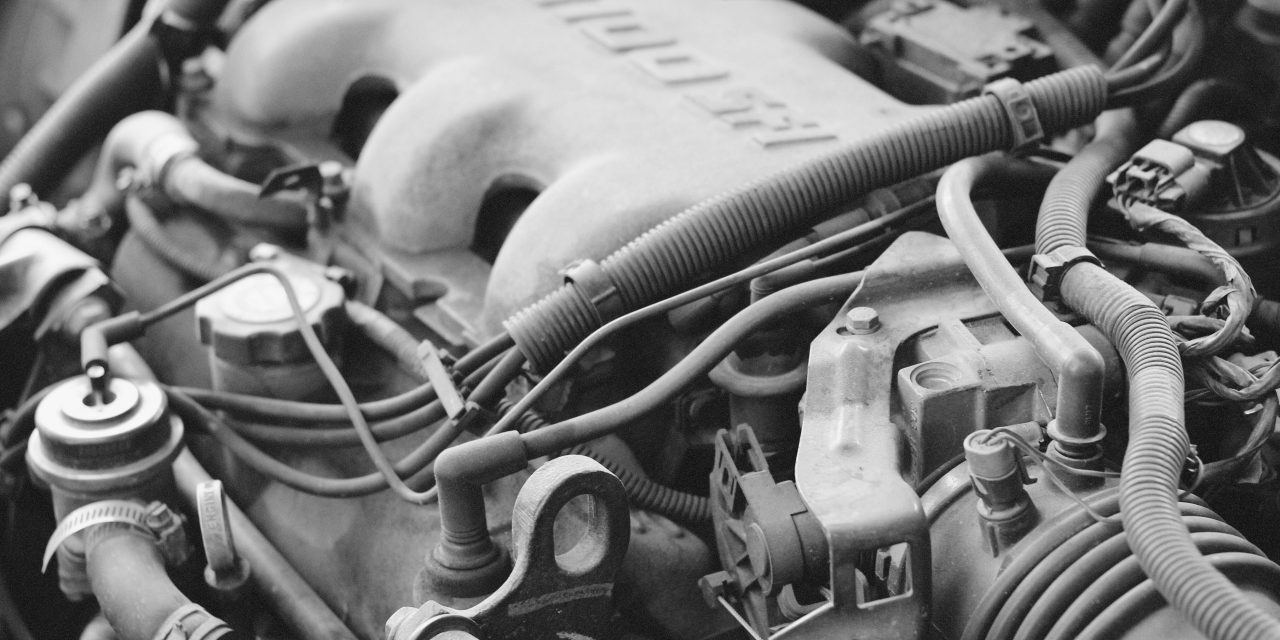
Engine shutdowns at red lights can be a perplexing and frustrating experience for drivers. This phenomenon occurs when a vehicle’s engine unexpectedly stalls while idling, often leading to anxiety about the vehicle’s reliability and safety. Understanding the underlying causes of engine shutdowns is crucial for both prevention and effective resolution. Various factors contribute to this issue, ranging from mechanical failures to electronic malfunctions. By delving into these causes, drivers can better equip themselves to handle such situations and maintain their vehicles in optimal condition.
The implications of engine shutdowns extend beyond mere inconvenience; they can pose significant safety risks, particularly in high-traffic areas. A sudden stall can lead to loss of power steering and braking assistance, making it challenging to control the vehicle. Moreover, frequent shutdowns may indicate deeper mechanical issues that could compromise the vehicle’s overall performance. Therefore, it is essential to identify the root causes of engine shutdowns at red lights and implement appropriate solutions to mitigate these risks.
If you’ve ever experienced your engine shutting off at red lights, you might find it helpful to explore related automotive issues that can affect vehicle performance. For instance, understanding how different factors, such as fuel delivery and electrical systems, can impact your engine’s behavior is crucial. You can read more about maintaining your vehicle’s overall health in this informative article on how to get red wine stains out of clothes and delicate fabrics, which, while seemingly unrelated, emphasizes the importance of care and maintenance in various aspects of life. Check it out here: How to Get Red Wine Stains Out of Clothes and Delicate Fabrics.
Inevitable Idle Issues: What Happens When Your Engine Stalls
When an engine stalls at a red light, it typically results from a failure in the idle system, which is responsible for maintaining engine operation at low speeds. The idle speed is controlled by various components, including the throttle body, idle air control valve, and electronic control unit (ECU). A malfunction in any of these components can lead to an unstable idle, causing the engine to shut off unexpectedly.
The consequences of an engine stall can vary depending on the circumstances. In some cases, the vehicle may restart immediately with minimal disruption. However, repeated stalling can lead to more severe issues, such as battery drainage or damage to the starter motor. Additionally, frequent stalls can trigger warning lights on the dashboard, indicating potential problems that require immediate attention. Understanding these idle issues is vital for diagnosing and addressing the root causes effectively.
Faulty Idle Air Control Valve: The Primary Culprit

One of the most common reasons for engine shutdown at red lights is a faulty idle air control (IAC) valve. This component regulates the amount of air entering the engine during idle conditions, ensuring smooth operation. When the IAC valve malfunctions, it can lead to erratic idle speeds or complete stalling. Symptoms of a faulty IAC valve may include rough idling, stalling when coming to a stop, or difficulty starting the engine.
To diagnose an IAC valve issue, mechanics often perform a visual inspection and may use diagnostic tools to assess its functionality. If found defective, replacement is typically straightforward and can restore proper idle performance. Regular maintenance, including cleaning or replacing the IAC valve as needed, can prevent future stalling issues and enhance overall engine efficiency.
Dirty or Malfunctioning Mass Air Flow Sensor

Another critical component that can contribute to engine shutdowns is the mass air flow (MAF) sensor. This sensor measures the amount of air entering the engine and sends this information to the ECU for optimal fuel-air mixture adjustments. A dirty or malfunctioning MAF sensor can lead to incorrect readings, resulting in poor engine performance and potential stalling.
Symptoms of a malfunctioning MAF sensor may include decreased fuel efficiency, rough acceleration, or stalling at idle. Cleaning the MAF sensor with appropriate cleaning solutions can often resolve minor issues; however, if problems persist, replacement may be necessary. Regular inspections of this component during routine maintenance can help ensure accurate readings and prevent stalling incidents.
If you’ve ever wondered why your engine shuts off at red lights, you might find it helpful to explore some common reasons behind this issue. Factors such as a faulty idle air control valve, a weak battery, or even issues with the fuel system can contribute to unexpected engine shutdowns. For more insights on related automotive concerns, you can check out this article about cracks in the ceiling which discusses when certain problems are normal and when they require immediate attention. Understanding these issues can help you maintain your vehicle better and avoid frustrating situations on the road.
Problems with the Fuel System: Clogged Injectors and Filters
The fuel system plays a vital role in maintaining engine performance. Clogged fuel injectors or filters can disrupt the flow of fuel to the engine, leading to stalling at red lights. Fuel injectors are responsible for delivering precise amounts of fuel into the combustion chamber; when they become clogged with debris or carbon deposits, they cannot function effectively.
Symptoms of fuel system issues may include poor acceleration, misfiring, or stalling during idling. Regularly replacing fuel filters and using high-quality fuel can help prevent clogging in injectors. Additionally, periodic cleaning of fuel injectors using specialized cleaning solutions can restore their functionality and improve overall engine performance.
If you’ve ever wondered why your engine shuts off at red lights, you might find it helpful to explore related topics that delve into vehicle performance and maintenance. For instance, understanding how temperature affects engine efficiency can provide valuable insights. You can read more about this in the article on whether you can put hot food directly in the refrigerator, which discusses how heat impacts various systems. This connection can help you appreciate the broader implications of temperature on your vehicle’s operation. Check out the article here for more information.
Battery and Alternator Concerns Affecting Engine Performance
The electrical system of a vehicle is crucial for its operation, and issues with the battery or alternator can lead to engine shutdowns at red lights. The battery provides the necessary power to start the engine and operate electrical components, while the alternator charges the battery during operation. If either component fails, it can result in insufficient power supply to critical systems.
Symptoms of battery or alternator problems may include dimming headlights, difficulty starting the engine, or warning lights on the dashboard. Regular testing of battery voltage and alternator output can help identify potential issues before they lead to stalling incidents. Replacing a failing battery or alternator promptly can prevent further complications and ensure reliable vehicle operation.
Transmission Troubles Leading to Engine Stalling
Transmission issues can also contribute to engine shutdowns at red lights. Automatic transmissions rely on fluid pressure to engage gears smoothly; if there is a problem with fluid levels or quality, it can lead to erratic shifting or stalling when coming to a stop. Additionally, transmission control modules may malfunction, causing improper gear engagement.
Symptoms of transmission-related problems may include slipping gears, delayed engagement, or unusual noises during operation. Regular transmission fluid changes and inspections can help maintain optimal performance and prevent stalling incidents. If transmission issues are suspected, seeking professional assistance is crucial for accurate diagnosis and repair.
The Role of Spark Plugs and Ignition System Failures
The ignition system is responsible for igniting the air-fuel mixture in the combustion chamber; therefore, any failures within this system can lead to engine shutdowns at red lights. Worn or faulty spark plugs may fail to create a strong enough spark for ignition, resulting in misfires or stalling during idle conditions.
Symptoms of ignition system failures may include rough idling, difficulty starting the engine, or decreased acceleration performance. Regular inspection and replacement of spark plugs according to manufacturer recommendations can help prevent ignition-related issues. Additionally, ensuring that ignition coils and wiring are in good condition is essential for maintaining optimal engine performance.
How a Vacuum Leak Can Cause Engine Shutdown
Vacuum leaks occur when there is an unintended gap in the intake manifold or vacuum hoses that allows excess air into the engine. This disrupts the air-fuel mixture balance and can lead to stalling at red lights due to an overly lean mixture. Symptoms of vacuum leaks may include rough idling, hissing noises from the engine bay, or fluctuating RPMs.
Diagnosing vacuum leaks often involves visual inspections and smoke tests to identify areas where air may be entering unintentionally. Repairing or replacing damaged hoses or gaskets can restore proper airflow and prevent stalling incidents. Regular maintenance checks can help identify potential vacuum leaks before they escalate into more significant issues.
Preventative Maintenance Tips to Avoid Engine Stalling
Preventative maintenance is key to avoiding engine shutdowns at red lights. Regularly scheduled inspections and servicing can help identify potential issues before they become problematic. Here are some essential tips:
1. **Routine Inspections**: Schedule regular check-ups with a qualified mechanic to assess critical components such as the IAC valve, MAF sensor, fuel system, battery, alternator, transmission fluid levels, spark plugs, and vacuum hoses.
2. **Fluid Changes**: Adhere to manufacturer recommendations for changing engine oil, transmission fluid, coolant, and brake fluid to ensure optimal performance.
3. **Quality Fuel**: Use high-quality fuel from reputable sources to minimize deposits in fuel injectors and maintain clean combustion chambers.
4. **Battery Maintenance**: Regularly check battery terminals for corrosion and ensure that connections are secure.
5. **Spark Plug Replacement**: Replace spark plugs according to manufacturer guidelines to maintain efficient ignition performance.
6. **Vacuum Hose Inspection**: Periodically inspect vacuum hoses for wear or damage and replace them as necessary.
By implementing these preventative measures, drivers can significantly reduce the likelihood of experiencing engine shutdowns at red lights.
When to Seek Professional Help for Persistent Engine Shutoffs
While some minor issues may be resolved through DIY maintenance or simple repairs, persistent engine shutdowns warrant professional evaluation. If your vehicle experiences repeated stalls at red lights despite following preventative measures, it is crucial to consult a qualified mechanic for comprehensive diagnostics.
Professional mechanics have access to advanced diagnostic tools that can pinpoint underlying issues more accurately than visual inspections alone. They can assess complex systems such as electronic control units (ECUs), transmission control modules (TCMs), and other intricate components that may contribute to stalling problems.
In conclusion, understanding the various factors contributing to engine shutdowns at red lights is essential for maintaining vehicle reliability and safety. By recognizing symptoms associated with faulty components such as idle air control valves, mass air flow sensors, fuel systems, batteries, transmissions, ignition systems, and vacuum leaks, drivers can take proactive steps toward prevention and resolution. Regular maintenance practices play a pivotal role in ensuring optimal performance while seeking professional assistance when necessary will provide peace of mind for drivers facing persistent issues.
FAQs
What are common reasons for an engine to shut off at red lights?
Common reasons for an engine to shut off at red lights include fuel delivery issues, such as a clogged fuel filter or failing fuel pump, electrical problems like a weak battery or faulty alternator, and issues with the ignition system, such as worn spark plugs or ignition coils. Additionally, problems with the idle air control valve or vacuum leaks can also cause the engine to stall.
Can a faulty sensor cause my engine to shut off at red lights?
Yes, a faulty sensor can cause your engine to shut off at red lights. Sensors such as the mass airflow sensor, throttle position sensor, or crankshaft position sensor play crucial roles in engine management. If any of these sensors malfunction, they can send incorrect data to the engine control unit, leading to stalling or shutting off.
Is it safe to drive a car that shuts off at red lights?
Driving a car that shuts off at red lights can be unsafe, as it may lead to unexpected stalling in traffic, increasing the risk of accidents. It is advisable to have the vehicle inspected and repaired as soon as possible to ensure safe operation.
How can I prevent my engine from shutting off at red lights?
To prevent your engine from shutting off at red lights, regular maintenance is essential. This includes checking and replacing fuel filters, spark plugs, and sensors as needed, ensuring the battery and alternator are functioning properly, and addressing any vacuum leaks. Additionally, keeping the fuel system clean can help maintain optimal engine performance.
When should I seek professional help for my engine shutting off?
You should seek professional help if your engine consistently shuts off at red lights or if you experience other symptoms such as rough idling, difficulty starting, or warning lights on the dashboard. A qualified mechanic can diagnose the issue accurately and recommend the necessary repairs.