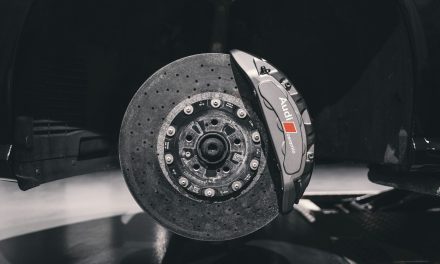
Brake lines are a critical component of a vehicle’s braking system, serving as conduits for hydraulic fluid that enables the brakes to function effectively. These lines are typically made from durable materials such as steel or reinforced rubber, designed to withstand high pressure and resist corrosion. The hydraulic braking system operates on Pascal’s principle, where force applied to a confined fluid is transmitted undiminished throughout the fluid. This principle is essential for converting the force exerted by the driver’s foot on the brake pedal into sufficient pressure to engage the brake calipers, which in turn clamp down on the brake rotors, slowing or stopping the vehicle.
The integrity of brake lines is paramount for ensuring optimal vehicle safety. Any compromise in these lines can lead to catastrophic failures, resulting in diminished braking performance and increased risk of accidents. Regular inspections and maintenance of brake lines are crucial for identifying potential issues before they escalate into serious problems. Understanding the role of brake lines not only emphasizes their importance but also highlights the need for vigilance in monitoring their condition.
If you’re experiencing issues with your vehicle’s braking system, it’s crucial to understand the symptoms of air in brake lines, as this can significantly affect your safety on the road. Common signs include a spongy brake pedal, reduced braking efficiency, and unusual noises when applying the brakes. For more information on maintaining your vehicle and ensuring its safety, you might find this article helpful: How to Cook Frozen Chicken Safely: What Works and What Doesn’t. While it focuses on cooking, it emphasizes the importance of proper maintenance, which can be applied to various aspects of life, including vehicle care.
What Causes Air to Enter Brake Lines?
Air can infiltrate brake lines through various mechanisms, leading to a phenomenon known as “brake line aeration.” One common cause is the presence of leaks in the brake system, which can occur due to wear and tear, corrosion, or damage from road debris. When a leak develops, air can enter the system, displacing hydraulic fluid and creating air pockets that disrupt the hydraulic pressure necessary for effective braking.
Another potential source of air ingress is improper maintenance practices, such as failing to bleed the brake system after replacing components or during routine servicing. When brake fluid is replaced or when components are removed, air can become trapped within the lines if not adequately purged. Additionally, moisture absorption by brake fluid can lead to vapor formation under high temperatures, further contributing to air presence in the system. Understanding these causes is essential for preventing air from entering brake lines and ensuring reliable braking performance.
Spongy or Soft Brake Pedal Feel
One of the most noticeable symptoms of air in brake lines is a spongy or soft brake pedal feel. When air bubbles are present within the hydraulic fluid, they compress under pressure rather than transmitting force effectively. As a result, drivers may experience a pedal that feels less responsive and requires more effort to engage the brakes. This sensation can be alarming, as it indicates that the braking system is not functioning optimally.
A spongy brake pedal can lead to a false sense of security while driving, as drivers may underestimate their vehicle’s stopping power. This condition can be particularly dangerous in emergency situations where quick and decisive braking is necessary. It is crucial for drivers to recognize this symptom and seek immediate attention from a qualified mechanic to diagnose and rectify the underlying issue.
Increased Pedal Travel Before Braking
In addition to a spongy feel, drivers may notice increased pedal travel before the brakes engage. This phenomenon occurs when air within the brake lines creates a delay in hydraulic pressure buildup. As a result, the driver must push the pedal further down before any braking action occurs. Increased pedal travel can lead to confusion and hesitation during critical driving moments, potentially resulting in accidents.
This symptom often indicates that there is a significant amount of air trapped within the brake lines, necessitating prompt intervention. Ignoring this warning sign can lead to further complications within the braking system and compromise overall vehicle safety. Regular maintenance checks should include assessments of pedal travel to ensure that it remains within acceptable limits.
If you’re experiencing issues with your vehicle’s braking system, it’s essential to understand the symptoms of air in brake lines, which can lead to decreased braking efficiency and increased stopping distances. For a more in-depth look at related automotive maintenance topics, you might find this article on brake line care particularly helpful. Recognizing the signs of air in your brake lines can help you address the problem before it becomes a safety hazard.
Reduced Braking Efficiency and Longer Stopping Distances
The presence of air in brake lines directly correlates with reduced braking efficiency and longer stopping distances. When air bubbles disrupt hydraulic pressure, the force exerted on the brake calipers diminishes, resulting in less effective braking action. Consequently, drivers may find themselves needing to apply greater pressure on the brake pedal to achieve the desired deceleration.
Longer stopping distances can have dire consequences, especially in high-speed scenarios or when navigating congested traffic conditions. The inability to stop promptly can lead to collisions or near-misses, underscoring the importance of addressing any signs of air in the brake lines immediately. Regular inspections and timely repairs are essential for maintaining optimal braking performance and ensuring driver safety.
Brake Warning Light Activation
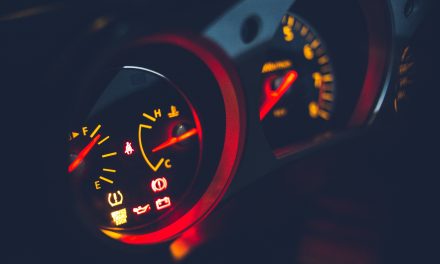
Modern vehicles are equipped with sophisticated onboard diagnostic systems that monitor various components, including the braking system. When air infiltrates brake lines or when there is a significant drop in hydraulic fluid levels due to leaks, the brake warning light on the dashboard may illuminate. This warning serves as an alert for drivers to investigate potential issues within their braking system.
Ignoring this warning light can lead to severe consequences, as it indicates that something is amiss with the vehicle’s ability to stop effectively. Drivers should never dismiss dashboard alerts; instead, they should take immediate action by consulting their vehicle’s manual or seeking professional assistance from a certified mechanic. Timely intervention can prevent further damage and ensure safe driving conditions.
Unusual Noises When Applying Brakes
Another indicator of air in brake lines is the presence of unusual noises when applying brakes. Drivers may hear grinding, squeaking, or hissing sounds that signal underlying issues within the braking system. These noises can arise from various sources, including worn brake pads or components that are not functioning correctly due to compromised hydraulic pressure.
Unusual sounds should never be overlooked, as they often indicate that immediate attention is required. Addressing these noises promptly can prevent further damage to brake components and enhance overall safety while driving. Regular maintenance checks should include auditory assessments to identify any abnormal sounds associated with braking.
Brake Pedal Sinks to the Floor
A particularly alarming symptom of air in brake lines is when the brake pedal sinks all the way to the floor without engaging the brakes effectively. This condition typically indicates a severe loss of hydraulic pressure due to significant air infiltration or fluid leaks within the system. A sinking pedal poses an immediate danger, as it compromises a driver’s ability to stop their vehicle altogether.
Drivers experiencing this symptom should refrain from operating their vehicle and seek professional assistance immediately. Ignoring this issue can lead to catastrophic outcomes, including loss of control over the vehicle and potential accidents. It is crucial for drivers to understand that this symptom requires urgent attention from qualified technicians who can diagnose and rectify the problem.
Uneven Brake Pressure and Vehicle Pulling to One Side
Air in brake lines can also result in uneven brake pressure distribution across different wheels, leading to a phenomenon known as “brake pull.” When one side of the braking system engages more effectively than the other due to compromised hydraulic pressure, drivers may notice their vehicle pulling to one side during braking maneuvers. This condition not only affects driving comfort but also poses significant safety risks.
Uneven braking can lead to loss of control during emergency stops or while navigating turns, increasing the likelihood of accidents. Drivers should be vigilant about any changes in vehicle behavior during braking and seek immediate assistance if they experience pulling sensations or uneven stopping power. Regular maintenance checks should include assessments of brake balance and alignment.
The Dangers of Ignoring Air in Brake Lines
Neglecting signs of air in brake lines can have dire consequences for both drivers and passengers alike. The inability to stop effectively increases the risk of collisions, endangering lives on the road. Additionally, compromised braking performance can lead to costly repairs if left unaddressed for extended periods.
Moreover, ignoring symptoms such as spongy pedals or warning lights can result in further damage to other components within the braking system, leading to more extensive repairs and increased costs over time. It is essential for drivers to prioritize regular maintenance checks and address any concerns promptly to ensure their safety and that of others on the road.
How to Diagnose and Fix Air in Brake Lines Properly
Diagnosing air in brake lines requires a systematic approach that includes visual inspections and functional tests. Mechanics typically begin by examining brake fluid levels and checking for leaks around fittings and connections. If leaks are detected, they must be repaired before proceeding with further diagnostics.
Once leaks are addressed, technicians will perform a process known as “bleeding” the brakes to remove trapped air from the system. This involves opening bleed valves on each brake caliper while applying pressure to the brake pedal, allowing air bubbles to escape while ensuring that hydraulic fluid remains at optimal levels.
In some cases, specialized equipment may be used for more efficient bleeding processes, such as vacuum bleeders or pressure bleeders that facilitate quicker removal of air from the system. After bleeding is complete, mechanics will conduct thorough tests to ensure that braking performance has returned to normal levels before returning the vehicle to service.
In conclusion, understanding the role of brake lines in vehicle safety is paramount for every driver. Recognizing symptoms associated with air infiltration—such as spongy pedals, increased travel distance before engagement, reduced efficiency, warning light activation, unusual noises, sinking pedals, and uneven pressure—can help prevent dangerous situations on the road. Regular maintenance checks and prompt attention to any warning signs are essential for ensuring optimal braking performance and overall vehicle safety. By prioritizing these practices, drivers can significantly reduce their risk of accidents and enhance their driving experience.
FAQs
What are the common symptoms of air in brake lines?
Common symptoms of air in brake lines include a spongy or soft brake pedal, reduced braking power, longer stopping distances, and a brake pedal that sinks to the floor when pressed. Drivers may also notice unusual noises when applying the brakes.
How can I tell if my brake lines have air in them?
You can tell if your brake lines have air in them by performing a brake pedal test. If the pedal feels soft or spongy, or if it travels further than usual before engaging, it may indicate air in the lines. Additionally, if you hear a hissing sound when pressing the brake pedal, this could also be a sign.
What causes air to enter brake lines?
Air can enter brake lines due to several reasons, including leaks in the brake system, improper brake fluid replacement, or during maintenance procedures such as brake bleeding. Additionally, if the brake fluid level is low, it can allow air to be drawn into the system.
Can air in brake lines affect vehicle safety?
Yes, air in brake lines can significantly affect vehicle safety. It can lead to decreased braking efficiency, making it harder to stop the vehicle quickly and increasing the risk of accidents. Proper brake function is crucial for safe driving.
How can I remove air from brake lines?
To remove air from brake lines, you can bleed the brakes. This process involves opening the bleeder valve on each brake caliper while someone presses the brake pedal, allowing trapped air to escape. It is recommended to consult a professional mechanic if you are unsure how to perform this procedure safely.