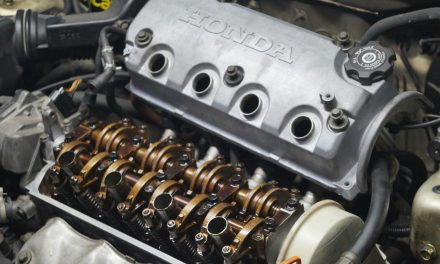
Spark plugs are integral components of internal combustion engines, serving as the ignition source for the air-fuel mixture within the combustion chamber. These small yet vital devices generate a spark that ignites the mixture, facilitating the engine’s power generation. The efficiency and performance of an engine heavily rely on the proper functioning of spark plugs. When they operate optimally, they contribute to smooth engine performance, improved fuel efficiency, and reduced emissions. Conversely, faulty spark plugs can lead to a myriad of issues, including decreased engine performance and increased fuel consumption.
Understanding the significance of spark plugs extends beyond mere functionality; it encompasses their role in maintaining overall vehicle health. Regular inspection and timely replacement of these components can prevent extensive engine damage and costly repairs. As vehicles age, the wear and tear on spark plugs become inevitable, making it crucial for vehicle owners to recognize the signs of malfunction. This article will delve into the various indicators of failing spark plugs, how to inspect them safely, and best practices for maintenance.
If you’re looking to maintain your vehicle’s performance, understanding how to tell if spark plugs are bad is crucial. A related article that provides valuable insights on introducing new elements into your home is available at this link. While it may seem unrelated, both topics emphasize the importance of proper integration and maintenance, whether it’s for your car or a new pet.
Sign 1: Engine Misfires and Rough Idling
One of the most prominent signs of failing spark plugs is engine misfires, which occur when the combustion process is disrupted. This disruption can lead to uneven power delivery, resulting in a rough idling experience. Drivers may notice their vehicle shaking or vibrating while at a standstill, indicating that one or more cylinders are not firing correctly. Misfires can stem from various causes, but worn or damaged spark plugs are often at the forefront.
In addition to rough idling, engine misfires can manifest during acceleration or cruising. A misfiring engine may produce a noticeable hesitation or stutter, which can be alarming for drivers. If left unaddressed, persistent misfires can lead to more severe engine damage, including catalytic converter failure due to unburned fuel entering the exhaust system. Therefore, recognizing this sign early on is essential for maintaining engine integrity.
Sign 2: Difficulty Starting the Engine

Another critical indicator of failing spark plugs is difficulty starting the engine. When spark plugs become worn or fouled, they may struggle to create a sufficient spark to ignite the air-fuel mixture effectively. As a result, drivers may experience prolonged cranking times or even complete failure to start. This issue can be particularly frustrating, especially in cold weather conditions when engines typically require more effort to start.
In some cases, difficulty starting may be accompanied by unusual sounds, such as clicking or grinding noises from the starter motor. These symptoms can indicate that the battery is under strain due to excessive cranking attempts. If starting issues persist, it is advisable to inspect the spark plugs promptly to determine if they are contributing to the problem. Ignoring this sign can lead to further complications and potential breakdowns.
Sign 3: Poor Fuel Economy

A decline in fuel economy is another significant sign that spark plugs may be malfunctioning. When spark plugs fail to ignite the air-fuel mixture efficiently, it can lead to incomplete combustion. This inefficiency results in increased fuel consumption as the engine compensates for the lost power by drawing more fuel into the combustion chamber. Drivers may notice that they are refueling more frequently than usual or that their vehicle’s miles per gallon (MPG) rating has decreased significantly.
Poor fuel economy not only affects a driver’s wallet but also contributes to higher emissions and environmental impact. In modern vehicles equipped with advanced onboard diagnostics systems, a decrease in fuel efficiency may trigger warning lights on the dashboard. Addressing this issue promptly by inspecting and replacing faulty spark plugs can restore optimal fuel economy and enhance overall vehicle performance.
If you’re wondering how to tell if spark plugs are bad, it’s essential to look for signs like poor engine performance or difficulty starting your vehicle. Regular maintenance can help prevent issues, and understanding the symptoms of failing spark plugs can save you time and money. For more tips on enhancing your home environment, you might find this article on beautiful indoor plants interesting, as it discusses how to brighten your space with greenery. Check it out here.
Sign 4: Lack of Acceleration and Power
A noticeable lack of acceleration and power can be attributed to failing spark plugs as well. When these components do not function correctly, they hinder the engine’s ability to generate power efficiently. Drivers may find that their vehicle struggles to accelerate when pressing the gas pedal or that it takes longer than usual to reach desired speeds. This lack of responsiveness can be particularly concerning during overtaking maneuvers or when merging onto highways.
The underlying cause of this power deficiency often lies in incomplete combustion due to weak or inconsistent sparks from worn-out spark plugs. As a result, the engine may not produce sufficient horsepower, leading to a frustrating driving experience. If this symptom is observed, it is crucial to investigate the condition of the spark plugs and consider replacement as part of a broader maintenance strategy.
If you’re experiencing issues with your vehicle’s performance, it might be time to check your spark plugs for signs of wear or damage. Understanding how to tell if spark plugs are bad can save you from more significant engine problems down the road. For further insights on maintaining your vehicle, you might find this article on choosing the perfect kitten sitter interesting, as it emphasizes the importance of regular care and attention, similar to how you should regularly inspect your car’s components.
Sign 5: Engine Surging or Hesitation
Engine surging or hesitation is another telltale sign of failing spark plugs. This phenomenon occurs when there are fluctuations in power delivery while driving, causing the vehicle to surge forward unexpectedly or hesitate during acceleration. Such erratic behavior can be alarming for drivers and may pose safety risks in certain driving conditions.
Surging typically results from inconsistent ignition timing caused by faulty spark plugs. When one or more plugs fail to ignite the air-fuel mixture at the correct moment, it disrupts the engine’s rhythm and leads to unpredictable power delivery. Addressing this issue promptly is essential not only for restoring smooth driving but also for preventing potential damage to other engine components.
Sign 6: Visible Wear and Carbon Deposits on Spark Plugs
A visual inspection of spark plugs can provide valuable insights into their condition. Signs of wear, such as eroded electrodes or cracked insulators, indicate that replacement is necessary. Additionally, carbon deposits on spark plugs can signal incomplete combustion or oil leaks within the engine. These deposits can accumulate over time and hinder proper ignition.
When inspecting spark plugs, it is essential to look for specific characteristics that indicate wear or fouling. For instance, a healthy spark plug should have a light tan or gray color on its electrodes, while excessive black soot or oil deposits suggest underlying issues that need addressing. Regular inspections can help identify these problems early on and prevent further complications.
Sign 7: Check Engine Light Activation
The activation of the check engine light is a crucial warning signal that should never be ignored. This light can illuminate for various reasons, including issues related to spark plugs. Modern vehicles are equipped with onboard diagnostic systems that monitor engine performance and emissions closely. If these systems detect irregularities associated with ignition failure or misfires caused by faulty spark plugs, they will trigger the check engine light.
When this warning light appears on the dashboard, it is advisable to conduct a thorough diagnostic scan using an OBD-II scanner. This tool can provide specific error codes that pinpoint the underlying issue, allowing for targeted repairs. Ignoring the check engine light can lead to more severe problems down the line, making timely intervention essential.
How to Inspect Spark Plugs Safely and Effectively
Inspecting spark plugs requires careful attention and adherence to safety protocols. Before beginning any inspection process, ensure that the engine is cool to prevent burns or injuries. Start by disconnecting the battery to eliminate any electrical hazards during inspection.
Using a socket wrench, carefully remove each spark plug from its respective cylinder head. Inspect each plug for signs of wear, such as cracks or excessive carbon buildup. A gap gauge can be used to measure electrode spacing; if it deviates from manufacturer specifications, replacement is necessary.
Additionally, examine the condition of ignition wires and coils during this process. Damaged wires can contribute to poor ignition performance and should be replaced if found faulty. After inspection and necessary replacements, reassemble everything securely before reconnecting the battery.
When to Replace Spark Plugs: Recommended Intervals
The recommended intervals for replacing spark plugs vary depending on several factors, including vehicle make and model, driving conditions, and type of spark plug used (copper, platinum, or iridium). Generally speaking, conventional copper spark plugs should be replaced every 30,000 miles, while platinum and iridium variants can last between 60,000 to 100,000 miles.
However, it is essential for vehicle owners to consult their owner’s manual for specific recommendations tailored to their vehicle’s requirements. Regular maintenance checks should include inspections of spark plugs at least once a year or every 10,000 miles as part of routine service.
Tips for Maintaining Spark Plugs to Avoid Future Issues
To prolong the lifespan of spark plugs and prevent future issues, several maintenance tips should be considered:
1. **Regular Inspections**: Conduct routine inspections every 10,000 miles or during oil changes.
2. **Use Quality Fuel**: Opt for high-quality fuel with appropriate octane ratings to minimize carbon buildup.
3. **Replace Ignition Wires**: Ensure ignition wires are in good condition; replace them if frayed or damaged.
4. **Avoid Short Trips**: Frequent short trips prevent engines from reaching optimal operating temperatures; longer drives help burn off carbon deposits.
5. **Follow Manufacturer Guidelines**: Adhere strictly to manufacturer recommendations regarding replacement intervals and specifications.
By implementing these practices, vehicle owners can enhance their engines’ performance while minimizing potential issues related to spark plugs.
In summary, understanding the importance of spark plugs in an internal combustion engine is crucial for maintaining optimal vehicle performance. Recognizing signs such as engine misfires, difficulty starting, poor fuel economy, lack of acceleration, surging or hesitation, visible wear on plugs, and check engine light activation can help identify potential problems early on. Regular inspections and adherence to recommended replacement intervals are essential for ensuring longevity and efficiency in vehicle operation. By following best practices for maintenance and addressing issues promptly, drivers can enjoy smoother rides and improved fuel efficiency while safeguarding their engines against costly repairs in the future.
FAQs
What are the common signs of bad spark plugs?
Common signs of bad spark plugs include difficulty starting the engine, rough idling, decreased fuel efficiency, engine misfires, and a noticeable decrease in acceleration. Additionally, you may notice a check engine light on your dashboard.
How often should spark plugs be replaced?
Spark plugs should typically be replaced every 30,000 to 100,000 miles, depending on the type of spark plugs used and the manufacturer’s recommendations. It’s important to consult your vehicle’s owner manual for specific guidelines.
Can bad spark plugs cause engine damage?
Yes, bad spark plugs can lead to engine damage. If spark plugs are not functioning properly, they can cause misfires, which may result in unburned fuel entering the exhaust system, potentially damaging the catalytic converter and leading to costly repairs.
How can I visually inspect spark plugs for damage?
You can visually inspect spark plugs by removing them from the engine and checking for signs of wear or damage. Look for carbon buildup, cracks, or excessive wear on the electrode. A healthy spark plug should have a light tan or gray color on the insulator.
What tools do I need to check spark plugs?
To check spark plugs, you will need a socket wrench with the appropriate size spark plug socket, a torque wrench for reinstallation, and possibly a gap gauge to measure the spark plug gap. Additionally, a flashlight can help you see the spark plugs clearly during inspection.