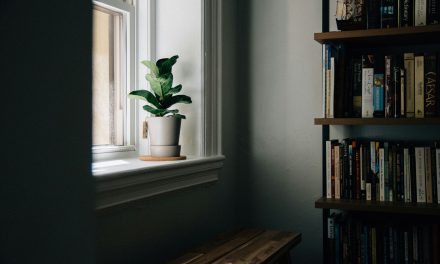
Indoor palms have become increasingly popular in contemporary home decor, serving not only as aesthetic enhancements but also as functional elements that contribute to a healthier living environment. These tropical plants are characterized by their long, arching fronds and diverse shapes, making them versatile additions to various interior styles. The allure of indoor palms lies in their ability to bring a touch of nature indoors, creating a serene atmosphere that promotes relaxation and well-being.
Choosing palms for your home can significantly improve air quality, as many species are known for their air-purifying properties. They absorb harmful toxins and release oxygen, contributing to a fresher indoor environment. Furthermore, palms are relatively low-maintenance compared to other houseplants, making them ideal for both novice and experienced plant enthusiasts. With a wide variety of species available, there is a palm suitable for every space, whether it be a cozy apartment or a spacious living room.
Benefits of Having Indoor Palms
The advantages of incorporating indoor palms into your living space extend beyond mere aesthetics. One of the primary benefits is their ability to enhance air quality. Research conducted by NASA has shown that certain palm species can effectively remove pollutants such as formaldehyde, benzene, and carbon monoxide from the air. This purification process not only improves respiratory health but also contributes to overall well-being.
Additionally, indoor palms can help regulate humidity levels within your home. By releasing moisture through a process known as transpiration, these plants can create a more comfortable living environment, particularly in dry climates or during winter months when indoor heating can lead to arid conditions. Moreover, the presence of greenery has been linked to reduced stress levels and increased productivity, making palms an excellent choice for home offices or study areas.
Areca Palm: The Air-Purifying Beauty

The Areca Palm (Dypsis lutescens), often referred to as the butterfly palm due to its feathery fronds that resemble butterfly wings, is renowned for its exceptional air-purifying capabilities. This palm can grow up to 6-7 feet tall and thrives in bright, indirect light. Its lush foliage not only adds a tropical flair to any room but also works diligently to filter out harmful toxins from the air.
In terms of care, the Areca Palm requires moderate watering—allowing the top inch of soil to dry out between waterings is ideal. It prefers well-draining soil and benefits from regular misting to maintain humidity levels. With proper care, this palm can live for several years, making it a long-lasting addition to your indoor garden.
Kentia Palm: Elegance and Ease of Care

The Kentia Palm (Howea forsteriana) is celebrated for its graceful appearance and adaptability to various indoor conditions. With its slender trunk and arching fronds, this palm can reach heights of up to 10 feet, making it an elegant statement piece in larger spaces. It thrives in low to bright indirect light and is remarkably tolerant of neglect, making it an excellent choice for busy individuals.
Care for the Kentia Palm involves ensuring that the soil remains slightly moist but not soggy. It is essential to avoid overwatering, as this can lead to root rot. Fertilizing every few months during the growing season will promote healthy growth. Its resilience and beauty make the Kentia Palm a favorite among interior designers and plant lovers alike.
Parlor Palm: Perfect for Low Light Spaces
The Parlor Palm (Chamaedorea elegans) is an ideal choice for those with limited natural light in their homes. This small palm typically grows between 3-4 feet tall and features delicate fronds that add a touch of elegance without overwhelming smaller spaces. Its ability to thrive in low-light conditions makes it a popular choice for offices and apartments.
Caring for the Parlor Palm is straightforward; it requires minimal watering—allowing the soil to dry out slightly between waterings is sufficient. This palm also appreciates occasional misting to maintain humidity levels. With its charming appearance and low maintenance needs, the Parlor Palm is perfect for anyone looking to introduce greenery into their home without extensive care requirements.
Majesty Palm: Tropical Vibes Indoors
The Majesty Palm (Ravenea rivularis) brings a tropical ambiance indoors with its tall stature and lush fronds that can reach heights of up to 10 feet. This palm is often used as a focal point in larger rooms or entryways due to its impressive size and striking appearance. It thrives in bright, indirect light but can adapt to lower light conditions if necessary.
To care for the Majesty Palm, it is crucial to keep the soil consistently moist but not waterlogged. Regular fertilization during the growing season will encourage robust growth and vibrant foliage. Additionally, this palm benefits from high humidity levels; placing it near a humidifier or regularly misting its leaves can help maintain its health and vitality.
Bamboo Palm: Compact and Charming
The Bamboo Palm (Chamaedorea seifrizii) is a compact species that adds charm and character to any indoor space. Typically growing between 4-6 feet tall, this palm features slender stems resembling bamboo stalks adorned with lush green fronds. It is particularly well-suited for smaller rooms or apartments where space is limited.
This palm thrives in indirect light and prefers consistently moist soil without becoming waterlogged. Regular misting will help maintain humidity levels, which is essential for its overall health. The Bamboo Palm is also known for its air-purifying qualities, making it an excellent choice for improving indoor air quality while adding visual appeal.
Lady Palm: Classic and Hardy
The Lady Palm (Rhapis excelsa) is a classic choice among indoor palms due to its hardiness and adaptability. This palm can grow up to 6-12 feet tall and features fan-shaped fronds that create a lush appearance. It thrives in various lighting conditions, from low light to bright indirect light, making it versatile for different spaces.
Caring for the Lady Palm involves ensuring that the soil remains evenly moist while avoiding overwatering. Fertilizing every few months during the growing season will promote healthy growth. Its resilience and ability to tolerate neglect make the Lady Palm an excellent option for those seeking a low-maintenance yet visually appealing indoor plant.
Ponytail Palm: Unique and Low Maintenance
The Ponytail Palm (Beaucarnea recurvata) stands out with its unique appearance characterized by a swollen base resembling a bulbous trunk topped with long, curly leaves that cascade down like a ponytail. This succulent-like palm typically grows between 3-8 feet tall and thrives in bright light conditions.
Caring for the Ponytail Palm is relatively simple; it requires infrequent watering due to its ability to store moisture in its trunk. Allowing the soil to dry out completely between waterings is essential for preventing root rot. This low-maintenance plant is perfect for those who appreciate unique aesthetics without extensive care requirements.
Sago Palm: Exotic Look with Minimal Care
The Sago Palm (Cycas revoluta), despite its name, is not a true palm but rather a cycad that offers an exotic look with minimal care needs. This slow-growing plant features stiff, feathery leaves that create a striking visual impact in any indoor setting. Typically reaching heights of 2-10 feet, it can be an eye-catching centerpiece in your home.
Caring for the Sago Palm involves providing bright indirect light and allowing the soil to dry out between waterings. It is essential to avoid overwatering, as this can lead to root rot. Fertilizing once or twice a year during the growing season will support healthy growth. Its unique appearance combined with low maintenance makes the Sago Palm an attractive option for indoor gardening enthusiasts.
Dwarf Date Palm: Small Size, Big Impact
The Dwarf Date Palm (Phoenix roebelenii) is a compact palm that packs a punch with its lush foliage and graceful appearance. Typically growing between 3-6 feet tall, this palm features arching fronds that create an inviting atmosphere in any room. Its small size makes it suitable for apartments or smaller spaces while still providing significant visual impact.
Caring for the Dwarf Date Palm involves ensuring it receives bright indirect light while keeping the soil consistently moist but not soggy. Regular misting will help maintain humidity levels, which is beneficial for its overall health. With its charming appearance and manageable size, this palm is perfect for those looking to enhance their indoor environment without overwhelming their space.
Chinese Fan Palm: Bold and Beautiful Foliage
The Chinese Fan Palm (Livistona chinensis) is known for its bold, fan-shaped fronds that create an eye-catching display in any indoor setting. This palm can grow up to 20 feet tall outdoors but typically remains smaller when grown indoors, making it suitable for various spaces. Its striking foliage adds a touch of elegance and sophistication to any room.
Caring for the Chinese Fan Palm involves providing bright indirect light while ensuring the soil remains consistently moist without becoming waterlogged. Regular fertilization during the growing season will promote healthy growth and vibrant foliage. Its unique appearance combined with manageable care requirements makes this palm an excellent choice for enhancing your indoor environment.
Tips for Caring for Your Indoor Palms
To ensure your indoor palms thrive, consider implementing these essential care tips:
1. **Lighting**: Understand each species’ light requirements—some prefer bright indirect light while others thrive in low-light conditions.
2. **Watering**: Avoid overwatering by allowing the top inch of soil to dry out before watering again; ensure proper drainage.
3. **Humidity**: Many palms benefit from higher humidity levels; consider misting regularly or using a humidifier.
4. **Fertilization**: Feed your palms with a balanced fertilizer during the growing season (spring and summer) every few months.
5. **Pruning**: Remove any dead or yellowing fronds regularly to promote healthy growth and maintain aesthetics.
6. **Pest Control**: Monitor your palms for pests such as spider mites or scale; treat infestations promptly with insecticidal soap or neem oil.
Choosing the Right Palm for Your Home Environment
In conclusion, indoor palms offer numerous benefits ranging from aesthetic appeal to improved air quality and humidity regulation. With various species available—each possessing unique characteristics—there is undoubtedly a palm suitable for every home environment. Whether you opt for the elegant Kentia Palm or the compact Bamboo Palm, these plants can enhance your living space while promoting well-being.
When selecting an indoor palm, consider factors such as lighting conditions, available space, and maintenance requirements to ensure you choose the right species for your lifestyle. By incorporating these beautiful plants into your home, you can create a tranquil oasis that fosters relaxation and rejuvenation amidst your daily routine.
FAQs
What are the best types of palms for indoor planting?
Some of the best types of palms for indoor planting include the Areca Palm, Kentia Palm, Parlor Palm, and Bamboo Palm. These varieties are known for their adaptability to indoor conditions and their ability to thrive in lower light environments.
How often should I water my indoor palm plant?
Indoor palm plants generally prefer to be kept slightly moist but not soggy. Watering once a week is typically sufficient, but it’s important to check the top inch of soil; if it feels dry, it’s time to water. Overwatering can lead to root rot, so ensure proper drainage.
What light conditions do indoor palms require?
Most indoor palms prefer bright, indirect light. While some varieties can tolerate low light conditions, they will grow more vigorously and maintain their health with adequate light. Avoid placing them in direct sunlight, as this can scorch their leaves.
How can I fertilize my indoor palm plant?
Indoor palms benefit from regular fertilization during the growing season, typically from spring to early fall. Use a balanced, water-soluble fertilizer diluted to half strength every 4-6 weeks. In winter, reduce or stop fertilization as the plant’s growth slows down.
What are common pests that affect indoor palm plants?
Common pests that can affect indoor palm plants include spider mites, mealybugs, and scale insects. Regularly inspecting your plants and maintaining proper humidity levels can help prevent infestations. If pests are detected, treat them promptly with insecticidal soap or neem oil.