Browning ground beef is a culinary technique that transcends mere aesthetics; it is fundamental to enhancing flavor and texture in a variety of dishes. The Maillard reaction, a complex chemical process that occurs when proteins and sugars in meat are exposed to high heat, is responsible for the rich, savory flavors that develop during browning. This reaction not only contributes to the appealing color of the meat but also creates a depth of flavor that can elevate a dish from ordinary to extraordinary. Properly browned ground beef serves as a robust foundation for sauces, casseroles, and tacos, making it an essential skill for any home cook or professional chef.
Moreover, the importance of browning extends beyond flavor; it also plays a crucial role in food safety. Cooking ground beef to an internal temperature of 160°F (71°C) ensures that harmful bacteria such as E. coli and Salmonella are effectively eliminated. By achieving a proper sear on the meat, cooks can create a barrier that helps retain moisture while ensuring that the meat is cooked thoroughly. Thus, mastering the art of browning ground beef is not only about culinary finesse but also about adhering to food safety standards.
When it comes to cooking, achieving the perfect texture and flavor is essential, especially when browning ground beef. To learn more about maintaining the right moisture balance in your cooking, you might find this article on how to feed and maintain a sourdough starter particularly interesting. It offers insights into the importance of moisture and care in culinary practices, which can be applied to various cooking techniques, including browning meat. For more details, check out the article here: how to feed and maintain a sourdough starter.
Choosing the Right Type and Fat Content of Ground Beef
Selecting the appropriate type of ground beef is paramount for achieving optimal results in your culinary endeavors. Ground beef is typically categorized by its fat content, which can range from lean (90% lean, 10% fat) to extra fatty (70% lean, 30% fat). The choice of fat content significantly influences both flavor and texture. For instance, ground beef with higher fat content tends to yield juicier and more flavorful results, making it ideal for burgers and meatballs. Conversely, leaner options are preferable for dishes where excess fat may be undesirable, such as in sauces or stir-fries.
In addition to fat content, the cut of meat used to produce ground beef can also affect the final outcome. Ground chuck, derived from the shoulder area, is often favored for its balance of flavor and fat, while ground sirloin offers a leaner alternative with a slightly more refined taste. Understanding these distinctions allows cooks to tailor their choice of ground beef to suit specific recipes and personal preferences, ultimately enhancing the overall dining experience.
Preparing Your Pan: The Key to Even Cooking

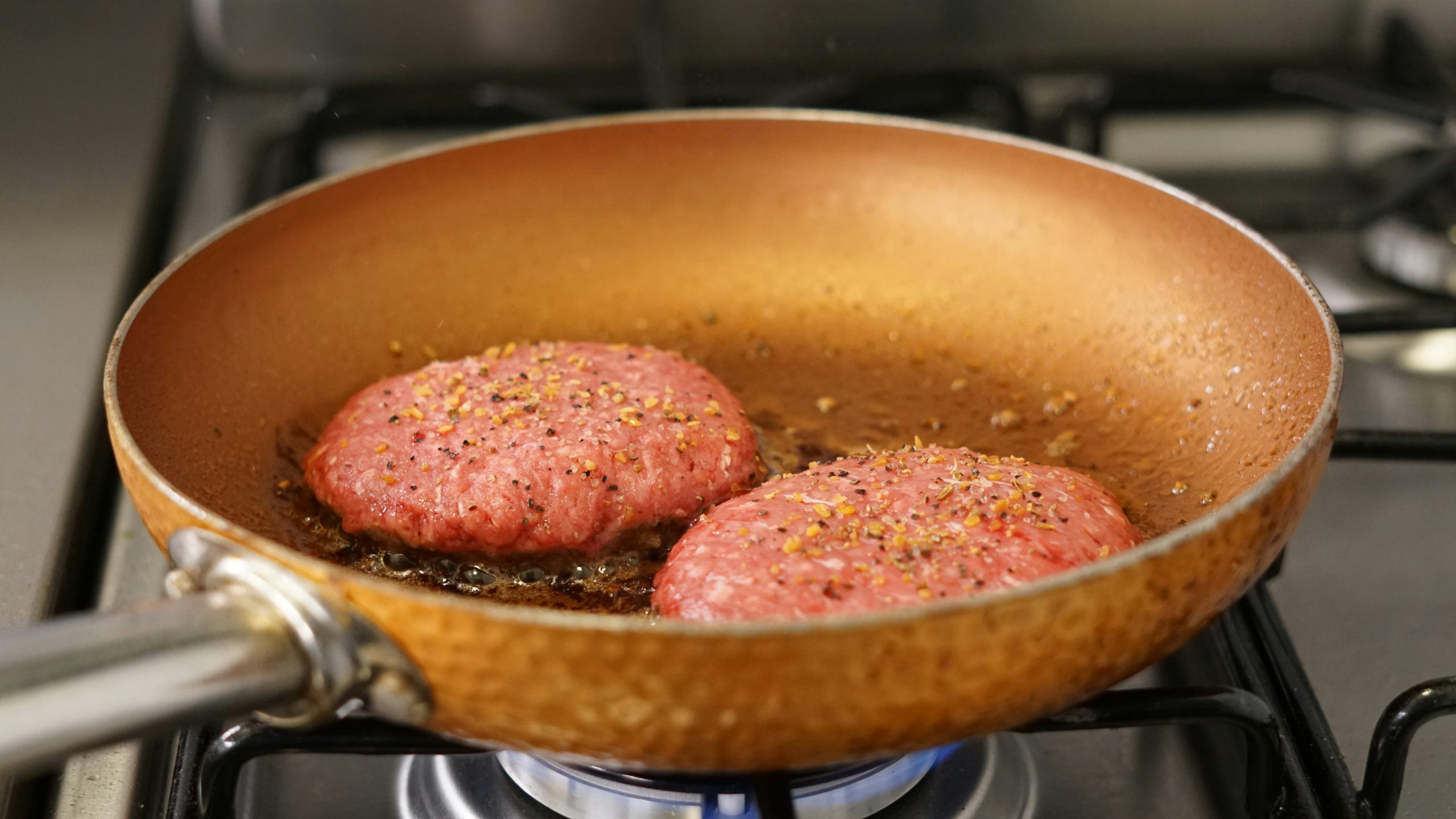
The preparation of your cooking vessel is a critical step in achieving evenly browned ground beef. A heavy-bottomed skillet or cast-iron pan is often recommended due to its ability to retain heat and distribute it uniformly across the surface. Before adding the meat, it is essential to preheat the pan adequately; this ensures that the beef begins to sear immediately upon contact, promoting the Maillard reaction. A well-heated pan will also help prevent sticking, allowing for easier flipping and stirring.
Additionally, incorporating a small amount of oil into the pan can further enhance browning. Oils with high smoke points, such as canola or grapeseed oil, are ideal choices as they can withstand higher temperatures without burning. By preparing your pan correctly, you set the stage for achieving perfectly browned ground beef that is both flavorful and visually appealing.
Avoiding Overcrowding: Why Space Matters

One common mistake when browning ground beef is overcrowding the pan. When too much meat is added at once, it lowers the pan’s temperature, resulting in steaming rather than browning. This not only inhibits the development of flavor but can also lead to uneven cooking. To achieve optimal results, it is advisable to work in batches if necessary, allowing ample space between pieces of meat. This practice ensures that each portion has sufficient exposure to heat, facilitating even browning and enhancing flavor.
Furthermore, overcrowding can lead to moisture retention within the pan, which can create an undesirable texture in the final product. By prioritizing space and cooking in smaller quantities, cooks can achieve that coveted caramelized exterior while maintaining a juicy interior.
If you’re looking to enhance your cooking skills, mastering the technique of browning ground beef without drying it out is essential. To achieve the perfect texture and flavor, it’s important to use the right heat and cooking time. For more tips on improving your culinary techniques, you might find this article on kneading bread dough particularly helpful, as it offers insights into handling ingredients with care, much like you would with ground beef.
The Perfect Heat Setting for Browning Ground Beef
Determining the ideal heat setting for browning ground beef is crucial for achieving optimal results. A medium-high heat setting is generally recommended as it strikes a balance between searing the meat quickly while preventing it from burning. If the heat is too low, the meat will release moisture and steam instead of browning; conversely, excessively high heat can lead to burnt edges while leaving the interior undercooked.
To gauge whether your pan is at the right temperature, you can perform a simple water droplet test: sprinkle a few drops of water into the pan; if they sizzle and evaporate almost immediately, your pan is ready for cooking. Adjusting the heat as necessary throughout the cooking process will help maintain consistent browning and prevent any unwanted charring.
When and How to Season for Maximum Flavor
Seasoning ground beef at the right moment can significantly enhance its flavor profile. While some cooks prefer to season before cooking, others advocate for seasoning during or after browning. The key lies in understanding how salt interacts with meat; salting too early can draw moisture out of the beef, leading to dryness. Instead, consider seasoning just before adding it to the pan or during cooking when the meat has begun to brown.
In addition to salt, incorporating spices and herbs can elevate your dish further. Common seasonings include garlic powder, onion powder, paprika, and black pepper. For more complex flavors, consider adding fresh herbs like thyme or oregano towards the end of cooking to preserve their aromatic qualities. Experimenting with different seasoning combinations allows cooks to tailor their dishes according to personal preferences and regional cuisines.
Using the Right Cooking Oil to Prevent Sticking and Dryness
The choice of cooking oil plays a pivotal role in preventing sticking and ensuring that ground beef retains its moisture during cooking. Oils with high smoke points are ideal for browning meat effectively without imparting unwanted flavors or burning. Canola oil, vegetable oil, and avocado oil are excellent options due to their neutral taste and ability to withstand high temperatures.
In addition to preventing sticking, using oil helps create a barrier between the meat and the pan’s surface, promoting even browning while locking in juices. A light coating of oil on both the pan and the meat can enhance flavor while ensuring that your ground beef remains succulent throughout the cooking process.
Breaking Up the Meat: Techniques for Even Browning
To achieve uniform browning in ground beef, breaking up the meat into smaller pieces is essential. Using a wooden spoon or spatula, gently crumble the meat as it cooks; this allows for maximum surface area exposure to heat and promotes even browning. Avoid excessive stirring; instead, let the meat sit undisturbed for short intervals before flipping or stirring again.
Another effective technique involves using a potato masher or meat chopper specifically designed for this purpose. These tools allow for efficient breaking up of clumps while ensuring that each piece cooks evenly. By employing these techniques, cooks can achieve that desirable caramelized crust while maintaining tenderness within each bite.
Knowing When to Drain Excess Fat and When to Keep It
Understanding when to drain excess fat from browned ground beef is crucial for achieving balanced flavors and textures in your dishes. After browning, assess the amount of fat rendered during cooking; if there is an excessive pool of grease (more than a tablespoon), draining some may be advisable to prevent greasiness in your final dish.
However, retaining some fat can enhance flavor and moisture in certain recipes such as chili or tacos where richness is desired. In these cases, consider leaving behind just enough fat to contribute depth without overwhelming other ingredients. Striking this balance allows cooks to create dishes that are both flavorful and satisfying without being overly greasy.
Tips for Resting Ground Beef to Retain Juiciness
Resting cooked ground beef is an often-overlooked step that can significantly impact juiciness and overall quality. Allowing browned meat to rest for several minutes after cooking enables juices to redistribute throughout the meat fibers rather than spilling out upon cutting or serving. This simple technique enhances tenderness while ensuring that each bite remains moist.
To rest ground beef effectively, transfer it from the hot pan onto a plate or cutting board and cover it loosely with aluminum foil. This helps retain warmth while allowing steam to escape—preventing sogginess—while promoting even moisture distribution throughout the meat.
Creative Uses for Perfectly Browned Ground Beef in Your Recipes
Perfectly browned ground beef serves as a versatile ingredient that can be incorporated into countless recipes across various cuisines. From classic spaghetti Bolognese to hearty shepherd’s pie, its rich flavor enhances traditional dishes while providing a satisfying protein source.
Additionally, consider using browned ground beef in creative applications such as stuffed peppers or tacos where its robust flavor complements fresh vegetables and spices beautifully. For those seeking lighter options, incorporating browned beef into salads or grain bowls adds depth without overwhelming other ingredients.
In conclusion, mastering the art of properly browning ground beef involves understanding various factors such as type selection, cooking techniques, seasoning timing, and resting methods—all contributing towards achieving optimal flavor and texture in your culinary creations.
### FAQ Section
1. **What is the best type of ground beef for burgers?**
– Ground chuck (80% lean) is often recommended due to its balance of flavor and fat content.
2. **How do I know when my ground beef is fully cooked?**
– Use a meat thermometer; ground beef should reach an internal temperature of 160°F (71°C).
3. **Can I freeze browned ground beef?**
– Yes! Allow it to cool completely before transferring it into airtight containers or freezer bags for storage.
4. **What should I do if my ground beef sticks to the pan?**
– Ensure your pan is adequately preheated and use enough oil before adding meat; if sticking occurs, gently scrape with a spatula.
5. **Is it necessary to drain fat from ground beef?**
– It depends on your recipe; drain excess fat if it exceeds 1 tablespoon unless richness is desired.
6. **How long should I let my ground beef rest after cooking?**
– Allow it to rest for about 5-10 minutes before serving for optimal juiciness.
7. **Can I use olive oil for browning ground beef?**
– While olive oil has a lower smoke point than other oils, it can be used at medium heat; however, consider using oils with higher smoke points for best results.
8. **What spices pair well with ground beef?**
– Common spices include garlic powder, onion powder, cumin, paprika, oregano, and chili powder.
9. **How do I prevent my ground beef from drying out?**
– Avoid overcooking by monitoring temperature closely and consider using higher-fat content beef for added moisture.
10. **What are some creative recipes using browned ground beef?**
– Try making tacos, stuffed peppers, shepherd’s pie, spaghetti sauce, or even adding it into salads or grain bowls.
In summary, mastering proper browning techniques for ground beef not only enhances flavor but also ensures food safety while providing versatility across various culinary applications. By understanding factors such as type selection, cooking methods, seasoning timing, and resting techniques—cooks can elevate their dishes significantly while enjoying delicious outcomes every time they prepare this staple ingredient.
FAQs
What is the best method to brown ground beef without drying it out?
The best method to brown ground beef without drying it out is to cook it over medium heat. This allows the fat to render slowly, keeping the meat moist. Additionally, breaking the meat into smaller pieces while cooking helps it brown evenly and prevents it from becoming tough.
Should I add oil when browning ground beef?
Adding oil is not always necessary, as ground beef typically contains enough fat to prevent sticking and drying out. However, if you are using lean ground beef, adding a small amount of oil can help maintain moisture and enhance flavor.
How can I tell when ground beef is properly browned?
Ground beef is properly browned when it has a uniform brown color with no pink remaining. It should also have a slightly crispy texture on the outside. Using a meat thermometer, the internal temperature should reach at least 160°F (71°C) for safety.
What spices or seasonings can I add while browning ground beef?
You can add spices and seasonings such as salt, pepper, garlic powder, onion powder, or paprika while browning ground beef. Adding these seasonings early in the cooking process allows the flavors to infuse into the meat, enhancing its taste without drying it out.
Can I brown ground beef in advance and store it?
Yes, you can brown ground beef in advance and store it. After cooking, allow it to cool, then store it in an airtight container in the refrigerator for up to 3-4 days or freeze it for up to 3 months. Reheat it gently to maintain moisture when ready to use.