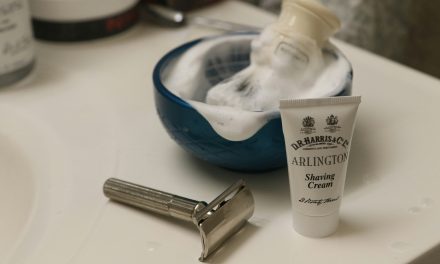
Before embarking on the shaving process, it is imperative to prepare the skin meticulously. Proper preparation not only enhances the shaving experience but also minimizes the risk of irritation and cuts. Begin by cleansing the area with a gentle, hydrating cleanser to remove dirt, oil, and impurities. This step is crucial as it ensures that the skin is clean and ready for the razor. Following cleansing, consider using warm water or a warm towel to soften the hair follicles. The warmth opens up the pores, making hair removal smoother and less painful.
Additionally, it is advisable to hydrate the skin adequately before shaving. Applying a pre-shave oil can create a protective barrier that reduces friction between the razor and the skin. This barrier is particularly beneficial for sensitive areas, where skin irritation is more likely to occur. By taking these preparatory steps, you set the stage for a more effective and comfortable shaving experience.
If you’re looking for tips on how to shave your bikini line without bumps, you might find it helpful to read a related article that discusses various techniques for achieving a smooth finish. For more information on maintaining your grooming routine, check out this article on how to fix sticky sourdough dough before baking, which offers insights into handling delicate tasks with care. You can read it here: how to fix sticky sourdough dough before baking.
Choose the Right Razor for Sensitive Areas
Selecting an appropriate razor is paramount, especially when dealing with sensitive areas such as the bikini line or underarms. A multi-blade razor may seem appealing due to its efficiency; however, it can often lead to increased irritation. Instead, opt for a single-blade razor or a safety razor designed specifically for sensitive skin. These razors minimize the risk of nicks and cuts while providing a close shave.
Moreover, consider razors equipped with features such as lubricating strips infused with aloe vera or vitamin E. These elements help soothe the skin during shaving, reducing inflammation and discomfort. It is also essential to ensure that the razor blade is sharp; dull blades can tug at hair rather than cutting it cleanly, leading to irritation and potential ingrown hairs.
Exfoliate Gently to Remove Dead Skin Cells

Exfoliation plays a critical role in preparing the skin for shaving by removing dead skin cells that can obstruct hair follicles. This process not only promotes smoother skin but also reduces the likelihood of ingrown hairs, which can be a common issue post-shaving. Utilize a gentle exfoliating scrub or a chemical exfoliant containing alpha-hydroxy acids (AHAs) or beta-hydroxy acids (BHAs) to achieve optimal results.
When exfoliating, focus on areas prone to irritation and ingrown hairs. However, it is crucial to avoid over-exfoliating, as this can lead to skin sensitivity and redness. Aim for exfoliation two to three times a week, depending on your skin type. By incorporating this step into your routine, you enhance your skin’s texture and prepare it for a more effective shave.
Use a High-Quality Shaving Cream or Gel

The choice of shaving cream or gel significantly impacts the overall shaving experience. High-quality products are formulated with moisturizing agents that provide lubrication and hydration to the skin. Look for creams or gels that contain ingredients such as glycerin, shea butter, or coconut oil, which help create a protective layer over the skin.
Avoid products with harsh chemicals or fragrances that can irritate sensitive skin. Instead, opt for fragrance-free options or those specifically designed for sensitive skin types. Applying a generous amount of shaving cream or gel not only facilitates a smoother glide of the razor but also helps prevent cuts and razor burn.
If you’re looking to achieve a smooth bikini line without the irritation of bumps, it’s essential to follow some effective techniques. For a deeper understanding of skin care and maintenance, you might find this article on smoke detectors surprisingly relevant, as it discusses how to handle unexpected situations with ease. You can read more about it here. Remember, proper preparation and aftercare can make a significant difference in your shaving experience.
Shave in the Direction of Hair Growth
Shaving technique is crucial in achieving optimal results while minimizing irritation. Always shave in the direction of hair growth rather than against it. Shaving against the grain can lead to increased friction and irritation, resulting in razor burn and ingrown hairs. By following the natural direction of hair growth, you reduce trauma to the skin and promote a more comfortable shaving experience.
Additionally, take your time during this process. Rushing can lead to mistakes and accidents, increasing the likelihood of cuts and nicks. Use short, gentle strokes and allow the razor to do the work rather than applying excessive pressure.
If you’re looking for tips on how to shave your bikini line without bumps, it’s essential to follow a proper technique to ensure smooth results. Many people struggle with irritation and ingrown hairs, but with the right preparation and tools, you can achieve a clean shave. For more insights on grooming and care, you might find this article on cat veterinary tips interesting, as it emphasizes the importance of proper care, which can be applied to personal grooming routines as well. Remember to always moisturize after shaving to keep your skin healthy and bump-free.
Avoid Applying Too Much Pressure While Shaving
Applying excessive pressure while shaving can lead to numerous complications, including cuts, nicks, and irritation. It is essential to let the weight of the razor do most of the work rather than forcing it against the skin. A light touch allows for a smoother glide over the skin’s surface while minimizing trauma.
If you notice any resistance while shaving, it may indicate that your blade is dull or that you need to reapply shaving cream or gel. Always prioritize comfort over speed; taking your time will yield better results and reduce the risk of adverse effects.
Rinse the Razor Frequently to Prevent Clogging
To maintain optimal performance during shaving, it is vital to rinse the razor frequently under warm water. This practice helps remove hair clippings and shaving cream buildup that can clog the blades and hinder their effectiveness. A clogged razor can lead to uneven shaving and increased irritation.
After every few strokes, take a moment to rinse the blade thoroughly before continuing. This simple step ensures that your razor remains clean and efficient throughout the shaving process.
Moisturize Immediately After Shaving
Post-shaving care is just as important as preparation. Immediately after shaving, apply a soothing moisturizer or aftershave balm to hydrate and calm the skin. Look for products containing ingredients such as aloe vera, chamomile, or calendula, which are known for their anti-inflammatory properties.
Moisturizing helps restore hydration lost during shaving and creates a protective barrier against environmental irritants. Avoid products containing alcohol or strong fragrances, as these can exacerbate irritation and dryness.
Avoid Tight Clothing to Reduce Irritation
After shaving, it is advisable to avoid wearing tight clothing that may rub against freshly shaved skin. Tight garments can cause friction and irritation, leading to discomfort and potential rashes. Opt for loose-fitting clothing made from breathable fabrics such as cotton to allow your skin to recover comfortably.
This precaution is particularly important in sensitive areas where irritation is more likely to occur. Allowing your skin some breathing room promotes healing and reduces the risk of post-shaving complications.
Incorporate Soothing Treatments to Calm the Skin
Incorporating soothing treatments into your post-shaving routine can significantly enhance comfort and promote healing. Consider using products specifically designed for post-shave care, such as cooling gels or balms infused with natural ingredients like tea tree oil or witch hazel.
These treatments help reduce redness and inflammation while providing relief from any discomfort experienced during shaving. Additionally, applying cold compresses can further soothe irritated areas and promote blood circulation.
Maintain a Regular Shaving Routine for Best Results
Establishing a consistent shaving routine is essential for achieving optimal results over time. Regular shaving helps keep hair growth manageable while allowing your skin to adapt to the process. Aim for a schedule that suits your hair growth rate; typically, shaving every few days is sufficient for most individuals.
Consistency not only improves your technique but also allows you to identify any products or methods that work best for your skin type. Over time, you will develop a personalized routine that minimizes irritation and enhances your overall shaving experience.
In summary, preparing your skin thoroughly before shaving involves cleansing, hydrating, and selecting appropriate tools while employing gentle techniques throughout the process. Choosing high-quality products tailored for sensitive areas can significantly enhance comfort and reduce irritation. Regular exfoliation, moisturizing post-shave, and maintaining a consistent routine are vital components in achieving optimal results while minimizing complications associated with shaving.
FAQ Section:
1. **What should I do if I experience razor burn?**
– Apply a soothing aftershave balm containing aloe vera or chamomile immediately after shaving to calm irritated skin.
2. **How often should I shave?**
– The frequency of shaving depends on individual hair growth rates; typically every 2-3 days is recommended for most individuals.
3. **Can I use regular soap instead of shaving cream?**
– While regular soap may provide some lubrication, it often lacks moisturizing properties found in dedicated shaving creams or gels.
4. **What are some signs of an allergic reaction after shaving?**
– Symptoms may include redness, swelling, itching, or hives; discontinue use of any new products immediately if these occur.
5. **Is it necessary to exfoliate before every shave?**
– Exfoliating 2-3 times per week is generally sufficient; excessive exfoliation may lead to increased sensitivity.
6. **What type of razor is best for sensitive skin?**
– A single-blade razor or safety razor designed specifically for sensitive areas is recommended to minimize irritation.
7. **How can I prevent ingrown hairs?**
– Regular exfoliation and moisturizing can help prevent ingrown hairs by keeping hair follicles clear.
8. **Should I shave dry or wet?**
– Wet shaving is recommended as it softens hair follicles and reduces friction on the skin.
9. **What ingredients should I avoid in post-shave products?**
– Avoid products containing alcohol or strong fragrances that may irritate sensitive skin.
10. **Can I use my regular moisturizer after shaving?**
– Yes, but ensure it does not contain irritating ingredients; opt for soothing formulations instead.
By adhering to these guidelines and incorporating effective techniques into your routine, you can achieve a comfortable and effective shaving experience while minimizing potential complications associated with this grooming practice.
FAQs
What are the best tools for shaving the bikini line?
The best tools for shaving the bikini line include a sharp, clean razor specifically designed for sensitive areas, shaving cream or gel to provide lubrication, and a pair of scissors for trimming longer hair before shaving. Additionally, using a soothing aftershave lotion can help prevent irritation.
How can I prepare my skin before shaving?
To prepare your skin before shaving, start by exfoliating the area gently to remove dead skin cells and reduce the risk of ingrown hairs. Follow this by taking a warm shower or bath to soften the hair and open up the pores. Applying a moisturizing shaving cream or gel can also help protect the skin.
What shaving techniques can help prevent bumps?
To prevent bumps while shaving, use short, gentle strokes in the direction of hair growth rather than against it. Avoid pressing too hard on the razor, and rinse the blade frequently to keep it clean. After shaving, rinse the area with cool water to close the pores and apply a soothing lotion or aloe vera gel.
How often should I shave my bikini line?
The frequency of shaving your bikini line depends on personal preference and hair growth rate, but many people find that shaving every 2-3 days helps maintain a smooth appearance. However, it’s important to listen to your skin and allow it to rest if you experience irritation or bumps.
What should I do if I get bumps after shaving?
If you get bumps after shaving, avoid picking at them to prevent infection. Instead, apply a cold compress to soothe the area and use an over-the-counter hydrocortisone cream or an anti-itch lotion to reduce inflammation. Keeping the area clean and moisturized can also help speed up healing.