The shelf life of fruits is a critical aspect of food preservation that directly impacts both the quality and safety of the produce we consume. Understanding how long various fruits last and the optimal conditions for their storage can significantly reduce food waste and enhance the nutritional value of our diets. Factors such as temperature, humidity, and ethylene production play pivotal roles in determining how long fruits remain fresh. Ethylene is a natural plant hormone that regulates ripening; some fruits produce it in higher quantities, accelerating the ripening process of nearby produce.
By comprehending the intricacies of fruit shelf life, consumers can make informed decisions about purchasing, storing, and consuming fruits. This knowledge not only helps in maintaining the freshness of fruits but also contributes to better health outcomes by ensuring that we consume fruits at their peak nutritional value. In this article, we will delve into the specifics of various fruits, providing insights into their storage tips, longevity, and best practices for maintaining freshness.
Understanding the shelf life of fruits is essential for maintaining their freshness and nutritional value. For those interested in learning more about how to protect your home from pests that can affect your food storage, you might find this article on pest prevention helpful. It provides valuable tips to keep your home bug-free, which can indirectly contribute to extending the shelf life of your fruits. You can read the article here: Top Seasonal Pest Prevention Tips.
Apples: Storage Tips and Longevity
Apples are among the most popular fruits globally, known for their crisp texture and sweet-tart flavor. When stored properly, apples can last anywhere from four to six weeks in optimal conditions. The ideal storage temperature for apples is between 30°F to 35°F (-1°C to 2°C) with high humidity levels. To achieve this, it is advisable to store apples in the crisper drawer of the refrigerator, where humidity is typically higher.
To extend their shelf life further, it is essential to keep apples away from other ethylene-producing fruits such as bananas and avocados. Ethylene exposure can lead to premature ripening and spoilage. Additionally, inspecting apples regularly for any signs of bruising or decay is crucial; damaged apples should be removed immediately to prevent them from affecting the surrounding fruit. For those looking to preserve apples for an extended period, options such as freezing or making applesauce can be considered.
Bananas: Ripening and Expiration Timeline

Bananas are unique in their ripening process, which is heavily influenced by ethylene gas. Typically, bananas take about 7 to 10 days to ripen fully at room temperature. Once ripe, they can last for an additional 2 to 3 days before they begin to brown and become overripe. To slow down the ripening process, bananas should be stored in a cool place away from direct sunlight.
For those who prefer their bananas less ripe, placing them in a paper bag can accelerate ripening due to the concentration of ethylene gas. Conversely, if you want to prolong their freshness, separating bananas from other fruits can help minimize ethylene exposure. Once bananas reach their peak ripeness, they can be frozen for later use in smoothies or baking. It is advisable to peel them before freezing to make future use more convenient.
Berries: Keeping Them Fresh Longer

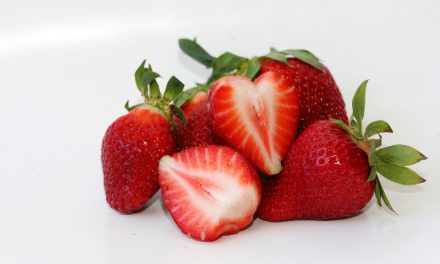
Berries such as strawberries, blueberries, raspberries, and blackberries are highly perishable and require careful handling to maintain their freshness. Generally, berries can last between 3 to 7 days when stored correctly. The ideal storage temperature for berries is around 32°F (0°C), making refrigeration essential.
To maximize their shelf life, it is crucial not to wash berries until just before consumption. Excess moisture can promote mold growth and spoilage. Instead, store them in their original packaging or transfer them to a breathable container lined with paper towels to absorb excess moisture. For longer preservation, consider freezing berries; spread them out on a baking sheet before transferring them to airtight containers or freezer bags to prevent clumping.
Understanding the shelf life of fruits is essential for maintaining their freshness and flavor, and you can find valuable insights in a related article that discusses various cooking techniques. For instance, if you’re interested in how to preserve the juiciness of your meals, you might want to check out this article on cooking juicy ham. By learning about proper storage and preparation methods, you can enhance your culinary skills while ensuring that your fruits remain delicious for as long as possible.
Citrus Fruits: Shelf Life Overview
Citrus fruits such as oranges, lemons, limes, and grapefruits have a relatively long shelf life compared to other fruits. When stored at room temperature, citrus fruits can last up to a week; however, refrigeration can extend their freshness for up to three weeks or more. The ideal storage temperature for citrus is around 40°F (4°C).
To maintain their quality, citrus fruits should be kept in a well-ventilated area or in the crisper drawer of the refrigerator. Avoid storing them in plastic bags as this can trap moisture and lead to mold growth. For those looking to preserve citrus fruits for longer periods, juicing or zesting before freezing can be an effective method.
Grapes: Best Practices for Storage
Grapes are another fruit that requires careful storage practices to maintain their freshness. When stored properly in the refrigerator at temperatures between 30°F to 32°F (-1°C to 0°C), grapes can last up to two weeks. It is essential to keep grapes dry; moisture can lead to mold growth and spoilage.
To store grapes effectively, keep them in their original packaging or transfer them to a breathable container lined with paper towels. Avoid washing grapes until just before consumption to prevent excess moisture from promoting decay. For long-term preservation, grapes can be frozen; wash and dry them thoroughly before placing them in airtight containers or freezer bags.
Mangoes: Ripeness and Preservation
Mangoes are tropical fruits known for their sweet flavor and vibrant color. The ripening process for mangoes typically takes about 5 to 7 days at room temperature. Once ripe, they can last for an additional 3 to 5 days when stored in the refrigerator at temperatures around 50°F (10°C).
To determine ripeness, gently squeeze the mango; it should yield slightly under pressure. To prolong freshness, store unripe mangoes at room temperature away from direct sunlight until they reach peak ripeness. Once ripe, they should be refrigerated to slow down further ripening. For those looking to preserve mangoes longer, consider slicing and freezing them; this method retains their flavor and nutritional value.
Pineapples: How Long Do They Last?
Pineapples are tropical fruits that require specific storage conditions to maintain their freshness. When stored at room temperature, whole pineapples can last about 1 to 3 days; however, refrigeration can extend their shelf life up to a week or more if properly handled. The ideal storage temperature for pineapples is around 45°F (7°C).
To store pineapples effectively, keep them upright in a cool area or place them in the refrigerator’s crisper drawer. Once cut, pineapple should be stored in an airtight container in the refrigerator and consumed within 3 to 5 days for optimal freshness. For longer preservation, consider freezing pineapple chunks; this method allows you to enjoy the fruit’s flavor long after its peak season.
Pears: Extending Freshness
Pears are deliciously sweet fruits that require careful handling during storage to maximize their shelf life. Depending on the variety, pears can last anywhere from 3 days up to two weeks when stored correctly. The ideal storage temperature for pears is around 30°F (-1°C) with high humidity levels.
To extend their freshness, store pears in the refrigerator’s crisper drawer away from ethylene-producing fruits like apples and bananas. Pears should be kept unwashed until ready for consumption; excess moisture can lead to spoilage. For those looking to preserve pears longer, consider canning or making pear preserves.
Peaches: Shelf Life and Storage Methods
Peaches are juicy stone fruits that require careful storage practices due to their high perishability. When stored at room temperature, peaches typically last about 3 to 5 days; however, refrigeration can extend their shelf life up to one week if handled properly. The ideal storage temperature for peaches is around 32°F (0°C).
To maximize freshness, store peaches in a single layer in a breathable container or paper bag at room temperature until they reach peak ripeness. Once ripe, transfer them to the refrigerator to slow down further ripening. For long-term preservation, consider freezing sliced peaches; this method retains their flavor and nutritional value while allowing for easy incorporation into smoothies or desserts.
Watermelons: Longevity and Storage Tips
Watermelons are refreshing summer fruits that require specific storage conditions for optimal freshness. A whole watermelon can last about 1 week at room temperature; however, refrigeration can extend its shelf life up to two weeks or more if properly handled. The ideal storage temperature for watermelons is around 50°F (10°C).
To store watermelons effectively, keep them whole until ready for consumption; once cut, they should be wrapped tightly in plastic wrap or placed in an airtight container in the refrigerator and consumed within 3 to 5 days for optimal freshness. For those looking to preserve watermelon longer, consider freezing watermelon cubes; this method allows you to enjoy its refreshing taste even after the season has ended.
Maximizing Fruit Freshness and Reducing Waste
Understanding fruit shelf life is essential for maximizing freshness and minimizing waste in our kitchens. By implementing proper storage techniques tailored to each type of fruit—such as controlling temperature and humidity levels—we can significantly extend their longevity while preserving their nutritional value. Regularly inspecting fruits for signs of spoilage and separating ethylene-producing varieties from sensitive ones further enhances our ability to enjoy fresh produce.
Incorporating preservation methods such as freezing or canning allows us not only to enjoy seasonal fruits year-round but also contributes positively towards reducing food waste—a pressing global issue that affects both our environment and economy. By being mindful of how we store and consume fruits, we can cultivate healthier eating habits while supporting sustainable practices that benefit our planet.
In summary, understanding how different fruits behave during storage enables consumers to make informed choices that enhance both quality and longevity while reducing waste effectively.
FAQs
What is the average shelf life of common fruits?
The average shelf life of common fruits varies significantly. For example, apples can last about 4 to 6 weeks when stored in a cool, dry place, while bananas typically last about 2 to 7 days at room temperature. Berries, such as strawberries and blueberries, usually last around 3 to 7 days in the refrigerator. Citrus fruits like oranges and lemons can last up to 2 weeks when stored properly.
How can I extend the shelf life of fruits?
To extend the shelf life of fruits, store them in a cool, dry place or in the refrigerator, depending on the type of fruit. Keep fruits in breathable bags or containers to prevent moisture buildup, which can lead to spoilage. Additionally, separating ethylene-producing fruits (like apples and bananas) from other fruits can help prevent premature ripening and spoilage.
Are there any fruits that can be frozen for longer shelf life?
Yes, many fruits can be frozen to extend their shelf life significantly. Berries, bananas, peaches, and mangoes are excellent candidates for freezing. When freezing fruits, it’s best to wash, peel, and cut them into appropriate sizes, then spread them out on a baking sheet to freeze individually before transferring them to airtight containers or freezer bags.
What signs indicate that fruit has gone bad?
Signs that fruit has gone bad include visible mold, a mushy texture, and an off or sour smell. For fruits like apples and pears, brown spots or soft areas can indicate spoilage. In citrus fruits, if the skin becomes wrinkled or the fruit feels overly soft, it may be past its prime.
Does the shelf life of fruits change when they are cut?
Yes, the shelf life of fruits decreases significantly once they are cut. Cut fruits are more susceptible to oxidation and bacterial growth, which can lead to spoilage. Generally, cut fruits should be consumed within a few hours if left at room temperature or stored in the refrigerator for up to 3 to 5 days in an airtight container.