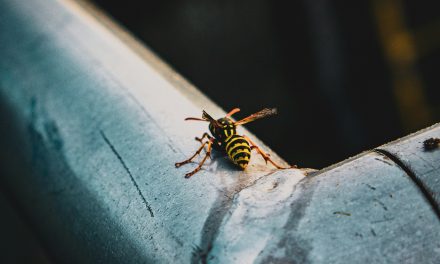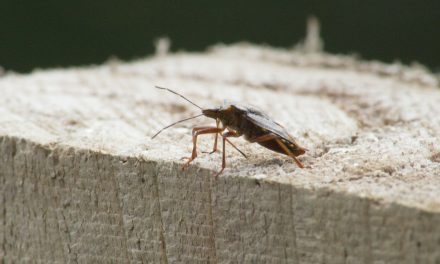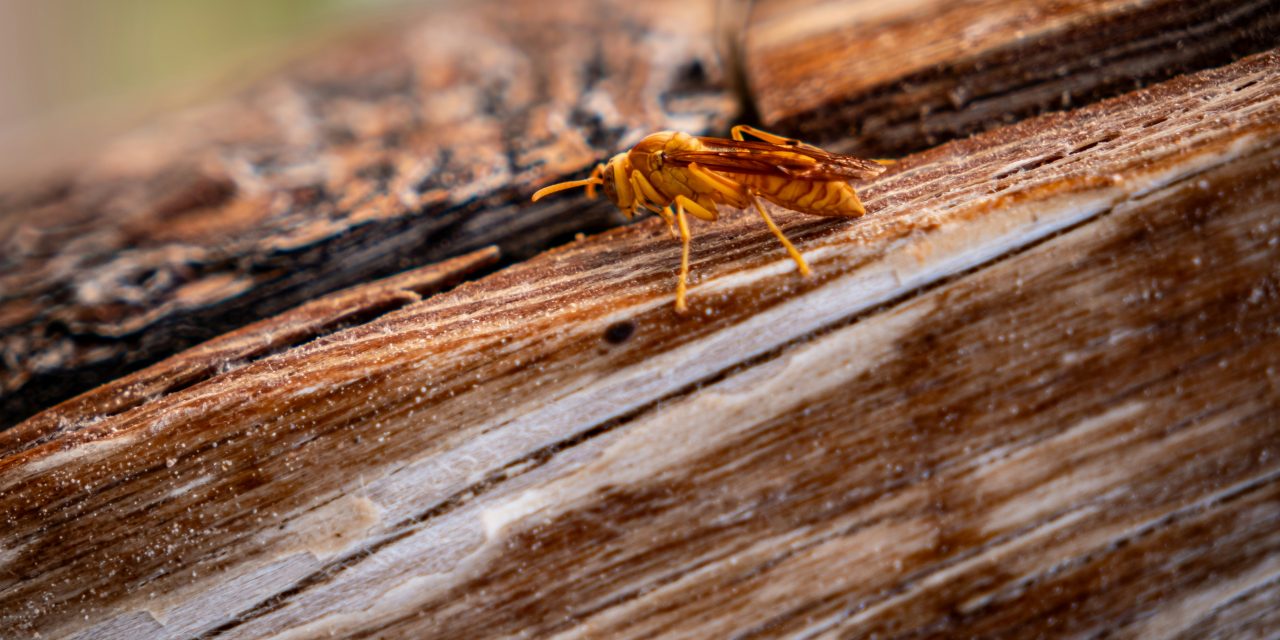
Termites, often referred to as “silent destroyers,” pose a significant risk to residential properties, causing billions of dollars in damage annually. These eusocial insects belong to the order Isoptera and are primarily known for their wood-eating habits. They thrive in colonies, which can range from a few hundred to several million individuals, depending on the species. The most common types of termites that threaten homes include subterranean, drywood, and dampwood termites. Each species has unique behaviors and habitats, but they all share a common goal: to consume cellulose-based materials, primarily found in wood.
The destructive potential of termites is alarming. A single colony can consume approximately 1/2 pound of wood per day, leading to structural damage that may go unnoticed until it becomes severe. This hidden threat often results in costly repairs and can compromise the integrity of a home. Understanding the biology and behavior of termites is crucial for homeowners to implement effective prevention strategies. Their life cycle consists of four stages: egg, nymph, worker/adult, and reproductive. The worker termites are responsible for foraging for food and maintaining the colony, while the reproductive caste focuses on expanding the population.
If you’re looking for effective ways to prevent termite infestations in your home, you might find it helpful to explore DIY methods that can be both cost-effective and efficient. For more insights on home maintenance issues, including how to address unexpected problems like a freezing heat pump in winter, check out this informative article: Why Is My Heat Pump Freezing Up in Winter?. This resource can provide you with valuable tips that may also help you maintain a pest-free environment.
Inspecting Your Property Regularly for Early Signs
Regular inspections are vital in identifying termite infestations before they escalate into significant problems. Homeowners should conduct thorough examinations of their properties at least twice a year, focusing on areas where wood meets soil, such as foundations, basements, and crawl spaces. Signs of termite activity include mud tubes, which are pencil-sized tunnels made from soil and saliva that termites use to travel between their nests and food sources. Additionally, homeowners should look for discarded wings, which indicate swarming behavior during mating season.
Another critical aspect of inspections is checking for wood damage. Termites often leave behind hollowed-out wood that may sound hollow when tapped. If you notice any soft or crumbling wood, it is essential to investigate further. Utilizing professional pest control services can enhance inspection efforts, as trained technicians possess the expertise to identify subtle signs of infestation that may go unnoticed by untrained eyes.
Eliminating Moisture Sources to Deter Termites

Moisture is a primary attractant for termites, making it essential for homeowners to eliminate any sources of excess water around their properties. Termites thrive in damp environments, so addressing leaks in plumbing, roofs, or gutters is crucial. Regularly inspecting these areas can prevent water accumulation that creates an inviting habitat for these pests. Additionally, homeowners should ensure proper drainage away from the foundation by grading the landscape and installing downspouts that direct water away from the house.
Furthermore, maintaining low humidity levels within the home can deter termite activity. Utilizing dehumidifiers in basements and crawl spaces can significantly reduce moisture levels. It is also advisable to fix any leaks promptly and ensure that appliances such as air conditioners and refrigerators are functioning correctly to prevent water buildup.
Sealing Cracks and Crevices in Foundation and Walls

Sealing cracks and crevices in the foundation and walls is a proactive measure that can significantly reduce the risk of termite entry into your home. Termites can exploit even the smallest openings, so it is essential to conduct a thorough inspection of your property’s exterior. Look for gaps around windows, doors, pipes, and utility lines where termites may gain access. Using caulk or expanding foam insulation can effectively seal these entry points.
In addition to sealing visible cracks, homeowners should also pay attention to expansion joints and other structural elements that may have developed gaps over time. Regular maintenance of these areas can prevent potential infestations and protect your home from structural damage caused by termites.
If you’re looking for effective ways to keep termites at bay, you might find it helpful to explore some do-it-yourself prevention methods. A related article offers valuable insights on how to tackle this issue without professional help. By implementing simple strategies, you can protect your home from these destructive pests. For more information, check out this informative piece on termite prevention that provides practical tips and techniques to safeguard your property.
Properly Storing Firewood and Lumber Away from the House
Firewood and lumber are attractive food sources for termites; therefore, proper storage is crucial in preventing infestations. Homeowners should store firewood at least 20 feet away from the house and elevate it off the ground using racks or pallets. This practice not only keeps wood dry but also minimizes the risk of termites migrating from the woodpile into the home.
Additionally, it is advisable to cover firewood with a tarp or plastic sheeting to protect it from moisture while allowing airflow. Avoid storing lumber directly against the house or in damp areas where termites are likely to thrive. By implementing these storage practices, homeowners can significantly reduce the likelihood of attracting termites.
Installing Physical Barriers to Block Termite Entry
Physical barriers serve as an effective line of defense against termite infestations. Homeowners can install metal mesh or concrete barriers during construction or renovation projects to prevent subterranean termites from accessing wooden structures. These barriers create a physical obstruction that termites cannot penetrate.
Another option is to use sand barriers around the foundation of the home. Sand particles are too large for termites to navigate through, effectively blocking their entry points. When combined with other preventive measures, physical barriers can significantly enhance a home’s protection against termite invasions.
Using Beneficial Nematodes as a Natural Termite Control
Beneficial nematodes are microscopic roundworms that serve as a natural predator to termites and other pests. These nematodes enter the bodies of termites through natural openings and release bacteria that kill them within 48 hours. Homeowners can introduce beneficial nematodes into their gardens or around the foundation of their homes as a biological control method.
This environmentally friendly approach not only targets termites but also helps maintain a balanced ecosystem by reducing reliance on chemical pesticides. When applying nematodes, it is essential to follow manufacturer instructions regarding application rates and timing for optimal effectiveness.
Applying Borate Treatments to Wood Structures
Borate treatments are an effective method for protecting wooden structures from termite damage. Borate compounds, such as sodium borate (commonly known as borax), act as both a pesticide and a fungicide. When applied to wood surfaces, borate penetrates the material and disrupts the termite’s digestive system upon ingestion.
Homeowners can apply borate treatments during construction or renovation projects by incorporating them into wood preservatives or applying them directly to exposed wood surfaces. It is essential to follow safety guidelines when handling borate products and ensure proper ventilation during application.
Maintaining Proper Ventilation in Crawl Spaces and Attics
Proper ventilation in crawl spaces and attics is crucial for preventing moisture buildup that attracts termites. Homeowners should ensure that these areas have adequate airflow by installing vents or exhaust fans if necessary. This practice helps maintain low humidity levels and reduces the likelihood of creating an environment conducive to termite infestations.
Regularly inspecting vents for blockages caused by debris or insulation is also essential for maintaining airflow. Additionally, using vapor barriers on dirt floors in crawl spaces can further reduce moisture levels and deter termite activity.
Creating a Gravel or Sand Perimeter Around Your Foundation
Creating a gravel or sand perimeter around your foundation serves as an effective deterrent against termite entry. This barrier disrupts the soil structure that subterranean termites rely on for movement and nesting. A layer of gravel or sand at least six inches deep around the foundation creates an inhospitable environment for these pests.
When implementing this strategy, ensure that the gravel or sand does not come into direct contact with wooden structures or siding. This practice not only helps prevent termite infestations but also enhances drainage around the foundation.
Scheduling Annual DIY Inspections and Maintenance Checks
Scheduling annual DIY inspections and maintenance checks is an essential practice for homeowners seeking to protect their properties from termite infestations. During these inspections, homeowners should assess both the interior and exterior of their homes for signs of termite activity or potential vulnerabilities.
Creating a checklist can streamline this process, ensuring that no area is overlooked during inspections. Additionally, documenting findings can help track changes over time and inform future maintenance decisions. By prioritizing regular inspections and maintenance checks, homeowners can take proactive steps toward safeguarding their homes against termite damage.
In summary, understanding termites as hidden threats is crucial for homeowners aiming to protect their properties from potential destruction. Regular inspections, moisture control, sealing entry points, proper storage practices, physical barriers, natural pest control methods like beneficial nematodes, borate treatments, ventilation maintenance, gravel perimeters, and annual DIY checks collectively form a comprehensive strategy against termite infestations. By implementing these preventive measures diligently, homeowners can significantly reduce their risk of costly repairs due to termite damage while ensuring a safe living environment.
### FAQ Section
1. **What are the signs of a termite infestation?**
– Common signs include mud tubes on walls or foundations, discarded wings near windows or doors, hollow-sounding wood when tapped, and visible damage to wooden structures.
2. **How often should I inspect my property for termites?**
– It is recommended to conduct inspections at least twice a year; however, more frequent checks may be necessary in high-risk areas.
3. **Can I treat a termite infestation myself?**
– While some DIY treatments exist (like borate applications), severe infestations typically require professional pest control services for effective eradication.
4. **What types of termites are most common?**
– The most common types include subterranean termites (which live underground), drywood termites (which infest dry wood), and dampwood termites (which thrive in moist wood).
5. **How do I know if my home has moisture issues?**
– Signs include mold growth, musty odors, condensation on windows, water stains on walls or ceilings, and excessive humidity levels in basements or crawl spaces.
6. **Are there any natural methods to deter termites?**
– Yes! Beneficial nematodes are an effective natural predator of termites; additionally, maintaining low moisture levels can deter infestations.
7. **What should I do if I find termites?**
– If you suspect an infestation, contact a licensed pest control professional immediately for assessment and treatment options.
8. **How long does it take for termites to cause significant damage?**
– Depending on the species and size of the colony, significant damage can occur within just a few months if left untreated.
9. **Is it safe to use chemical treatments around pets?**
– Many chemical treatments require precautions; consult with pest control professionals about pet safety during treatment applications.
10. **What preventative measures should I take during construction?**
– Consider using treated wood products, installing physical barriers like metal mesh or sand barriers, and applying borate treatments during construction phases.
By understanding these aspects of termite prevention and treatment options thoroughly, homeowners can take proactive steps toward safeguarding their properties against these destructive pests effectively.
FAQs
What are some effective DIY methods for preventing termite infestations?
Effective DIY methods for preventing termite infestations include reducing moisture around your home, sealing cracks and crevices in the foundation, using borate treatments on wood surfaces, and installing physical barriers such as metal mesh or sand barriers. Regularly inspecting wooden structures and maintaining proper drainage can also help deter termites.
How can I identify signs of a termite problem in my home?
Signs of a termite problem include the presence of mud tubes on walls or foundations, hollow-sounding wood when tapped, discarded wings near windows or doors, and small piles of sawdust or frass. Additionally, you may notice damaged wood that appears to have been eaten away or has a honeycomb structure inside.
Are there any natural repellents I can use to deter termites?
Yes, natural repellents such as orange oil, neem oil, and diatomaceous earth can be used to deter termites. These substances can be applied to areas where termites are likely to enter or infest. However, while they may help in prevention, they are not guaranteed to eliminate an existing infestation.
How often should I inspect my home for termites?
It is recommended to inspect your home for termites at least once a year. However, if you live in an area prone to termite activity or have had previous infestations, more frequent inspections every six months may be beneficial. Regular inspections can help catch any signs of termites early before they cause significant damage.
What should I do if I find termites in my home?
If you find termites in your home, it is important to act quickly. First, identify the extent of the infestation and locate the source. You can apply DIY treatments such as borate solutions or orange oil directly to the affected areas. However, for severe infestations, it is advisable to contact a professional pest control service for effective eradication and prevention strategies.