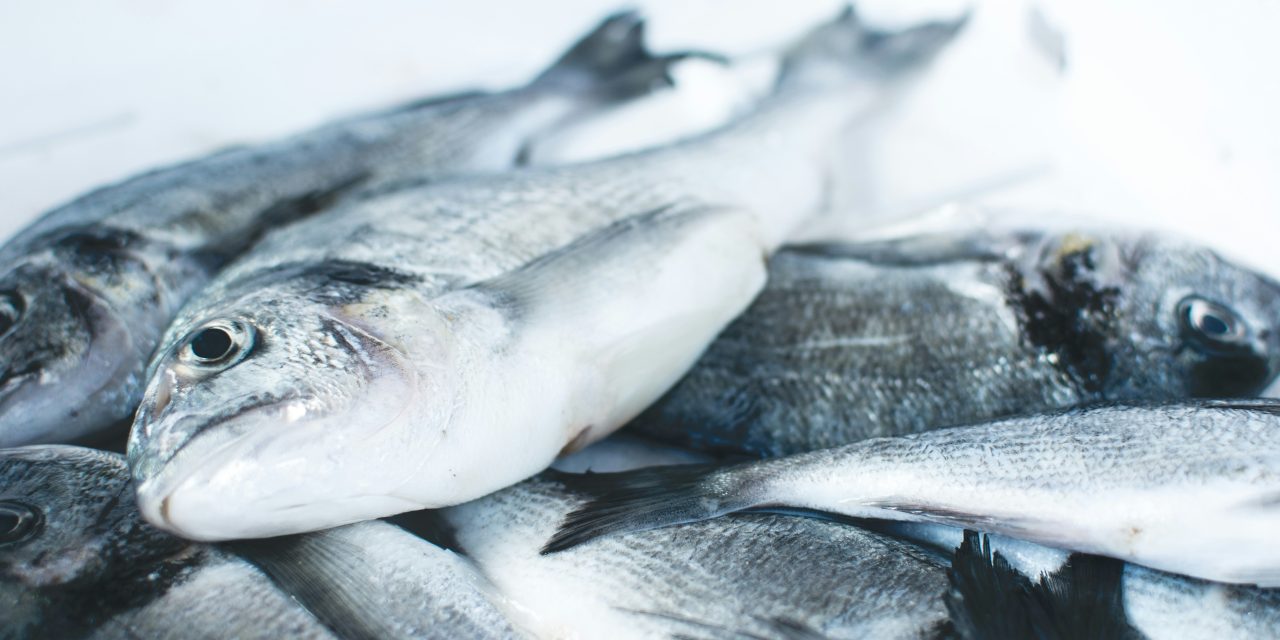
Frozen fish is a staple in many households, providing a convenient and nutritious source of protein. The shelf life of frozen fish can vary significantly based on several factors, including the type of fish, how it was processed, and the conditions under which it is stored. Generally, when properly frozen and stored, fish can maintain its quality for several months to a year. However, understanding the nuances of frozen fish shelf life is crucial for ensuring both safety and flavor.
The USDA recommends that most types of fish can be stored in the freezer for up to six months without significant loss of quality. Fatty fish, such as salmon and mackerel, may have a shorter shelf life compared to leaner varieties like cod or haddock. This is primarily due to the higher fat content in fatty fish, which can lead to rancidity over time. Therefore, knowing the specific shelf life of different fish types is essential for optimal consumption.
When considering the shelf life of frozen fish, it’s essential to understand how proper storage techniques can significantly extend its freshness and quality. For more insights on food preservation and cooking tips, you might find this article on creamy pesto chicken pasta helpful: 5-Ingredient Creamy Pesto Chicken Pasta. This resource not only provides delicious recipes but also emphasizes the importance of using fresh ingredients, which can complement your frozen fish dishes perfectly.
Factors Affecting the Freshness of Frozen Fish
Several factors influence the freshness and overall quality of frozen fish. One of the most critical aspects is the initial quality of the fish before freezing. Fish that is fresh at the time of freezing will generally yield better results than fish that has been previously thawed or stored improperly. The handling and processing methods also play a significant role; fish that has been flash-frozen immediately after catch retains more nutrients and flavor compared to those that have been stored for extended periods before freezing.
Another important factor is the temperature at which the fish is stored. Maintaining a consistent freezing temperature of 0°F (-18°C) or lower is essential for preserving the quality of frozen fish. Fluctuations in temperature can lead to freezer burn, which negatively affects texture and taste. Additionally, exposure to air can cause oxidation, leading to off-flavors and spoilage. Therefore, understanding these factors can help consumers make informed decisions about purchasing and storing frozen fish.
Types of Fish and Their Freezing Durations

Different species of fish have varying freezing durations that affect their quality over time. Lean fish such as cod, sole, and tilapia can typically be stored in the freezer for up to six to eight months without significant degradation in taste or texture. These types of fish are less prone to rancidity due to their lower fat content, making them ideal candidates for long-term freezing.
On the other hand, fatty fish like salmon, trout, and sardines have a shorter recommended freezing duration of three to six months. The higher oil content in these species makes them more susceptible to spoilage and freezer burn. It is advisable to consume fatty fish sooner rather than later to enjoy their optimal flavor and nutritional benefits. Understanding these distinctions can help consumers plan their meals effectively and minimize waste.
Proper Packaging Methods for Frozen Fish

Proper packaging is crucial for maintaining the quality of frozen fish. Vacuum sealing is one of the most effective methods for preserving freshness, as it removes air from the packaging, reducing the risk of freezer burn and oxidation. If vacuum sealing is not an option, wrapping fish tightly in plastic wrap followed by aluminum foil can also provide adequate protection against air exposure.
Another effective method is using freezer-safe bags designed specifically for long-term storage. These bags are thicker than regular plastic bags and often feature a double zipper seal to prevent air from entering. Labeling packages with the date of freezing can help keep track of storage times and ensure that older items are used first. By employing these packaging techniques, consumers can significantly extend the shelf life of their frozen fish.
When considering the shelf life of frozen fish, it’s essential to understand how proper storage can significantly extend its freshness. For more insights on maintaining food quality, you might find this article on safe car rides for dogs particularly interesting, as it emphasizes the importance of temperature control during transportation. You can read it here. Proper handling and awareness of storage conditions can help ensure that your frozen fish remains safe and delicious for an extended period.
Ideal Freezing Temperatures to Maintain Quality
To maintain the highest quality of frozen fish, it is essential to adhere to ideal freezing temperatures. The USDA recommends that freezers be set at 0°F (-18°C) or lower for optimal preservation. At this temperature, bacterial growth is halted, and enzymatic reactions that can lead to spoilage are minimized.
It is also important to ensure that the freezer maintains a consistent temperature without fluctuations. Frequent opening of the freezer door or overloading it with items can cause temperature variations that compromise food quality. Using a thermometer to monitor freezer temperatures can help ensure that conditions remain stable, thereby preserving the freshness of frozen fish.
When considering the shelf life of frozen fish, it’s essential to understand how proper storage methods can significantly impact quality and safety. For those interested in maintaining freshness in various food items, you might find it helpful to explore tips on seasonal gardening, which can complement your culinary endeavors. Check out this insightful article on successful seasonal gardening to enhance your home-cooked meals with fresh ingredients.
Signs Your Frozen Fish Has Gone Bad
Identifying signs of spoilage in frozen fish is crucial for food safety. One common indicator is freezer burn, which appears as dry patches or discoloration on the surface of the fish. While freezer-burned fish may still be safe to eat, its texture and flavor may be compromised.
Another sign of spoilage is an off-putting odor when thawed. Fresh fish should have a mild scent; if it emits a strong or unpleasant smell, it may indicate spoilage. Additionally, if the texture feels slimy or excessively dry upon thawing, it may be best to discard it. Being vigilant about these signs can help prevent foodborne illnesses and ensure a safe dining experience.
How to Safely Thaw Frozen Fish
Thawing frozen fish safely is essential for maintaining its quality and preventing bacterial growth. The safest method is to transfer the fish from the freezer to the refrigerator and allow it to thaw gradually over several hours or overnight. This method keeps the fish at a safe temperature throughout the thawing process.
Alternatively, if time is limited, placing the sealed package of fish under cold running water can expedite thawing while keeping it safe from bacterial contamination. It is important never to thaw fish at room temperature, as this can promote rapid bacterial growth on the surface while the interior remains frozen.
Tips for Extending the Shelf Life of Frozen Fish
To maximize the shelf life of frozen fish, several strategies can be employed. First, always purchase high-quality fish from reputable sources and freeze it as soon as possible after purchase. This minimizes the time spent in less-than-ideal storage conditions.
Additionally, consider portioning fish into smaller servings before freezing. This allows for quicker thawing times and reduces waste since only what is needed can be removed from the freezer at any given time. Regularly checking freezer temperatures and ensuring proper packaging will also contribute significantly to extending shelf life.
When comparing fresh versus frozen fish shelf life, several factors come into play. Fresh fish typically has a shorter shelf life, often lasting only one to two days in the refrigerator before spoilage occurs. In contrast, properly frozen fish can last several months without significant loss of quality.
However, it is essential to note that freezing does not improve the quality of inferior fish; therefore, starting with high-quality fresh fish is crucial for achieving optimal results when freezing. Ultimately, both fresh and frozen options have their advantages; consumers should choose based on their preferences and consumption patterns.
Common Mistakes That Reduce Frozen Fish Freshness
Several common mistakes can lead to reduced freshness in frozen fish. One prevalent error is failing to remove excess air from packaging before freezing, which increases the risk of freezer burn and spoilage. Additionally, overloading freezers can cause temperature fluctuations that compromise food quality.
Another mistake is neglecting proper labeling; without dates on packages, it becomes challenging to track how long items have been stored. Lastly, thawing frozen fish at room temperature can lead to bacterial growth and spoilage; always opt for safe thawing methods instead.
Best Practices for Storing Frozen Fish Long-Term
To ensure long-term storage success for frozen fish, adhere to best practices that prioritize quality and safety. First and foremost, maintain a consistent freezer temperature at or below 0°F (-18°C). Regularly check seals on packaging to prevent air exposure.
Utilize airtight containers or vacuum-sealed bags whenever possible to minimize oxidation risks. Additionally, practice FIFO (first in, first out) by consuming older items before newer ones; this helps prevent waste and ensures freshness in meals prepared with frozen fish.
In summary, understanding frozen fish shelf life involves recognizing various factors such as type, packaging methods, ideal temperatures, signs of spoilage, thawing techniques, and best practices for storage. By implementing these strategies effectively, consumers can enjoy high-quality frozen fish while minimizing waste and ensuring food safety.
FAQs
What is the typical shelf life of frozen fish?
The typical shelf life of frozen fish varies depending on the type of fish and how it is stored. Generally, fatty fish like salmon and mackerel can last about 2 to 3 months in the freezer, while lean fish like cod and haddock can last up to 6 months when properly frozen.
How can I tell if frozen fish has gone bad?
Signs that frozen fish has gone bad include a strong, unpleasant odor, discoloration, or the presence of ice crystals or freezer burn on the surface. If the fish has an off smell or a slimy texture after thawing, it is best to discard it.
Does freezing fish kill parasites?
Yes, freezing fish can kill certain parasites. The FDA recommends freezing fish at -4°F (-20°C) for at least 7 days to effectively kill parasites. However, this does not eliminate all bacteria, so proper cooking is still necessary.
Can I refreeze fish after it has been thawed?
It is generally safe to refreeze fish that has been thawed in the refrigerator, as long as it has not been left out at room temperature for more than 2 hours. However, refreezing may affect the texture and quality of the fish.
What is the best way to store frozen fish?
The best way to store frozen fish is to keep it in an airtight container or vacuum-sealed bag to prevent freezer burn. It should be stored at a consistent temperature of 0°F (-18°C) or lower to maintain its quality and extend its shelf life.