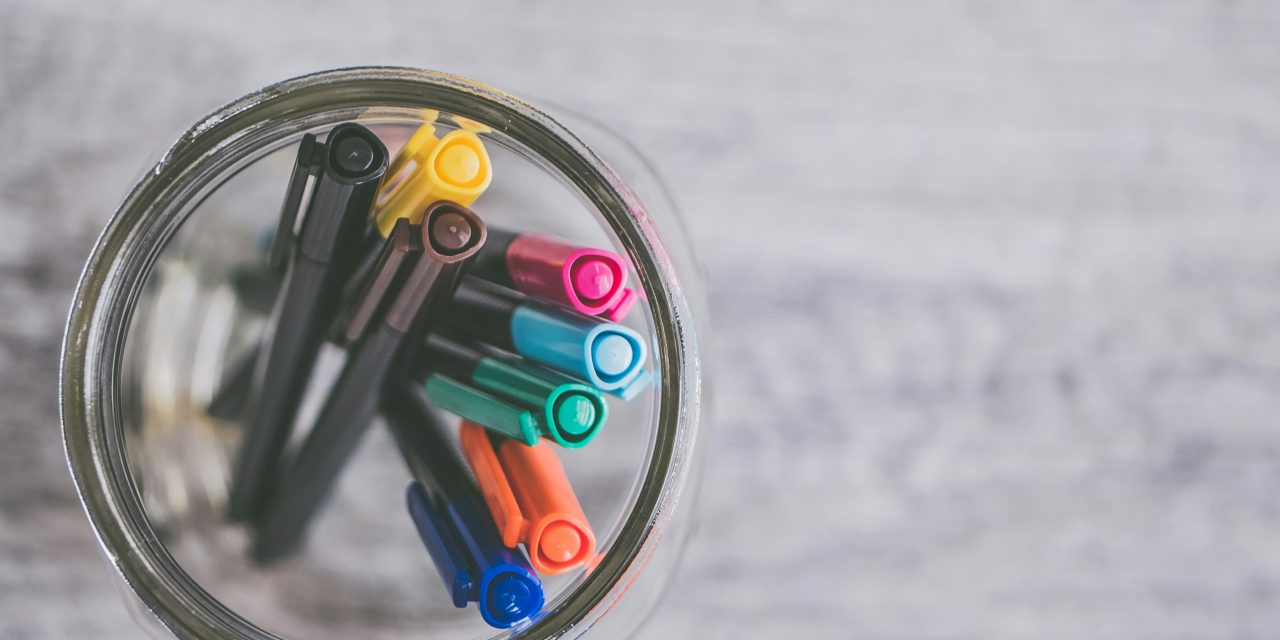
Permanent markers are ubiquitous tools, often utilized for labeling, crafting, and artistic endeavors. However, their ink is designed to adhere firmly to surfaces, making removal from non-porous materials like plastic a challenging task. The ink in permanent markers contains pigments and solvents that bond with the plastic, creating a stain that can be both unsightly and difficult to eliminate. Understanding the chemical composition of these markers is crucial for effective removal strategies.
The primary components of permanent marker ink include dyes, resins, and solvents. The resins provide adhesion, while the solvents facilitate the application of the ink. When these markers come into contact with plastic surfaces, the solvents evaporate, leaving behind a stubborn stain. This phenomenon is particularly problematic for items such as plastic containers, toys, or furniture, where aesthetics and cleanliness are paramount. Recognizing the nature of these stains is the first step in developing effective removal techniques.
If you’re looking for effective methods to remove permanent marker from plastic surfaces, you might find it helpful to explore related cleaning tips. For instance, understanding the safety precautions when using various cleaning products can be crucial. You can read more about this in the article titled “7 Cleaning Products You Should Never Mix for Safety Reasons” available at this link. This resource provides valuable insights that can help you avoid potential hazards while tackling stubborn stains.
Preparing Your Workspace and Materials
Before embarking on the removal of permanent marker stains, it is essential to prepare your workspace adequately. A clean, well-ventilated area is ideal for this task, as many of the solvents used can emit strong fumes. Gather all necessary materials to ensure a smooth process. Essential items include cotton balls or pads, soft cloths, gloves, and a variety of cleaning agents such as rubbing alcohol, hand sanitizer, or baking soda.
Additionally, it is prudent to protect surrounding surfaces from potential damage. Lay down old newspapers or a plastic sheet to catch any drips or spills from cleaning agents. Ensure that you have access to water for rinsing and that you wear gloves to protect your skin from harsh chemicals. By organizing your materials and workspace effectively, you can streamline the removal process and minimize the risk of accidents.
Using Rubbing Alcohol to Erase Marker Marks

Rubbing alcohol, or isopropyl alcohol, is a powerful solvent that can effectively dissolve the ink in permanent markers. Its efficacy lies in its ability to penetrate the resin and pigment matrix of the ink, breaking down the bonds that hold it to the plastic surface. To utilize this method, saturate a cotton ball or soft cloth with rubbing alcohol and gently dab it onto the stained area.
Allow the alcohol to sit for a few moments to penetrate the stain before wiping it away with a clean cloth. You may need to repeat this process several times for stubborn marks. It is important to note that while rubbing alcohol is generally safe for most plastics, testing it on a small inconspicuous area first is advisable to prevent any potential damage or discoloration.
Applying Hand Sanitizer for Quick Removal

Hand sanitizer has gained popularity as an effective alternative for removing permanent marker stains due to its high alcohol content. The active ingredient in most hand sanitizers is ethyl alcohol, which functions similarly to rubbing alcohol in breaking down ink stains. To use this method, apply a small amount of hand sanitizer directly onto the stained area and let it sit for approximately 30 seconds.
After allowing the sanitizer to work its magic, use a soft cloth or paper towel to wipe away the residue. This method is particularly useful for quick touch-ups on smaller stains or when other cleaning agents are not readily available. However, as with any cleaning solution, it is wise to test on an inconspicuous area first to ensure compatibility with the plastic surface.
If you’re looking for effective ways to remove permanent marker from plastic surfaces, you might find it helpful to explore some related tips and tricks. One useful resource can be found in this article that discusses various methods for cleaning stubborn stains. You can read more about it here. Whether you’re dealing with a marker mishap on toys or containers, knowing the right techniques can save you time and frustration.
Leveraging Baking Soda and Water Paste
Baking soda is renowned for its versatility in cleaning applications, including its ability to tackle permanent marker stains on plastic surfaces. When combined with water to form a paste, baking soda acts as a mild abrasive that can gently scrub away stains without damaging the underlying material. To create this paste, mix three parts baking soda with one part water until a thick consistency is achieved.
Apply the paste directly onto the stained area using a soft cloth or sponge and gently rub in circular motions. The abrasive nature of baking soda helps lift the ink from the plastic surface while also neutralizing any odors associated with the stain. After scrubbing for a few minutes, rinse the area with warm water and dry thoroughly. This method not only removes stains but also leaves surfaces looking fresh and clean.
If you’re struggling to remove permanent marker from plastic surfaces, you might find helpful tips in a related article that discusses various household hacks. For instance, using rubbing alcohol or hand sanitizer can often do the trick. To explore more creative solutions, check out this article on easy dinner ideas for busy weeknights that also includes some clever cleaning tips. You can read it here.
Utilizing Nail Polish Remover Safely
Nail polish remover, primarily composed of acetone or ethyl acetate, can be an effective solution for removing permanent marker stains from plastic surfaces. However, caution must be exercised when using this method due to acetone’s potential to damage certain types of plastic. Before applying nail polish remover directly onto the stain, conduct a patch test on an inconspicuous area to ensure compatibility.
To use nail polish remover effectively, saturate a cotton ball with the solution and gently dab it onto the stained area. Allow it to sit for a minute before wiping away with a clean cloth. For tougher stains, you may need to repeat this process several times. Always ensure proper ventilation when using nail polish remover due to its strong fumes.
Trying Magic Eraser for Tough Stains
Magic Erasers are popular cleaning tools made from melamine foam that can effectively remove stubborn stains from various surfaces, including plastic. The microstructure of Magic Erasers allows them to act like fine sandpaper without scratching surfaces. To use this method, simply dampen a Magic Eraser with water and gently rub it over the stained area.
The combination of moisture and abrasion helps lift the permanent marker ink from the plastic surface without causing damage. This method is particularly effective for larger areas or deeply embedded stains that other methods may struggle to remove. After cleaning, wipe down the area with a damp cloth to remove any residue left by the Magic Eraser.
Using WD-40 to Break Down Marker Ink
WD-40 is primarily known as a lubricant but also serves as an effective solvent for removing permanent marker stains from plastic surfaces. Its unique formulation helps break down the ink’s chemical bonds, making it easier to wipe away stubborn marks. To utilize this method, spray a small amount of WD-40 directly onto the stained area and allow it to sit for several minutes.
After letting it penetrate the stain, use a soft cloth or paper towel to wipe away the residue. It may be necessary to repeat this process for particularly stubborn stains. As with other cleaning agents, ensure proper ventilation when using WD-40 and test on an inconspicuous area first to avoid potential damage.
Employing Toothpaste as a Gentle Abrasive
Toothpaste is not only effective for dental hygiene but can also serve as a gentle abrasive cleaner for removing permanent marker stains from plastic surfaces. The mild abrasives found in toothpaste help scrub away stains without causing harm to the underlying material. To use this method, apply a small amount of non-gel toothpaste directly onto the stained area.
Using a soft cloth or sponge, gently rub the toothpaste into the stain in circular motions. After scrubbing for a few minutes, wipe away any excess toothpaste with a damp cloth and rinse thoroughly with water. This method not only removes stains but also leaves surfaces looking polished and fresh.
Using Hairspray to Lift Marker Residue
Hairspray contains alcohol and other solvents that can effectively lift permanent marker stains from plastic surfaces. To utilize this method, spray a small amount of hairspray directly onto the stained area and allow it to sit for approximately 30 seconds. The alcohol content will help dissolve the ink’s bonds with the plastic.
After allowing time for penetration, use a soft cloth or paper towel to wipe away the residue gently. This method works well for smaller stains but may require multiple applications for larger or more stubborn marks. As always, test on an inconspicuous area first to ensure compatibility with your specific type of plastic.
Preventive Tips to Avoid Future Permanent Marker Stains
Preventing permanent marker stains on plastic surfaces requires proactive measures and awareness during usage. One effective strategy is to designate specific areas or containers for activities involving permanent markers—this minimizes accidental marks on unintended surfaces. Additionally, consider using washable markers for projects where mistakes are likely; these can easily be wiped away without leaving lasting stains.
Another preventive measure involves educating children about proper marker usage and storage practices. Providing clear guidelines on where markers should be used can significantly reduce incidents of staining on furniture or walls. Lastly, consider applying protective coatings or sealants on frequently used plastic items; these can create barriers against ink adhesion and make future clean-up efforts easier.
In summary, understanding how to effectively remove permanent marker stains from plastic surfaces involves utilizing various methods such as rubbing alcohol, hand sanitizer, baking soda paste, nail polish remover, Magic Erasers, WD-40, toothpaste, and hairspray. Each technique has its unique advantages depending on stain severity and surface compatibility. By preparing your workspace adequately and employing preventive measures, you can maintain cleanliness and aesthetics in your environment while minimizing future staining incidents.
FAQs
What are some common household items that can remove permanent marker from plastic?
Common household items that can effectively remove permanent marker from plastic include rubbing alcohol, hand sanitizer, nail polish remover (acetone), vinegar, and baking soda mixed with water. These substances can break down the ink and make it easier to wipe away.
Is it safe to use rubbing alcohol on all types of plastic?
While rubbing alcohol is generally safe for most plastics, it is advisable to test it on a small, inconspicuous area first. Some plastics may react negatively to alcohol, leading to discoloration or damage.
How can I use baking soda to remove permanent marker from plastic?
To use baking soda, create a paste by mixing it with a small amount of water. Apply the paste to the marker stain and gently scrub with a cloth or sponge. Rinse the area with water afterward to remove any residue.
Can I use commercial products to remove permanent marker from plastic?
Yes, there are several commercial products designed specifically for removing permanent marker stains. Look for products labeled as ink removers or stain removers that are safe for use on plastic surfaces.
What should I do if the marker stain persists after trying these methods?
If the marker stain persists, you may need to repeat the cleaning process or try a combination of methods. In some cases, using a magic eraser or a specialized plastic cleaner may help to completely remove the stain.