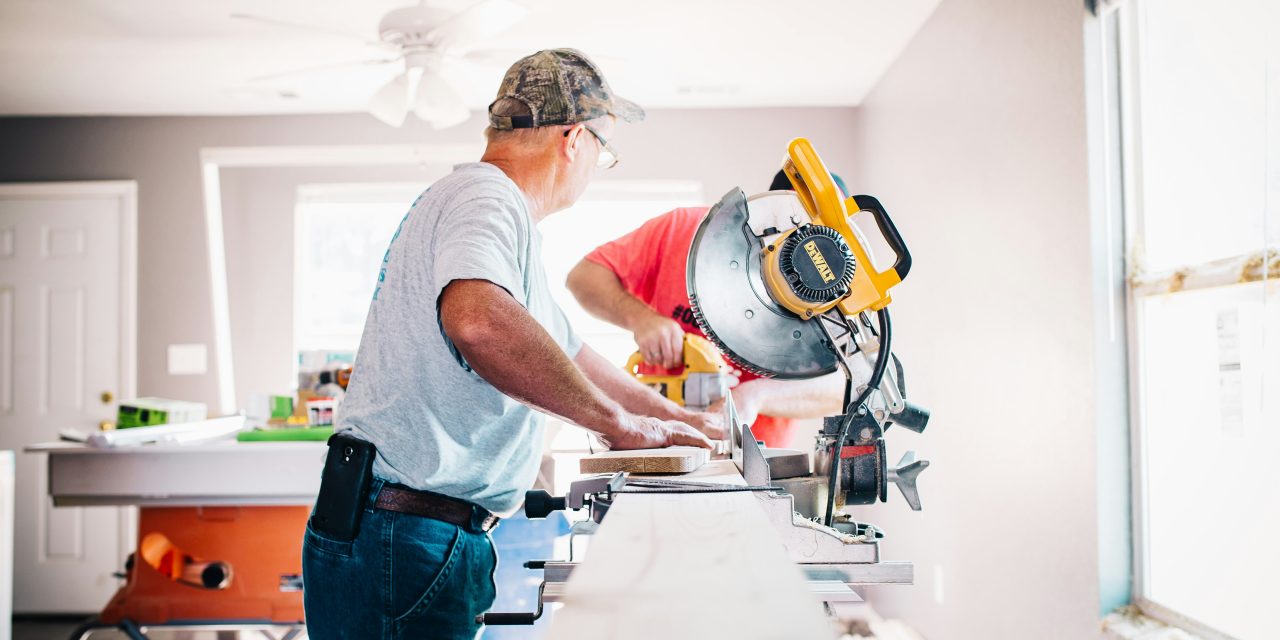
Embarking on a do-it-yourself (DIY) project requires a solid foundation of essential tools that can facilitate various tasks around the home. A well-equipped toolkit not only enhances efficiency but also ensures that projects are completed with precision. At the core of any DIY toolkit are basic hand tools such as a hammer, screwdrivers (both flathead and Phillips), pliers, and a tape measure. These instruments serve as the backbone for most home repairs and improvements, allowing for effective assembly, disassembly, and measurement.
In addition to hand tools, power tools have become indispensable in modern DIY projects. A cordless drill is particularly valuable, providing versatility for drilling holes and driving screws with ease. Other noteworthy power tools include a circular saw for cutting wood, a jigsaw for intricate cuts, and a sander for smoothing surfaces. Investing in quality tools can significantly impact the outcome of your projects, making it essential to choose brands known for durability and performance. Furthermore, having a reliable toolbox or storage system will keep your tools organized and easily accessible, streamlining your workflow.
If you’re looking to enhance your home care and repair skills, you might find it beneficial to explore organizational strategies that can make your living space more efficient. A related article titled “10 Genius Ways to Organize a Home Without Closets Efficiently” offers innovative solutions for maximizing storage and organization in your home. You can read the article for practical tips that complement your home care efforts by visiting here.
Safety First: Protective Gear and Precautions for Home Repairs
Safety should always be the foremost consideration when undertaking any home repair or improvement project. Protective gear is essential to safeguard against potential hazards that may arise during DIY tasks. At a minimum, every DIYer should wear safety goggles to protect their eyes from debris and dust. Additionally, gloves made from durable materials can prevent cuts and abrasions while handling sharp objects or chemicals.
Beyond personal protective equipment (PPE), it is crucial to adhere to safety precautions specific to the task at hand. For instance, when working with power tools, ensure that you are familiar with their operation and always follow the manufacturer’s guidelines. Maintaining a clean workspace can also mitigate risks; clutter can lead to accidents or injuries. Furthermore, if you are working with hazardous materials such as paints or solvents, ensure proper ventilation in the area to avoid inhalation of harmful fumes. By prioritizing safety, you can minimize risks and focus on completing your projects effectively.
Inspect Before You Start: Identifying Common Household Issues

Before diving into any DIY project, conducting a thorough inspection of your home is paramount. Identifying common household issues can save time and resources by addressing problems before they escalate. Common issues include water damage, mold growth, and structural concerns such as cracks in walls or ceilings. Regular inspections can help detect these problems early on, allowing for timely intervention.
Water damage is particularly insidious; it can lead to mold growth and structural deterioration if left unchecked. Look for signs such as discoloration on walls or ceilings, musty odors, or peeling paint. Additionally, check for leaks under sinks or around appliances that use water. Structural issues may manifest as cracks in drywall or uneven floors. By being vigilant and proactive in identifying these concerns, you can prioritize repairs and maintain the integrity of your home.
Mastering Wall Repairs: Patching Holes and Cracks Like a Pro

Wall repairs are among the most common DIY tasks homeowners encounter. Whether caused by accidental impacts or natural settling of the house, holes and cracks can detract from the aesthetic appeal of your living space. Mastering the art of patching these imperfections requires a few essential materials: spackle or joint compound, sandpaper, a putty knife, and paint.
To begin the repair process, clean the area around the hole or crack to remove any loose debris. For small holes, apply spackle using a putty knife, smoothing it over the surface until it is flush with the wall. For larger holes, you may need to use a patching compound or even install a piece of drywall before applying joint compound over it. Once dry, sand the area until smooth and blend it with the surrounding wall texture. Finally, repaint the repaired section to match the rest of the wall. With practice, you can achieve professional-looking results that restore your walls to their former glory.
If you’re looking to enhance your home care and repair routine, you might find it helpful to explore the concept of a family command center. This can streamline your household management and keep everything organized. For more insights on setting up such a space, check out this informative article on top tips to set up a family command center at home easily. By implementing these strategies, you can create a more efficient environment that supports your home maintenance efforts.
Plumbing Tips: Fixing Leaks and Maintaining Pipes Efficiently
Plumbing issues can be daunting for many homeowners; however, understanding basic plumbing principles can empower you to tackle minor repairs effectively. One of the most common plumbing problems is leaks, which can lead to significant water waste and increased utility bills if not addressed promptly. Identifying the source of a leak is crucial; common culprits include faucets, toilets, and exposed pipes.
To fix a leaking faucet, start by turning off the water supply and disassembling the faucet to inspect washers and O-rings for wear. Replacing these components often resolves leaks without requiring professional assistance. For toilet leaks, check the flapper valve for proper sealing; replacing it can eliminate constant running water. Regular maintenance of pipes is also essential; consider using pipe insulation to prevent freezing during colder months and periodically check for signs of corrosion or wear.
When it comes to maintaining your home appliances, understanding common issues can greatly enhance their longevity and performance. For instance, if you own an air fryer, you might find it beneficial to read about the typical mistakes that can ruin your food. This insightful article covers various pitfalls and offers practical tips to ensure your air frying experience is enjoyable and efficient. You can check it out here: common air fryer mistakes. By being aware of these mistakes, you can improve your home cooking and make the most of your kitchen gadgets.
Electrical Essentials: Safely Handling Minor Electrical Repairs
Electrical repairs can be intimidating due to safety concerns; however, many minor electrical issues can be resolved by homeowners with proper knowledge and precautions. Before attempting any electrical work, ensure that you turn off power at the circuit breaker to avoid electric shock. Familiarize yourself with basic electrical terminology such as voltage, amperage, and circuit load to enhance your understanding of how electrical systems function.
Common electrical repairs include replacing light fixtures or outlets. When replacing a light fixture, carefully disconnect the existing fixture by noting how wires are connected—typically black (hot), white (neutral), and green or bare (ground). Connect the new fixture following the same color coding and secure it properly before restoring power. If you encounter persistent electrical issues or feel uncertain about any aspect of the repair process, consulting a licensed electrician is advisable to ensure safety.
Flooring Fixes: Repairing Scratches, Stains, and Loose Tiles
Flooring is subjected to daily wear and tear; therefore, knowing how to address scratches, stains, and loose tiles is essential for maintaining its appearance and functionality. For hardwood floors, minor scratches can often be remedied with wood polish or a specialized scratch repair kit that blends with the floor’s finish. For deeper scratches or dents, sanding down the affected area followed by refinishing may be necessary.
In cases of stained carpets or rugs, immediate action is crucial to prevent permanent damage. Blotting spills with a clean cloth rather than rubbing them can help lift stains without spreading them further. For tile flooring, loose tiles can be re-secured using thin-set mortar; carefully remove the tile, apply fresh mortar beneath it, and press it back into place before allowing it to cure fully.
Painting Perfection: Preparing Surfaces and Choosing the Right Paint
Painting is one of the most transformative DIY projects that can enhance your home’s aesthetic appeal significantly. However, achieving professional-looking results requires meticulous preparation and careful selection of materials. Begin by preparing surfaces through cleaning and sanding to ensure proper adhesion of paint. Filling in any holes or imperfections with spackle will create a smooth canvas for painting.
Choosing the right paint is equally important; consider factors such as finish (matte vs. glossy), color scheme compatibility, and durability based on the room’s function (e.g., moisture-resistant paint for bathrooms). When applying paint, use high-quality brushes or rollers for even coverage and consider using painter’s tape to achieve clean lines around edges. Allow adequate drying time between coats for optimal results.
Seasonal Maintenance: Preparing Your Home for Weather Changes
Seasonal maintenance is vital for preserving your home’s integrity throughout varying weather conditions. As seasons change, different aspects of your home require attention to prevent damage from extreme temperatures or precipitation. In preparation for winter months, inspect your roof for missing shingles or leaks that could lead to water infiltration during snowmelt.
During springtime, focus on outdoor maintenance such as cleaning gutters to prevent water buildup that could damage your foundation. Additionally, check windows and doors for drafts; sealing gaps with weatherstripping can improve energy efficiency while keeping your home comfortable year-round. Regularly scheduled seasonal maintenance not only protects your investment but also enhances your home’s longevity.
Efficient Organization: Storing Tools and Materials for Easy Access
An organized workspace is crucial for efficient DIY projects; clutter can lead to frustration and wasted time searching for tools or materials. Implementing an effective storage system will streamline your workflow significantly. Consider investing in tool chests or pegboards that allow easy access to frequently used tools while keeping them visible.
Labeling storage bins for various materials—such as screws, nails, paints, and adhesives—can further enhance organization efforts. Additionally, utilizing clear containers allows you to quickly identify contents without rummaging through multiple boxes. By establishing an organized system tailored to your needs, you will create an environment conducive to productivity.
When to DIY and When to Call a Professional: Knowing Your Limits
While DIY projects can be rewarding and cost-effective, it is essential to recognize when professional assistance is warranted. Certain tasks—such as major electrical work or extensive plumbing repairs—require specialized knowledge and licensing due to safety regulations and potential hazards involved. If you encounter a project that exceeds your skill level or comfort zone, consulting a licensed professional is advisable.
Additionally, consider factors such as time constraints; if a project requires more time than you can allocate due to other commitments, hiring a professional may be more efficient in achieving timely results. Ultimately, knowing your limits will help you make informed decisions about when to tackle projects independently versus seeking expert assistance.
In summary, mastering DIY home repairs involves understanding essential tools, prioritizing safety measures, conducting thorough inspections before starting projects, and honing specific skills such as wall repairs and plumbing fixes. By implementing effective organization strategies and recognizing when professional help is necessary, homeowners can confidently maintain their living spaces while enhancing their overall quality of life through successful DIY endeavors.
FAQs
What is home care and repair?
Home care and repair refer to the maintenance and improvement of residential properties. This includes routine tasks such as cleaning, landscaping, and minor repairs, as well as larger projects like renovations and upgrades to ensure the home remains safe, functional, and aesthetically pleasing.
Why is regular home maintenance important?
Regular home maintenance is crucial as it helps prevent larger, more costly repairs in the future. It ensures that systems such as plumbing, electrical, and HVAC are functioning properly, enhances the safety of the home, and can improve property value over time.
What are common home repair tasks homeowners should perform?
Common home repair tasks include checking and replacing air filters, inspecting and cleaning gutters, sealing windows and doors, patching drywall, and testing smoke detectors. These tasks help maintain the home’s integrity and efficiency.
When should I hire a professional for home repairs?
Homeowners should consider hiring a professional for repairs that require specialized skills, such as electrical work, plumbing issues, or structural repairs. Additionally, if a repair task is beyond the homeowner’s comfort level or requires permits, it is advisable to seek professional assistance.
How can I budget for home repairs and maintenance?
To budget for home repairs and maintenance, homeowners should set aside a percentage of their income or create a dedicated savings account. A common guideline is to save 1-3% of the home’s value annually for maintenance and repairs. Keeping track of past expenses can also help in forecasting future costs.