Milk is a staple in many diets worldwide, providing essential nutrients such as calcium, protein, and vitamins. However, understanding the shelf life of milk is crucial for both safety and quality. The shelf life of milk refers to the duration during which it remains safe to consume while retaining its desired taste and nutritional value. Factors influencing milk’s longevity include its type, processing methods, storage conditions, and packaging.
Typically, pasteurized milk has a shelf life of about 7 to 10 days when refrigerated. In contrast, ultra-pasteurized milk can last up to several months unopened. Raw milk, however, has a significantly shorter shelf life due to the presence of bacteria that can lead to spoilage. Understanding these nuances is essential for consumers to make informed decisions about milk consumption and storage.
If you’re curious about the shelf life of milk without refrigeration, you might find it interesting to explore how various environmental factors can affect food safety and storage. For instance, understanding the importance of maintaining a safe home environment can be crucial for food preservation. You can read more about this in the article discussing the warning signs that your home needs a professional electrical inspection at this link.
The Role of Pasteurization in Milk Preservation
Pasteurization is a thermal process that involves heating milk to a specific temperature for a set period to eliminate pathogenic microorganisms. This method not only extends the shelf life of milk but also enhances its safety for consumption. The most common pasteurization methods include High-Temperature Short Time (HTST) and Ultra-High Temperature (UHT) processing.
HTST pasteurization heats milk to at least 161°F (72°C) for 15 seconds, effectively killing harmful bacteria while preserving flavor and nutritional content. UHT processing, on the other hand, involves heating milk to temperatures exceeding 280°F (138°C) for a few seconds, allowing it to be stored without refrigeration for extended periods. This process significantly reduces spoilage organisms and extends shelf life, making UHT milk a convenient option for consumers without access to refrigeration.
How Temperature Affects Milk Without Refrigeration

Temperature plays a pivotal role in determining the shelf life of milk. When milk is stored at room temperature, bacterial growth accelerates, leading to spoilage. The optimal temperature for bacterial proliferation is between 40°F (4°C) and 140°F (60°C). Therefore, when milk is left unrefrigerated, it can become unsafe to consume within just a few hours.
In warmer climates or during summer months, the risk of spoilage increases dramatically. For instance, milk left out at room temperature can begin to sour within 2 hours. Conversely, cooler temperatures can slow down bacterial growth but do not halt it entirely. It is essential for consumers to be aware of these temperature dynamics to ensure safe consumption and minimize waste.
Differences Between Raw and Processed Milk Shelf Life

The shelf life of raw milk differs significantly from that of processed milk due to the presence of natural bacteria in raw milk. While some of these bacteria are harmless or even beneficial, others can lead to spoilage and foodborne illnesses. Raw milk typically has a shelf life of only 5 to 7 days when refrigerated, making it imperative for consumers to handle it with care.
Processed milk, particularly pasteurized varieties, undergoes treatments that reduce microbial load and extend shelf life. For example, pasteurized milk can last up to two weeks in the refrigerator, while UHT milk can remain stable for several months without cooling. This stark contrast highlights the importance of processing methods in determining the safety and longevity of dairy products.
Understanding the shelf life of milk without refrigeration is crucial for ensuring food safety and minimizing waste. For those interested in exploring this topic further, a related article discusses various factors that influence how long milk can last without proper cooling. You can read more about it here. This information can be particularly useful for campers, travelers, or anyone looking to store milk safely in non-refrigerated conditions.
Signs Milk Has Spoiled Without Refrigeration
Identifying spoiled milk is crucial for preventing foodborne illnesses. Several indicators can signal that milk has gone bad, especially when left unrefrigerated. The most common signs include:
1. **Sour Odor**: A distinct sour smell is often the first indication that milk has spoiled.
2. **Change in Texture**: Spoiled milk may develop a lumpy or curdled texture due to bacterial activity.
3. **Off-Taste**: A bitter or sour taste is a clear sign that the milk is no longer safe for consumption.
4. **Discoloration**: Any unusual color changes may indicate spoilage.
Consumers should be vigilant in checking these signs before consuming milk that has been stored without refrigeration.
The Impact of Packaging on Milk Longevity
Packaging plays a significant role in extending the shelf life of milk by protecting it from light, air, and contaminants. Milk is commonly packaged in opaque containers that prevent light exposure, which can lead to nutrient degradation and off-flavors. Additionally, vacuum-sealed packaging minimizes air contact, reducing oxidation and spoilage.
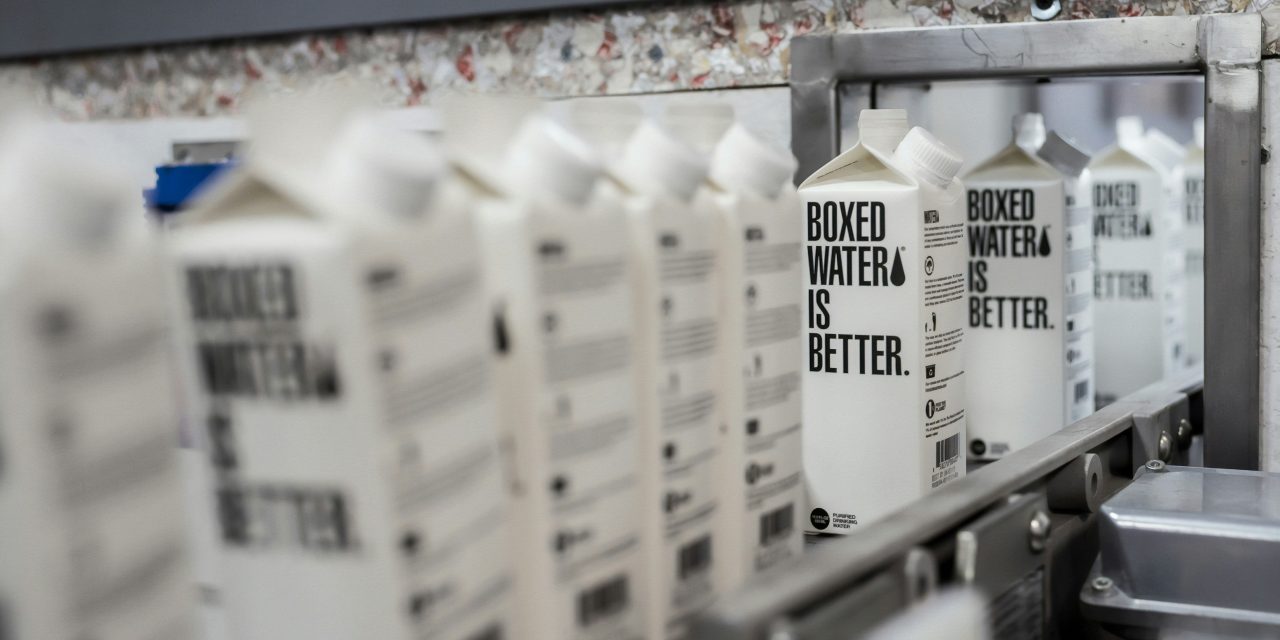
Cartons made from Tetra Pak technology are particularly effective for UHT milk, allowing it to remain stable without refrigeration for extended periods. Glass bottles are also popular due to their impermeability and recyclability but may not provide the same level of protection against light as opaque cartons. Understanding the impact of packaging can help consumers choose products that will last longer and maintain quality.
Traditional Methods to Extend Milk Shelf Life
Before modern refrigeration techniques became widespread, various traditional methods were employed to extend the shelf life of milk. These methods include:
1. **Fermentation**: Culturing milk with beneficial bacteria produces yogurt or kefir, which have longer shelf lives due to lower pH levels.
2. **Condensation**: Evaporating water from milk creates condensed milk, which can be stored without refrigeration.
3. **Freezing**: While not ideal for all types of milk due to texture changes upon thawing, freezing can significantly extend shelf life.
4. **Drying**: Powdered milk is created by removing moisture from liquid milk, allowing it to be stored at room temperature for extended periods.
These traditional methods highlight the ingenuity of past generations in preserving dairy products before the advent of modern technology.
Shelf Life of UHT (Ultra-High Temperature) Milk Without Cooling
UHT milk is designed for long-term storage without refrigeration due to its unique processing method. When sealed in sterile packaging, UHT milk can last up to six months or more without cooling. This extended shelf life makes it an ideal choice for regions with limited access to refrigeration or during emergencies.
Once opened, however, UHT milk should be treated like regular pasteurized milk and consumed within 7 to 10 days when stored in a refrigerator. The ability of UHT milk to remain stable at room temperature provides convenience while ensuring safety when consumed within recommended timeframes.
Risks of Consuming Milk Left Out Too Long
Consuming milk that has been left out at room temperature poses significant health risks due to potential bacterial contamination. Pathogenic bacteria such as Salmonella, E. coli, and Listeria can proliferate rapidly in unrefrigerated dairy products, leading to foodborne illnesses characterized by symptoms such as nausea, vomiting, diarrhea, and abdominal cramps.
The risk increases with time; after just two hours at room temperature, the likelihood of spoilage rises dramatically. Vulnerable populations such as children, pregnant women, the elderly, and individuals with compromised immune systems are particularly susceptible to severe complications from consuming spoiled dairy products.
Tips for Safely Storing Milk When Refrigeration Is Unavailable
When refrigeration is not an option, several strategies can help prolong the freshness of milk:
1. **Keep It Cool**: Store milk in a cool place away from direct sunlight or heat sources.
2. **Use Ice Packs**: If possible, surround the container with ice packs or ice to maintain a lower temperature.
3. **Limit Exposure**: Open containers should be consumed quickly; avoid leaving them out for extended periods.
4. **Choose UHT Options**: Opt for UHT or shelf-stable varieties when refrigeration is unavailable.
5. **Monitor Temperature**: Use a thermometer to ensure that the storage environment remains as cool as possible.
Implementing these tips can help minimize spoilage and ensure safer consumption.
How to Use Milk Quickly to Avoid Waste Without Refrigeration
To prevent waste when refrigeration is unavailable, consumers can adopt several strategies for using milk quickly:
1. **Plan Meals**: Incorporate milk into recipes such as smoothies, soups, or sauces that can be consumed within a short timeframe.
2. **Make Dairy Products**: Use fresh milk to create yogurt or cheese; these products often have longer shelf lives than liquid milk.
3. **Share with Others**: If you have excess milk that cannot be consumed quickly enough, consider sharing it with friends or neighbors.
4. **Cook with It**: Utilize milk in baking or cooking processes where it will be heated; this can help reduce spoilage risks.
By employing these strategies, consumers can effectively manage their dairy consumption and minimize waste even when refrigeration options are limited.
In summary, understanding the intricacies of milk shelf life is essential for ensuring safety and quality in dairy consumption. Factors such as pasteurization methods, temperature control, packaging choices, and traditional preservation techniques all play vital roles in determining how long milk remains safe and palatable without refrigeration. By recognizing signs of spoilage and implementing effective storage strategies, consumers can enjoy their dairy products while minimizing waste and health risks associated with spoiled milk.
FAQs
What is the typical shelf life of milk without refrigeration?
The typical shelf life of milk without refrigeration is around 2 hours at room temperature. After this period, the risk of bacterial growth increases significantly, which can lead to spoilage and foodborne illnesses.
Can milk be stored at room temperature for longer periods?
Yes, certain types of milk, such as UHT (Ultra High Temperature) processed milk, can be stored at room temperature for several months if unopened. Once opened, however, it should be refrigerated and consumed within 7-10 days.
What factors affect the shelf life of milk without refrigeration?
Factors that affect the shelf life of milk without refrigeration include ambient temperature, exposure to light, and the initial quality of the milk. Higher temperatures and prolonged exposure to light can accelerate spoilage.
How can I tell if milk has gone bad without refrigeration?
Signs that milk has gone bad include an off smell, sour taste, and changes in texture, such as curdling or separation. If any of these signs are present, it is best to discard the milk.
Is it safe to consume milk that has been left out overnight?
No, it is not safe to consume milk that has been left out overnight. The USDA recommends discarding milk that has been at room temperature for more than 2 hours to prevent the risk of foodborne illness.