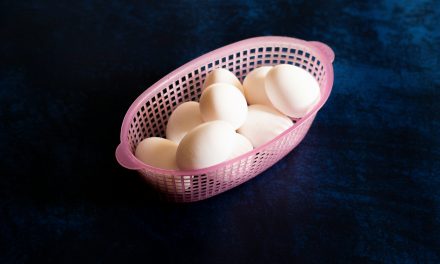
Eggshells are a remarkable biological structure composed primarily of calcium carbonate, which constitutes about 94% of their composition. The remaining components include proteins and minerals that contribute to the eggshell’s strength and integrity. The eggshell serves as a protective barrier, safeguarding the developing embryo from pathogens and physical damage. The porous nature of the shell allows for gas exchange, which is crucial for the embryo’s respiration.
The thickness and quality of an eggshell can vary significantly based on several factors, including the hen’s diet, age, and overall health. Younger hens typically produce eggs with thicker shells, while older hens may lay eggs with thinner shells. Additionally, environmental conditions such as temperature and humidity can influence shell formation. Understanding these scientific principles is essential for anyone looking to boil eggs effectively, as the quality of the eggshell directly impacts the peeling process.
If you’re looking for helpful kitchen tips, you might find it interesting to explore techniques for peeling boiled eggs more easily. A related article that offers insights into cooking perfection is available at this link, where you can learn how to determine when your bread is fully baked. Mastering these cooking skills can enhance your culinary experience and make meal preparation more enjoyable.
Choosing the Right Eggs for Boiling
Selecting the appropriate eggs for boiling is crucial for achieving optimal results. Fresh eggs, while often preferred for their taste and nutritional value, can be more challenging to peel due to their tighter adherence to the inner membrane. Conversely, eggs that are slightly older—typically around one to two weeks past their lay date—tend to peel more easily. This is attributed to the natural aging process, which causes the pH level of the egg white to increase, leading to a greater separation from the shell.
When purchasing eggs, consider opting for those labeled as “free-range” or “organic,” as these hens are often raised in healthier environments, resulting in better-quality eggs. Additionally, inspecting the eggs for cracks or blemishes is essential, as damaged shells can compromise the egg’s safety and quality. By choosing the right eggs, you set the foundation for a successful boiling experience.
How Freshness Affects Egg Peeling

The freshness of an egg plays a pivotal role in its peeling characteristics post-boiling. Freshly laid eggs have a lower pH level in their albumen (egg white), which causes it to adhere more tightly to the inner shell membrane. This phenomenon makes peeling a freshly boiled egg a frustrating endeavor, often resulting in unsightly tears and fragments of shell clinging to the egg.
As eggs age, the pH level rises due to the loss of carbon dioxide through the porous shell. This increase in pH causes the proteins in the egg white to become less acidic, leading to a reduction in adhesion between the egg white and the shell membrane. Consequently, older eggs are generally easier to peel after boiling. To determine an egg’s freshness, a simple water test can be performed: place the egg in a bowl of water; if it sinks and lays flat on its side, it is fresh; if it stands upright or floats, it is best discarded.
The Perfect Boiling Time for Easy Peeling

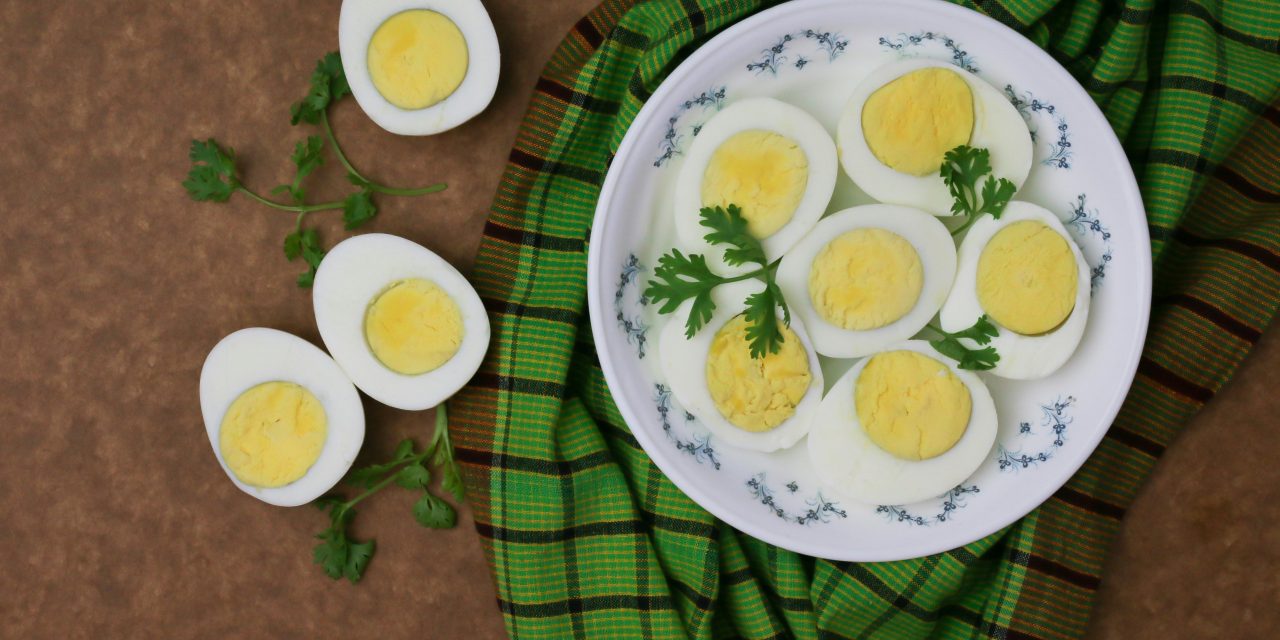
Achieving the perfect boiling time is essential for ensuring that boiled eggs are easy to peel. The ideal cooking duration varies depending on personal preference for yolk consistency—soft-boiled or hard-boiled. For soft-boiled eggs with a runny yolk, a cooking time of approximately 6-7 minutes is recommended. For hard-boiled eggs with a fully set yolk, aim for 9-12 minutes.
To ensure even cooking, it is advisable to start with cold water and bring it to a gentle boil before adding the eggs. Once added, reduce the heat to maintain a simmer rather than a rolling boil, which can cause cracking. After boiling, promptly transferring the eggs to an ice bath halts the cooking process and aids in easier peeling by creating steam between the egg white and shell.
If you’re looking for effective tips on peeling boiled eggs, you might find it helpful to explore related meal prep strategies that can enhance your cooking routine. For instance, you can check out this article on easy meal prep ideas that not only streamline your cooking process but also ensure that your meals are both healthy and delicious. Incorporating these tips can make your kitchen experience more enjoyable and efficient.
Cooling Techniques to Loosen the Shell
Cooling techniques play a significant role in loosening the shell from the boiled egg. One effective method involves transferring boiled eggs directly into an ice bath immediately after cooking. This rapid cooling causes the egg’s contents to contract slightly away from the shell, creating a small gap that facilitates easier peeling.
Alternatively, some individuals prefer using cold running water instead of an ice bath. By placing boiled eggs under cold running water for several minutes, you can achieve similar results in loosening the shell. This method not only cools the eggs but also helps wash away any small fragments of shell that may cling during peeling.
If you’re looking for effective methods to peel boiled eggs effortlessly, you might find it helpful to explore some related kitchen tips. For instance, understanding how to care for your kitchen tools can enhance your cooking experience. You can read more about maintaining your kitchen essentials in this article on dog nail care tips, which, while focused on pet care, offers valuable insights into proper maintenance techniques that can be applied in various contexts.
Cracking Methods That Make Peeling Simple
Employing effective cracking methods can significantly simplify the peeling process. One popular technique involves gently tapping each end of the boiled egg against a hard surface to create small cracks. Following this initial cracking, rolling the egg gently on the surface can further break up the shell without damaging the egg white.
Another method involves using a spoon to tap around the circumference of the egg after cracking it at both ends. This technique allows for controlled pressure application and can help separate larger sections of shell from the egg white more efficiently. Experimenting with different cracking methods can lead to discovering what works best for individual preferences.
Using Water to Aid in Shell Removal
Utilizing water during the peeling process can enhance ease and efficiency. After cracking the shell, submerging the egg in a bowl of water allows for water to seep between the shell and membrane, further loosening any stubborn bits that cling to the egg white.
This method is particularly effective when combined with gentle pressure applied while rolling or tapping on the shell. The water acts as a lubricant, reducing friction and making it easier to remove any remaining shell fragments without damaging the delicate egg white beneath.
Adding Baking Soda or Vinegar for Better Results
Incorporating baking soda or vinegar into your boiling process can yield better peeling results due to their effects on pH levels. Adding approximately one teaspoon of baking soda to boiling water raises the pH level of the egg whites, further reducing adhesion between them and the shell membrane.
Conversely, adding vinegar—an acidic substance—can help soften the shells slightly during boiling due to its ability to dissolve calcium carbonate. While vinegar may not be as effective as baking soda in enhancing peelability, it can still contribute positively when used in conjunction with other techniques.
Peeling Under Running Water for Clean Eggs
Peeling boiled eggs under running water is an effective technique that can lead to cleaner results with minimal mess. The continuous flow of water helps wash away any small shell fragments while simultaneously providing lubrication that eases separation between the shell and egg white.
To implement this method effectively, hold the cracked egg under cool running water while gently applying pressure with your fingers to remove sections of shell. This technique not only minimizes cleanup but also ensures that you are left with intact boiled eggs ready for consumption or presentation.
Storing Boiled Eggs to Maintain Peelability
Proper storage of boiled eggs is essential for maintaining their peelability over time. To maximize freshness and ease of peeling, store boiled eggs in their shells within an airtight container in the refrigerator. Keeping them unpeeled helps retain moisture and prevents them from absorbing odors from other foods.
If you plan on consuming boiled eggs within a few days, consider placing them in a bowl of water within your refrigerator; this method helps maintain moisture levels and keeps them fresh longer. However, be sure to change out the water every couple of days to prevent bacterial growth.
Troubleshooting Common Peeling Problems
Despite following best practices, some individuals may still encounter peeling problems with boiled eggs. Common issues include stubborn shells that refuse to come off cleanly or large sections of egg white being torn away during peeling.
To troubleshoot these problems, consider revisiting your choice of eggs; opting for slightly older eggs may yield better results due to their increased pH levels. Additionally, ensure that you are employing effective cooling techniques immediately after boiling and utilizing methods such as cracking or rolling before attempting to peel.
If all else fails, remember that practice makes perfect; experimenting with various techniques will ultimately lead you toward discovering what works best for your specific preferences and circumstances.
In summary, understanding how factors such as freshness, boiling time, cooling techniques, and storage impact egg peeling can significantly enhance your culinary experience with boiled eggs. By implementing these strategies and troubleshooting common issues, you can enjoy perfectly peeled boiled eggs every time you cook them.
FAQs
What is the best method for peeling boiled eggs?
The best method for peeling boiled eggs involves cooling them immediately after boiling. Once the eggs are cooked, transfer them to an ice bath or run them under cold water for several minutes. This helps to contract the egg inside the shell, making it easier to peel.
Does the age of the eggs affect how easily they peel?
Yes, the age of the eggs can significantly affect how easily they peel. Fresher eggs tend to be harder to peel because the pH level of the egg white is lower, causing it to adhere more strongly to the shell. Older eggs, typically those that are at least a week old, have a higher pH level, which makes peeling easier.
Should I peel boiled eggs right after cooking or let them cool first?
It is recommended to let boiled eggs cool before peeling them. Cooling the eggs in an ice bath or under cold running water helps to separate the membrane from the shell, making the peeling process smoother and reducing the chances of tearing the egg white.
Can vinegar or baking soda help with peeling boiled eggs?
Yes, adding vinegar or baking soda to the boiling water can help with peeling boiled eggs. Vinegar can help to soften the shell, while baking soda increases the pH level of the water, which can make the eggs easier to peel. A teaspoon of either can be added to the boiling water before cooking the eggs.
What should I do if my boiled eggs are difficult to peel?
If your boiled eggs are difficult to peel, try gently tapping the egg on a hard surface to create cracks and then rolling it to loosen the shell. You can also peel the egg under running water, which can help wash away any small shell fragments and make the process easier.