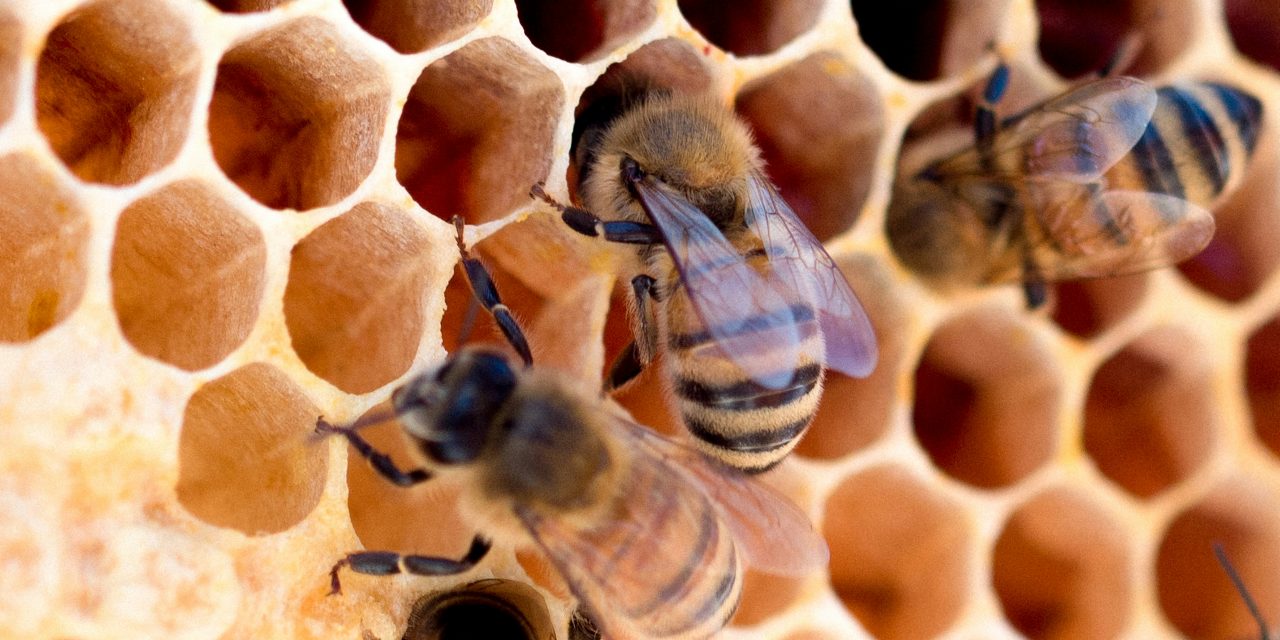
Carpenter bees, belonging to the genus Xylocopa, are large, robust insects that resemble bumblebees but can be distinguished by their shiny, hairless abdomens. These solitary bees are primarily known for their wood-boring habits, which can lead to significant structural damage if left unchecked. Unlike social bees, carpenter bees do not live in colonies; instead, they create individual nests in wood, often preferring untreated or weathered timber. Their nesting behavior involves drilling perfectly round holes into wood, which serve as entry points to their tunnels.
The life cycle of carpenter bees consists of four stages: egg, larva, pupa, and adult. Females are responsible for creating nests and laying eggs, while males typically defend the territory around the nesting site. Carpenter bees are generally active from spring to late summer, with peak activity occurring during warmer months. Their primary role in the ecosystem is as pollinators; they are particularly attracted to flowering plants and contribute significantly to the pollination of various crops and wildflowers. However, their nesting habits can pose a challenge for homeowners, especially when they choose wooden structures as their nesting sites.
If you’re looking for effective ways to prevent carpenter bees from damaging your wooden structures, you might find it helpful to explore related gardening tips that emphasize maintaining a healthy outdoor environment. For instance, understanding how to grow strawberries in containers can enhance your gardening skills and create a more vibrant landscape that may deter pests. You can read more about this in the article on growing strawberries at home by following this link: 10 Easy Steps to Grow Strawberries in Containers at Home.
Identifying Signs of Carpenter Bee Infestation
Detecting a carpenter bee infestation early is crucial for effective management and prevention of extensive damage. One of the most apparent signs is the presence of perfectly round holes, approximately 1/2 inch in diameter, drilled into wooden surfaces. These holes often appear on the underside of eaves, decks, fences, and other wooden structures. Additionally, you may notice sawdust-like debris accumulating beneath these holes, which is a byproduct of their tunneling activities.
Another indicator of carpenter bee activity is the buzzing sound associated with their flight patterns. Males are known for their aggressive behavior, often hovering around nesting sites and displaying territorial tendencies. While they do not sting unless provoked, their presence can be alarming. Observing these behaviors and signs can help homeowners take timely action to mitigate potential damage caused by these wood-boring insects.
Sealing Cracks and Holes in Wooden Structures

Preventing carpenter bees from infesting wooden structures begins with thorough inspection and sealing of existing cracks and holes. Any gaps or openings in wood should be filled with appropriate materials such as caulk or wood filler to eliminate potential nesting sites. This proactive approach not only deters carpenter bees but also prevents moisture intrusion that could lead to further wood deterioration.
In addition to sealing existing openings, it is essential to maintain the integrity of wooden structures by regularly inspecting them for signs of wear and tear. This includes checking for loose boards, peeling paint, or any signs of rot that could attract carpenter bees. By addressing these issues promptly, homeowners can significantly reduce the likelihood of infestation and prolong the lifespan of their wooden structures.
Applying Bee-Repellent Paints and Finishes

Utilizing bee-repellent paints and finishes is an effective strategy for deterring carpenter bees from nesting in wooden surfaces. These specialized coatings contain ingredients that make the wood less appealing to these insects. When applied correctly, they create a barrier that not only protects the wood from moisture but also discourages carpenter bees from drilling into it.
Before applying any repellent finishes, it is crucial to prepare the surface adequately by cleaning and sanding it to ensure proper adhesion. Once the surface is ready, homeowners can choose from a variety of commercially available bee-repellent paints or stains that contain natural deterrents such as peppermint oil or citrus extracts. Regular reapplication of these finishes is recommended to maintain their effectiveness over time.
If you’re looking for effective ways to prevent carpenter bees from damaging your wooden structures, you might find it helpful to explore related topics on home maintenance. For instance, understanding various preservation methods can be beneficial in keeping your outdoor woodwork in good condition. You can read more about this in an article that discusses top food preservation methods, which emphasizes the importance of protecting your belongings from environmental factors, much like how you would protect your home from pests like carpenter bees.
Installing Physical Barriers to Deter Nesting
Physical barriers serve as an additional layer of protection against carpenter bee infestations. Installing mesh screens or wire mesh over potential nesting sites can effectively prevent these insects from accessing wooden structures. This method is particularly useful for areas such as eaves, vents, and other openings where carpenter bees may attempt to enter.
Moreover, homeowners can consider using wooden alternatives that are less attractive to carpenter bees. For instance, composite materials or pressure-treated wood can be utilized in construction projects to minimize the risk of infestation. By implementing physical barriers and selecting less appealing materials, homeowners can create an environment that discourages carpenter bees from establishing nests.
Using Natural Essential Oils as Bee Deterrents
Natural essential oils have gained popularity as eco-friendly deterrents against carpenter bees. Oils such as peppermint, tea tree, and citrus oils possess properties that repel these insects due to their strong scents. Homeowners can create a simple spray solution by mixing essential oils with water and applying it to areas prone to infestation.
To enhance effectiveness, it is advisable to reapply these natural deterrents regularly, especially after rain or heavy winds that may wash away the scent. Additionally, incorporating plants that naturally repel bees into landscaping can further deter carpenter bees from approaching residential areas. Examples include lavender and citronella plants, which not only provide aesthetic value but also contribute to a bee-free environment.
Setting Up Carpenter Bee Traps
Carpenter bee traps are an effective tool for managing infestations while minimizing harm to beneficial pollinators. These traps are designed to attract carpenter bees using specific scents or visual cues while preventing them from escaping once inside. Homeowners can either purchase commercially available traps or create DIY versions using simple materials such as wood and plastic containers.
When setting up traps, it is essential to place them near known nesting sites or areas where carpenter bee activity has been observed. Regular monitoring of traps allows homeowners to assess the effectiveness of this method and take further action if necessary. By employing traps as part of an integrated pest management strategy, homeowners can reduce carpenter bee populations without resorting to harmful pesticides.
Maintaining Regular Wood Maintenance and Repairs
Consistent maintenance of wooden structures is vital in preventing carpenter bee infestations. Regular inspections should be conducted to identify any signs of damage or deterioration that could attract these insects. This includes checking for cracks, peeling paint, or signs of rot that may compromise the integrity of the wood.
In addition to inspections, timely repairs are crucial in maintaining the longevity of wooden structures. Replacing damaged boards or applying protective coatings can significantly reduce the risk of infestation. Homeowners should also consider implementing a routine maintenance schedule that includes cleaning and treating wooden surfaces to ensure they remain resistant to carpenter bee activity.
Encouraging Natural Predators in Your Garden
Promoting a balanced ecosystem in your garden can help control carpenter bee populations naturally. Certain birds and insects are natural predators of carpenter bees and can assist in keeping their numbers in check. For instance, attracting insectivorous birds such as purple martins or tree swallows can provide a natural form of pest control.
Creating a diverse garden with various flowering plants can also encourage beneficial insects like ladybugs and lacewings that prey on pests. By fostering an environment that supports natural predators, homeowners can reduce reliance on chemical treatments while promoting biodiversity in their gardens.
Avoiding Practices That Attract Carpenter Bees
Certain practices can inadvertently attract carpenter bees to residential areas. For example, leaving untreated wood exposed outdoors increases the likelihood of infestation. Homeowners should prioritize using treated lumber for outdoor projects and avoid storing firewood or wooden debris near structures.
Additionally, maintaining a clean outdoor environment by removing decaying wood or plant material can deter carpenter bees from establishing nests nearby. By being mindful of these practices and making informed choices regarding outdoor maintenance, homeowners can significantly reduce the risk of attracting carpenter bees.
When to Call a Professional Pest Control Service
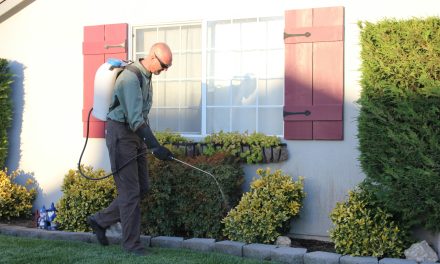
In cases where carpenter bee infestations become overwhelming or difficult to manage independently, seeking professional pest control services may be necessary. Pest control experts possess specialized knowledge and tools to effectively assess the situation and implement targeted treatments.
Before hiring a pest control service, homeowners should conduct thorough research to ensure they choose a reputable company with experience in managing carpenter bee infestations. Professionals may employ various methods ranging from chemical treatments to integrated pest management strategies tailored to individual needs.
In conclusion, understanding carpenter bees and their behavior is essential for effective management and prevention strategies. By identifying signs of infestation early on and implementing proactive measures such as sealing cracks, applying repellent finishes, and encouraging natural predators, homeowners can protect their wooden structures from potential damage caused by these wood-boring insects. Regular maintenance and informed practices further contribute to a bee-free environment while promoting ecological balance in gardens.
### FAQ Section
1. **What do carpenter bees look like?**
Carpenter bees are large insects resembling bumblebees but have shiny black abdomens without hair.
2. **Are carpenter bees harmful?**
While they do not sting unless provoked, their nesting habits can cause structural damage to wooden structures.
3. **How can I tell if I have a carpenter bee infestation?**
Look for round holes in wood surfaces and sawdust-like debris beneath them.
4. **What materials do carpenter bees prefer for nesting?**
They prefer untreated or weathered wood but may also nest in softwoods like cedar or pine.
5. **Can I use pesticides against carpenter bees?**
While pesticides are an option, they should be used cautiously due to potential harm to beneficial pollinators.
6. **How often should I inspect my wooden structures?**
Regular inspections should be conducted at least twice a year or after severe weather events.
7. **What natural deterrents work against carpenter bees?**
Essential oils like peppermint and citrus are effective natural deterrents against these insects.
8. **How do I set up a carpenter bee trap?**
Traps can be purchased or made using wood and containers designed to attract and capture carpenter bees.
9. **When should I call a pest control professional?**
If infestations become overwhelming or difficult to manage independently, it’s advisable to seek professional help.
10. **What preventive measures can I take?**
Use treated lumber for outdoor projects, seal cracks in wood surfaces, and maintain regular wood maintenance.
In summary, proactive measures such as sealing cracks, applying repellent finishes, encouraging natural predators, and maintaining regular wood upkeep are essential strategies for managing carpenter bee populations effectively while preserving beneficial pollinators in our ecosystems.
FAQs
What are carpenter bees and how do they differ from bumblebees?
Carpenter bees are large, solitary bees that resemble bumblebees but have a shiny, hairless abdomen. Unlike bumblebees, which are social and live in colonies, carpenter bees typically nest alone by boring holes into wood. They prefer untreated wood and can cause damage to structures if not managed properly.
What are some effective methods to prevent carpenter bees from nesting?
To prevent carpenter bees from nesting, you can paint or stain wooden surfaces, as they are less likely to bore into treated wood. Additionally, sealing any existing holes with wood putty or caulk can deter them from returning. Installing physical barriers, such as mesh screens or metal sheeting, can also help protect vulnerable areas.
Are there any natural repellents that can deter carpenter bees?
Yes, natural repellents such as citrus oil, almond oil, or peppermint oil can be effective in deterring carpenter bees. Spraying these oils around areas where bees are likely to nest can help keep them away. Additionally, planting certain flowers that attract natural predators can also help reduce carpenter bee populations.
When is the best time to take preventive measures against carpenter bees?
The best time to take preventive measures against carpenter bees is in early spring, before they begin to nest. This is when they emerge from hibernation and start looking for suitable nesting sites. Taking action during this time can significantly reduce the likelihood of infestations later in the season.
What should I do if I already have a carpenter bee infestation?
If you have a carpenter bee infestation, it is important to address it promptly to prevent further damage. You can fill existing holes with wood filler or caulk and monitor the area for activity. If the infestation is severe, consider contacting a pest control professional who can safely remove the bees and repair any damage.