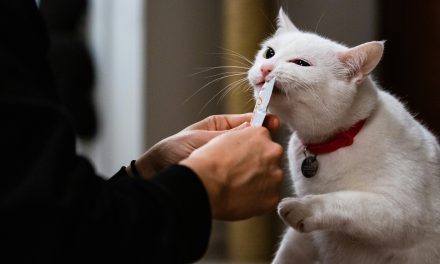
Cats are obligate carnivores, meaning their diet must primarily consist of meat to meet their nutritional requirements. Unlike omnivores, felines have specific dietary needs that must be addressed to ensure optimal health. A balanced diet for a cat typically includes proteins, fats, carbohydrates, vitamins, and minerals. Proteins are crucial for muscle development and overall bodily functions, while fats provide energy and support cellular health. Essential fatty acids, such as omega-3 and omega-6, play a significant role in maintaining skin and coat health.
When selecting cat food, it is vital to consider the life stage of your feline companion. Kittens require higher protein and fat content to support their rapid growth and development, while adult cats need a balanced diet to maintain their health. Senior cats may benefit from specialized diets that address age-related issues such as kidney function or joint health. Always consult with a veterinarian to determine the most appropriate diet tailored to your cat’s specific needs.
Importance of Regular Veterinary Check-Ups
Regular veterinary check-ups are essential for maintaining your cat’s health and well-being. These visits allow for early detection of potential health issues, which can significantly improve treatment outcomes. During a routine examination, veterinarians assess your cat’s overall condition, including weight, coat quality, dental health, and organ function. They may also perform diagnostic tests such as blood work or urinalysis to identify underlying conditions that may not be immediately apparent.
Moreover, regular check-ups provide an opportunity for pet owners to discuss any behavioral changes or concerns they may have noticed in their cats. This proactive approach can lead to timely interventions and adjustments in care that can enhance your cat’s quality of life. Establishing a consistent schedule for veterinary visits—ideally once a year for healthy adults and more frequently for kittens or senior cats—ensures that your feline friend receives the necessary preventive care.
Vaccinations: Protecting Your Cat from Common Diseases

Vaccinations are a cornerstone of preventive healthcare for cats, safeguarding them against various infectious diseases that can pose serious health risks. Core vaccines recommended by veterinarians include those for feline viral rhinotracheitis, calicivirus, panleukopenia, and rabies. These vaccines are crucial in preventing outbreaks of these diseases, which can lead to severe illness or even death.
In addition to core vaccines, there are non-core vaccines that may be recommended based on your cat’s lifestyle and risk factors. For instance, if your cat spends time outdoors or interacts with other animals, vaccines for feline leukemia virus (FeLV) and feline immunodeficiency virus (FIV) may be advisable. It is essential to discuss your cat’s vaccination schedule with your veterinarian to ensure they receive the appropriate immunizations at the right intervals.
Parasite Prevention and Control

Parasites such as fleas, ticks, and intestinal worms can significantly impact your cat’s health and comfort. Fleas can cause itching, skin infections, and even anemia in severe cases, while ticks can transmit diseases like Lyme disease. Intestinal parasites such as roundworms and tapeworms can lead to gastrointestinal distress and malnutrition.
Preventive measures are crucial in controlling these parasites. Regular use of veterinarian-recommended flea and tick preventatives is essential for outdoor cats or those exposed to other animals. Additionally, routine deworming protocols should be established based on your cat’s lifestyle and risk factors. Monitoring your cat for signs of parasite infestations—such as excessive scratching, weight loss, or changes in appetite—can help catch issues early and facilitate prompt treatment.
Dental Care Tips for Your Cat’s Oral Health
Oral health is often overlooked in feline care but is critical for overall well-being. Dental disease is prevalent among cats and can lead to pain, tooth loss, and systemic health issues if left untreated. Regular dental check-ups with your veterinarian can help identify problems early on. Professional cleanings may be necessary to remove tartar buildup and prevent periodontal disease.
At home, establishing a dental care routine is vital. Brushing your cat’s teeth regularly with a veterinarian-approved toothpaste can significantly reduce plaque accumulation. Additionally, providing dental treats or toys designed to promote oral hygiene can help maintain healthy teeth and gums. Monitoring your cat’s breath for unusual odors or signs of discomfort while eating can also indicate dental issues that require attention.
Recognizing Signs of Illness Early
Early detection of illness is crucial in ensuring effective treatment for your cat. Cats are adept at hiding their discomfort; therefore, pet owners must be vigilant in observing subtle changes in behavior or physical condition. Common signs of illness include changes in appetite or drinking habits, lethargy, vomiting, diarrhea, or alterations in litter box habits.
Regularly monitoring your cat’s weight is also essential; sudden weight loss or gain can indicate underlying health problems. If you notice any concerning symptoms or behavioral changes, it is imperative to consult with your veterinarian promptly. Early intervention can lead to better outcomes and may prevent more severe complications from developing.
Managing Weight and Encouraging Exercise
Obesity is a growing concern among domestic cats and can lead to numerous health issues such as diabetes, arthritis, and cardiovascular disease. Managing your cat’s weight involves providing a balanced diet tailored to their energy needs and encouraging regular physical activity. Portion control is essential; feeding guidelines provided on commercial food packaging should be adjusted based on your cat’s activity level and weight goals.
Engaging your cat in playtime activities is an effective way to promote exercise. Interactive toys such as feather wands or laser pointers can stimulate their hunting instincts and encourage movement. Creating an enriched environment with climbing structures or puzzle feeders can also motivate your cat to stay active while providing mental stimulation.
Creating a Stress-Free Environment for Your Cat
Cats thrive in environments that offer security and comfort. Stress can lead to behavioral issues and negatively impact overall health. To create a stress-free environment, provide safe spaces where your cat can retreat when feeling overwhelmed. This could include cozy hiding spots or elevated perches where they can observe their surroundings without feeling threatened.
Additionally, maintaining a consistent routine regarding feeding times, play sessions, and litter box maintenance can help reduce anxiety in cats. Introducing new pets or changes in the household gradually allows your feline friend to adjust without undue stress. Utilizing pheromone diffusers or sprays designed for calming effects may also assist in creating a tranquil atmosphere.
Grooming Practices for a Healthy Coat and Skin
Regular grooming is essential for maintaining your cat’s coat and skin health. Brushing helps remove loose fur, dirt, and debris while distributing natural oils throughout the coat, promoting shine and reducing matting. The frequency of grooming depends on the type of coat; long-haired breeds may require daily brushing, while short-haired cats may only need weekly attention.
Bathing should be approached cautiously; most cats groom themselves effectively and do not require frequent baths unless they become particularly dirty or have skin conditions requiring medicated shampoos. Regularly checking for signs of skin issues—such as redness, bumps, or excessive scratching—can help identify problems early on.
Administering Medications Safely and Effectively
Administering medications to cats can be challenging due to their independent nature and reluctance to accept pills or liquids. It is crucial to follow your veterinarian’s instructions carefully regarding dosage and administration methods. For oral medications, using pill pockets or disguising pills in soft food may facilitate easier ingestion.
If your cat requires liquid medication, using a syringe without a needle can help deliver the dose directly into the side of their mouth without causing distress. Always ensure that you reward your cat with praise or treats after administering medication to create positive associations with the process.
Emergency Preparedness: What Every Cat Owner Should Know
Being prepared for emergencies is vital for every cat owner. Familiarize yourself with the signs of common emergencies such as poisoning, trauma from accidents, or sudden illness. Having a first aid kit specifically designed for pets can be invaluable during crises; this kit should include items such as bandages, antiseptic wipes, tweezers for removing splinters or ticks, and emergency contact information for your veterinarian.
Additionally, knowing the location of the nearest emergency veterinary clinic is essential in case of urgent situations outside regular office hours. Keeping a list of important phone numbers readily accessible ensures you can act quickly when needed.
In summary, understanding your cat’s nutritional needs is fundamental for their health; regular veterinary check-ups are crucial for early detection of illnesses; vaccinations protect against common diseases; parasite prevention is vital; dental care promotes oral health; recognizing signs of illness early aids in treatment; managing weight encourages exercise; creating a stress-free environment enhances well-being; grooming practices maintain coat health; administering medications safely is essential; and being prepared for emergencies ensures you are ready when unexpected situations arise. By prioritizing these aspects of feline care, you contribute significantly to your cat’s longevity and quality of life.
FAQs
What services do cat veterinarians typically provide?
Cat veterinarians typically provide a range of services including routine check-ups, vaccinations, dental care, diagnostic testing, surgical procedures, and emergency care. They also offer advice on nutrition, behavior, and preventive health measures to ensure the overall well-being of cats.
How often should I take my cat to the veterinarian?
It is generally recommended to take your cat to the veterinarian at least once a year for a wellness check-up. However, senior cats or those with chronic health issues may require more frequent visits, typically every six months, to monitor their health and adjust treatments as necessary.
What vaccinations do cats need?
Cats typically need core vaccinations, which include rabies, feline distemper (panleukopenia), feline herpesvirus, and feline calicivirus. Additional vaccinations may be recommended based on the cat’s lifestyle, such as feline leukemia virus (FeLV) and feline immunodeficiency virus (FIV) vaccines.
What should I expect during a veterinary visit for my cat?
During a veterinary visit, you can expect a thorough physical examination of your cat, which may include checking their weight, temperature, and overall health. The veterinarian may also ask about your cat’s behavior, diet, and any health concerns you may have. Depending on the findings, additional tests or treatments may be recommended.
How can I prepare my cat for a veterinary visit?
To prepare your cat for a veterinary visit, ensure they are safely secured in a carrier. Familiarize them with the carrier beforehand to reduce stress. Bring any relevant medical records and a list of questions or concerns you may have. It’s also helpful to avoid feeding your cat right before the appointment if fasting is required for certain tests.