Ground cover succulents have gained immense popularity among gardeners and landscape designers due to their unique aesthetic appeal and low maintenance requirements. These hardy plants are characterized by their fleshy leaves and stems, which store water, allowing them to thrive in arid conditions. Succulents come in a variety of shapes, sizes, and colors, making them an excellent choice for creating visually striking landscapes. Their ability to spread and cover the ground effectively helps prevent soil erosion while providing a lush, green carpet that enhances the overall beauty of any garden.
The versatility of ground cover succulents extends beyond mere aesthetics. They can be utilized in various settings, from residential gardens to commercial landscapes, and even in xeriscaping projects aimed at conserving water. With the increasing emphasis on sustainable gardening practices, these plants offer an eco-friendly solution that requires minimal irrigation and care. As we delve deeper into the benefits and specific varieties of ground cover succulents, it becomes evident that they are not only practical but also a delightful addition to any outdoor space.
Benefits of Using Succulents as Ground Cover
One of the primary advantages of using succulents as ground cover is their remarkable drought resistance. These plants have adapted to survive in arid environments, making them ideal for regions with limited rainfall. Their water-storing capabilities allow them to endure prolonged dry spells without wilting or dying. This characteristic not only reduces the need for frequent watering but also contributes to water conservation efforts, making succulents an environmentally friendly choice.
In addition to their drought tolerance, ground cover succulents are known for their ability to suppress weeds effectively. By forming a dense mat over the soil, these plants create a natural barrier that inhibits the growth of unwanted vegetation. This reduces the need for chemical herbicides and minimizes competition for nutrients and water, allowing your chosen succulents to flourish. Furthermore, many varieties produce vibrant flowers that attract pollinators such as bees and butterflies, enhancing biodiversity in your garden.
How to Choose the Right Succulent for Your Garden

Selecting the appropriate succulent for your garden involves considering several factors, including climate, soil type, and sunlight exposure. Different species have varying tolerances to temperature extremes and light conditions, so it is essential to choose varieties that will thrive in your specific environment. For instance, some succulents prefer full sun, while others may require partial shade to prevent sunburn on their leaves.
Soil composition is another critical aspect to consider when choosing succulents. Most ground cover varieties prefer well-draining soil that mimics their natural habitat. A mixture of potting soil with sand or perlite can enhance drainage and prevent root rot. Additionally, understanding the growth habits of different succulents will help you determine how much space to allocate for each plant. Some varieties spread rapidly and may require more room than others, so planning ahead is crucial for a successful garden layout.
Sedum Spurium (Creeping Sedum)

Sedum spurium, commonly known as creeping sedum, is a popular choice for ground cover due to its vigorous growth and adaptability. This perennial succulent features fleshy leaves that form dense mats, making it an excellent option for filling in bare spots in gardens or rockeries. The plant produces clusters of star-shaped flowers in shades of pink or red during the summer months, adding a splash of color to your landscape.
Creeping sedum thrives in well-drained soil and can tolerate poor soil conditions, making it suitable for rocky or sandy areas. It prefers full sun but can also tolerate partial shade. This resilient plant is hardy in USDA zones 3-9, allowing it to flourish in a variety of climates. Regular watering is necessary during its establishment phase; however, once established, it requires minimal irrigation.
Delosperma (Ice Plant)
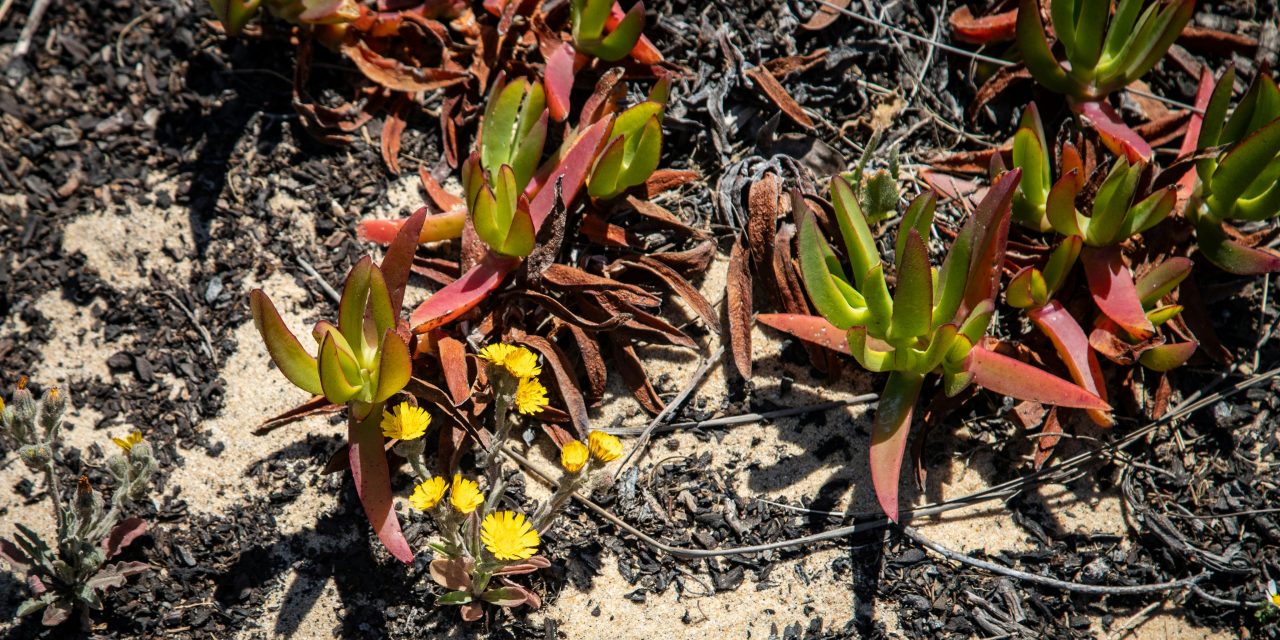
Delosperma, commonly referred to as ice plant, is another exceptional ground cover succulent known for its vibrant flowers and ability to withstand drought conditions. This perennial plant features fleshy leaves that are often covered in a glistening layer of moisture, giving them a unique appearance reminiscent of ice crystals. The flowers bloom profusely in shades of yellow, pink, or purple during the summer months, attracting pollinators and adding visual interest to any garden.
Ice plants thrive in well-draining soil and prefer full sun exposure for optimal growth. They are hardy in USDA zones 5-9 and can tolerate poor soil conditions. Delosperma is particularly effective at preventing soil erosion on slopes or embankments due to its extensive root system. Regular pruning after flowering can help maintain its shape and encourage new growth.
Echeveria ‘Topsy Turvy’
Echeveria ‘Topsy Turvy’ is a striking succulent known for its unique rosette shape and distinctive blue-green leaves that curl inward at the tips. This variety adds an artistic flair to any garden design and works well as a ground cover due to its compact growth habit. Echeveria ‘Topsy Turvy’ produces vibrant pink flowers on tall stalks during the blooming season, further enhancing its ornamental value.
This succulent prefers well-draining soil and thrives in full sun or partial shade. It is hardy in USDA zones 9-11 and requires minimal watering once established. To promote healthy growth, it is essential to avoid overwatering, as this can lead to root rot. Echeveria ‘Topsy Turvy’ is an excellent choice for container gardens or as part of a mixed succulent arrangement.
Sempervivum (Hens and Chicks)
Sempervivum, commonly known as hens and chicks, is a classic ground cover succulent that forms rosettes of fleshy leaves with a striking appearance. This hardy perennial is known for its ability to thrive in rocky or poor soil conditions while requiring minimal care. The name “hens and chicks” refers to the way the main plant (the hen) produces smaller offsets (the chicks) that can be easily propagated.
Hens and chicks prefer full sun but can tolerate partial shade as well. They are hardy in USDA zones 3-9 and can withstand cold temperatures without damage. These succulents require well-draining soil and should be watered sparingly during the growing season. Their ability to spread quickly makes them an excellent choice for filling gaps in garden beds or creating a lush carpet of greenery.
Crassula Muscosa (Watch Chain)
Crassula muscosa, commonly known as watch chain or string of buttons, is a unique succulent characterized by its elongated stems adorned with small, tightly packed leaves resembling beads on a string. This distinctive appearance makes it an eye-catching addition to any garden or container arrangement. Watch chain thrives in well-draining soil and prefers full sun exposure for optimal growth.
This succulent is hardy in USDA zones 9-11 and requires minimal watering once established. Overwatering should be avoided as it can lead to root rot. Crassula muscosa can be used effectively as a ground cover due to its spreading nature; however, it also works well in hanging baskets or vertical gardens where its trailing stems can cascade beautifully.
Senecio serpens (Blue Chalksticks)
Senecio serpens, commonly known as blue chalksticks, is a stunning succulent with thick, blue-gray leaves that resemble chalky sticks. This low-growing plant forms dense mats that make it an excellent choice for ground cover in sunny areas. Blue chalksticks produce small yellow flowers during the summer months, adding a pop of color to your landscape.
This succulent thrives in well-draining soil and prefers full sun exposure but can tolerate partial shade as well. It is hardy in USDA zones 9-11 and requires minimal watering once established. Regular pruning can help maintain its shape and encourage bushier growth. Senecio serpens is particularly effective at preventing soil erosion on slopes or embankments due to its extensive root system.
Kalanchoe fedtschenkoi (Lavender Scallops)
Kalanchoe fedtschenkoi, commonly known as lavender scallops or mother-of-thousands, is a unique succulent characterized by its scalloped leaves that display a beautiful lavender hue when exposed to sunlight. This perennial plant produces clusters of small tubular flowers that attract pollinators during the blooming season.
Lavender scallops thrive in well-draining soil and prefer full sun exposure for optimal growth. They are hardy in USDA zones 9-11 and require minimal watering once established. Overwatering should be avoided as it can lead to root rot. Kalanchoe fedtschenkoi works well as a ground cover due to its spreading nature while also being suitable for container gardens or mixed succulent arrangements.
Graptopetalum paraguayense (Ghost Plant)
Graptopetalum paraguayense, commonly known as ghost plant, is a striking succulent with pale blue-green leaves that have a waxy coating giving them an ethereal appearance. This low-growing plant forms rosettes that can spread effectively across garden beds or rocky areas, making it an excellent choice for ground cover.
Ghost plants thrive in well-draining soil and prefer full sun exposure but can tolerate partial shade as well. They are hardy in USDA zones 9-11 and require minimal watering once established. Overwatering should be avoided as it can lead to root rot. Graptopetalum paraguayense is particularly effective at preventing soil erosion due to its extensive root system.
Aptenia cordifolia (Baby Sun Rose)
Aptenia cordifolia, commonly known as baby sun rose or heartleaf ice plant, is a vibrant ground cover succulent characterized by its heart-shaped leaves and bright pink flowers that bloom throughout the summer months. This fast-growing plant forms dense mats that effectively suppress weeds while adding color to your landscape.
Baby sun rose thrives in well-draining soil and prefers full sun exposure for optimal growth. It is hardy in USDA zones 9-11 and requires minimal watering once established. Regular pruning after flowering can help maintain its shape and encourage new growth while promoting bushier foliage.
Orostachys iwarenge (Dunce Cap)
Orostachys iwarenge, commonly known as dunce cap or stonecrop, is a unique succulent characterized by its rosette shape resembling a cap or hat. This low-growing plant forms dense mats that make it an excellent choice for ground cover in sunny areas while requiring minimal care.
Dunce cap thrives in well-draining soil and prefers full sun exposure but can tolerate partial shade as well. It is hardy in USDA zones 5-9 and requires minimal watering once established. Overwatering should be avoided as it can lead to root rot; therefore, allowing the soil to dry out between waterings is essential for healthy growth.
Tips for Planting and Maintaining Ground Cover Succulents
When planting ground cover succulents, proper spacing is crucial for ensuring healthy growth and preventing overcrowding. A general guideline is to space plants approximately 12-18 inches apart; however, this may vary depending on the specific variety’s growth habit. Before planting, prepare the soil by removing any weeds or debris and amending it with sand or perlite if necessary for improved drainage.
Regular maintenance involves monitoring moisture levels and adjusting watering schedules based on seasonal changes; succulents typically require less water during cooler months when their growth slows down significantly. Additionally, periodic pruning can help maintain shape while encouraging bushier growth; removing spent flowers will also promote new blooms throughout the growing season.
In conclusion, ground cover succulents offer numerous benefits ranging from aesthetic appeal to environmental sustainability through their drought resistance and weed suppression capabilities. By selecting appropriate varieties based on climate conditions while implementing proper planting techniques along with ongoing maintenance practices will ensure thriving gardens filled with vibrant colors year-round!
FAQs
What are ground cover succulents?
Ground cover succulents are low-growing plants that store water in their leaves, stems, or roots, making them drought-resistant. They spread horizontally across the ground, creating a dense mat that can help prevent soil erosion and suppress weeds.
What are the benefits of using ground cover succulents in landscaping?
Ground cover succulents offer several benefits, including low maintenance requirements, drought tolerance, and the ability to thrive in poor soil conditions. They also add visual interest to gardens with their unique shapes, colors, and textures, and can help reduce water usage in landscaping.
How do you care for ground cover succulents?
Caring for ground cover succulents involves providing well-draining soil, ensuring they receive adequate sunlight (typically full sun to partial shade), and watering them sparingly. It’s important to allow the soil to dry out between waterings to prevent root rot.
Can ground cover succulents be used in containers?
Yes, ground cover succulents can be successfully grown in containers. When planting in pots, ensure that the containers have drainage holes and use a well-draining soil mix. This allows for proper water management and helps prevent overwatering.
What are some popular types of ground cover succulents?
Some popular types of ground cover succulents include Sedum, Delosperma, and Crassula. These varieties are known for their hardiness, attractive foliage, and ability to spread quickly, making them ideal for ground cover in various garden settings.