Indoor fig plants have surged in popularity as a staple in contemporary home decor, offering not only aesthetic appeal but also a myriad of health benefits. These lush, green plants, belonging to the Ficus genus, are celebrated for their striking foliage and adaptability to indoor environments. Their ability to thrive in various lighting conditions makes them an ideal choice for both novice and experienced plant enthusiasts. The presence of fig plants can transform any living space into a serene oasis, enhancing the overall ambiance while promoting a sense of well-being.
The allure of fig plants extends beyond their visual charm. Research indicates that indoor plants can significantly improve air quality by filtering toxins and increasing humidity levels. This natural air purification process contributes to a healthier living environment, making fig plants not just decorative elements but essential components of modern interior design. As we delve deeper into the world of indoor fig plants, we will explore various varieties, styling tips, and maintenance strategies to ensure these botanical beauties flourish in your home.
Choosing the Right Fig Plant Variety for Your Space
Selecting the appropriate fig plant variety is crucial for achieving the desired aesthetic and ensuring the plant’s health. The Ficus genus encompasses numerous species, each with unique characteristics that cater to different spaces and preferences. For instance, the Ficus lyrata, commonly known as the fiddle leaf fig, is renowned for its large, glossy leaves and dramatic presence, making it a popular choice for spacious living areas. Conversely, smaller varieties like the Ficus elastica, or rubber plant, offer a more compact option without sacrificing visual impact.
When choosing a fig plant, consider factors such as light availability, humidity levels, and the overall size of your space. Some fig varieties thrive in bright, indirect light, while others can tolerate lower light conditions. Additionally, understanding your home’s climate will help you select a plant that can adapt well to its environment. By carefully assessing these factors, you can ensure that your chosen fig plant not only complements your decor but also thrives in its new home.
Classic Fiddle Leaf Fig: The Iconic Statement Plant

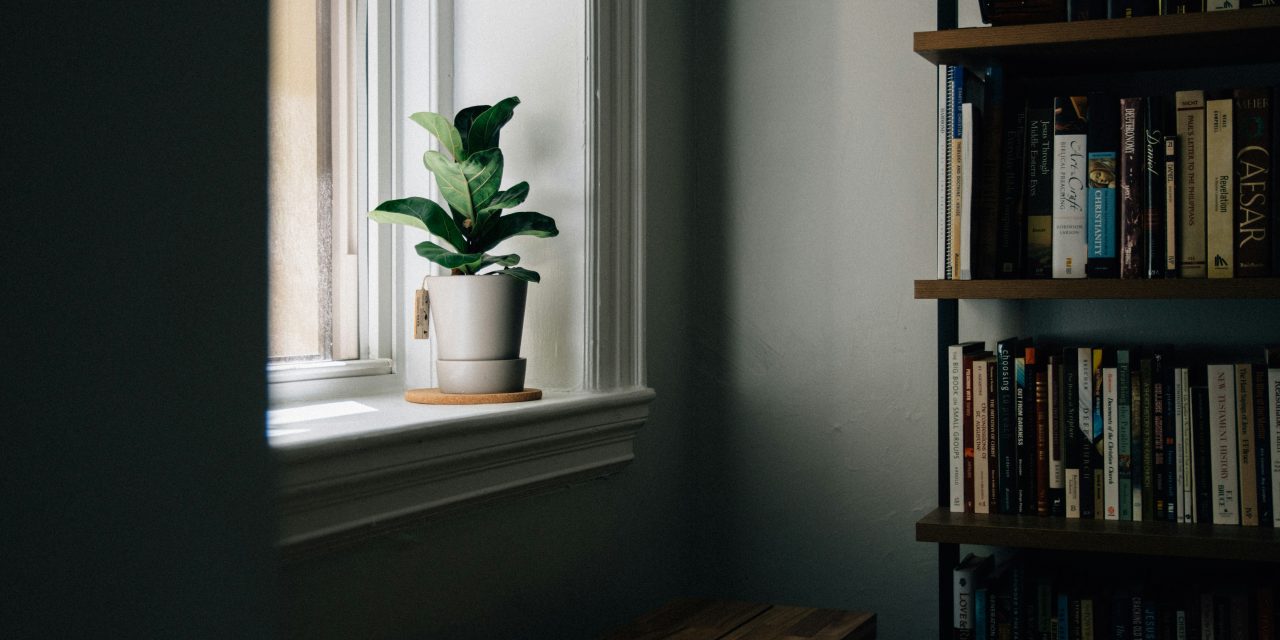
The fiddle leaf fig has become synonymous with modern interior design, often featured in magazines and social media as the quintessential statement plant. Its large, violin-shaped leaves create a bold visual impact that can elevate any room’s aesthetic. This species can grow quite tall, reaching heights of up to six feet or more when nurtured properly, making it an excellent focal point in spacious areas.
However, the fiddle leaf fig does require specific care to maintain its striking appearance. It thrives in bright, indirect sunlight and prefers well-draining soil to prevent root rot. Regular watering is essential; allowing the top inch of soil to dry out between waterings is ideal. Additionally, dusting the leaves periodically will help maintain their glossy finish and enhance photosynthesis. With proper attention and care, the fiddle leaf fig can become a stunning centerpiece in your home.
Compact Fig Varieties Perfect for Small Apartments

For those residing in smaller apartments or spaces with limited light, compact fig varieties offer an excellent alternative without compromising on style. The Ficus elastica, or rubber plant, is a popular choice due to its manageable size and striking foliage. With its broad leaves that can vary in color from deep green to variegated patterns, this plant adds a touch of elegance to any corner.
Another compact option is the Ficus benjamina, commonly known as the weeping fig. This variety features slender branches adorned with small, glossy leaves that create a delicate appearance. It can be pruned to maintain a desired height and shape, making it versatile for various interior styles. Both of these compact fig varieties thrive in moderate light conditions and require minimal maintenance, making them ideal for urban dwellers seeking greenery without overwhelming their space.
Styling Tips: Pot Selection and Placement Ideas
The right pot selection can significantly enhance the overall aesthetic of your indoor fig plants. Opting for pots that complement your decor style is essential; for instance, sleek ceramic pots work well in modern settings, while rustic terracotta pots can add warmth to bohemian interiors. Additionally, consider the size of the pot in relation to the plant; a pot that is too small may restrict growth, while an oversized pot can lead to water retention issues.
Placement is equally important when styling fig plants. Positioning them near windows where they can receive ample indirect sunlight will promote healthy growth. However, avoid placing them in direct sunlight for extended periods, as this can scorch their leaves. Creating visual interest by grouping plants at varying heights or using plant stands can also enhance your decor while allowing each fig plant to shine.
Creating a Green Corner with Multiple Fig Plants
Designing a green corner with multiple fig plants can create a lush sanctuary within your home. By clustering different varieties together, you can achieve a dynamic display that showcases their unique shapes and colors. For instance, pairing a tall fiddle leaf fig with shorter rubber plants or weeping figs creates an appealing contrast that draws the eye.
When arranging multiple plants, consider varying their heights and textures to create depth and interest. Utilizing decorative plant stands or shelves can help elevate smaller plants while allowing larger specimens to take center stage. Additionally, incorporating complementary decor elements such as woven baskets or decorative stones can enhance the overall aesthetic of your green corner.
Pairing Fig Plants with Modern Minimalist Interiors
In modern minimalist interiors, less is often more; therefore, selecting fig plants that embody simplicity and elegance is key. The fiddle leaf fig’s bold leaves make it an ideal choice for minimalist spaces where it can serve as a statement piece without overwhelming the design. Its clean lines and striking silhouette harmonize beautifully with sleek furniture and neutral color palettes.
To further enhance the minimalist aesthetic, choose pots that are understated yet stylish—think matte finishes or monochromatic designs that blend seamlessly with your decor. Placing fig plants strategically in open spaces allows them to stand out while maintaining an uncluttered look. By embracing simplicity and focusing on quality over quantity, you can create a serene environment that celebrates both nature and design.
Incorporating Fig Plants into Bohemian and Eclectic Decor
Bohemian and eclectic decor styles thrive on vibrant colors and diverse textures, making fig plants an excellent addition to these lively environments. The rich green foliage of various fig species complements bold patterns and eclectic furnishings beautifully. For instance, pairing a rubber plant with colorful textiles or patterned rugs creates a harmonious blend of nature and artistic expression.
When incorporating fig plants into bohemian decor, consider using decorative pots adorned with intricate designs or earthy materials like clay or woven baskets. Mixing different fig varieties adds depth and visual interest; for example, combining a fiddle leaf fig with smaller weeping figs creates an inviting atmosphere filled with greenery. By embracing creativity and individuality in your decor choices, you can cultivate a space that reflects your unique personality while celebrating the beauty of indoor plants.
Maintenance Tips to Keep Your Indoor Fig Plant Thriving
To ensure your indoor fig plants remain healthy and vibrant, regular maintenance is essential. Start by establishing a consistent watering schedule; most fig varieties prefer their soil to dry out slightly between waterings. Overwatering can lead to root rot—a common issue among indoor plants—so always check soil moisture before adding more water.
Additionally, providing adequate humidity levels is crucial for optimal growth. Fig plants thrive in environments with humidity levels between 40-60%. If your home tends to be dry, especially during winter months, consider using a humidifier or placing a tray filled with water near your plants to increase moisture levels. Regularly inspecting your plants for pests such as spider mites or aphids will also help prevent infestations that could compromise their health.
Using Fig Plants to Improve Indoor Air Quality
One of the most significant benefits of incorporating fig plants into your home is their ability to improve indoor air quality. Studies conducted by NASA have shown that certain indoor plants can effectively filter harmful pollutants such as formaldehyde and benzene from the air. Fig plants are particularly effective at absorbing these toxins while releasing oxygen—a vital component for maintaining a healthy living environment.
To maximize the air-purifying benefits of your fig plants, consider placing them strategically throughout your home—especially in areas where you spend significant time such as living rooms or bedrooms. The presence of these green companions not only enhances aesthetics but also contributes to overall well-being by promoting cleaner air and reducing stress levels.
Transform Your Home with Stunning Fig Plant Displays
Incorporating indoor fig plants into your home decor offers an array of benefits—from enhancing aesthetics to improving air quality. With various species available to suit different spaces and styles, there is a perfect fig plant for every home. By selecting the right variety, employing thoughtful styling techniques, and committing to proper maintenance practices, you can create stunning displays that breathe life into your living environment.
As you embark on this journey of integrating fig plants into your home decor, remember that each plant tells its own story—one of growth, resilience, and beauty. Embrace the transformative power of nature within your space and enjoy the myriad benefits that come from nurturing these remarkable botanical companions.
FAQs
What are the ideal light conditions for an indoor fig plant?
Indoor fig plants, such as the Ficus lyrata (Fiddle Leaf Fig), thrive in bright, indirect sunlight. They prefer a location near a window where they can receive filtered light. Direct sunlight can scorch their leaves, while too little light can hinder their growth.
How often should I water my indoor fig plant?
Indoor fig plants should be watered when the top inch of soil feels dry to the touch. Typically, this means watering every 1-2 weeks, depending on the humidity and temperature of your home. It’s important to ensure proper drainage to prevent root rot.
What type of soil is best for an indoor fig plant?
A well-draining potting mix is ideal for indoor fig plants. A mixture that includes peat moss, perlite, and pine bark can provide the necessary aeration and drainage. Avoid heavy soils that retain too much moisture.
How can I encourage my indoor fig plant to grow more leaves?
To encourage leaf growth in your indoor fig plant, ensure it receives adequate light, maintain consistent watering, and provide humidity. Fertilizing during the growing season (spring and summer) with a balanced fertilizer can also promote healthy growth.
Are indoor fig plants toxic to pets?
Yes, indoor fig plants are considered toxic to pets, particularly cats and dogs. Ingesting parts of the plant can cause mild gastrointestinal upset. It’s advisable to keep these plants out of reach of pets to prevent any potential health issues.